


Culinary Enhancement Essential Oils
Our favorite pure essential oils and blends for use in cooking, baking, drink crafting, and flavor enhancement of all sorts. These are botanical extracts meant to be used in very small concentrations — typically about one drop per 8 to 16 ounces for beverages, desserts, stews, or salad dressings.
Less Is More: How To Dose Culinary Extracts
Because pure essential oils can yield a significant flavor adjustment even in tiny amounts, we always recommend starting conservatively. Begin with about one drop per 16 ounces, taste, and adjust from there. Some flavors are forgiving at two or three drops; others can overwhelm a dish at just one drop too many. Going slow protects your dish and helps you find your own preferred ratio.
A Few Favorite Pairings
Clove, Bergamot, Lemon, Rosemary, or Black Pepper — wonderful stirred into tea
Blood Orange — delicious in salad dressings
Lemongrass or CO2-Extracted Coconut Pulp — wonderful in homemade Thai soups
Ylang Ylang — delicious on chocolate bars
Digestif — adds a therapeutic edge to certain teas
Tulsi Essential Oil — great for a meditative homemade tea
Distilled Lime — wonderful in Thai dishes, especially coconut curries or coconut soups
Chai Perfect — essentially chai in a bottle, wonderful stirred into milk or nut milk
Solubility & Application Tips
- For better solubility, add drops to a carrier first — milk, nut milk, or a salad oil — before combining with your dish
- Mix in a small separate container first to dial in your ratio before committing it to the full dish
- Tinctures are easier to dose and milder in flavor than pure essential oils, though some carry a slight hint of alcohol
- If cooking, that alcohol note typically burns off; in cold applications, a negligible amount usually goes unnoticed
Frequently Asked Questions
Dosing and using culinary extracts safely
Is there such a thing as too much? Can I overdo it?
How should I mix these into my food or drink?
What’s the difference between using a tincture versus a pure essential oil for cooking?
Does the alcohol in tinctures burn off when cooking?
Showing 1–18 of 56 results
-
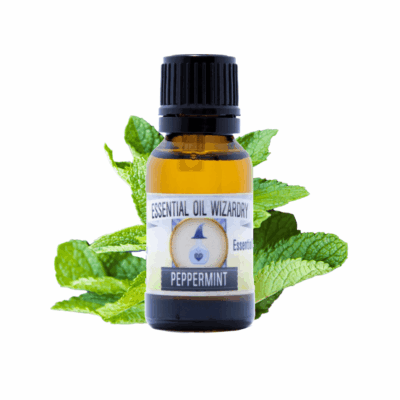
Peppermint
$20.00 -
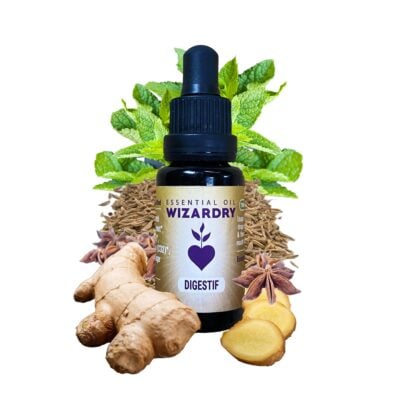
Digestif
Price range: $25.00 through $45.00 -
Rosemary
Price range: $18.00 through $33.00 -
Lemon
$20.00 -
Frankincense Carterii (CO2)
$35.00 -
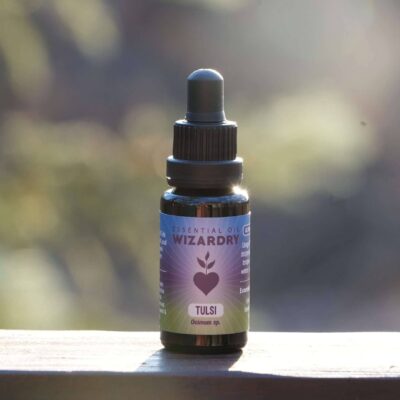
Ultrasonic Tulsi Tincture
Price range: $25.00 through $44.00 -
Ylang Ylang
Price range: $40.00 through $45.00 -
Blood Orange
$20.00 -
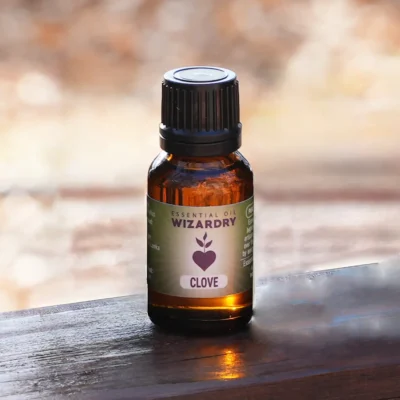
Clove Bud
Price range: $20.00 through $25.00 -
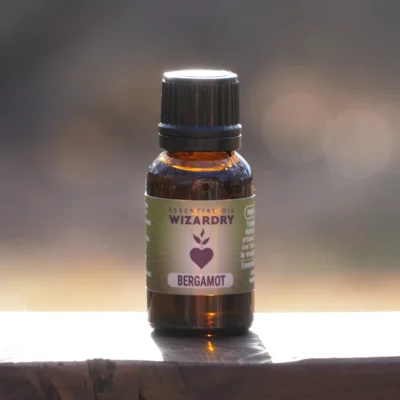
Bergamot
$33.00 -
Citrus Blast
Price range: $20.00 through $35.00 -
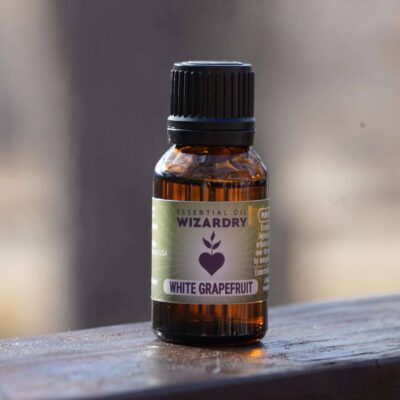
Grapefruit
Price range: $25.00 through $30.00 -
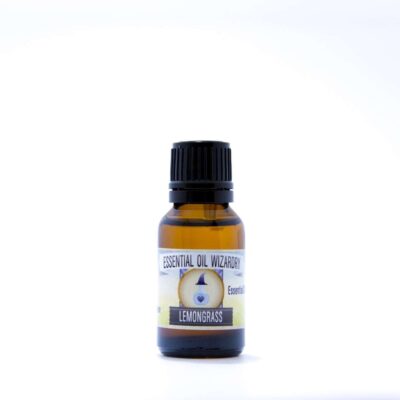
Lemongrass
$18.00 -
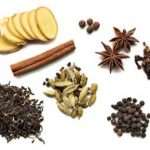
Chai Perfect
Price range: $25.00 through $55.00 -
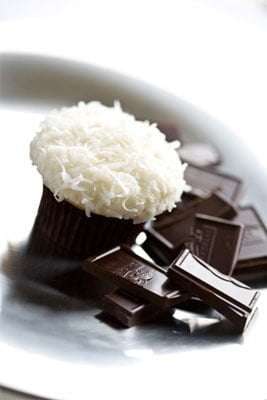
Choco-Nut
Price range: $25.00 through $55.00 -
Holy Basil (Tulsi)
Price range: $25.00 through $45.00 -
Lime
$25.00 -
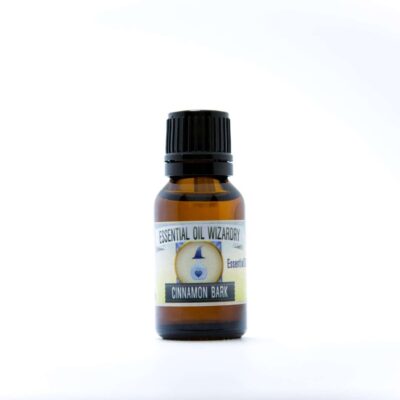
Cinnamon Bark
Price range: $25.00 through $45.00