


At Essential Oil Wizardry, our adaptogen tinctures are prepared using our proprietary ultrasonic extraction process, which extracts a fuller spectrum of each plant’s botanical character than conventional methods typically do. About 95%+ of what we carry is organic or wildcrafted, never sprayed with pesticides, and every product is vibrationally enhanced using energetic tools, ORMUS, and BioGeometry. Founded by a holistic-minded, retired pharmacist, we source directly from trusted growers and artisans, and we never compromise on the integrity of what goes into each bottle.
-
Ultrasonic Tincture Set (10)
Price range: $222.00 through $377.00 -
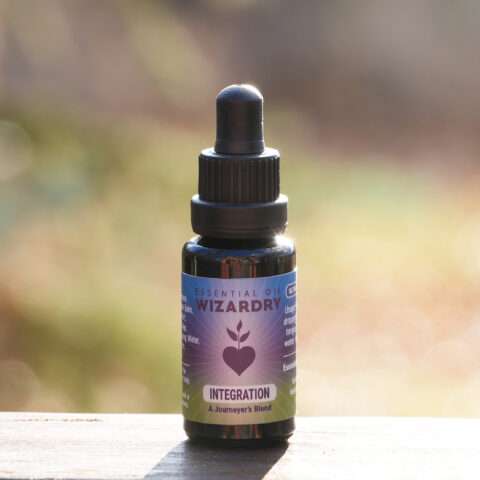
Integration Tincture *Members Only*
Price range: $55.00 through $111.00 -
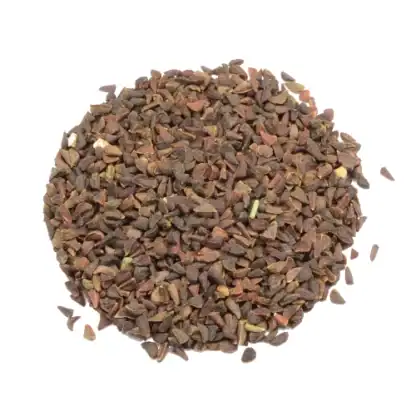
Ultrasonic Syrian Rue Tincture *Members Only*
Price range: $55.00 through $88.00 -
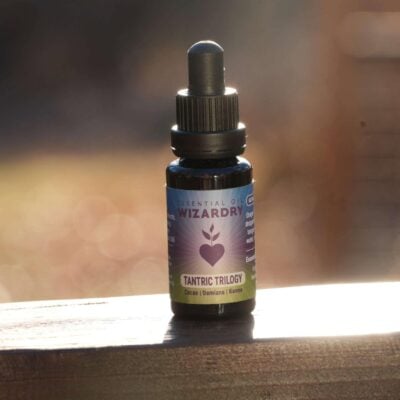
Tantric Trilogy Tincture *Members Only*
Price range: $44.00 through $88.00 -
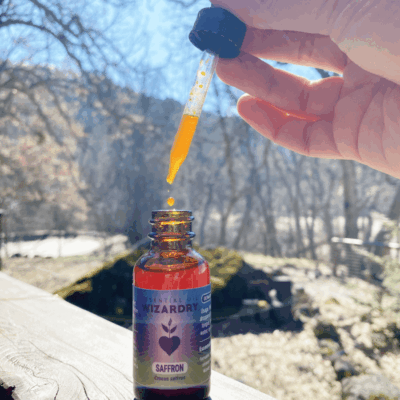
Ultrasonic Saffron Tincture
Price range: $44.00 through $77.00 -
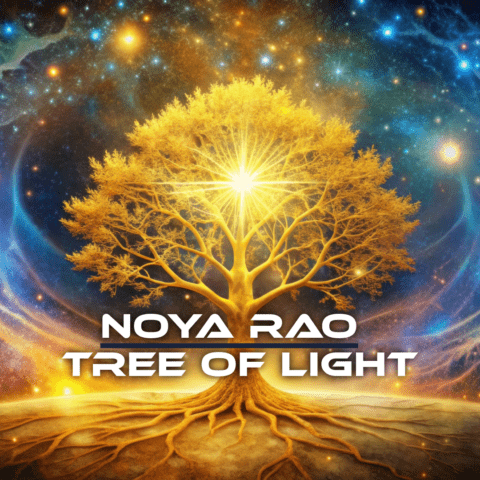
Ultrasonic Noya Rao Tincture *Members Only*
Price range: $44.00 through $77.00 -
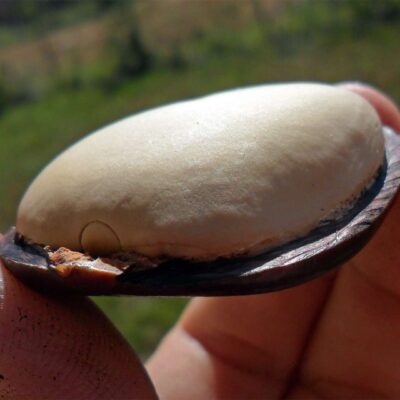
Ultrasonic Dream Seed Tincture *Members Only*
Price range: $44.00 through $77.00 -
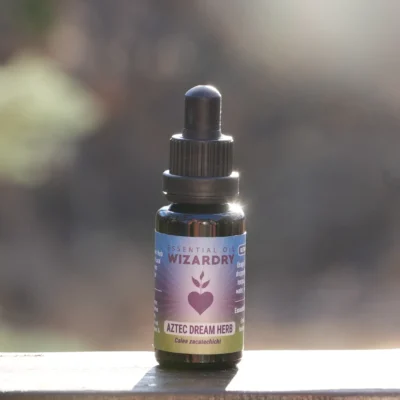
Ultrasonic Aztec Dream Herb Tincture (Calea Zacatechichi Tincture) *Members Only*
Price range: $44.00 through $77.00 -
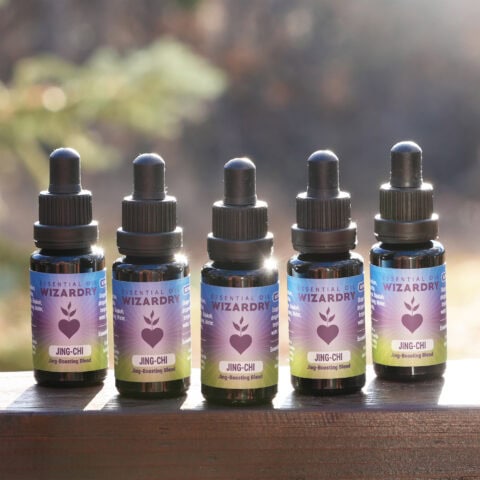
Jing-Chi (Club Members Only)
Price range: $36.00 through $65.00 -
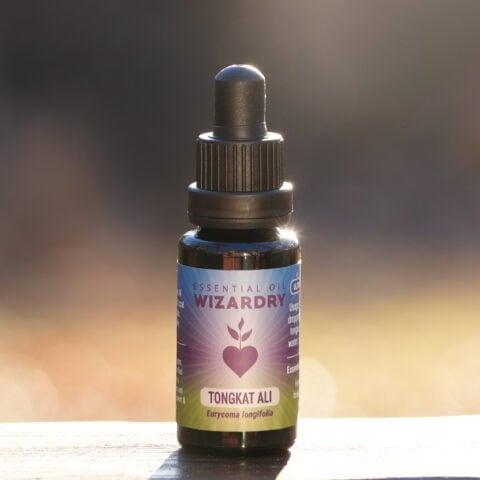
Ultrasonic Tongkat Ali Tincture
Price range: $36.00 through $65.00 -
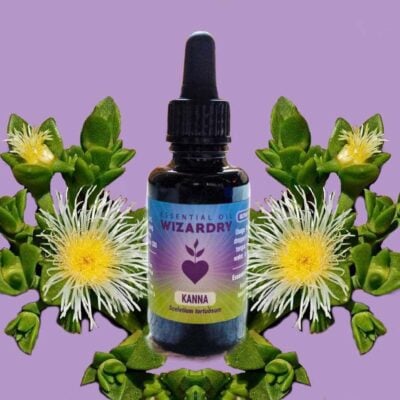
Ultrasonic Kanna Tincture
Price range: $44.00 through $65.00 -
Ultrasonic Kakanga Tincture
Price range: $35.00 through $55.00 -
Ultrasonic Klip Dagga Tincture *Members Only*
Price range: $33.00 through $55.00 -
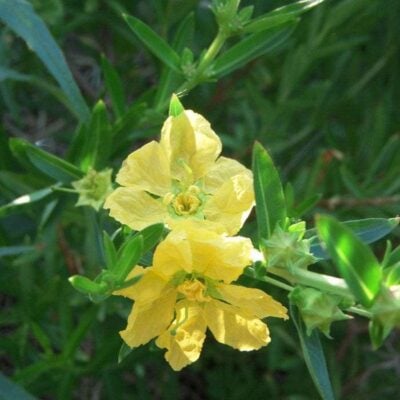
Ultrasonic Heimia “Sun Opener” Tincture *Members Only*
Price range: $33.00 through $55.00 -
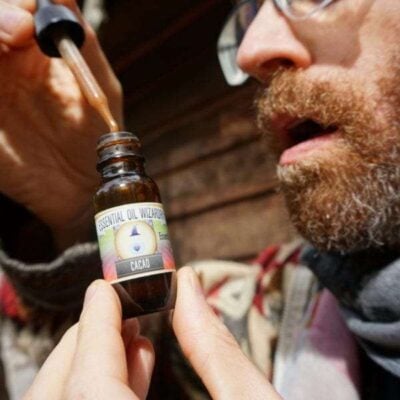
Ultrasonic Cacao Tincture
Price range: $33.00 through $55.00 -
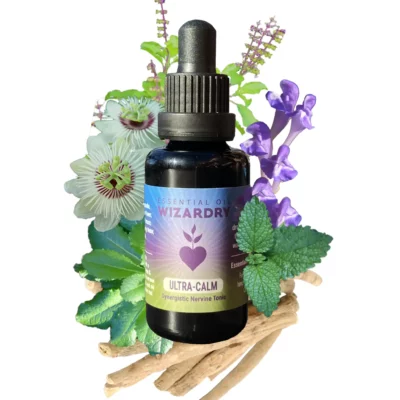
Ultra-Calm Tincture
Price range: $25.00 through $44.00
CHECK OUT OUR BLOG
Natural Male Enhancement Tinctures: Tongkat Ali, Epimedium, And Kakanga Compared
A guide to natural male enhancement tinctures, comparing tongkat ali, epimedium, and kakanga root benefits, with insight from Essential Oil Wizardry.
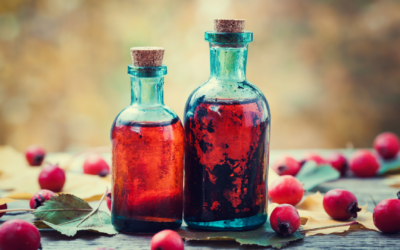
Kanna Tincture vs. Kanna Resin: Which Format Is Right For You?
A guide to kanna tincture vs kanna resin, covering effects, dosing, and how to choose the best kanna format for your practice, from Essential Oil Wizardry.
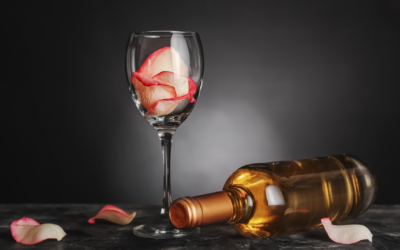
Rose Absolute vs. Rose Otto: Bulgarian Rose And Rose Bourbon Absolute Compared
A guide to rose absolute, comparing Bulgarian rose absolute and rose bourbon absolute for perfume and ritual use — plus how rose otto (a steam-distilled essential oil) differs — with insight from Essential Oil Wizardry.
Adaptogen Tincture Benefits And The Plants Behind Them
Adaptogens have attracted significant attention in recent years, but their history is far longer than current wellness conversations tend to acknowledge. Understanding what they are and why traditional cultures worked with them gives helpful context for anyone building a botanical practice around them.
What Makes A Plant An Adaptogen
The term carries a specific set of criteria: the plant should be non-toxic when used appropriately, it should support a general rather than narrowly specific range of functions, and it should help the body orient toward balance across changing conditions. These criteria were established by Soviet researchers in the 1960s, but the underlying observations came from far older traditions. Ayurveda, Traditional Chinese Medicine, and indigenous Southeast Asian healing systems had all identified these plants as foundational long before a scientific framework was applied to them. For those still deciding between tinctures and other botanical formats, Essential Oil Tinctures vs. Oils is a helpful orientation.
Deep Roots Across Multiple Traditions
Ashwagandha has been central to Ayurvedic practice for over 3,000 years, classified as a rasayana, a category of restorative plants associated with vitality and longevity. Reishi has been called the “mushroom of immortality” in Traditional Chinese Medicine and was considered one of the most prized botanical tonics in that tradition. Tulsi, known as “the queen of herbs” in Ayurveda, has been cultivated in India for millennia in both sacred and medicinal contexts. Each of these plants carries a tradition of use spanning multiple generations and cultures, and the adaptogen tincture benefits, in the view of those traditions, are understood through a sustained relationship with the plant over time rather than isolated effects.
Stress Support Tinctures And The Value Of Consistency
Interest in stress support tinctures has grown substantially, and for good reason. What is often underappreciated, though, is that adaptogenic plants are not intended as rapid-acting remedies. Their character tends to reveal itself through consistent, patient practice over weeks and months.
Adaptogens As Long-Term Botanical Companions
In the traditions that gave us these plants, they were used daily over extended periods as part of a broader lifestyle practice rather than taken reactively in moments of acute difficulty. Practitioners who work with adaptogenic tinctures regularly tend to describe their experience in cumulative terms: a gradual shift in the quality of daily engagement, a sense of greater groundedness in ordinary life. Approaching adaptogens with long-term intention tends to produce a more meaningful experience than expecting fast results. For those particularly interested in evening and rest-oriented botanical support, Best Tinctures For Sleep covers that dimension of tincture practice in depth.
Layering Adaptogens Within A Broader Practice
Adaptogens fit naturally alongside other botanical preparations. They can be incorporated into a morning or evening ritual, taken alongside other tinctures, or woven into a more expansive practice over time. Some people prefer to work with a single adaptogen deeply before introducing others; some prefer a layered approach from the beginning. Both are valid. Consistency and personal attentiveness matter more than any particular sequencing. Exploring the wider world of plant tinctures, including more ceremonially oriented preparations such as Bobinsana Tincture, can meaningfully round out a personal botanical practice.
Ultrasonic Adaptogen Extracts And Why The Process Matters
Not all tinctures are produced the same way, and the extraction method directly affects the quality and completeness of the final preparation.
What Our Ultrasonic Process Changes
Our ultrasonic adaptogen extracts are produced using high-frequency sound waves that break down plant cell walls at a microscopic level, releasing a fuller spectrum of botanical constituents than standard alcohol maceration or heat-based extraction typically achieves. The result is a cleaner, more complete preparation that captures more of what the plant actually contains. This is particularly meaningful for botanicals like reishi and lion’s mane, whose active compounds can be difficult to fully extract through conventional means. For a detailed explanation of how our ultrasonic extraction method works and how it differs from standard tincture production, our piece on What Ultrasonic Extracts Are covers the process clearly.
Our Best Adaptogen Tinctures: The Full Collection
Our best adaptogen tinctures each carry their own character, tradition, and place within a botanical practice. Here is a brief profile of each.
Our Ultrasonic Ashwagandha Tincture is one of the most widely recognized adaptogens in the world, with a long and well-documented history in Ayurvedic tradition. It is particularly valued for its grounding, stabilizing character and remains one of the most studied botanicals in contemporary research. Our Ultrasonic Reishi Tincture draws on one of Traditional Chinese Medicine’s most revered fungi, long associated with longevity, deep rest, and general vitality. Our Ultrasonic Lion’s Mane Tincture features a mushroom increasingly appreciated across both traditional and contemporary wellness practice for the mental and cognitive dimensions it is associated with. Our Ultrasonic Tulsi Tincture brings one of Ayurveda’s most sacred herbs into tincture form, known for its uplifting and clarifying character and a ceremonial and medicinal history spanning thousands of years. And our Ultrasonic Tongkat Ali Tincture is sourced from Eurycoma longifolia, a plant deeply embedded in Southeast Asian botanical tradition and increasingly recognized in broader wellness practice for its energizing and restorative associations.
All our adaptogen tinctures are crafted in small batches, vibrationally enhanced, and stored away from heat, light, and air. Like all our botanical preparations, they are best used within 2 to 5 years of purchase.
Frequently Asked Questions About Adaptogen Tinctures
What is an adaptogen tincture?
An adaptogen tincture is a liquid botanical preparation made from one or more adaptogenic plants, typically extracted in an alcohol or glycerin base to preserve and concentrate the plant’s constituents. At Essential Oil Wizardry, we utilize a process that utilizes only water as the solvent, and we stabilize the end-product with alcohol. Tinctures are designed to be taken consistently over time as part of a botanical or wellness practice.
How long does it take to experience the effects of adaptogen tinctures?
Adaptogens are understood to work cumulatively rather than acutely. Most practitioners describe meaningful shifts after consistent use over several weeks to months, though individual experience varies considerably.
Can I take multiple adaptogen tinctures together?
Many people layer adaptogenic botanicals effectively. Starting with a single preparation and building awareness of your own response before introducing others is the most attentive approach. Consulting a qualified practitioner is worthwhile for personalized guidance.
Are adaptogen tinctures safe for daily use?
Adaptogens are generally characterized by their low toxicity and compatibility with consistent daily use. As with any botanical preparation, attentiveness to personal response is the best guide. Those with specific health considerations should consult a qualified professional.
What is the difference between adaptogen tinctures and capsules?
Tinctures absorb readily and allow for flexible dosing. Capsules offer convenience and standardized amounts. Both can be effective; the right choice depends on personal preference and how you like to work with botanicals.
How should adaptogen tinctures be stored?
Keep them sealed in a cool, dark place away from heat, light, and air. Like all our botanical preparations, our adaptogen tinctures are best used within 1 to 3 years of purchase.
Disclaimer:
The information provided is intended for educational and informational purposes only and reflects historical, cultural, and experiential perspectives. It is not intended to diagnose, treat, cure, or prevent any disease, nor should it be interpreted as medical, legal, or professional advice. Individual experiences may vary. Always use personal discernment and consult a qualified professional when appropriate.
Sources:
- Adaptogens: A review of their history, biological activity, and clinical benefits. (n.d.). HerbalGram, 90. American Botanical Council. https://www.herbalgram.org/resources/herbalgram/issues/90/table-of-contents/feat_adaptogens/