


Key Takeaways:
- Two Distinct Pathways To Plant Wisdom: Essential oils and botanical tinctures are both concentrated plant preparations, but they are made differently and experienced differently in practice.
- Application Shapes The Choice: The way you intend to use a plant preparation, aromatically, topically, or internally, plays a significant role in deciding which format serves you best.
- Both Have A Place: Essential oils and tinctures each bring something distinct to a plant practice. Many people find that working with both deepens their relationship with plants in ways that feel layered and alive.
Plant wisdom arrives in many forms. Sometimes it comes as a drop of concentrated oil that fills a room with fragrance. Other times it arrives as a few drops of tincture, patient and quiet, carrying the plant’s character in a different kind of language. Both have roots in ancient practice. Both reflect generations of human curiosity about what plants have to offer. And both deserve to be understood on their own terms before you decide which one belongs in your practice.
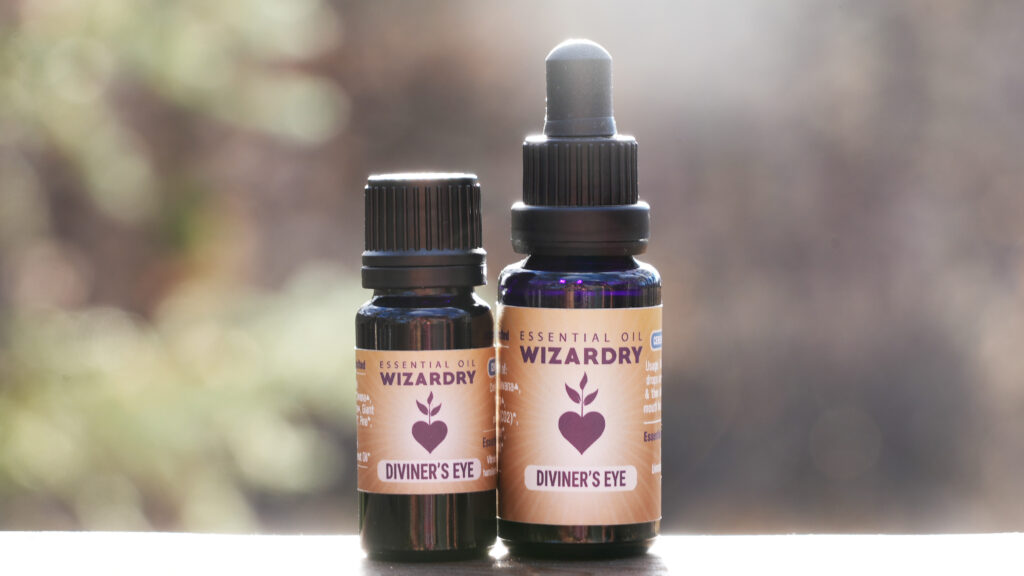
At Essential Oil Wizardry, we work with both essential oils and tinctures because we believe plants deserve to be met in the forms that suit them best. Founded by Dr. Nick, a holistic-minded, retired pharmacist, our approach honors traditional plant knowledge while bringing careful attention to sourcing, formulation, and energetic integrity. More than 95% of what we carry is organic or wildcrafted, unsprayed, and prepared with genuine care for the plant and the person receiving it.
In this article, we will explore the key differences between essential oil tinctures and oils, how each is made, how each is used, and how to decide which one aligns with your goals.
A Tale Of Two Preparations: Essential Oils And Tinctures Defined
Essential oils and tinctures share a common starting point: the plant. But from there, the paths diverge in meaningful ways. Understanding what each preparation actually is, and how it comes to be, makes it easier to appreciate why each one behaves differently in practice.
Essential oils are concentrated volatile aromatic compounds extracted from plant material, most commonly through steam distillation or cold pressing. They carry the plant’s scent and energetic signature in a highly concentrated, oil-soluble form. A single drop contains a remarkable concentration of aromatic molecules, which is part of why essential oils are used sparingly and always diluted before skin application. In esoteric wisdom and alchemical studies, it is said that the soul of the plant is found in the essential oil.
Botanical tinctures, by contrast, are liquid plant extracts made by steeping plant material in a solvent, traditionally alcohol, to draw out a broad range of the plant’s constituents. The result is a water-and-alcohol-based preparation that captures compounds which are not oil-soluble and therefore not present in essential oils at all. Tinctures have been a cornerstone of traditional herbal practice across many cultures for centuries, valued for their accessibility, versatility, and ability to preserve plant material.
The Core Differences Between Essential Oil vs Tincture
The most fundamental difference between an essential oil and a tincture lies in what they capture from the plant and how the body encounters those compounds. Essential oils are aromatic, oil-soluble, and primarily experienced through inhalation or topical application. Tinctures are water-soluble preparations primarily intended for internal use, and they contain a different profile of plant compounds than essential oils from the same plant.
This means that an essential oil and a tincture made from the same plant are not interchangeable. They are two different lenses through which the plant reveals itself, each offering something the other cannot. Knowing this distinction helps you approach each preparation with appropriate expectations and the right kind of respect.
Herbal Tincture Benefits And How Botanical Tinctures Are Used
Botanical tinctures have a long and well-documented history in traditional plant-based practices around the world. Their longevity as a preparation speaks to their practicality: they are stable, easy to dose, and accessible to a wide range of people regardless of their prior experience with plant medicine.
The Time-Honored Tradition Behind Botanical Tinctures
Traditionally, herbal tinctures were prepared by skilled herbalists who understood which plants responded well to alcohol extraction and which constituents they were seeking to preserve. The alcohol served not only as a solvent but also as a preservative, extending the shelf life of the preparation significantly compared to teas or fresh plant extracts.
Today, tinctures continue to be valued for these same qualities. They offer a way to work with plants internally, often in small, precise amounts that can be adjusted based on personal experience and preference. Many people incorporate tinctures into their daily routines as part of a broader plant-based practice, pairing them with aromatic essential oils for a more complete sensory experience.
Ultrasonic Tinctures: Where Ancient Craft Meets Modern Precision
At Essential Oil Wizardry, we also offer a line of ultrasonic extracts, which represent a more contemporary approach to tincture preparation. Ultrasonic extraction uses sound wave technology to accelerate and refine the extraction process, producing a preparation that captures a broader and more nuanced range of plant constituents than traditional alcohol soaking alone.
This method preserves the integrity of delicate compounds that might otherwise be altered by heat or extended processing time. The result is a tincture-style preparation with exceptional clarity and depth, reflecting our commitment to honoring both the plant and the person working with it. You can feel the intelligence of the plant, and experience the full-range of a plant’s therapeutic expression with our Ultrasonic Tinctures.
Essential Oils: Aromatic Depth And Sensory Exploration
Essential oils occupy a different space in plant practice than tinctures do. Their primary home is in the aromatic realm, where scent becomes a vehicle for presence, ritual, and sensory exploration. They are also widely used in topical applications, personal care, and botanical perfumery, always with appropriate dilution in a carrier oil.
How Essential Oils Are Experienced In Practice
The experience of working with an essential oil begins with the nose. Inhalation is one of the most immediate and accessible ways to engage with a plant’s aromatic character, and diffusion allows that character to shape the atmosphere of an entire space. Many people find that certain oils become anchors in their personal rituals, a particular scent associated with morning intention-setting, creative work, or evening unwinding.
Topically, essential oils offer a skin-close encounter with the plant that combines aromatic experience with physical sensation. Our guide on how to use essential oils covers dilution ratios, application methods, and practical starting points for those building their own practice. Our full Essential Oils Collection reflects years of careful curation, with each oil selected for its quality, aromatic character, and energetic integrity.
Deciding Which Preparation Suits Your Intentions
With a clearer picture of what both preparations offer, the question of which one is right becomes less about comparison and more about alignment with your own intentions and lifestyle. There is no universal answer, only the one that makes sense for where you are in your practice right now.
Aligning Your Choice With Your Goals
Here are a few ways to think through the decision:
- If your primary interest is aromatic experience, space-clearing, ritual diffusion, or skin-contact blending, essential oils are likely the more natural fit.
- If you are drawn to internal plant preparations and want to incorporate a broader range of plant constituents into your daily routine, botanical tinctures may offer what you are looking for.
- If you are new to plant-based practice, starting with essential oils often provides the most accessible entry point, given the wealth of resources available around their use, dilution, and blending.
- If you are experienced with essential oils and curious to go deeper, adding tinctures to your practice can open up new dimensions of your relationship with familiar plants.
- If you prefer not to ingest any formulations, you may opt for our essential oils and blends, while avoiding our line of ultrasonic & essential oil tinctures.
Many people find that both preparations have a natural home in their lives, used at different times and for different purposes. A tincture in the morning, an evening diffusion, a topical blend for ritual bodywork. These are complementary choices, each enriching the overall relationship with plant wisdom.
As with everything we carry at Essential Oil Wizardry, both our essential oils and our tinctures are prepared with integrity from start to finish. Our FAQ is a helpful starting point for any specific questions about sourcing, usage, or finding the right preparation for your practice.
Final Thoughts
The question of essential oil tinctures vs oils is ultimately a question of relationship. How do you want to meet the plant? Through its fragrance, its topical presence, or its internal expression? All of these are valid pathways, and all of them carry their own depth and tradition.
At Essential Oil Wizardry, we are glad to support whatever path feels most aligned for you. We believe that plants have more to offer than any single preparation can fully capture, and that an open, curious approach to both essential oils and tinctures is one of the most rewarding ways to explore what the botanical world has to give.
Frequently Asked Questions About Essential Oil Tinctures vs Oils
What is the main difference between an essential oil and a tincture?
Essential oils are concentrated aromatic extracts, primarily oil-soluble and used aromatically or topically. Tinctures are liquid plant extracts made with a solvent such as alcohol, capturing a different range of plant constituents and typically intended for internal use. The two are distinct preparations that offer different ways of engaging with the same plant.
Can essential oils and tinctures be used together?
Yes, many people incorporate both into their practice. They serve different purposes and are experienced in different ways, so using both can create a more layered and complete relationship with a plant. They are not interchangeable, but they can complement each other meaningfully.
Are botanical tinctures safe for everyday use?
Botanical tinctures have a long history of use in traditional plant-based practices. As with any plant preparation, approaching them with care, starting with small amounts, and listening to your body’s responses is always a thoughtful way to begin. Personal discernment and consultation with a qualified practitioner are encouraged, especially for those new to tinctures.
What are ultrasonic tinctures and how are they different from traditional tinctures?
Ultrasonic extraction uses sound wave technology (in the ultrasonic frequency range) to draw plant constituents into solution more quickly & efficiently than traditional alcohol soaking. The result is a preparation with a broader and more nuanced constituent profile, achieved without the use of heat, which can alter delicate plant compounds.
Do essential oils contain the same compounds as tinctures from the same plant?
Not necessarily. Essential oils capture the volatile, oil-soluble aromatic compounds of a plant, while tinctures extract a broader range of constituents, including water-soluble compounds not found in the essential oil. They reveal different aspects of the same plant.
How are essential oils typically used?
Essential oils are most commonly used aromatically through diffusion or direct inhalation, and topically through diluted application in a carrier oil. They are also used in botanical perfumery, personal care formulations, and intentional ritual practice.
What is the shelf life of essential oils and tinctures?
Most essential oils are best used within 2 to 5 years of purchase when stored properly in dark glass away from heat, light, and air. Traditional alcohol-based tinctures generally have a longer shelf life, though storage conditions still matter. Always check the specific guidance provided with your preparation.
Can tinctures be applied to the skin?
Some tinctures can be used topically, though this depends on the specific preparation and the plant involved. As with essential oils, approaching topical application thoughtfully and starting with a small amount to observe your skin’s response is always a good practice.
How do I know which preparation is right for my practice?
The most useful starting point is your intention. If you are drawn to aromatic experience and ritual diffusion, essential oils are a natural fit. If you are interested in internal plant preparations, botanical tinctures offer a different pathway. Many people find that both have a place, and that over time, experience becomes the best guide.
DISCLAIMER:
The information provided is intended for educational and informational purposes only and reflects historical, cultural, and experiential perspectives. It is not intended to diagnose, treat, cure, or prevent any disease, nor should it be interpreted as medical, legal, or professional advice. Individual experiences may vary. Always use personal discernment and consult a qualified professional when appropriate.