


Not every plant with a rich story has crossed into mainstream awareness yet. Bajakah is one of them. A woody vine native to the tropical rainforests of Kalimantan, the Indonesian region of Borneo, bajakah has been part of Dayak traditional medicine for generations. Long known to the communities who live alongside the forest, this plant is only beginning to reach wider attention, and its story is one worth knowing before reaching for the tincture.
-
Ultrasonic Tincture Set (10)
Price range: $222.00 through $377.00 -
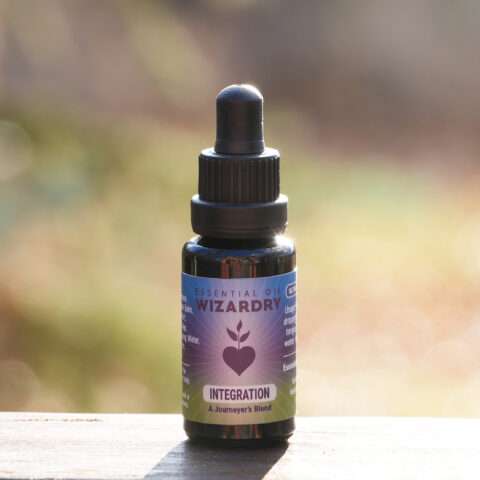
Integration Tincture *Members Only*
Price range: $55.00 through $111.00 -
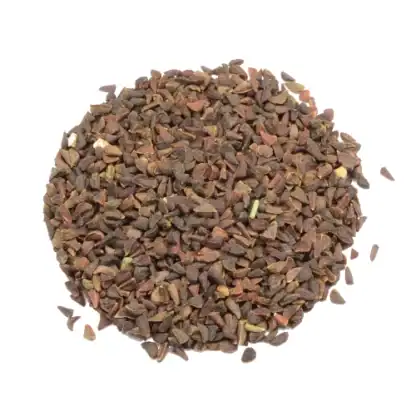
Ultrasonic Syrian Rue Tincture *Members Only*
Price range: $55.00 through $88.00 -
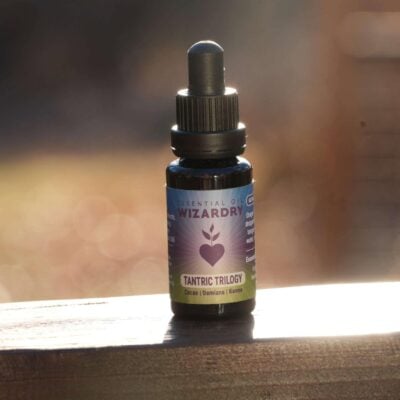
Tantric Trilogy Tincture *Members Only*
Price range: $44.00 through $88.00 -
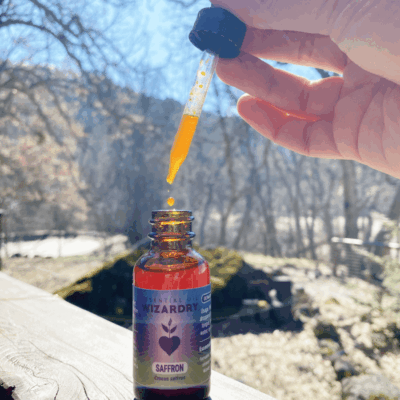
Ultrasonic Saffron Tincture
Price range: $44.00 through $77.00 -
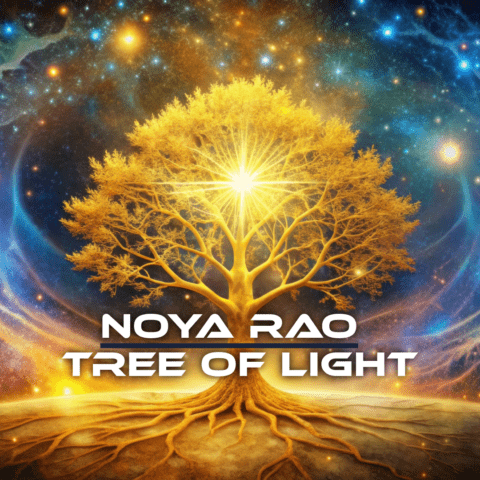
Ultrasonic Noya Rao Tincture *Members Only*
Price range: $44.00 through $77.00 -
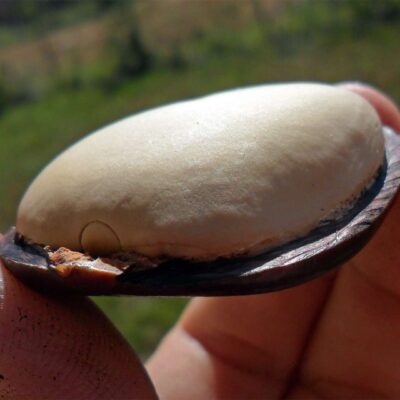
Ultrasonic Dream Seed Tincture *Members Only*
Price range: $44.00 through $77.00 -
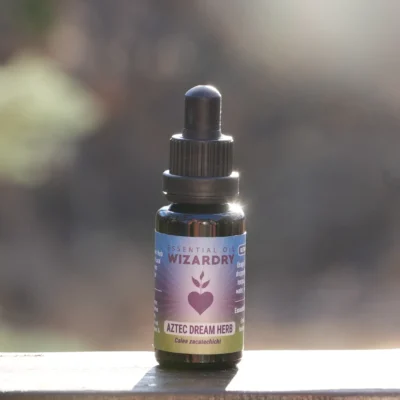
Ultrasonic Aztec Dream Herb Tincture (Calea Zacatechichi Tincture) *Members Only*
Price range: $44.00 through $77.00 -
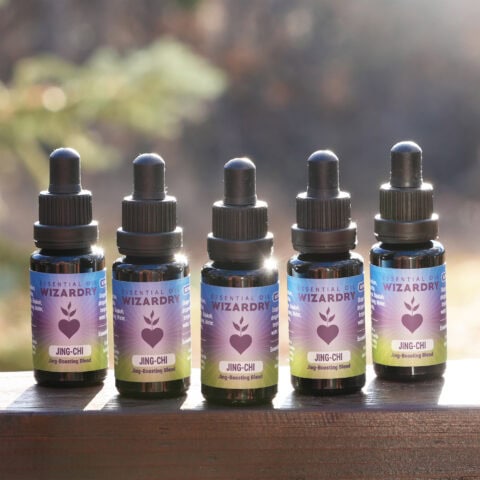
Jing-Chi (Club Members Only)
Price range: $36.00 through $65.00 -
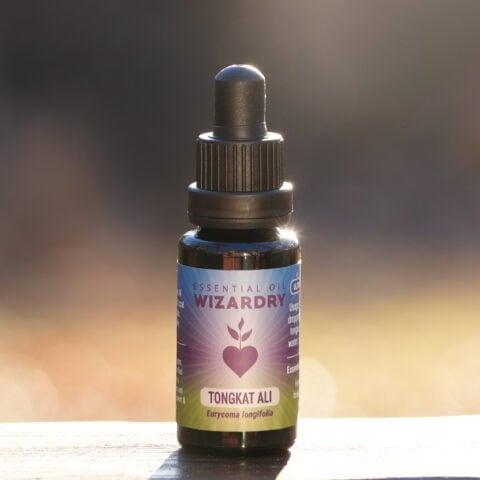
Ultrasonic Tongkat Ali Tincture
Price range: $36.00 through $65.00 -
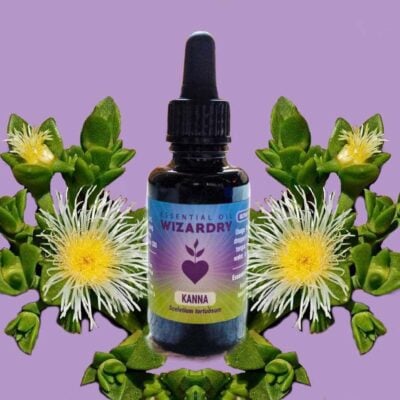
Ultrasonic Kanna Tincture
Price range: $44.00 through $65.00 -
Ultrasonic Kakanga Tincture
Price range: $35.00 through $55.00 -
Ultrasonic Klip Dagga Tincture *Members Only*
Price range: $33.00 through $55.00 -
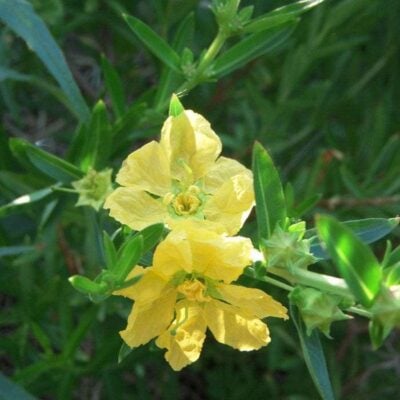
Ultrasonic Heimia “Sun Opener” Tincture *Members Only*
Price range: $33.00 through $55.00 -
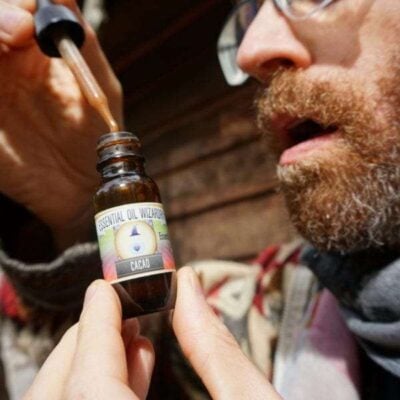
Ultrasonic Cacao Tincture
Price range: $33.00 through $55.00 -
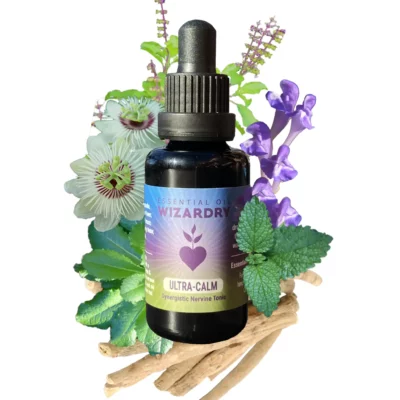
Ultra-Calm Tincture
Price range: $25.00 through $44.00
CHECK OUT OUR BLOG
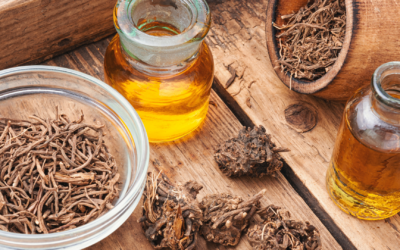
Natural Male Enhancement Tinctures: Tongkat Ali, Epimedium, And Kakanga Compared
A guide to natural male enhancement tinctures, comparing tongkat ali, epimedium, and kakanga root benefits, with insight from Essential Oil Wizardry.
Kanna Tincture vs. Kanna Resin: Which Format Is Right For You?
A guide to kanna tincture vs kanna resin, covering effects, dosing, and how to choose the best kanna format for your practice, from Essential Oil Wizardry.
Rose Absolute vs. Rose Otto: Bulgarian Rose And Rose Bourbon Absolute Compared
A guide to rose absolute, comparing Bulgarian rose absolute and rose bourbon absolute for perfume and ritual use — plus how rose otto (a steam-distilled essential oil) differs — with insight from Essential Oil Wizardry.
Bajakah Plant Medicine And The Dayak Forest Tradition
Bajakah is not a recently discovered botanical. Its story stretches back through generations of indigenous knowledge carefully held and passed down by the Dayak people of Borneo, one of the most botanically rich regions on Earth.
A Vine Rooted In Living Knowledge
The Dayak communities of Kalimantan have lived in close relationship with Borneo’s rainforest for thousands of years, developing a body of plant knowledge as layered and intricate as the forest itself. Within that tradition, bajakah, known scientifically as Spatholobus littoralis, has long occupied a significant place. The bark and woody stem of the vine are the parts traditionally prepared and worked with, passed down as part of a living knowledge system tied directly to the land. This is bajakah plant medicine at its root: not a supplement trend, but a forest inheritance.
Our team works with a supplier who lives with a tribe in Borneo, and this tribe wild-harvests the Bajakah and has provided it to Essential Oil Wizardry.
What Places Bajakah Among Valued Forest Botanicals
Bajakah belongs to a category sometimes described as “forest tonics” in Bornean traditional practice, plants associated with vitality and general wellness rather than acute intervention. The vine is rich in phenolic compounds and flavonoids, families of plant constituents associated with antioxidant character across many botanical traditions worldwide. Its growing presence in contemporary wellness communities reflects a broader appreciation for the depth of knowledge embedded in indigenous forest medicine, and the plants it has long centered.
Bajakah Tincture Benefits And What Traditional Use Tells Us
Bajakah tincture benefits are understood most honestly through the lens of traditional practice and emerging ethnobotanical research, rather than specific clinical claims. This is a plant with a rich contextual history, and that history deserves to be read on its own terms.
A Phytochemically Interesting Botanical
Bajakah contains a range of secondary metabolites including tannins, flavonoids, and saponins that have attracted growing research interest. The Dayak tradition of working with bajakah reflects a long-standing empirical relationship with these compounds, developed through careful observation across many generations. Approaching bajakah tincture benefits through this lens, as a plant with meaningful traditional standing and a complex phytochemical profile, gives the most accurate picture of what it offers.
Building A Practice Around Bajakah
Bajakah is most meaningfully worked with as part of a broader botanical practice rather than in isolation. Like many rainforest plants, it carries a depth that rewards consistency and attentiveness. Those who approach it with patience over several weeks tend to describe a felt sense of vitality and support that builds gradually rather than arriving all at once.
Amazonian Tincture Traditions And The Larger Rainforest Legacy
Bajakah comes from Borneo, but its tradition shares something essential with the great lineages of Amazonian tincture and plant medicine: a profound, place-specific body of knowledge developed over generations by people who live in genuine relationship with the forest.
Two Rainforests, One Shared Understanding
Amazonian tincture traditions have opened many people in the West to the extraordinary botanical intelligence carried in tropical rainforests. Borneo’s rainforest is among the oldest and most biodiverse on Earth, and the plant knowledge of its indigenous communities reflects that richness with equal depth. Bajakah is one window into that world, one that rewards the same quality of curiosity and respect that the Amazon’s botanical traditions have inspired. For those interested in exploring South American rainforest botanicals alongside Borneo’s, Bobinsana Tincture offers a compelling entry point into Amazonian plant medicine, rooted in its own rich indigenous heritage. Both traditions, separated by oceans, share a common recognition: the forest holds knowledge that modern practice is only beginning to appreciate.
Bajakah Tincture Dosage And Starting Your Practice
Guidance on bajakah tincture dosage follows the same principle that applies across most botanical preparations: begin at the lower end of the suggested range, take note of your personal response, and adjust gradually.
A Measured, Attentive Beginning
A starting point of 1 to 2 ml taken once or twice daily is appropriate for most adults. Bajakah tincture is best taken sublingually or added to a small amount of warm water, and consistent use over several weeks gives the most meaningful indication of how the plant works for you. Because bajakah is less familiar in Western botanical practice than some other plants, starting slowly and building a personal understanding of how your body responds is especially worthwhile. For those weighing how a tincture format differs from other botanical preparations, Essential Oil Tinctures Vs Oils offers a clear comparison. Those building a practice that includes rest-oriented botanicals alongside more restorative daytime plants may also find value in Best Tinctures For Sleep.
Bajakah In Our Tincture Collection: What To Pair It With
Our Ultrasonic Bajakah Tincture is prepared with the integrity and care that defines our full tincture range. For those building a broader botanical practice alongside bajakah, several of our other preparations pair naturally with it.
Our Ultrasonic Ashwagandha Tincture brings Ayurvedic grounding that sits well alongside bajakah’s more activating character. Our Ultrasonic Reishi Tincture draws on Traditional Chinese Medicine’s most revered mushroom, associated with deep vitality and longevity, a natural tonal companion for a plant like bajakah. Our Ultrasonic Tongkat Ali Tincture shares bajakah’s Southeast Asian botanical heritage and is valued across the region for its energizing and restorative associations, and helps to bolster a nice synergy of vitality and perceived strength. And our Ultrasonic Saffron Tincture adds a mood-uplifting, luminous quality to a practice anchored in deeper forest botanicals, offering a lighter counterpoint to bajakah’s earthier character.
To understand what sets our ultrasonic preparations apart from conventional tincture extraction, What Are Ultrasonic Extracts explains the method clearly. All our tinctures are crafted in small batches, vibrationally enhanced, and stored away from heat, light, and air. They are best used within 2 to 5 years of purchase.
Frequently Asked Questions About Bajakah Tincture
What is bajakah?
Bajakah is a woody vine native to the tropical rainforests of Kalimantan, the Indonesian portion of Borneo. Known scientifically as Spatholobus littoralis, it has been used for generations in Dayak traditional medicine and is now gaining broader attention in global wellness communities.
What does bajakah tincture taste like?
Bajakah tincture has an earthy, mildly astringent, woody flavor characteristic of its bark-based preparation. Most people take it sublingually or diluted in warm water.
How should bajakah tincture dosage be approached?
A starting point of 1 to 2 ml once or twice daily is a reasonable range for most adults. Beginning at the lower end and building gradually while staying attentive to personal response is the most thoughtful approach.
Can bajakah be combined with other botanical tinctures?
Many people work with bajakah alongside other preparations such as ashwagandha, reishi, or tongkat ali. Starting with bajakah alone before introducing others gives a clearer baseline for understanding how the plant works for you personally.
Is bajakah tincture safe for daily use?
Bajakah has a history of traditional use in Bornean communities. As with any botanical preparation, personal attentiveness is the best guide. Those with specific health considerations should consult a qualified practitioner before beginning.
How should bajakah tincture be stored?
Keep it sealed in a cool, dark place away from heat, light, and air. Like all our botanical preparations, it is best used within 2 to 5 years of purchase.
DISCLAIMER:
The information provided is intended for educational and informational purposes only and reflects historical, cultural, and experiential perspectives. It is not intended to diagnose, treat, cure, or prevent any disease, nor should it be interpreted as medical, legal, or professional advice. Individual experiences may vary. Always use personal discernment and consult a qualified professional when appropriate.