


Fruit flies materialize with quiet persistence, appearing near ripening produce, drains, and compost bins almost overnight. For those who keep a chemical-free kitchen, synthetic sprays are off the table. Several aromatic plant compounds have a well-documented ability to deter fruit flies and gnats, and many of the oils that work best happen to smell wonderful in a kitchen setting.
CHECK OUT OUR BLOG
Natural Male Enhancement Tinctures: Tongkat Ali, Epimedium, And Kakanga Compared
A guide to natural male enhancement tinctures, comparing tongkat ali, epimedium, and kakanga root benefits, with insight from Essential Oil Wizardry.

Kanna Tincture vs. Kanna Resin: Which Format Is Right For You?
A guide to kanna tincture vs kanna resin, covering effects, dosing, and how to choose the best kanna format for your practice, from Essential Oil Wizardry.

Rose Absolute vs. Rose Otto: Bulgarian Rose And Rose Bourbon Absolute Compared
A guide to rose absolute, comparing Bulgarian rose absolute and rose bourbon absolute for perfume and ritual use — plus how rose otto (a steam-distilled essential oil) differs — with insight from Essential Oil Wizardry.
Why Fruit Flies And Gnats Respond To Aromatic Plant Compounds
Fruit flies and fungus gnats navigate primarily through olfactory and chemical signals, locating fermenting matter, moist soil, and food sources through highly sensitive chemoreceptors. When aromatic plant compounds flood their sensory environment, they experience an olfactory overwhelm they consistently avoid.
The Science Behind Essential Oil Fruit Fly Deterrence
Research in the Journal of Economic Entomology documented that botanical essential oil compounds including linalool, eugenol, and menthol produced significant repellent effects against Drosophila melanogaster, the common fruit fly. A review in Pest Management Science confirmed strong deterrent activity against several small fly and gnat species.
Essential oil fruit fly repellents work through olfactory disruption and surface contact aversion. Consistent reapplication maintains effectiveness. Our guide on how to use essential oils covers dilution, application, and safety for household use.
Essential Oil For Gnats: Setting Realistic Expectations
Botanical deterrents are most effective when applied systematically to breeding sites, entry zones, and surface areas where fruit flies congregate, before populations establish themselves. Our guide on essential oils for spring covers building a seasonal kitchen pest deterrent routine during peak fruit fly activity.
Peppermint Oil Fruit Flies: The Most Potent Kitchen Deterrent
Peppermint is the most extensively studied and consistently effective essential oil for fruit fly and gnat deterrence, and one of the most kitchen-appropriate botanicals in our collection.
How To Get Rid Of Fruit Flies With Peppermint Oil
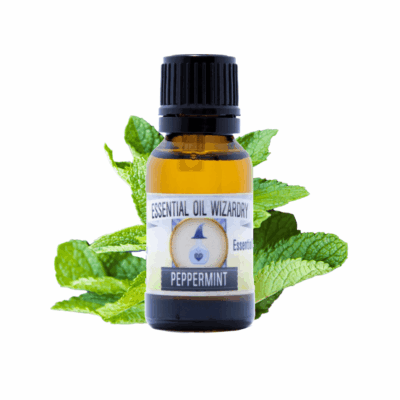
Peppermint Oil’s high menthol content creates an aromatic intensity that fruit flies and gnats find strongly aversive. A diluted spray of 20 drops in a 30ml water-and-castile-soap solution applied to countertops, sink edges, drain surrounds, and produce storage areas creates a barrier fruit flies avoid.
Cotton balls saturated with peppermint placed near fruit bowls, under sinks, and near compost bins work as slower-releasing deterrents. Refresh every three to four days. Our Peppermint Oil is organically sourced from India and South Africa.
Lemon And Eucalyptus: Bright Companions For Peppermint
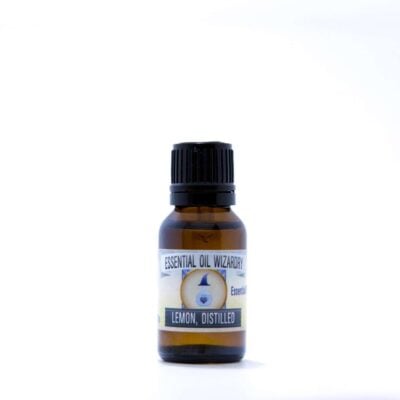
Lemon Oil’s d-limonene and citral content contribute deterrent activity that complements peppermint in a kitchen spray blend. Citrus-derived terpenes have been documented for aversive effects on small fly species, and lemon’s aroma makes it pleasant for regular kitchen use. Our Lemon Oil is hydrodistilled to reduce phototoxic risk.
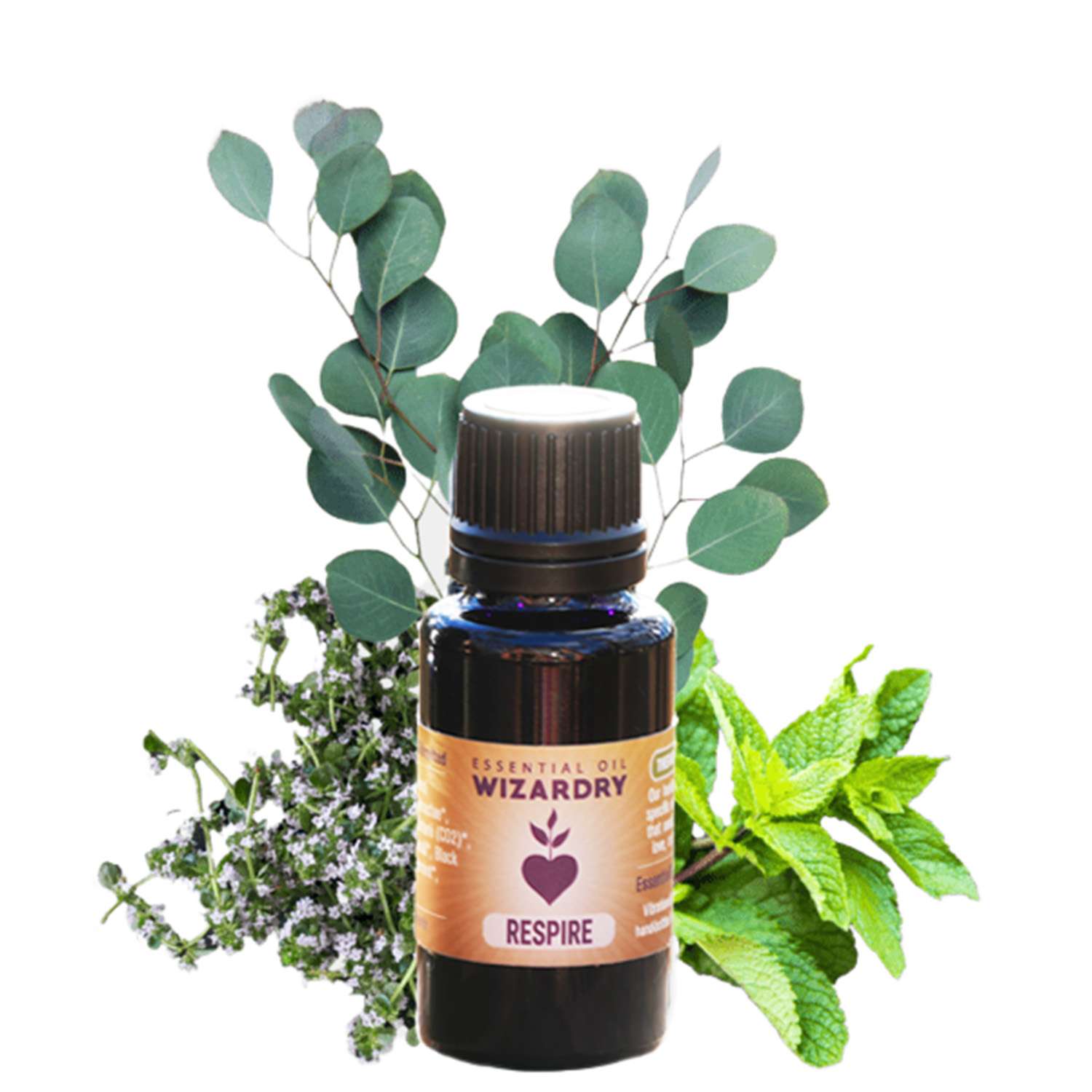
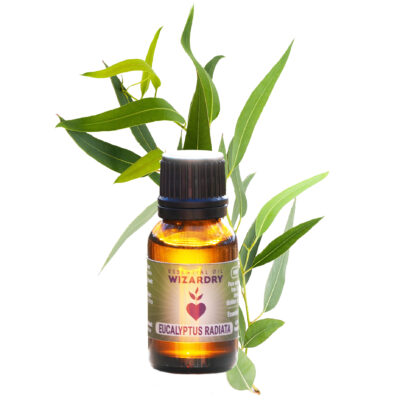
Eucalyptus Oil adds its camphoraceous, high-cineole aromatic presence to a fruit fly deterrent blend, particularly effective around drain openings and under-sink areas where fungus gnats congregate. Our Eucalyptus Oil is organically sourced and steam distilled.
Lemongrass For Fruit Flies: The Overlooked Botanical
Lemongrass is one of the most traditional and cross-culturally documented aromatic pest deterrents in the world, used across Southeast Asia and West Africa for repelling flying insects from food storage spaces.
Why Lemongrass Belongs In Your Fruit Fly Routine
Lemongrass essential oil’s citral content, specifically its geranial and neral components, creates a strong olfactory deterrent for fruit flies and gnats. A study in Bioresource Technology documented that lemongrass oil preparations produced some of the highest repellency rates among botanical preparations tested against Drosophila species.
Our Lemongrass Essential Oil carries these citral-rich compounds in their natural form, organic and wildcrafted for full-spectrum potency. For those building out a broader botanical pest-deterrent toolkit, our Citronella Essential Oil — a close botanical relative in the Cymbopogon family — offers a complementary, sharper aromatic profile that pairs well alongside lemongrass.
Lavender, Tea Tree, And Sweet Basil: Rounding Out The Toolkit
Three botanicals in our collection fill important supporting roles in a fruit fly deterrent practice, each contributing distinct aromatic dimensions that extend coverage beyond what peppermint and lemon alone provide.
Lavender And Tea Tree: Gentle Broad-Spectrum Support
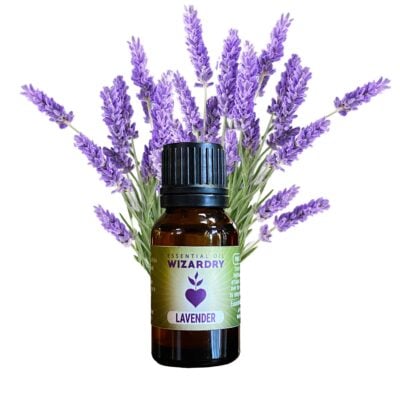
Lavender Essential Oil’s linalool content has been documented for deterrent activity against multiple small fly species. Its gentler aromatic character makes it most suitable for bedroom and living area deterrence. Applied to cotton balls where fruit flies have been spotted outside the kitchen, it provides background deterrence.
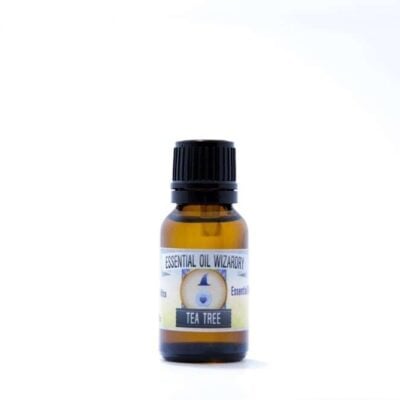
Tea Tree Oil’s terpinen-4-ol content contributes antimicrobial surface properties and insect-aversive aromatic presence. Applied diluted to drain openings, compost bin lids, and under-sink cabinet interiors, it addresses the aromatic deterrent layer and the surface environment that fungus gnats find attractive. Our guide on essential oils for ants covers how many of these botanicals extend across multiple pest concerns.
Sweet Basil: The Kitchen-Native Deterrent
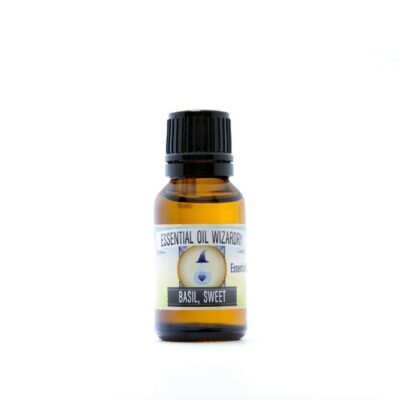
Sweet Basil Essential Oil carries a deep traditional connection to kitchen pest deterrence. Basil plants have been grown on kitchen windowsills across Mediterranean and Southeast Asian households for centuries because their aroma repels flies, and the concentrated oil brings that deterrent activity to a more potent form.
Our Sweet Basil Essential Oil is steam distilled from organically cultivated plant material. A few drops diffused during meal preparation, or applied diluted to a cotton ball near a produce bowl, creates an aromatic environment fruit flies find inhospitable while adding a herbal note to your kitchen.
Caring For Your Fruit Fly Deterrent Botanicals
Keep all repellent oils sealed in a cool, dark cabinet away from heat and direct light. Like all of our products, these botanicals are best used within 2 to 5 years of opening.
Frequently Asked Questions About Essential Oils For Fruit Flies
What essential oils keep fruit flies away most effectively?
Peppermint, lemon, and sweet basil are the most consistently documented botanical deterrents for fruit flies and gnats. Peppermint has the strongest research support, while basil and lemon provide complementary deterrence well suited to kitchen environments.
How do I get rid of fruit flies with essential oils?
Apply a diluted peppermint or lemon spray to countertops, drain surrounds, and produce storage areas daily. Place peppermint or basil cotton balls near fruit bowls and compost bins, refreshing every three to four days.
Does peppermint oil work on gnats as well as fruit flies?
Yes. Peppermint oil’s menthol content produces aversive responses in both fruit flies and fungus gnats. For gnats, applying diluted peppermint or tea tree to drain openings and moist soil surfaces addresses their preferred breeding areas.
Are these oils safe to use in a kitchen around food?
Diffusing and cotton ball applications are generally safer in food prep areas than surface sprays. Avoid direct contact between essential oils and food. Lavender, basil, and lemon are the most kitchen-appropriate options.
What is the best way to store fruit fly deterrent essential oils?
Keep all bottles sealed in a cool, dark cabinet away from heat and direct light. Our fruit fly deterrent botanicals are best used within 2 to 5 years of opening.
Lorum Ipsum dolor sit amet
Lorem ipsum dolor sit amet, consectetur adipiscing elit, sed do eiusmod tempor incididunt ut labore et dolore magna aliqua. Ut enim ad minim veniam, quis nostrud exercitation ullamco laboris nisi ut aliquip ex ea commodo consequat. Duis aute irure dolor in reprehenderit in voluptate velit esse cillum dolore eu fugiat nulla pariatur. Excepteur sint occaecat cupidatat non proident, sunt in culpa qui officia deserunt mollit anim id est laborum.
DISCLAIMER:
The information provided is intended for educational and informational purposes only and reflects historical, cultural, and experiential perspectives. It is not intended to diagnose, treat, cure, or prevent any disease, nor should it be interpreted as medical, legal, or professional advice. Individual experiences may vary. Always use personal discernment and consult a qualified professional when appropriate.
Sources:
- Miresmailli, S., & Isman, M. B. (2014). Botanical insecticides inspired by plant-insect chemical ecology. Trends in Plant Science, 19(1), 29–35. https://doi.org/10.1016/j.tplants.2013.10.002
- Pavela, R. (2015). History, presence and perspective of using plant extracts as commercial botanical insecticides and insect repellents. Plant Protection Science, 51(4), 229–241.