


When ants begin appearing along kitchen counters, baseboards, or doorways, many households reach for the most convenient solution available. But for those living with intention, conventional pest sprays often feel like a step backward. If you’re someone who prefers plant-based products and avoids synthetic chemicals in the home, picking an essential oil for ants can be an effective alternative. This way, you’re relying on concentrated aromas that have long been observed to influence insect behavior.
CHECK OUT OUR BLOG
Natural Male Enhancement Tinctures: Tongkat Ali, Epimedium, And Kakanga Compared
A guide to natural male enhancement tinctures, comparing tongkat ali, epimedium, and kakanga root benefits, with insight from Essential Oil Wizardry.

Kanna Tincture vs. Kanna Resin: Which Format Is Right For You?
A guide to kanna tincture vs kanna resin, covering effects, dosing, and how to choose the best kanna format for your practice, from Essential Oil Wizardry.

Rose Absolute vs. Rose Otto: Bulgarian Rose And Rose Bourbon Absolute Compared
A guide to rose absolute, comparing Bulgarian rose absolute and rose bourbon absolute for perfume and ritual use — plus how rose otto (a steam-distilled essential oil) differs — with insight from Essential Oil Wizardry.
Why Choose An Essential Oil To Get Rid Of Ants?
We love them, we use them every day, and we sell hundreds of different kinds, but what are essential oils? Put simply, they’re the volatile aromatic molecules found inside plants that are responsible for their flavor and fragrance. Now that you know what these oils are, it’s time to get a good grasp on ant behavior. Knowing these mechanisms makes the use of essential oils for ant control feel less like a folk remedy and more like working intelligently with how these insects move through the world.
Ants Heavily Depend On Scent
Ants rely almost entirely on scent to organize their activity. When a scout ant locates a food source, it lays an invisible pheromone trail on the way back to the colony. Other ants follow that trail with remarkable precision, and as more ants travel the same path, the signal intensifies, which is why ant lines can appear overnight and grow quickly.
How An Essential Oil For Ant Repellent Disrupts Ant Trails
Essential oils work by overwhelming or masking these delicate chemical signals. The aromatic compounds in concentrated plant oils are unfamiliar to ants. When applied along trails, entry points, or common pathways, the scent creates a sensory disruption that makes the treated area difficult to navigate. Ants may hesitate, reverse, or reroute, especially when the oil is reapplied regularly enough to maintain the aromatic barrier.
Working With Oils As A Natural Deterrent
This is not a permanent elimination. Ants are persistent, and the colony remains active wherever it’s established. But consistent use of essential oil barriers, combined with basic habits around food storage and entry point management, might help lessen in-home ant activity without introducing synthetic chemicals into your living space.
Does Mint Get Rid Of Ants? The Case For Peppermint
Peppermint is the most commonly cited essential oil for ants. The same cooling menthol content that makes it refreshing to humans is disruptive to the sensory system ants depend on. Their antennae are extraordinarily sensitive to chemical signals, and the intensity of peppermint’s aromatic compounds may overwhelm the trail signals they follow.
Why Peppermint Is A Staple In Plant-Based Home Care
So, does mint get rid of ants? Not in the sense of eliminating a colony, but when it’s constantly applied along known pathways and entry points, peppermint creates a scent barrier that ants are noticeably reluctant to cross. Many households find it especially effective in kitchens and pantry areas, where food scents would otherwise draw scout ants in.
How To Use Peppermint Oil For Ant Control
A diluted spray tends to be the most practical delivery method. To start, add 10–15 drops of peppermint oil to a spray bottle with water and a small amount of liquid soap, which helps the oil emulsify rather than separating. Spray along baseboards, windowsills, door frames, and any visible ant trails. Reapply every few days, or whenever the scent noticeably fades. For enclosed areas where spraying isn’t practical, use cotton balls with a few undiluted drops placed in cabinet corners, under the sink, or in pantry spaces to create concentrated scent barriers.
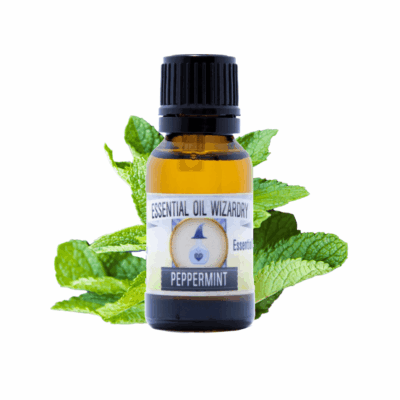
At Essential Oil Wizardry, our Peppermint Oil is organically sourced from India and South Africa, steam distilled, and rich in menthol. It’s one of our most-used single oils for good reason. Its applications run from digestive support and headache relief to natural household pest deterrence. All in all, one bottle earns its place many times over!
Does Tea Tree Oil Keep Ants Away? A Bold Herbal Barrier
Tea tree offers a different aromatic profile than peppermint. It’s often described as sharper, more medicinal, and earthier. However, the common thread is that ants tend to avoid it for the same reason they steer clear of peppermint: the scent is intense and unfamiliar.
How To Use A Tea Tree Oil Ant Repellent
Use the same diluted spray approach as peppermint. Usually, 10–15 drops per spray bottle of water with a small amount of soap is enough. Apply it along floor edges, window frames, and wall gaps where ants commonly enter. Tea tree also integrates easily into mopping water or cleaning solutions for floors and surfaces, which maintains the aromatic barrier through regular cleaning rather than as a separate step. For particularly active entry points, place a cotton ball with a few drops of undiluted tea tree directly in or near the gap.
Tea Tree Oil: A Versatile Household Staple
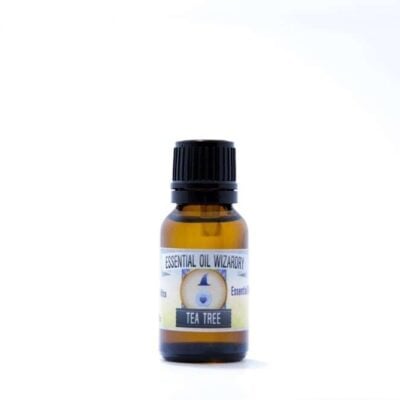
Our organic Tea Tree Oil is steam distilled and sourced with careful attention to plant purity and unsprayed cultivation. It’s a true multi-use oil, equally at home in a plant-powered cleaning routine or a well-stocked medicine cabinet. Although it’s a multifaceted oil that tends to be well-tolerated when diluted properly, it should be kept away from cats and dogs. Animals are typically more sensitive to certain plant compounds than humans, so when using tea tree in shared spaces, apply it in areas pets can’t access and ensure good ventilation.
Lemongrass: Bright Citrus That Disrupts Ant Trails
Lemongrass rounds out the essential trinity for ant management with a lively aroma that freshens up your space while being disruptive to an ant’s sense of smell. Its high citral content (the same compound that gives it its characteristic lemony character) creates an aromatic intensity that ants find difficult to work around.
Lemongrass As A Gentle Yet Effective Deterrent
Lemongrass works particularly well in living areas and entryways where peppermint or tea tree might feel too medicinal or intense. Its cheerful character fits seamlessly into everyday home fragrance while still functioning as a deterrent. Many people rotate between peppermint, tea tree, and lemongrass for exactly this reason, using each in different areas based on preference and context, and rotating occasionally to prevent ants from acclimating to a single scent.
A Multi-Purpose Oil Beyond Pest Control
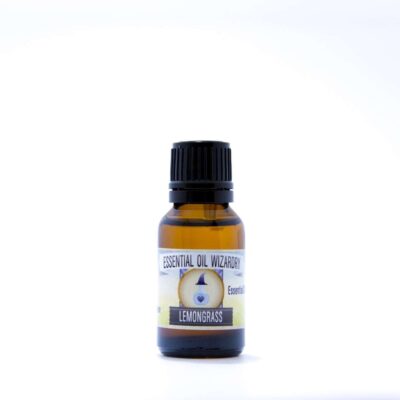
Our Lemongrass Essential Oil is organically cultivated and steam distilled from the leaves and grass of the plant. Beyond its use as an ant deterrent, it’s a beloved culinary oil, a mood-boosting diffuser choice, and a pleasant air freshener. It’s another one of those oils that earns its place in multiple contexts.
How To Use Lemongrass In Your Home Routine
The same diluted spray method applies. Lemongrass is particularly effective along doorways and baseboards in living rooms and entryways where you want deterrent action without an overpowering scent. It blends wonderfully with peppermint for a more powerful combined barrier, or with tea tree for added depth. For a complete guide to diluting, applying, and safely working with essential oils, our post on how to use essential oils covers the fundamentals.
How To Get Rid Of Ants With Essential Oils
Essential oil barriers are most effective as part of a layered approach rather than a single application. Here’s how to build a practical routine:
- Identify Entry Points And Active Trails: Before applying anything, observe where ants are entering and traveling. Common locations include door frames, window edges, pipe gaps, baseboards, and floor cracks. Treatment is most effective when it targets these specific points rather than being applied indiscriminately.
- Prepare Your Spray: Fill a small spray bottle with water, add 10–15 drops of your chosen oil (or a combination of oils), then add a few drops of liquid castile soap to help emulsify. Shake before each use.
- Apply Along Entry Points And Visible Trails: Spray door frames, window edges, baseboards, and any areas where you’ve seen activity. If there are any existing ant trails, wipe them down with diluted tea tree or peppermint before spraying. The logic behind this is that cleaning the pheromone trail first means ants won’t follow it back to a point that now smells like a deterrent.
- Place Cotton Ball Blockades In Enclosed Spaces: Cabinets, pantry corners, under-sink areas, and anywhere food is stored may benefit from a concentrated scent point rather than a spray.
- Reapply Periodically: Essential oils disperse into the air over time. Plan on refreshing sprays every 2–3 days, or more frequently in high-traffic or high-moisture areas. The scent fading is a signal to reapply, not necessarily an indication that the approach isn’t working.
Alongside using essential oils, it helps to support your efforts by storing food in sealed containers, especially anything sweet or starchy. You can also clean surfaces promptly after food prep to clear away lingering scents. For extra peace of mind, sealing visible cracks and gaps at entry points can reduce access, while removing standing water helps minimize additional attractants that may draw ants indoors. As warmer months approach and ant activity typically increases, building this routine early gives you a head start. Our guide on essential oils for spring covers how to refresh your botanical home practice as the season shifts.
Frequently Asked Questions About Essential Oil For Ants
Do essential oils actually repel ants?
What is the best essential oil for ants?
Peppermint, tea tree, and lemongrass are the three most consistently used options, and each works slightly differently. Peppermint is typically rated as the strongest and most direct, while lemongrass brings a lighter, more pleasant scent for living areas. A combination of all three is often more effective than any single oil.
How often do I need to reapply my essential oil for ants?
Every 2–3 days is a solid general guideline, or whenever the scent noticeably fades. High-moisture areas like kitchens and bathrooms may need more frequent application. Consistency matters more than concentration.
Does tea tree essential oil keep ants away long-term?
It can be an effective part of a long-term deterrent routine when applied regularly. No essential oil creates a permanent barrier, but with consistent use, it may help lessen the frequency and volume of ant activity.
Is a diluted spray made from essential oils for ants safe for kitchen surfaces?
Yes! Diluted essential oils in water work wonderfully for most kitchen surfaces. However, avoid applying it directly to unsealed wooden surfaces, as moisture can affect some wood finishes over time.
Are essential oils for ants safe to use around pets?
Tea tree and peppermint in particular should be kept away from cats and dogs. Apply in areas pets don’t access, ensure good ventilation, and avoid direct contact with your animals. Lemongrass is generally considered lower risk, but it should still be used with caution. When in doubt, consult a veterinarian.
Can I use essential oils for ants instead of conventional pesticides?
Essential oils for ants can help reduce in-home ant activity, but they don’t eliminate colonies the way pesticides are designed to. For severe infestations or situations where the colony itself needs to be addressed, professional pest management may still be appropriate alongside a botanical home maintenance routine.
DISCLAIMER:
The information provided is intended for educational and informational purposes only and reflects historical, cultural, and experiential perspectives. It is not intended to diagnose, treat, cure, or prevent any disease, nor should it be interpreted as medical, legal, or professional advice. Individual experiences may vary. Always use personal discernment and consult a qualified professional when appropriate.