


Summer has a rhythm of its own. Warm air lingers past sunset, bare feet meet cool grass, and gatherings stretch long into twilight. Yet alongside that beauty comes a familiar tension. Mosquitoes and other insects follow the same seasonal cues we do, drawn to warmth and movement in the fading light.
CHECK OUT OUR BLOG

Natural Male Enhancement Tinctures: Tongkat Ali, Epimedium, And Kakanga Compared
A guide to natural male enhancement tinctures, comparing tongkat ali, epimedium, and kakanga root benefits, with insight from Essential Oil Wizardry.

Kanna Tincture vs. Kanna Resin: Which Format Is Right For You?
A guide to kanna tincture vs kanna resin, covering effects, dosing, and how to choose the best kanna format for your practice, from Essential Oil Wizardry.

Rose Absolute vs. Rose Otto: Bulgarian Rose And Rose Bourbon Absolute Compared
A guide to rose absolute, comparing Bulgarian rose absolute and rose bourbon absolute for perfume and ritual use — plus how rose otto (a steam-distilled essential oil) differs — with insight from Essential Oil Wizardry.
Citronella Meaning: Plant Origins And Botanical Identity
Before citronella becomes part of a summer spray or patio blend, it grows in dense, fragrant clusters under humid sun and tropical soil. Getting to know the plant behind the oil helps us work with it more intentionally, and with greater respect for what it offers.
The Botanical Roots Of Citronella Grass
Citronella essential oil is steam distilled from the leaves and stems of Cymbopogon grasses, primarily Cymbopogon nardus (Ceylon type) and Cymbopogon winterianus (Java type). Both thrive in tropical climates and are harvested when their aromatic content is at its peak.
Dr. Nick has worked with both varieties over the years. He sourced the Ceylon type from Sri Lanka for years before moving to the Java type, which offers a more complex, layered aromatic profile with a crisper citrus character. Our current Citronella Essential Oil is sourced organically and wildcrafted from India, Sri Lanka, and Nepal, steam distilled to preserve its bright aromatic clarity. Sourcing matters deeply here. Careful cultivation and meticulous distillation preserve the oil’s chemical balance and aromatic vitality. At Essential Oil Wizardry, unsprayed (pesticide-free) plant material is a baseline, not a bonus.
What Does “Citronella” Actually Mean?
The name citronella reflects its scent: fresh and lemony with woody undertones on the dry down. Traditionally used across Southeast Asia in household practices, cooking, and open-air gatherings, the plant has long been valued for its ability to shift the atmosphere of a space.
In modern aromatherapy and botanical living, citronella is most associated with outdoor comfort and natural insect repellency. Its volatile aromatic compounds, primarily citronellal, geraniol, and citronellol, create an aromatic field that insects tend to avoid.
Citronella Essential Oil As A Mosquito Repellent
Citronella essential oil mosquito repellent is well-known, and for good reason. It’s one of the most studied plant-based ingredients in natural bug repellent formulations. But understanding how it works helps set realistic expectations and supports smarter use.
How Citronella’s Aroma Interacts With Insects
Citronella doesn’t kill insects. Its volatile compounds interact with the scent cues that mosquitoes and other insects use to locate hosts, creating an aromatic disruption that may reduce landings temporarily. Because these compounds evaporate readily into the air, the effect is short-lived. Reapplication every one to two hours during extended outdoor exposure is generally recommended, especially in heat or wind.
Citronella also holds a place in folklore and historical use as an ingredient in candle-making, perfumery, and outdoor torches. All of these applications leverage its tendency to disperse into the surrounding atmosphere and alter the sensory environment.
Using Citronella As Part Of A Broader Strategy
For those building a botanical outdoor kit, citronella works best as one layer of a comprehensive approach rather than a single solution. Heat, wind, and movement all influence how long the aroma holds, so pairing it with complementary oils and reapplying consistently is the most effective strategy. If you’re heading into bug-rich terrain this season, our guide on essential oils for travel covers the broader toolkit worth packing.
How To Make Citronella Oil Blends For Summer Use
One of the most rewarding aspects of working with citronella is blending. Its sharp citrus profile plays well with a wide aromatic family, and knowing how to layer it thoughtfully makes all the difference between an overwhelming scent and an enjoyable outdoor experience.
Blending Basics And Dilution Guidance
Citronella is strong. It contains constituents like citral and citronellal that can be irritating at higher concentrations, so low dilutions are important, especially for topical use. For a DIY bug repellent blend in a carrier oil, Dr. Nick recommends 1–2.5% citronella as a starting point, combined with other supportive botanicals. Always perform a patch test before applying to the whole body, and avoid use on infants and young children. Try to add citronella to these excellent companion oils:
- Lemon Eucalyptus: Lemon eucalyptus is one of the more widely studied plant-derived ingredients used in natural insect-repellent formulations.
- Lavender: Lavender is often included to help soothe the skin and soften the sharper aromatic edge of citronella.
- Peppermint: Peppermint adds a cooling freshness and is sometimes used for its soothing qualities when dealing with occasional insect bites.
Other Ways To Add Citronella To Your Space
Beyond topical blends, there are several simple ways to bring citronella into your outdoor ritual:
- Diffuse It: A few drops in your diffuser can create a pleasantly citrusy atmosphere. Use citronella at a lower percentage in your blend (remember, it’s strong!) and combine it with lemongrass or lavender to round it out.
- Incense: Place a few drops on an incense stick, allow it to dry, and let it do its quiet work at a gathering or on a patio.
- Candles And Torches: Citronella is a classic candle-making ingredient for good reason. Follow appropriate usage rates for your wax or oil base and observe fire safety guidelines.
- Laundry And Soap: Dr. Nick sometimes adds a small amount (0.125–0.25%) to dish soap or laundry detergent for an extra clean, citrus-fresh quality.
For a broader look at seasonal botanical use, our essential oils for spring guide is a great companion read for transitioning your ritual with the seasons.
Meet Our Citronella-Forward Products
Citronella is often the first plant people think of when creating a natural outdoor ritual, but it rarely works alone. At Essential Oil Wizardry, we approach citronella as part of a broader botanical toolkit; one that blends bright aromatics, grounding herbs, and carefully balanced formulations to help shape the atmosphere around you. Whether you prefer working with a pure single oil, a ready-made outdoor blend, or complementary botanicals that round out the experience, these citronella-forward offerings provide several ways to bring plant-based protection and freshness into your outdoor spaces.
Citronella Essential Oil
Our Citronella Essential Oil is the pure, single-essence starting point for any DIY blend. Organic, wildcrafted, and steam distilled from Cymbopogon winterianus, it offers a bright, lemony aroma with mild green and woody undertones. Whether you’re building a custom repellent blend, adding it to candles, or diffusing it into your outdoor space, this is a foundational summer botanical worth having on hand.
Bug Repel: The Ready-Made Outdoor Blend
For those who’d rather skip the measuring and mixing, Bug Repel is Dr. Nick’s artisan-crafted, broad-spectrum outdoor blend, originally inspired by the epic bug epidemic craze that spooked Burning Man in 2015. Since then, it has been refined through years of real-world use across very insect-rich locations around North & South America.
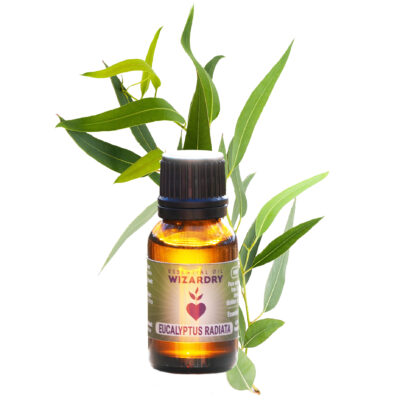
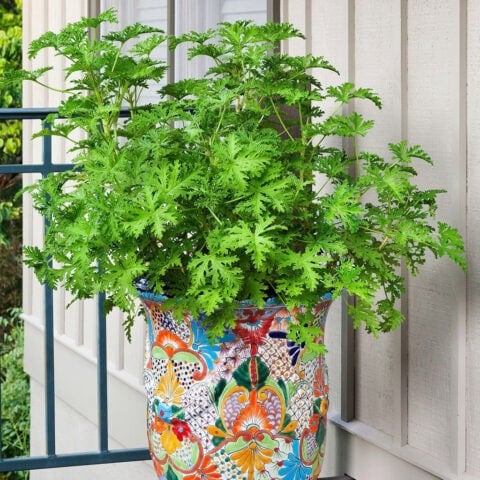
The blend brings together Lemon Eucalyptus and Citronella, both well-studied in bug repellent applications, alongside Peppermint for cooling comfort on active bites, Pink Peppercorn for broad-spectrum coverage, Cinnamon Leaf for its numbing properties, Tea Tree for immune-stimulating support, Lavender to soothe and calm, and Rose Geranium to round out the heart note.
Bug Repel is enhanced with ORMUS, which Dr. Nick finds supports absorption and helps extend the formulation’s duration of effectiveness. It can be applied directly to skin or to clothing, and carries a pleasant, sweet-herbal scent. A patch test is highly recommended for sensitive skin types. If the oil is applied to the clothing, there may be a mild stain – the spray tends to have lower risk/intensity of stains.
Lemongrass Essential Oil: A Natural Companion
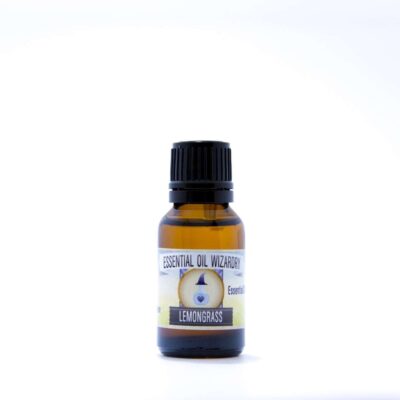
Citronella and lemongrass are botanical relatives, both from the Cymbopogon family, and they blend beautifully together. Where citronella is sharper and greener, our Lemongrass Essential Oil brings a lighter, more herbaceous warmth that softens and brightens any outdoor blend.
Beyond repellent applications, lemongrass carries a long history of use in Southeast Asian traditions, revered for its uplifting qualities and its role in culinary and wellness practices. It’s one of those oils that earns a permanent place in the collection. Dr. Nick has had it in his toolkit since the very beginning.
Is Citronella Poisonous To Humans? Safety Guidance
Safety questions are worth taking seriously, especially for families with children or pets. When properly diluted and used as directed for topical or aromatic applications, citronella essential oil is generally not considered poisonous for healthy adults. That said, essential oils are highly concentrated plant extracts, and citronella in particular contains constituents that might potentially irritate skin at higher concentrations. Respecting dilution is part of working responsibly with plant medicine.
Topical Use And Dilution
For general adult use, topical applications are typically diluted to about 1–2.5% in a carrier oil. Those with sensitive skin may prefer starting with an even lower dilution. It’s important to avoid contact with the eyes, mucous membranes, and broken skin, and to perform a patch test before broader application, especially when trying a new oil for the first time. If any irritation occurs, discontinue use. Ingestion is not recommended, and individual sensitivity can vary, meaning what feels comfortable for one person may feel too strong for another.
Use Around Children And Pets
Extra care is important here. Avoid direct application to infants and young children, and make sure that you have good ventilation if diffusing indoors. Cats are notably more sensitive to essential oils than dogs and humans. Avoid direct application to pets, and if diffusing in shared spaces, allow your furry friend to leave the area freely.
A Note On Inhalation
In normal aromatic applications, like outdoor diffusion, patio blends, and incense, citronella is not considered harmful when inhaled. Prolonged diffusion in small, poorly ventilated indoor spaces may cause discomfort for sensitive individuals, so moderate use and good airflow are always wise. For a broader foundation in safe and intentional botanical use, our guide on how to use essential oils is a helpful reference.
Storing Citronella Essential Oil To Preserve Its Strength
Citronella’s bright, sharp character comes from its highly volatile aromatic compounds, and those same qualities make proper storage worth paying attention to. Heat, light, and air gradually degrade these constituents, softening the oil’s profile and potentially increasing the likelihood of skin sensitivity from oxidized compounds. A few simple habits go a long way:
- Use Dark Glass Bottles: Dark glass limits light exposure. All Essential Oil Wizardry products are stored in amber glass transferred from aluminum or pharmaceutical-grade plastic at time of shipping as a standard practice.
- Keep Away From Heat And Direct Sunlight: Avoid storing on window sills, in cars, or near heat sources. A cool, stable cabinet or drawer is ideal.
- Seal Tightly After Each Use: Air contact is a quiet but consistent factor in oxidation. Make closing your bottles properly a reflexive part of your ritual.
Like all Essential Oil Wizardry products, citronella is best used within 2–5 years when stored with care. A well-kept bottle will maintain its aromatic brightness and remain a reliable companion through multiple seasons.
Frequently Asked Questions About Citronella Essential Oil
What is citronella essential oil made from?
It’s steam distilled from the leaves and stems of Cymbopogon grasses, primarily Cymbopogon nardus (Ceylon) or Cymbopogon winterianus (Java). Essential Oil Wizardry sources the Java type, which carries a more complex, crisp citrus aroma.
How long does the repellent effect last after application?
The aromatic compounds evaporate quickly. Depending on heat, humidity, and wind, reapplication every one to two hours is generally a good practice during extended outdoor use. According to customers, our Bug Repel product typically lasts one to four hours.
How can I make citronella oil more effective for outdoor use?
Rather than simply increasing concentration, which raises the risk of skin sensitivity without meaningfully extending duration, consider reapplying more consistently and blending with complementary oils like Lemon Eucalyptus, Lavender, and Peppermint for a more well-rounded approach.
Does citronella essential oil kill mosquitoes?
No. Citronella works by interfering with scent cues insects use to locate hosts, which may reduce landings temporarily. It does not kill insects.
Can citronella be diffused indoors?
Yes, in well-ventilated spaces and in moderation. Avoid continuous diffusion for extended periods, and ensure good airflow throughout the room.
Why does citronella smell different from lemongrass?
Both come from the Cymbopogon family, but their dominant aromatic compounds differ. Citronella tends toward sharp, green, and woody; lemongrass is sweeter and more citrus-forward. Together, they make a beautiful pairing.
Does citronella essential oil expire?
Like all essential oils, citronella is best used within 2–5 years when stored properly away from heat, light, and air.
DISCLAIMER:
The information provided is intended for educational and informational purposes only and reflects historical, cultural, and experiential perspectives. It is not intended to diagnose, treat, cure, or prevent any disease, nor should it be interpreted as medical, legal, or professional advice. Individual experiences may vary. Always use personal discernment and consult a qualified professional when appropriate.