


Sensitive, reactive skin has a way of demanding your full attention. For those who live with the itch, dryness, and discomfort that comes with skin sensitivity, the search for something gentle enough to help is an ongoing one. Many people who prefer plant-based care have found that certain botanical oils offer meaningful comfort, not by treating the underlying condition but by supporting the skin’s surface with nourishing compounds that work with the body rather than against it.
-
Helichrysum (Immortelle)
Price range: $35.00 through $144.00 -
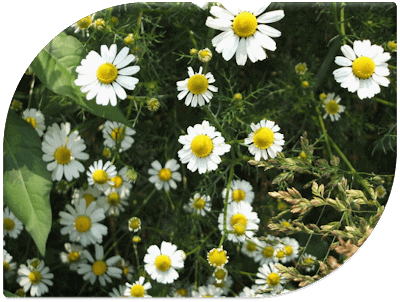
Roman Chamomile
Price range: $45.00 through $85.00 -
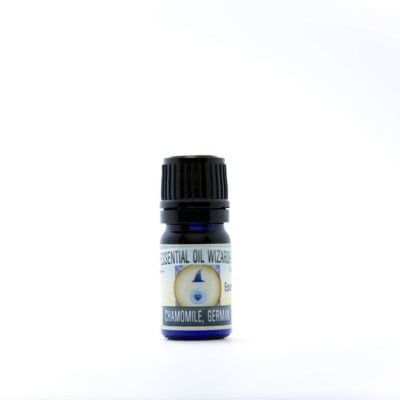
German Chamomile
Price range: $35.00 through $75.00 -
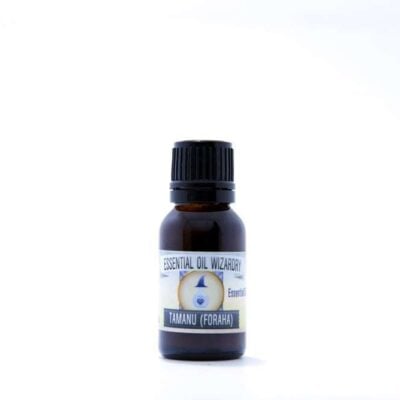
Tamanu (Foraha)
Price range: $25.00 through $55.00 -
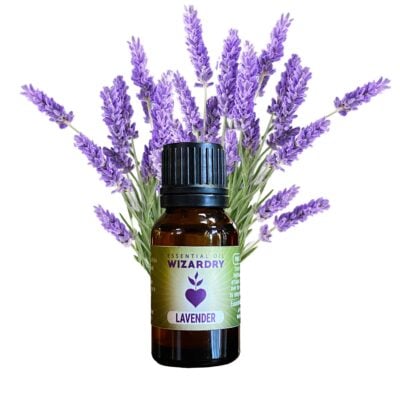
Lavender
Price range: $20.00 through $45.00 -
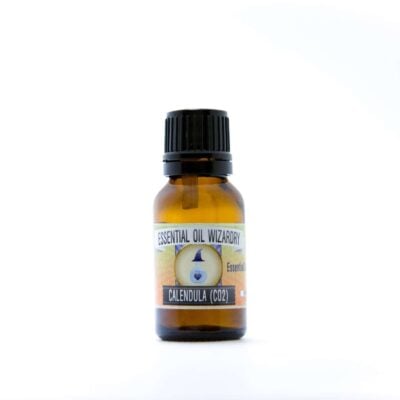
Calendula (CO2)
$35.00 -
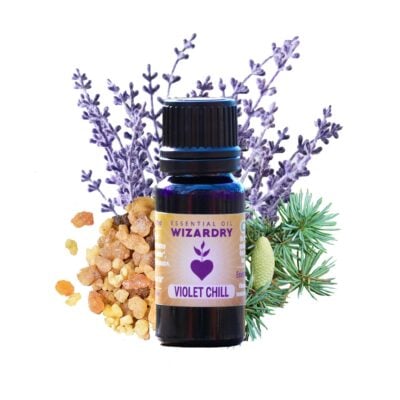
Violet Chill
Price range: $20.00 through $35.00 -
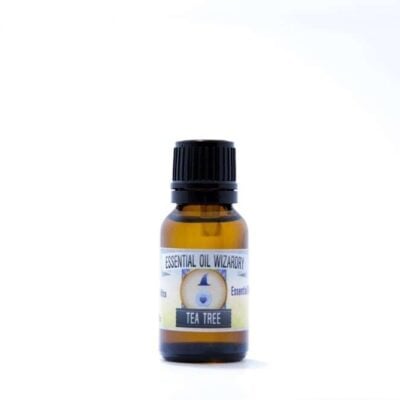
Tea Tree
$20.00
CHECK OUT OUR BLOG
Natural Male Enhancement Tinctures: Tongkat Ali, Epimedium, And Kakanga Compared
A guide to natural male enhancement tinctures, comparing tongkat ali, epimedium, and kakanga root benefits, with insight from Essential Oil Wizardry.
Kanna Tincture vs. Kanna Resin: Which Format Is Right For You?
A guide to kanna tincture vs kanna resin, covering effects, dosing, and how to choose the best kanna format for your practice, from Essential Oil Wizardry.
Rose Absolute vs. Rose Otto: Bulgarian Rose And Rose Bourbon Absolute Compared
A guide to rose absolute, comparing Bulgarian rose absolute and rose bourbon absolute for perfume and ritual use — plus how rose otto (a steam-distilled essential oil) differs — with insight from Essential Oil Wizardry.
What Botanical Oils Can And Cannot Do
Before diving into specific plants, it helps to set honest expectations. Essential oils and botanical preparations do not cure or treat skin conditions. Their role is topical support: nourishment, soothing aromatic compounds, and anti-inflammatory constituents that can help skin feel more comfortable during flare periods.
The Skin As A Living System
Reactive skin is often more permeable than healthy skin, which means what we apply matters enormously. Synthetic fragrances and petroleum-derived ingredients can aggravate sensitivity. Organic, properly diluted botanical oils offer a gentler alternative, delivering plant compounds used in traditional skin care for centuries. For a broader look at how botanical preparations interact with the skin’s inflammatory response, our guide on essential oils for inflammation provides helpful context.
Dilution Is Non-Negotiable For Reactive Skin
Essential oils must always be diluted before skin contact. For reactive or sensitive skin, a 1% dilution, roughly 6 drops per ounce of carrier oil, is a wise starting point. Always patch-test on the inner arm for 24 to 48 hours before applying to affected areas. Our guide on carrier oils for essential oils covers choosing the right carriers and dilution ratios.
Natural Eczema Treatment Essential Oils: The Core Botanicals
Several botanicals stand out as particularly well-suited to sensitive, reactive skin. Each brings distinct properties, and together they form a botanical toolkit for skin that needs calm, consistent care.
German And Roman Chamomile: The Gentlest Anti-Inflammatories
German Chamomile Essential Oil is one of the most studied botanicals for sensitive skin care. Its deep blue color comes from chamazulene, a compound produced during steam distillation with demonstrated anti-inflammatory and antipruritic activity. Roman Chamomile Essential Oil brings a softer, more floral profile. Both are exceptional choices for inflamed, dry, or reactive skin, and used together in a carrier oil they offer complementary skin-supportive qualities that make them a natural first choice for eczema-prone skin.
Lavender And Helichrysum: Calming And Restorative
Lavender Essential Oil’s linalool content has been associated with anti-inflammatory and antimicrobial activity, making it one of the most broadly useful oils for reactive skin. Gentle enough for regular use and blending seamlessly with chamomile, it calms the skin and the nervous system at once.
Helichrysum Essential Oil, often called immortelle, is among the most prized botanicals for skin regeneration and repair. Its italidione content supports skin tissue recovery and may help reduce the appearance of redness over time. Our guide on immortelle essential oil explores this remarkable botanical further.
Essential Oils For Eczema Relief: Carriers And Calming Preparations
The carrier oil you choose matters as much as the essential oils you blend with it. For eczema-prone skin, certain carriers bring nourishing properties that amplify the botanical blend.
Tamanu And Calendula: Deeply Nourishing Bases
Tamanu Oil, cold-pressed from the nuts of the Calophyllum inophyllum tree, carries compounds associated with wound healing and skin recovery. For skin that is broken, cracked, or chronically reactive, it brings deep nourishment that lighter carriers cannot match.
Calendula Extract CO2 delivers the well-documented soothing properties of the calendula flower in a highly concentrated form. Used in traditional European skin care for centuries, it is exceptionally compatible with sensitive and reactive skin. Blended with tamanu or jojoba, it creates a genuinely restorative base for eczema-prone skin.
Tea Tree: Use With Care On Sensitive Skin
Tea Tree Oil brings antimicrobial and clarifying qualities useful for reactive skin where secondary bacterial concerns accompany sensitivity. Use it at very low dilutions, no more than 0.5 to 1%, and introduce it slowly. Some individuals find it irritating, so patch testing is especially important with this oil.
Best Essential Oil For Eczema On Face
Facial skin is thinner and more reactive than body skin, which calls for extra care in both dilution and botanical selection. German chamomile, lavender, and helichrysum in a rosehip or jojoba carrier at 0.5 to 1% dilution represent the gentlest and most effective combination we recommend for the face.
Building A Simple Facial Skin Ritual
- Cleanse First: Use a fragrance-free cleanser before applying any botanical preparation.
- Apply To Damp Skin: Botanical oils absorb more effectively into slightly damp skin after cleansing.
- Start With One Oil: Introduce one botanical at a time and allow a week before adding another to identify any that do not agree with your skin.
- Evening Application: Applying your blend in the evening allows it to work overnight without environmental exposure.
For those newer to botanical topical application, our guide on how to use essential oils covers dilution, patch testing, and application methods.
Caring For Your Botanical Skin Preparations
Keep all bottles sealed tightly in a cool, dark cabinet away from heat and direct light. Close them immediately after use. Carrier oils like tamanu benefit from refrigeration after opening due to their susceptibility to oxidation. All of our skin care botanicals are best used within 2 to 5 years of opening.
Frequently Asked Questions About Using Essential Oils For Eczema
What are the best essential oils for eczema relief?
German chamomile, lavender, helichrysum, and Roman chamomile are the most consistently recommended botanicals for eczema-prone skin. Tamanu and calendula extract add deeply nourishing skin-supportive qualities as carrier bases.
Can I use essential oils directly on eczema-affected skin?
No. Essential oils must always be diluted in a carrier oil before skin contact. For sensitive or eczema-prone skin, 0.5 to 1% dilution is recommended. Always patch-test before applying to a larger area.
What is the best essential oil for eczema on the face?
German chamomile and lavender diluted in rosehip or jojoba at 0.5 to 1% are the gentlest options for facial application. Helichrysum can be added at low concentrations for restorative support.
Is aromatherapy for eczema safe for children?
German chamomile and lavender are generally gentler options for children. Always use lower dilutions for young skin and consult a qualified aromatherapist or healthcare provider before use.
How long does it take to see results from botanical skin support?
Most people notice improvements in comfort and dryness within two to four weeks of consistent daily use. Deeper changes in reactivity often take six to eight weeks of regular application.
DISCLAIMER:
The information provided is intended for educational and informational purposes only and reflects historical, cultural, and experiential perspectives. It is not intended to diagnose, treat, cure, or prevent any disease, nor should it be interpreted as medical, legal, or professional advice. Individual experiences may vary. Always use personal discernment and consult a qualified professional when appropriate.
Sources:
- Srivastava, J. K., Shankar, E., & Gupta, S. (2010). Chamomile: A herbal medicine of the past with bright future. Molecular Medicine Reports, 3(6), 895–901.https://doi.org/10.3892/mmr.2010.377
- Antunes Viegas, D., Palmeira-de-Oliveira, A., Salgueiro, L., Martinez-de-Oliveira, J., & Palmeira-de-Oliveira, R. (2014). Helichrysum italicum: From traditional use to scientific data. Journal of Ethnopharmacology, 151(1), 54–65.https://doi.org/10.1016/j.jep.2013.11.005
- Della Loggia, R., Tubaro, A., Sosa, S., Becker, H., Saar, S., & Isaac, O. (1994). The role of triterpenoids in the topical anti-inflammatory activity of Calendula officinalis flowers. Planta Medica, 60(6), 516–520.https://doi.org/10.1055/s-2006-959562