


Plants have supported the human experience of discomfort and physical imbalance for centuries. Across traditions and cultures, botanical extracts have been valued for the way their aromatic compounds engage the body and the senses. Today, essential oils for inflammation continue this long relationship with plant wisdom, offering concentrated botanical tools that complement mindful self-care, movement, and body awareness.
-
EaseOlution
Price range: $25.00 through $144.00 -
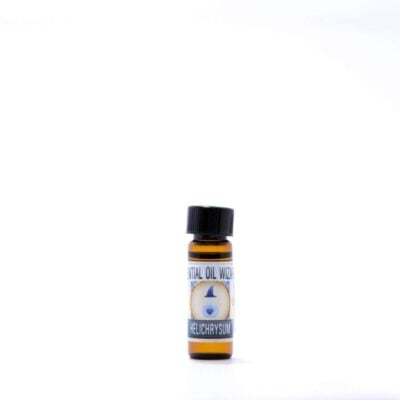
Helichrysum (Immortelle)
Price range: $35.00 through $144.00 -
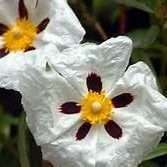
Cistus
Price range: $55.00 through $111.00 -
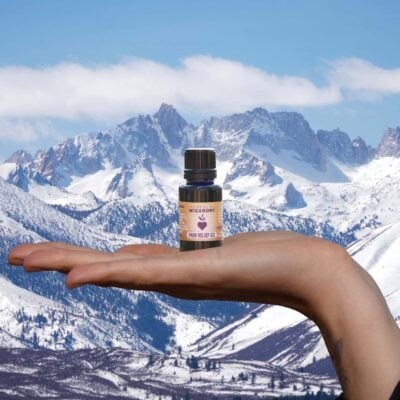
Pain Relief ICE (PRI)
Price range: $25.00 through $55.00 -
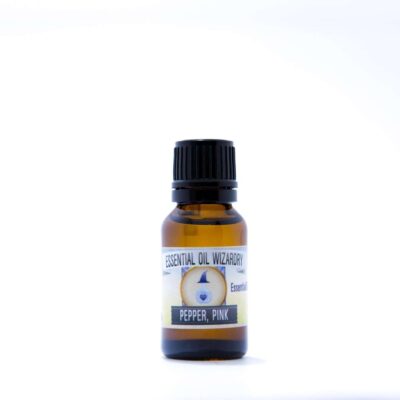
Pink Pepper
Price range: $20.00 through $55.00 -
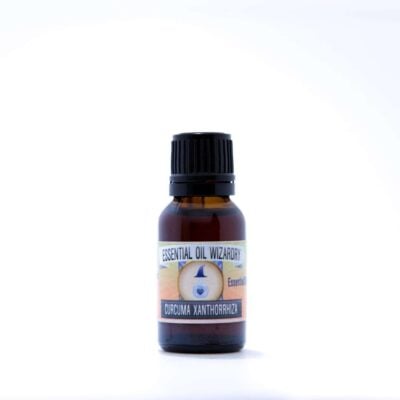
Curcuma Xanthorrhiza (CO2)
Price range: $20.00 through $45.00 -
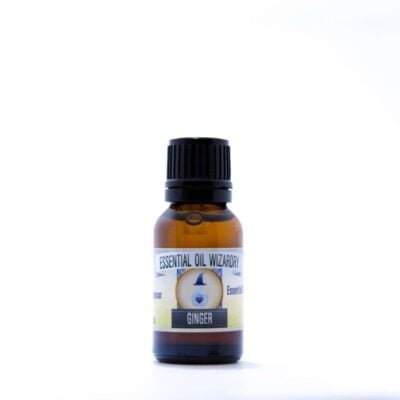
Ginger
Price range: $35.00 through $45.00 -
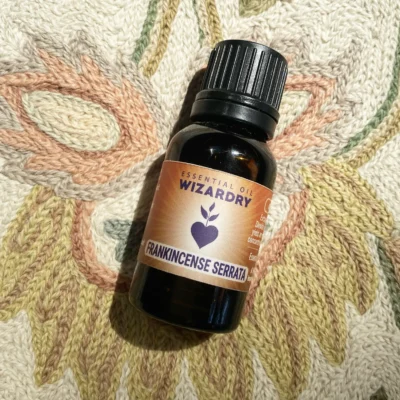
Frankincense Serrata (CO2)
Price range: $40.00 through $45.00
CHECK OUT OUR BLOG
Natural Male Enhancement Tinctures: Tongkat Ali, Epimedium, And Kakanga Compared
A guide to natural male enhancement tinctures, comparing tongkat ali, epimedium, and kakanga root benefits, with insight from Essential Oil Wizardry.
Kanna Tincture vs. Kanna Resin: Which Format Is Right For You?
A guide to kanna tincture vs kanna resin, covering effects, dosing, and how to choose the best kanna format for your practice, from Essential Oil Wizardry.
Rose Absolute vs. Rose Otto: Bulgarian Rose And Rose Bourbon Absolute Compared
A guide to rose absolute, comparing Bulgarian rose absolute and rose bourbon absolute for perfume and ritual use — plus how rose otto (a steam-distilled essential oil) differs — with insight from Essential Oil Wizardry.
What Defines Anti-Inflammatory Essential Oils?
Let’s start with a fundamental question: What are essential oils? Plants produce aromatic compounds as part of their protection and adaptation systems. These molecules help them respond to environmental stress, insects, and other threats. When distilled or CO2 extracted into essential oils, those same compounds carry the plant’s wisdom into our hands.
Many of the oils most traditionally associated with anti-inflammatory support share a common thread: they tend to be warming, resinous, or spicy in character. They’re the kinds of scents that feel deep and grounding rather than sharp or fleeting. This isn’t coincidental. These complex profiles often reflect the presence of sesquiterpenes and other heavier molecular compounds associated with the earthy, root-forward parts of plants.
However, it’s important to hold expectations appropriately. Essential oils are concentrated aromatic extracts, so they can’t replace medical evaluation or treatment for serious conditions. What they can do is support a daily self-care practice that feels intentional, embodied, and genuinely connected to the plant world.
Our Top Picks For Anti-Inflammatory Aromatic Support
Some essential oils bring warmth, others offer resinous depth, and a few stand out for their long history of traditional use paired with growing scientific interest. The selections below highlight a range of botanicals that approach this space from different angles, each offering its own character, chemistry, and role within a well-rounded, plant-based practice.
Ginger Essential Oil: Warming And Soothing
Ginger (Zingiber officinale) is one of the most versatile botanicals in our collection, and Dr. Nick describes its extracts as “a great general body tonic.” Sourced from Sri Lanka, Indonesia, or Madagascar, our organic Ginger Essential Oil provides a pungent, smoky spice that’s deeply aromatic, with fire in the nostrils on deep inhalation. The CO2 extracted version is more full-spectrum and contains gingerols and shogaols, the constituents most associated with ginger’s spiciness and hotness. The steam distilled essential oil is softer, easier on the palate for culinary use, and more approachable in perfumery.
What makes ginger particularly relevant as an essential oil for swelling is that it contains 100+ compounds, some of which are associated with anti-inflammatory properties (Anh et al., 2020). Ginger has long been used specifically for muscle comfort, and Dr. Nick notes its synergy with nutmeg, black pepper, and other warming spices in topical massage blends for this purpose. It can also be diffused for its aromatic quality, or incorporated into food and beverages in small amounts for digestive support (Anh et al., 2020).
Curcuma Xanthorrhiza CO2: Javanese Turmeric From The Ginger Family
Less commonly known than its cousin turmeric, Curcuma Xanthorrhiza is a rhizome that blooms wild across Southeast Asia. Also called Javanese turmeric or temulawak, it belongs to the ginger family and shares many of that family’s characteristic qualities. Essential Oil Wizardry’s Curcuma Xanthorrhiza is CO2 extracted and organically sourced from Indonesia. The CO2 method is often chosen for its ability to preserve a broader range of the plant’s constituents compared to steam distillation.
Research on Curcuma xanthorrhiza has suggested possible anti-inflammatory activity, though more human trials are needed to fully characterize its effects (Ambarsari et al., 2014). As with all Essential Oil Wizardry botanicals, its role here is as a supportive aromatic companion in a broader wellness practice. Topically, this extract works well infused into carrier oils like rosehip seed, pomegranate seed, or raspberry seed for a warming massage blend often used for skin-focused applications. It also pairs beautifully with frankincense, copaiba, lavender, and turmeric.
Frankincense Serrata CO2: The Science-Backed Boswellia
Of the four Boswellia species we carry, Frankincense Serrata CO2 Extract is the one Dr. Nick most often associates with traditional anti-inflammatory use, and it’s also one of the more widely studied. Boswellia serrata resin contains boswellic acids, a group of compounds that have been examined for their role in supporting the body’s inflammatory response, particularly through their interaction with pro-inflammatory enzymes (Siddiqui, 2011).
Because these boswellic acids are larger compounds, they don’t readily transfer through steam distillation. CO2 extraction, which operates at lower temperatures and without water, is often chosen when working more closely with the fuller chemical profile. This makes the CO2 extract a more relevant format when the intention is to engage with the resin-rich aspects of the plant.
Aromatically, Frankincense Serrata CO2 ranges from soft, earthy sweetness to slightly astringent, sometimes carrying a faint pickle-like note that Dr. Nick finds both distinctive and useful in botanical perfumery. It may not have the immediate elegance of Frankincense Sacra, which he reserves for ceremonial use, but it offers a different kind of depth that many practitioners appreciate. In practice, it’s often incorporated into massage oils, blended into topical skin care formulations, or applied to the palms, rubbed together, and inhaled slowly to support a more grounded, present state.
Pain Treatment Essential Oil: Building Your Own Formula
The most effective approach to working with essential oils for pain and inflammation is often a layered blend that combines warming, grounding, and resinous oils into a balanced topical formula. Here’s an easy-to-copy structure to start with, diluted in 1 oz of your preferred carrier oil (jojoba, fractionated coconut, or sweet almond):
- Warming Root Layer: 4–5 drops Ginger Essential Oil
- Resinous Depth: 3–4 drops Frankincense Serrata CO2
- Anti-Inflammatory Anchor: 2–3 drops Curcuma Xanthorrhiza CO2
- Optional Supporting Notes: 2 drops black pepper, nutmeg, or copaiba for additional warming complexity
This keeps total essential oil concentration at approximately 3–5%, suitable for adult topical use on areas of discomfort. Always patch test before wider application, especially if you have sensitive skin.
Massage the blend into affected areas for 5 minutes or more, ideally after a warm shower or bath when the skin is more receptive. The slow, deliberate application is itself part of the practice, connecting breath, touch, and aromatic awareness in a moment that honors the body’s signals rather than rushing past them. For a full guide to topical application and other methods of use, visit our guide onhow to use essential oils.
Essential Oils For Chronic Inflammation: A Ritual-Based Approach
Essential oils are most helpful when incorporated into a daily or near-daily self-care practice rather than used sporadically. This looks different for everyone, but some consistent schedules that work well include:
- Morning Warm-Up Ritual: After getting out of bed, try diluting a few drops of ginger, nutmeg or Curcuma Xanthorrhiza CO2 in a carrier oil and massaging it into your joints or muscles before movement. When paired with a few minutes of gentle stretching, the warming aroma and sensory experience may help you ease into the day more comfortably.
- Evening Recovery Ritual: At night, use a more complete blend, such as ginger, Frankincense Serrata, and supporting oils, applied after activity or at the end of a long day. This is also a good time to pause for a few slow, intentional breaths over the blend before applying, allowing the aroma to settle your body and prepare you for rest.
- Diffusion For Atmospheric Support: While topical application targets specific areas, diffusing warming and resinous oils creates a broader aromatic environment that supports the body’s overall sense of ease. For example, ginger paired with blood orange in a diffuser creates a homely scent that Dr. Nick particularly enjoys.
For seasonal support during months when inflammation and physical tension tend to feel heightened, our guide onwinter wellness essential oils offers complementary reading on building a cold-weather botanical toolkit.
Essential Oils vs. The doTERRA Inflammation Blend
The doTERRA inflammation blend, and similar commercial formulations from other large brands, has introduced many people to the idea of using essential oils for inflammation support. That’s valuable! But there are meaningful differences worth knowing when choosing between a pre-made commercial blend and the kind of small-batch, intentionally sourced approach Essential Oil Wizardry takes.
- Transparency: We provide full botanical names, origins, cultivation details, and extraction methods for every oil. Commercial blends often list proprietary formulas without full ingredient disclosure.
- Sourcing Integrity: Essential Oil Wizardry sources directly from distillers, small collectives, and artisan farmers whenever possible, building long-term relationships that prioritize vitality and purity. The supply chains behind large commercial brands are typically opaque.
- Customization: Building your own blend allows you to adjust ratios based on your body’s response, your aromatic preferences, and your specific needs on any given day. That’s something no pre-made formula can offer.
- Extraction Method: Our CO2 extracts of Frankincense Serrata and Curcuma Xanthorrhiza preserve a fuller spectrum of plant constituents than standard steam distillation, which may be important for those seeking anti-inflammatory support.
For those who are ingredient-conscious, experience-driven, and genuinely invested in their botanical practice, a direct-source, small-batch approach offers a level of clarity and connection that’s hard to replicate at scale.
Frequently Asked Questions About Essential Oils for Inflammation
What are essential oils for inflammation used for?
They’re most commonly incorporated into topical massage blends, diffuser rituals, and body care practices that support comfort and presence during moments of discomfort.
What is an essential oil for swelling?
Several oils are traditionally used in topical blends for swelling, with ginger being one of the ones most commonly reached for. Please remember to always dilute essential oils in a carrier oil before applying to swollen or sensitive areas.
Can essential oils for inflammation be used daily?
Usually, yes! Consistent, moderate daily use is generally more effective than occasional intense application. Small daily rituals, whether topical, diffused, or both, allow the aromatic plants to become familiar companions in a sustainable wellness practice.
What carrier oils work best as a companion for essential oils for inflammation?
Jojoba, fractionated coconut, and sweet almond are versatile, skin-compatible options.
Can I use essential oils for inflammation alongside medications or other treatments?
Essential oils are best approached as complementary tools within a broader wellness practice, not as replacements for prescribed medications or medical treatment. If you’re managing a condition and taking medication, consult your healthcare provider before introducing new topical or aromatic botanicals into your routine, as some essential oil constituents may interact with certain drugs.
Is there a difference between using essential oils for inflammation aromatically vs. topically?
Yes, the experience and mechanism differ meaningfully. Topical application in a carrier oil targets specific areas of discomfort through direct skin contact and absorption. Aromatic use through diffusion or inhalation creates an atmospheric effect through the olfactory pathway. Many people find value in both, used together as part of a layered daily ritual.
DISCLAIMER:
The information provided is intended for educational and informational purposes only and reflects historical, cultural, and experiential perspectives. It is not intended to diagnose, treat, cure, or prevent any disease, nor should it be interpreted as medical, legal, or professional advice. Individual experiences may vary. Always use personal discernment and consult a qualified professional when appropriate.
Sources:
- Anh, N. H., Kim, S. J., Long, N. P., Min, J. E., Yoon, Y. C., Lee, E. G., Kim, M., Kim, T. J., Yang, Y. Y., Son, E. Y., Yoon, S. J., Diem, N. C., Kim, H. M., & Kwon, S. W. (2020). Ginger on Human Health: A Comprehensive Systematic Review of 109 Randomized Controlled Trials. Nutrients, 12(1), 157. https://doi.org/10.3390/nu12010157
- Ambarsari, L., Nurcholis, W., Darusman, L., Mujib, M., & Heryanto, R. (2014). The curcuminoids extract of Curcuma xanthorrhiza RoxB. loaded solid lipid nanoparticles. International Journal of Science and Research (IJSR), 3, 852–856. https://www.researchgate.net/publication/283513254_The_Curcuminoids_Extract_of_Curcuma_xanthorrhiza_RoxB_Loaded_Solid_Lipid_Nanoparticles
- Siddiqui M. Z. (2011). Boswellia serrata, a potential antiinflammatory agent: an overview. Indian journal of pharmaceutical sciences, 73(3), 255–261. https://doi.org/10.4103/0250-474X.93507