


A mosquito lands, and after a few minutes tick by, the skin responds with that persistent, maddening urge to scratch. Most bug bites are minor, yet they can feel surprisingly disruptive. The body is doing exactly what it was designed to do, reacting to foreign proteins introduced through the skin. Still, comfort matters. Having a plant-based option ready can make the difference between irritation that lingers and one that settles more gently.
-
Helichrysum (Immortelle)
Price range: $35.00 through $144.00 -
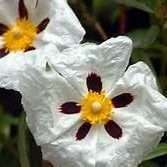
Cistus
Price range: $55.00 through $111.00 -

Sacred Toner
Price range: $33.00 through $77.00 -
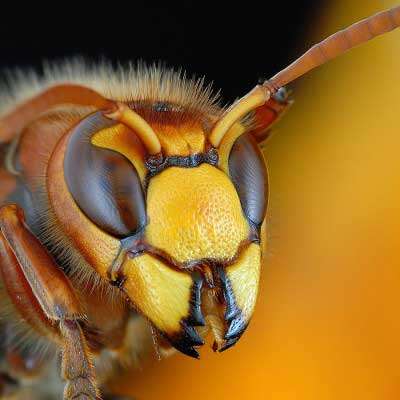
Bug Repel
Price range: $20.00 through $55.00 -
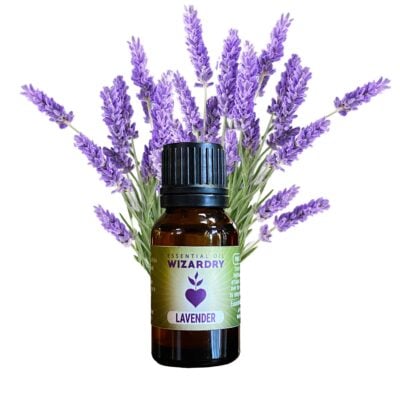
Lavender
Price range: $20.00 through $45.00 -
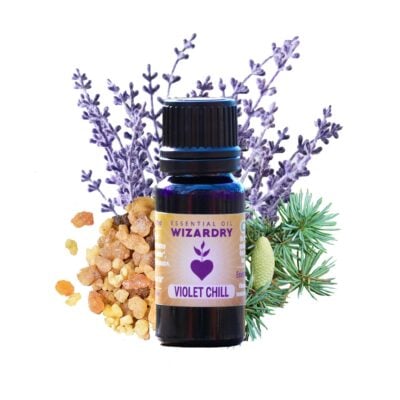
Violet Chill
Price range: $20.00 through $35.00 -
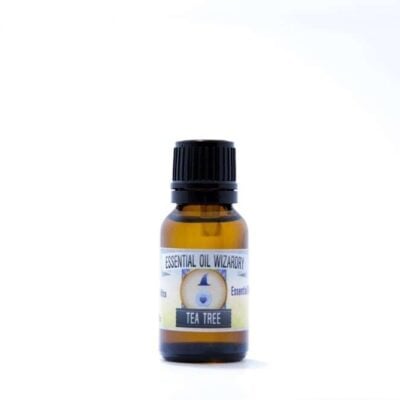
Tea Tree
$20.00
CHECK OUT OUR BLOG

Natural Male Enhancement Tinctures: Tongkat Ali, Epimedium, And Kakanga Compared
A guide to natural male enhancement tinctures, comparing tongkat ali, epimedium, and kakanga root benefits, with insight from Essential Oil Wizardry.

Kanna Tincture vs. Kanna Resin: Which Format Is Right For You?
A guide to kanna tincture vs kanna resin, covering effects, dosing, and how to choose the best kanna format for your practice, from Essential Oil Wizardry.

Rose Absolute vs. Rose Otto: Bulgarian Rose And Rose Bourbon Absolute Compared
A guide to rose absolute, comparing Bulgarian rose absolute and rose bourbon absolute for perfume and ritual use — plus how rose otto (a steam-distilled essential oil) differs — with insight from Essential Oil Wizardry.
What Happens After A Bug Bite?
A mosquito bite may appear like just another bump on the surface, but the reaction beneath the skin is layered. When an insect pierces the skin, it introduces saliva or venom containing proteins that your immune system recognizes as foreign. The body responds by releasing histamine and other compounds that increase blood flow to the area, creating the familiar redness, warmth, and swelling. The itchiness that follows is part of that same process. Nerve endings become more sensitive as local inflammation rises. Scratching may feel relieving in the moment, but it can further irritate the tissue and prolong discomfort. Supporting the skin gently while the body does its work is often the most balanced approach.
While mosquitoes are the most common bugs people encounter outdoors, many other insects can trigger reactions. For example, bee stings can feel more intense than mosquito bites because venom is injected deeper into the skin. For mild, localized reactions, cooling the area and applying diluted plant support may help with surface discomfort. However, systemic reactions, like difficulty breathing, widespread swelling, or signs of anaphylaxis, require immediate medical attention. Essential oils are appropriate only for mild, localized irritation. This helps clarify what essential oils can and can’t do. They don’t remove venom or alter the immune response directly. What certain oils are traditionally used for is cooling, calming, and supporting skin comfort while the body completes its natural work.
What Oils Are Good For Bug Bites And Why
So, what essential oils help with bug bites? Certain botanicals have long histories of use in post-bite skin support. The oils most commonly reached for share a few qualities: they tend to feel cooling or calming topically, they’re generally well-tolerated at proper dilutions, and they carry aromatic profiles that feel refreshing rather than heavy on already-irritated skin.
Tea Tree: Cleansing And Refreshing
Tea tree is one of the most widely used oils in topical skin preparations, and it’s a go-to for bug bite support for good reason. Its spicy, crisp aroma is invigorating, and it has a long traditional history of use in skin cleansing applications.
Our Tea Tree Oil is steam distilled and sourced from Australia, Mozambique, or South Africa with attention to purity and organic plant material. When properly diluted in a carrier oil, it can be applied sparingly to a bite site to support comfort during the skin’s recovery phase. Because it’s potent, always dilute before use. Undiluted tea tree oil on reddened, inflamed skin might increase sensitivity rather than help soothe it.
Lavender: Versatile And Widely Trusted
Lavender is one of the most versatile oils in any natural toolkit, and its role in post-bite care reflects that breadth. Its blissfully floral aroma is compatible with sensitive skin, and it’s frequently selected for mosquito bites, minor stings, and anywhere that needs a softer touch.
Our Lavender Essential Oil is organically sourced, small-batch distilled, and vibrationally enhanced. It layers beautifully with our Tea Tree Oil in a post-bite blend, cushioning its sharp edge while contributing its own unique skin-supportive presence. For a deeper look at what lavender may offer, our guide on how to use essential oils is a great starting point.
What Essential Oils Help With Mosquito Bites?
Mosquito bites are the most common seasonal irritation, and their itch tends to linger, especially when scratched repeatedly, prolonging the inflammatory cycle. The goal with topical essential oils for bug bites is to interrupt that urge early and create a sense of surface calm while the skin heals.
Bug Repel: Soothe And Protect In One Bottle
For those who want a ready-made option that works both before and after insect encounters, Bug Repel is Dr. Nick’s artisan outdoor blend, refined over years of real-world use across North and South America. It brings together Lemon Eucalyptus and Citronella for broad-spectrum outdoor deterrence, Peppermint for cooling comfort on active bites, Pink Peppercorn for added coverage, Cinnamon Leaf for its numbing properties, Tea Tree for its cleansing and medicinal quality, Lavender to soothe and calm, and Rose Geranium to round out the heart note.
Bug Repel is enhanced with ORMUS, which Dr. Nick finds supports absorption and helps extend the formulation’s duration of effectiveness. It carries a genuinely pleasant, sweet-herbal scent and can be applied directly to skin or sprayed on clothing. For sensitive skin types, a patch test is a wise first step. Used before outdoor exposure, Bug Repel helps create an aromatic barrier. Used after a bite, it offers multi-layered botanical comfort, particularly through its peppermint and lavender components. It’s one of those rare formulations that earns its place in your kit from both directions.
A Mindful Approach For Mosquito Bites
For mild mosquito bites, a simple approach works well: cleanse the area, let it dry, and apply a diluted drop or two of lavender or tea tree with clean fingertips or a cotton swab. Allow it to absorb fully before covering. Reapply as needed, but resist the urge to layer repeatedly; moderation tends to support the skin better than overwhelming it!
Best Essential Oil For Bee Sting Reactions
Bee stings deserve a bit more care than a mosquito bite. The first step is always to remove the stinger by scraping (not squeezing) it out with a flat edge, then cleansing the area gently with mild soap and water. For mild, localized reactions, lavender is the most frequently recommended essential oil for bee sting situations because of its skin-compatible profile. A cool compress applied before and after a diluted oil can help ease the heat and surface discomfort.
Violet Chill is Dr. Nick’s favorite blend for after bee stings, combining lavender, helichrysum, frankincense, myrrh & cedar essential oils, infused in a carrier oil, ready to apply!
Again, it bears repeating that if there’s any sign of swelling beyond the immediate site, hives, difficulty breathing, or dizziness, please seek emergency medical attention immediately. Essential oil support is only appropriate for minor, localized irritation.
Flea bites tend to appear in clusters, most often around ankles and lower legs, and their persistent, grouped itch can feel harder to manage than a single mosquito bite. Essential oils for flea bites are typically applied in diluted form to calm surface discomfort across a small area.
Because flea bites are numerous, restraint is especially important here. Applying heavily concentrated essential oils to multiple irritated spots may increase sensitivity. The approach should be gentle and measured.
A practical sequence: cleanse the skin with mild soap and water, pat dry (don’t rub), apply a cool compress for a few minutes to ease surface heat, and then apply a diluted blend lightly across the area. Lavender is a particularly good choice for flea bites given its compatibility with sensitive, already-reactive skin.
How To Apply Essential Oils For Bug Bites Safely
Application technique matters as much as oil selection. An essential oil for bug bites should always be diluted before it touches the skin, especially skin that’s already inflamed. Concentrated oils on irritated tissue may amplify sensitivity rather than support it.
For Dilution
A dilution of about 1–2% in a carrier oil is generally appropriate for localized use on adult skin. Lower dilutions are often a better choice for older adults or individuals with highly sensitive skin. Lightweight carrier oils such as jojoba or sweet almond oil tend to work well because they absorb easily and allow the essential oil to disperse smoothly across the skin without weighing you down.
For Application
Once diluted, the blend can be applied gently using clean fingertips or a cotton swab as a spot treatment. It’s best to apply after cleansing the area and, if possible, after using a brief cool compress to calm the skin. Allow the oil to absorb fully before covering the area. Essential oils should not be applied to broken skin, open wounds, or areas showing signs of spreading infection. If redness spreads significantly, symptoms worsen, or the reaction feels disproportionate to a minor bite, seeking professional medical evaluation is recommended.
Prevention First: Building A Botanical Outdoor Ritual
Comfort after a bite is useful, but prevention lowers the need for treatment altogether. Outdoor awareness, protective clothing, and applying plant-based blends before exposure can meaningfully shift the experience of time spent in nature.
Many of the same oils that support skin comfort after a bite, such as tea tree, lavender, and peppermint, are also ingredients in natural outdoor protection blends. Applying a diluted repellent blend to exposed skin before hiking, gardening, or evening gatherings is a simple practice that pays off.
For ideas on building a full seasonal outdoor botanical kit, our guide on essential oils for spring covers the transition into warmer months beautifully. And if you’re heading further afield, our essential oils for travel guide is worth a read before you pack. Remember, prevention isn’t absolute, but it shifts the odds in your favor!
Frequently Asked Questions About Essential Oil For Bug Bites
Can I apply an essential oil for bug bites directly to the skin?
Always dilute in a carrier oil before topical use. Undiluted oils on inflamed skin might increase irritation rather than help ease it.
What essential oils help with mosquito bites the fastest?
Lavender and tea tree are the most commonly used options for mild mosquito bite discomfort. Cooling the area first with a compress, then applying diluted oil, tends to be the most comfortable approach.
What oils are good for bug bites on sensitive skin?
Lavender is generally the most skin-compatible choice due to its gentle aromatic profile. Always patch test before wider application, especially on reactive skin.
Is there a best essential oil for bee sting reactions?
For mild, localized reactions after the stinger has been removed and the area cleansed, lavender is most frequently chosen. Any severe or systemic reaction requires immediate emergency care. Essential oils are not appropriate in those situations.
How often should I reapply oils to a bite?
Only as needed, and with moderation. Repeatedly layering oils on irritated skin might potentially extend sensitivity rather than support recovery.
What about using essential oils for bug bites on pets?
Many essential oils are not appropriate for direct application to animals, particularly cats. Consult a veterinarian before applying any essential oil to a furry friend.
Can I blend different oils together for bug bite relief?
Of course! Combining diluted lavender and tea tree is a common approach. Keep the total dilution within safe topical guidelines and apply with a light hand.
DISCLAIMER:
The information provided is intended for educational and informational purposes only and reflects historical, cultural, and experiential perspectives. It is not intended to diagnose, treat, cure, or prevent any disease, nor should it be interpreted as medical, legal, or professional advice. Individual experiences may vary. Always use personal discernment and consult a qualified professional when appropriate.