


We have built our lineup of essential oils for allergies around exactly this kind of support. At Essential Oil Wizardry, botanicals are sourced from organic farms and ethical wildcrafters, prepared in small batches, and vibrationally enhanced with energetic tools such as ORMUS and BioGeometry. Founded by a holistic-minded, retired pharmacist, we hold sourcing integrity as non-negotiable, especially for oils intended for respiratory and seasonal use.
CHECK OUT OUR BLOG
Blue Lotus Extracts: A Guide To Concentrated Preparations
A guide to blue lotus concentrate in every form, from resin to tincture to absolute, with thoughtful guidance on use and dosing from Essential Oil Wizardry.

Blue Lotus Spiritual Meaning: Ancient Symbolism And Modern Use
A guide to blue lotus spiritual meaning, ancient symbolism, and modern ritual use, with plant-based wisdom and ceremonial insight from Essential Oil Wizardry.
Wild Lettuce Extract: Benefits, Uses, And What To Expect
Learn about wild lettuce extract, its traditional uses, wild lettuce dosing, and how it supports rest, with guidance from Essential Oil Wizardry.
Seasonal Sensitivities And The Case For Botanical Support
The body’s response to seasonal triggers is, at its root, an act of protection. In simple terms, the immune system identifies airborne particles as potential threats and acts accordingly. That response, familiar to anyone who has spent a spring morning sneezing into their sleeve, is the body doing exactly what it is designed to do. Essential oils for seasonal allergies do not suppress this process the way antihistamines do. Their role is uniquely attuned to Mother Nature.
How Aromatherapy For Allergy Relief Works
Breathing shapes how we feel. When the breath moves freely, the body tends to settle into it, providing a quiet steadiness that doesn’t announce itself until it’s gone. When it tightens, even slightly, the whole system seems to follow. Essential oils for allergies offer one way back into that awareness, not as a fix, but as a sensory invitation to slow down, notice the breath, and let the moment become a little more spacious.
Aromatic botanicals interact with the senses primarily through inhalation. When breathed in, the volatile compounds of plants make contact with the nasal passages and airways, where they may create sensations of openness, cooling, or gentle clearing that some people find supportive during seasons when the air feels more challenging to breathe. For those building a broader assortment of respiratory resources, our compilation of essential oils for breathing is worth a look.
Natural Allergy Remedies Essential Oils: Setting Realistic Expectations
Essential oils are not a replacement for medical care, and they do not function as over-the-counter pharmaceuticals. What they offer is meaningful sensory and physiological support that might help make the seasonal experience more comfortable. For those who prefer plant-based approaches or want to complement their existing allergy management with botanical support, these oils offer a gentler, more integrated way to survive the season.
Eucalyptus And Ravintsara: The Respiratory Powerhouses
Few botanicals are as immediately recognizable in the context of respiratory support as eucalyptus. Its sharp, clarifying aroma is almost synonymous with open airways, and the chemistry behind that reputation is well-documented. Ravintsara, although less well-known in mainstream wellness circles, is one of the most important respiratory oils in French aromatherapy tradition and deserves equal standing in any serious seasonal toolkit. Ravintsara is one of Dr. Nick’s favorite respiratory essential oils and is an ingredient in several EOW formulations.
Eucalyptus: Clarity For Congested Airways
For those struggling with stuffiness and heaviness alongside seasonal sensitivity, eucalyptus is one of the best essential oils for congestion, and it’s also one of the most well-researched aromatic interventions available. It owes much of its respiratory reputation to 1,8-cineole, its primary aromatic constituent that gives it its uplifting camphorous notes (Čmiková et al., 2023). However, it’s worth noting that there are over 700 species, each offering unique variations, from cleansing peppermint tones to fresh lemon-citral notes.
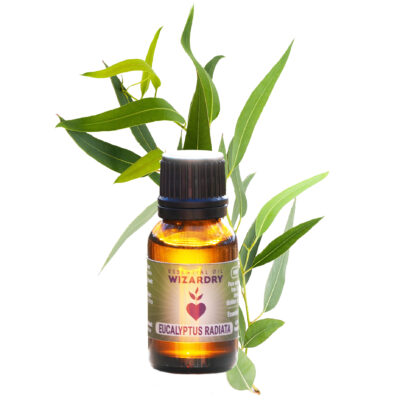
Our Eucalyptus Oil at Essential Oil Wizardry is organically sourced from Australia, South Africa, and Portugal, then vibrationally enhanced to preserve its full aromatic character. Use it in a diffuser during peak allergy hours, in a palm inhalation for immediate sinus relief, or in a steam inhalation to help break up mucous.
Ravintsara: Breathe Freely Again
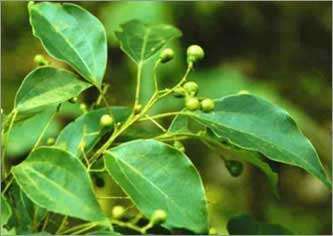
Ravintsara (Cinnamomum camphora) is native to China, Taiwan, Japan, Korea, Vietnam, and Madagascar. It shares some aromatic character with eucalyptus but offers a softer, more rounded profile, suited for those with sensitive airways who would prefer a milder eucalyptus. Often described as cool and refreshing, it combines phenomenally well with home-made therapeutic remedies and diffuses effervescently into your environment.
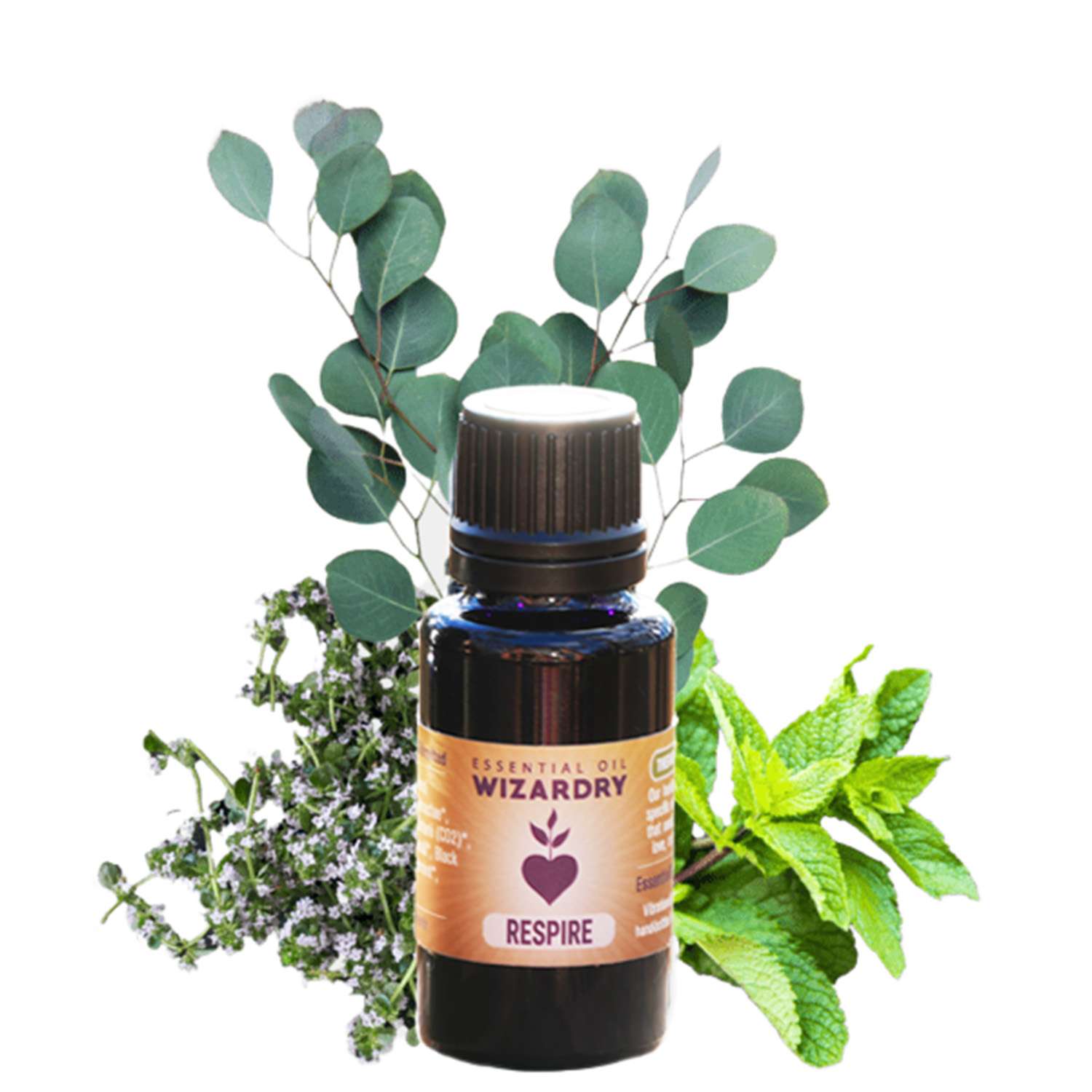
Our Ravintsara Essential Oil is steam distilled from organically cultivated or wildcrafted Madagascan leaves. It blends beautifully with lavender for an evening allergy blend or with eucalyptus for a more powerful daytime respiratory combination. Regardless of how you use it, it’s a wonderful broad-spectrum extract to keep around in your trove of aromatic treasures! Many of our customers love our respiratory formulation, Respire, which is rich in Ravintsara oil.
Essential Oils For Sinus Allergies: Peppermint, Lavender, And Tea Tree
Sinus pressure and nasal congestion are among the most disruptive aspects of seasonal sensitivity. The trio of peppermint, lavender, and tea tree addresses this territory from three distinct aromatic angles, giving real flexibility in how you respond to what your body needs on any given day.
Peppermint: Instant Opening For Heavy Sinuses
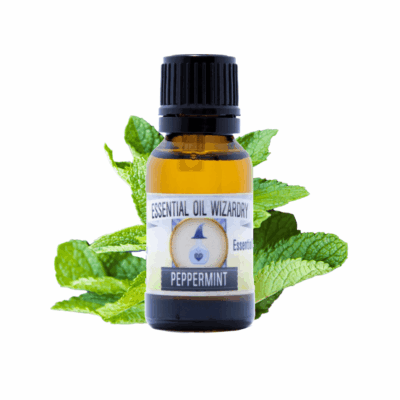
Peppermint’s menthol content creates an immediate cooling sensation in the nasal passages that many people find helpful when experiencing sinus pressure. It does not physically decongest in the way a nasal spray might, but the sensory experience it produces can offer comfort, particularly for those whose allergy symptoms include facial pressure and head heaviness.
Our Peppermint Oil is organically sourced from India and South Africa and steam distilled to preserve its full menthol profile. A single drop on the palms, rubbed together and cupped over the nose for a few slow inhalations, is one of the simplest allergy season rituals to add to your routine.
Lavender: Calming Support For The Body And Mind
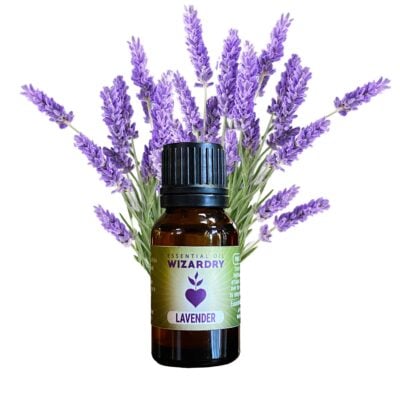
Lavender is one of the most widely used essential oils today and can be found in everything from baked goods to teas to cosmetic products, perfumes, massage oils, and more. Often called the “Swiss Army Knife” of essential oils, it produces a fragrant cloud of violet bliss, seeming to sweep away your troubles and leave you feeling lighter. In our opinion, this one should be kept in everyone’s mobile medicine chest.
A key advantage is that, unlike many other essential oils for allergies, it tends not to be irritating when applied undiluted directly to the skin, also called “neat.” There are many types of lavender, although English lavender (Lavandula angustifolia) is the most common. Currently, our Lavender Essential Oil is sourced from multiple origins, including high-elevation Swiss Alps Lavender Vera and locally sourced from Mount Shasta, California.
Tea Tree: Purifying The Aromatic Environment
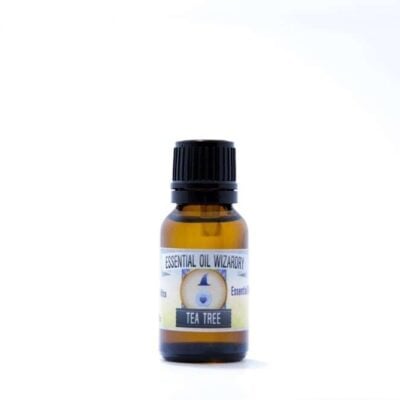
Tea tree brings its clarifying qualities to seasonal allergy support primarily through its effect on the aromatic environment. Diffusing tea tree in the home creates an atmosphere that feels clean and clear, which is especially valuable during high pollen periods. Our Tea Tree Oil is steam distilled from organically cultivated tea tree leaves and is a genuinely multi-purpose oil that earns its place in any seasonal wellness practice.
Lemon Oil And The Brightness Of Citrus
Lemon essential oil occupies a slightly different role in the allergy toolkit. Its primary value in this context is energetic and atmospheric, though limonene, its dominant constituent, has been studied for its calming and mood-supportive effects, which matter during seasons that can feel physically and emotionally depleting.
To be specific, lemon’s crisp, bright aroma cuts through the fogginess that can come with nasal congestion with a directness that heavier botanicals cannot match. Diffused in the morning, it signals the start of the day rather than a continuation of yesterday’s congested fog. Our Lemon Oil is organically sourced from South Africa and steam distilled or cold-pressed. For a complete daytime allergy diffuser blend, it blends delightfully with eucalyptus and peppermint. For those interested in citrus oils in particular, our Citronella essential oil collection is useful for the mosquitoes and other insects that follow the same seasonal cues we do.
Our Seasonal Blends: Respire And Spark
Single oils offer precision and flexibility, but a well-crafted blend delivers a more comprehensive aromatic profile than any individual botanical. Our seasonal collection includes two targeted formulations, specifically made to address the respiratory and energetic challenges that may accompany spring blossoms.
Respire: Purpose-Built For The Breath
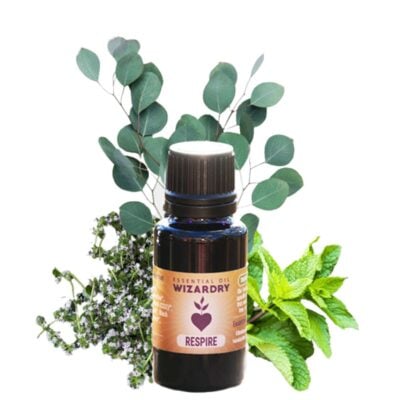
As part of our respiratory essential oil blend collection, our Respire blend was formulated with the breath as its central intention. It emits cooling menthol vapors with brisk citrus notes and a soft bite, which may help your body ease into a more relaxed state while promoting mental focus. As smooth as it is powerful, Respire may help open your chest and can potentially relieve sore throats or coughing symptoms. Dr. Nick recommends adding a few drops to your palms, rubbing them together, then forming a cupped shape with your hands and bringing them to your mouth. From there, breathe in the vapors deeply to help break up the junk in your lungs.
Spark: Brightening The Seasonal Experience
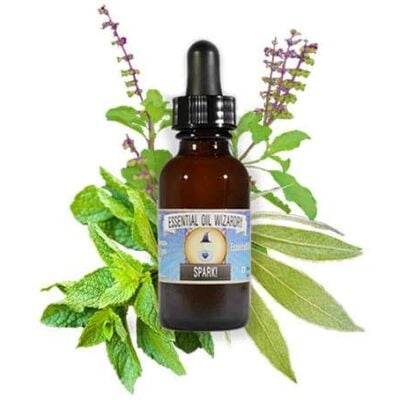
Our Spark! blend approaches allergy season from an energetic angle, providing minty-fresh lung-expanding qualities that ease the constriction of breath. Formulated to lift mood and counter the foggy, depleted feeling that accompanies extended allergic response, it reminds you what it feels like to be present in your body rather than at odds with it. Used alongside Respire or the single oils above, it rounds out a complete botanical approach to the season.
Dr. Nick’s Newest Blend: Allergee
As the founder of Essential Oil Wizardry, I recently discovered seasonal allergies in my own body as we moved onto 23 acres of land in the mountains. This is most noted during spring time, especially when I cut grass for days on end. I recently combined a 50/50% ratio of Helichrysum / German Chamomile oil, and infused it into Organic ORMUS Enhanced Fractionated Coconut Oil. When I use this blend, by applying below my nose or in my nostrils, Allergee helps me with my symptoms of running nose and watery eyes, for 1-3 hours with each usage. I can use this formula several times throughout the day, and when I use this, it seems to support my adaptation to local allergens.
Typically, my seasonal allergy window is now 2-4 weeks, and my symptoms are smoothly managed with the anti-allergenic synergy between German Chamomile & Helichrysum.
Frequently Asked Questions About Essential Oils For Allergies
What are the best essential oils for seasonal allergies?
Eucalyptus, peppermint, lavender, ravintsara, and tea tree are the most consistently useful botanicals for seasonal allergy support. Eucalyptus and ravintsara address respiratory clarity, peppermint targets sinus pressure, lavender brings calming support, and tea tree helps create a cleansing aromatic atmosphere. Nick’s favorite combination is German Chamomile & Helichrysum and has made the formulation available: Allergee.
How do essential oils for sinus allergies actually work?
Aromatic botanicals interact with the mucous membranes of the nasal passages and airways when inhaled, creating sensations of openness and cooling.
Can I use aromatherapy for allergy relief every day during allergy season?
Yes, with reasonable moderation. Short diffusion sessions of 20 to 30 minutes tend to be more effective than continuous all-day exposure. Palm inhalation may also be used as needed throughout the day.
How do I use essential oils for allergy season?
Diffusion is the most practical way to create a soothing, calming aromatic environment. Meanwhile, palm inhalation offers fast, direct aromatic support. Further, topical application to the chest or soles of the feet, properly diluted in a carrier oil, may help provide sustained support over time.
Which essential oils for allergies are best for sinus pressure?
Peppermint’s menthol content often makes it the most immediately effective option for sinus pressure. Eucalyptus and ravintsara may provide deeper, more sustained respiratory support alongside it.
Can essential oils for allergies replace antihistamines?
Essential oils are not a pharmaceutical substitute for antihistamines or other allergy medications. They offer complementary botanical support that many people find helpful for managing the environmental and sensory dimensions of seasonal sensitivity. German Chamomile and Helichrysum may offer some level of anti-allergenic properties, though more research is warranted for these qualities.
How should I store my essential oils for allergies?
Keep all bottles tightly sealed in a cool, dark cabinet, away from heat and direct light. Seal immediately after each use. Our oils are best used within 2 to 5 years of opening.
DISCLAIMER:
The information provided is intended for educational and informational purposes only and reflects historical, cultural, and experiential perspectives. It is not intended to diagnose, treat, cure, or prevent any disease, nor should it be interpreted as medical, legal, or professional advice. Individual experiences may vary. Always use personal discernment and consult a qualified professional when appropriate.