


Breath connects us to life. It moves through us, carrying rhythm, emotion, and presence. When the breath feels open and steady, the body often follows with a sense of ease. When it feels tight or shallow, everything can feel more contracted. Essential oils can be a supportive, sensory way to bring awareness back to the breath. Rather than forcing change, they invite attention, ritual, and a slower return to the moment.


CHECK OUT OUR BLOG
Natural Male Enhancement Tinctures: Tongkat Ali, Epimedium, And Kakanga Compared
A guide to natural male enhancement tinctures, comparing tongkat ali, epimedium, and kakanga root benefits, with insight from Essential Oil Wizardry.

Kanna Tincture vs. Kanna Resin: Which Format Is Right For You?
A guide to kanna tincture vs kanna resin, covering effects, dosing, and how to choose the best kanna format for your practice, from Essential Oil Wizardry.

Rose Absolute vs. Rose Otto: Bulgarian Rose And Rose Bourbon Absolute Compared
A guide to rose absolute, comparing Bulgarian rose absolute and rose bourbon absolute for perfume and ritual use — plus how rose otto (a steam-distilled essential oil) differs — with insight from Essential Oil Wizardry.
Why Breath Matters: Reconnecting Through The Lungs
Breath is a bridge. It carries us between body and awareness, movement and stillness. Long before language or logic, there was breath, shaping how we experience the world moment to moment. When attention returns to breathing, the body often follows with a sense of presence and ease.
In the rhythm of daily life, breathing can become shallow or unconscious. Slowing down and breathing with intention invites a subtle shift. When aromatic plant allies are introduced, scent becomes part of that conversation. One inhale can call awareness inward. One familiar aroma can signal pause, memory, or grounding. Rather than fixing or forcing, breathwork becomes an act of listening.
At Essential Oil Wizardry, wellness is approached as a relationship rather than a checklist. This perspective is reflected in our broader philosophy around how to be healthy, where rhythm, ritual, and reconnection are valued over quick solutions. Breath is not about escape, but about arriving more fully in the present moment.
How A Respiratory Essential Oil Blend Can Accompany Breathing Practices
Breathing is not only a physical function, but also an emotional and sensory experience. Essential oils meet us at that intersection. Through inhalation, aromatic plant compounds engage the senses and the limbic system, often shaping how the body perceives comfort, alertness, or calm.
The Aromatic Pathway: Scent And Breath
Inhalation is one of the most immediate ways people experience essential oils. As aroma is breathed in, it engages the senses and moves through the respiratory passages, while also interacting with the limbic system: the part of the brain associated with memory and emotion (Walsh, 2020). This is one reason scent can feel impactful so quickly, often shaping mood, awareness, or a sense of presence with just a few intentional breaths.
Aromatic Support Within Breath-Focused Practices
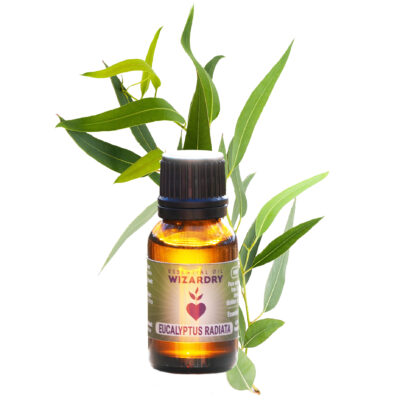
The lungs and surrounding tissues are sensitive to scent, which is why certain oils have long been used aromatically during breathing practices. Oils such as eucalyptus are commonly chosen for their crisp, refreshing aroma, which many people find supportive when the breath feels tight. This is often why eucalyptus respiratory blends are chosen during moments of focused breathing or seasonal transitions. Beyond physical sensation, these aromas may influence mood and attention, helping bring focus back to the breath itself.
Emotional And Energetic Tone
Many aromatic plants are appreciated not only for how they feel in the breath, but for the atmosphere they create overall. Oils like lavender, frankincense, ravintsara, and eucalyptus are commonly chosen when people want to invite steadiness, openness, or a feeling of spaciousness alongside breathing practices.
Shutes (ND) explains that research surrounding aromatic plant compounds suggests that inhalation may potentially support respiratory comfort through multiple gentle pathways, including sensory perception. Rather than acting in isolation or as a treatment, these scents often work best as part of a larger ritual that includes rest, attention, and gentle self-awareness.
Integrating Breathing Blends Into Daily Rituals
This philosophy carries through our Therapeutics collection, which includes holistic formulations created to be used aromatically or topically as part of mindful daily practices. These blends are inspired by botanical research, traditional use, and energetic consideration, offering plant-based companions for those who want to work with breath and ritual in a thoughtful way.
Choosing Oils With Awareness
Different oils carry different qualities. Some feel warming or invigorating, while others come across as cooling or calming. Instead of following rigid rules, it can be helpful to notice how your body and breath respond in the moment. A clearing aroma may feel supportive when the head feels heavy, while softer, rounder scents may feel more appropriate during times of tiredness or emotional overwhelm. Let sensation, preference, and intuition guide the choice, allowing the oil to complement your normal rhythm.
Essential Oils For Congestion And Clarity
Not all support for the breath needs to come from a blend. At times, working with a single botanical can feel more direct and intuitive. Certain essential oils are traditionally appreciated for how their aroma creates a sense of freshness or mental clarity, especially during moments when breathing feels constrained or heavy. These oils are often approached as sensory companions, helping set the tone for deeper, more conscious breathing.
Ravintsara: Gentle And Centering
Ravintsara is often chosen for its cool, clean aroma and its steady character. While it’s sometimes confused with similar botanicals, ravintsara has a distinct presence that many people describe as fresh without being overwhelming. When diffused or inhaled gently, it can help create an environment that feels clearer and more grounded, especially when your system feels energetically scattered.
Peppermint: Cooling And Invigorating
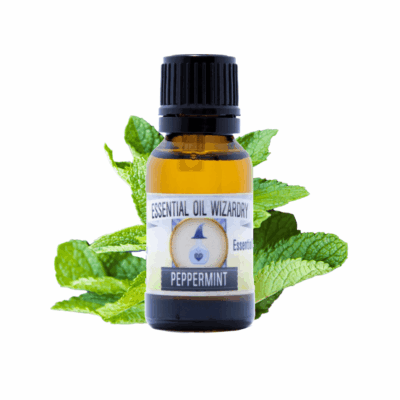
Peppermint offers a crisp, unmistakable scent that quickly awakens the senses. Aromatically, it’s often used to bring brightness and alertness into moments that feel dull. Many people enjoy peppermint when they want a cooling sensation or a feeling of renewed focus, particularly during breathwork or midday resets. Because of its intensity, it’s typically used in small amounts, allowing its refreshing quality to support clarity without overpowering the experience.
Each plant carries a different tone. Sometimes the softer freshness of ravintsara feels most supportive. Other times, the sharp clarity of peppermint is what brings awareness back into the body. Working with these oils is less about fixing and more about listening, letting scent guide the breath and the moment it’s moving through. For those who want to experiment with these botanicals alongside other thoughtfully crafted blends and tinctures, our Immune & Respiratory Collection brings together aromatic tools for inhalation, diffusion, massage, or mindful daily rituals.
Where To Start: Breathing Blends That Go Beyond The Basics
While single oils have their own clarity and character, thoughtfully crafted blends offer a more layered aromatic experience. When plants are combined with intention, their scents can unfold gradually, creating a sense of depth that supports breath awareness. These blends are less about targeting a single outcome and more about creating an atmosphere that the body can respond to.
Respire: Creating Space Through Scent
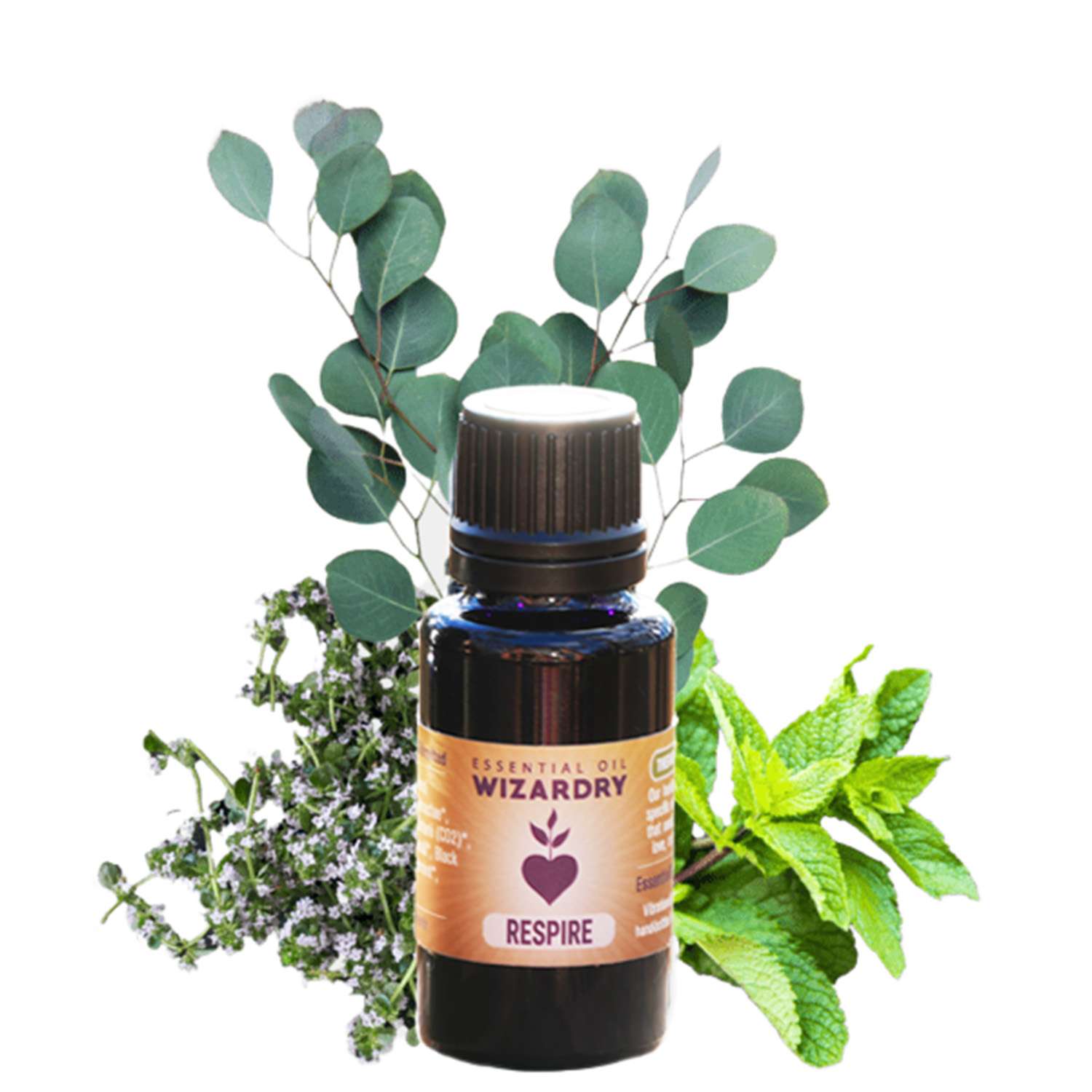
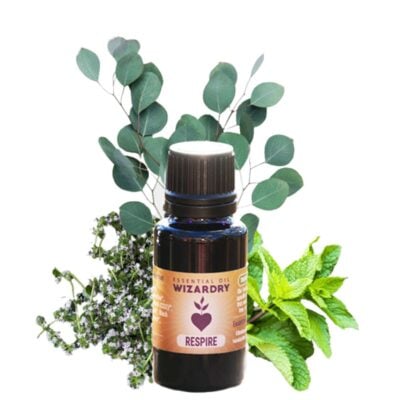
Respire was created as an aromatic companion for moments when the breath feels constricted or in need of renewal. The blend brings together botanicals traditionally associated with fresh, clearing aromas, resulting in a scent that feels crisp and cooling with a soft bite.
Many people choose to work with Respire during breathwork, meditation, or morning rituals as a way to invite a feeling of openness and clarity. Used aromatically, it can help reset the sensory environment and bring attention back to the rhythm of breathing. Rather than forcing change, the blend offers an invitation for the body to soften and respond in its own time.
Super Immune Boost: Aromatic Support During Transitions
Super Immune Boost is a more robust blend often reached for during seasonal shifts, travel, or periods when routines are disrupted. Its aroma is warm, spicy, and invigorating, making it a popular choice for creating immunity resilience in the body. While not designed solely for breath-focused practices, many people find that its aromatic profile pairs well with respiratory rituals, especially when used as a delicious breath freshener. It serves as a reminder to slow down and stay connected to the body during times of change.
For additional seasonal inspiration, we share reflections and favorites in our guide to Winter Wellness Essential Oils, where breath support often becomes part of a larger practice of warmth, circulation, and rest.
Blends like these are not about fixing the body. They are about creating sensory conditions that encourage presence. When plants work together in harmony, they offer a subtle form of guidance, helping each breath feel a little more spacious and supported.
Frequently Asked Questions About Essential Oils For Breathing
Can I use essential oils for breathing at night while I sleep?
Yes, many people choose to diffuse calming oils such as lavender, frankincense, or ravintsara in the evening. When used gently, these aromas can help create a relaxed nighttime environment. If you’re sensitive, it’s best to avoid more cooling oils like peppermint close to bedtime.
What essential oil blends support breath without a diffuser?
Diluted blends can be applied or massaged topically to areas such as the chest, stomach, soles of the feet, or the upper back. Steam inhalation using a bowl of warm (not boiling) water is another traditional method for aromatic use without a diffuser.
How long can I diffuse essential oils for respiratory-focused practices?
Short diffusion sessions of about 15–30 minutes are typically sufficient. Continuous diffusion for long periods isn’t usually necessary and may feel overwhelming for some people.
Do essential oils for breathing expire or lose potency?
Yes. Like most essential oils, they are best used within 2–5 years. To preserve their aroma and integrity, store them in dark glass bottles away from heat, light, and air.
Are there essential oils I should avoid for respiratory use?
Oils that are particularly hot, spicy, or irritating, such as oregano, cinnamon bark or clove, may be too intense for direct inhalation. When trying new oils, start slowly and reference reliable safety guidelines.
Can I blend essential oils for breath-focused use myself?
Yes. Many people enjoy creating simple blends using oils like eucalyptus, tea tree, or lemon. Understanding each oil’s aromatic profile and safe usage helps ensure a balanced experience.
What is the difference between steam inhalation and diffusion?
Steam inhalation offers a more direct and concentrated aromatic experience, while diffusion disperses oils gently into the surrounding air. Both approaches are commonly used, depending on preference and sensitivity.
Are organic or wildcrafted essential oils better for breathing blends?
Organic and wildcrafted oils are often preferred because they are free from pesticides and synthetic residues, and are sourced with greater attention to plant quality. For aromatic use, the purity and sourcing of essential oils matter.
Can essential oils influence emotional tone through breathwork?
Scent is closely linked to mood and memory (Walsh, 2020). When used during breath-focused practices, essential oils may help shape a calmer, more mindful atmosphere by engaging the senses and supporting present-moment awareness.
DISCLAIMER:
The information provided is intended for educational and informational purposes only and reflects historical, cultural, and experiential perspectives. It is not intended to diagnose, treat, cure, or prevent any disease, nor should it be interpreted as medical, legal, or professional advice. Individual experiences may vary. Always use personal discernment and consult a qualified professional when appropriate.
Sources:
- Shutes, J. (n.d.). Breathe easier: How essential oils support respiratory health. The School for Aromatic Studies. Retrieved January 15, 2026, from https://aromaticstudies.com/breathe-easier-how-essential-oils-support-respiratory-health/
- Walsh, C. (2020, February 27). What the nose knows: Experts discuss the science of smell and how scent, emotion, and memory are intertwined — and exploited. Harvard Gazette. https://news.harvard.edu/gazette/story/2020/02/how-scent-emotion-and-memory-are-intertwined-and-exploited/