


Tuberose has a reputation that precedes it. Ask any natural perfumer about the flowers that command the most attention in a composition, and tuberose will almost always be among the first named. It is heady and rich, unmistakably floral, with an almost narcotic depth that no synthetic fully replicates, and surprisingly versatile in the hands of someone who understands it.
-
Blue Lotus Absolute (Blue Lotus Oil)
Price range: $55.00 through $633.00 -
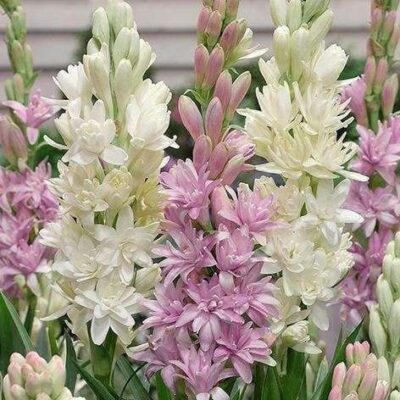
Tuberose Absolute
Price range: $44.00 through $479.00 -
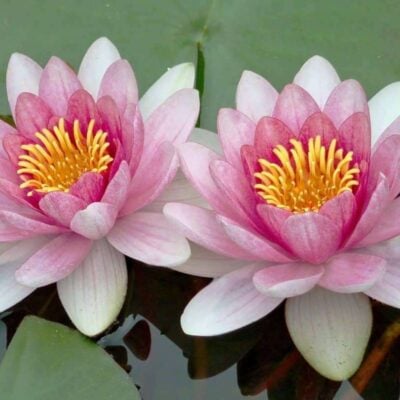
Pink Lotus Absolute
Price range: $55.00 through $355.00 -
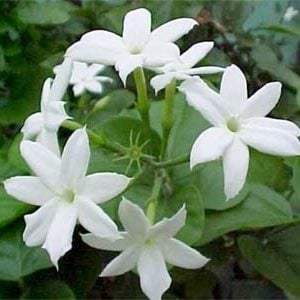
Jasmine Super
Price range: $35.00 through $333.00 -
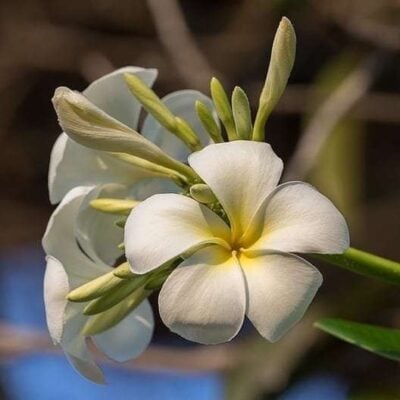
Plumeria Absolute (Frangipani Absolute)
Price range: $39.00 through $333.00 -
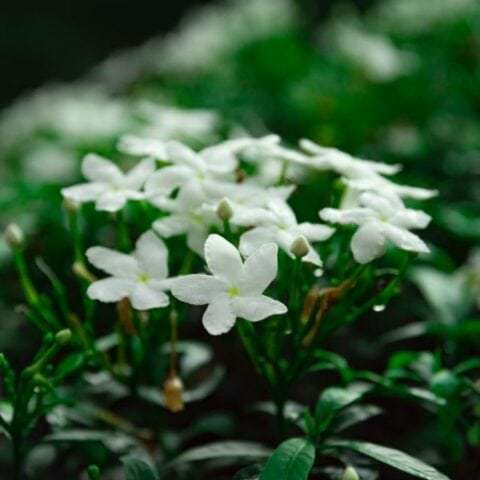
Jasmine Auriculatum Absolute
Price range: $111.00 through $288.00 -
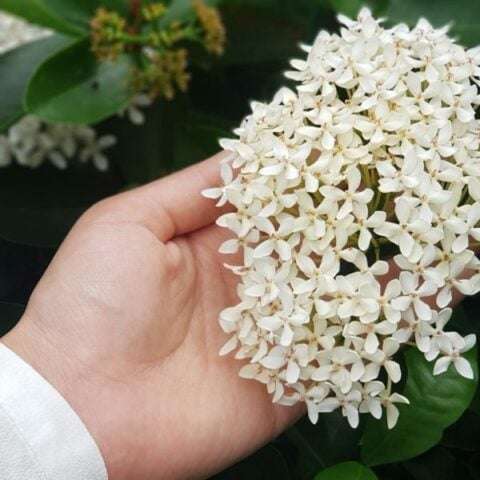
Jasmine Flexile Absolute
Price range: $55.00 through $288.00 -
Rose Essential Oil
Price range: $33.00 through $269.00 -
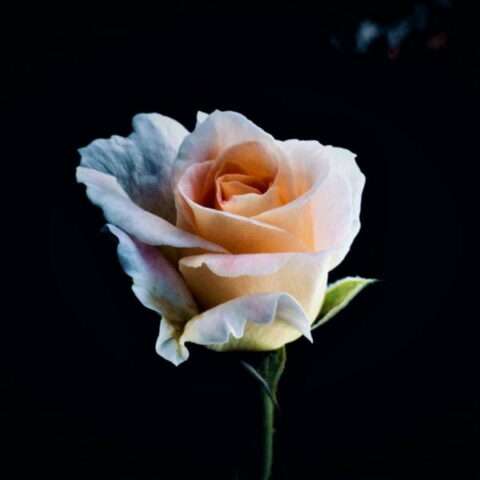
Rose Bourbon Absolute
Price range: $88.00 through $222.00 -
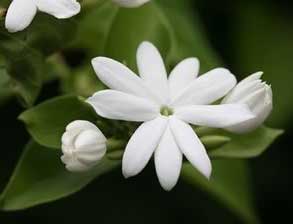
Jasmine Sambac Absolute
Price range: $33.00 through $222.00 -
Jasmine Grandiflorum Absolute
Price range: $25.00 through $207.00 -
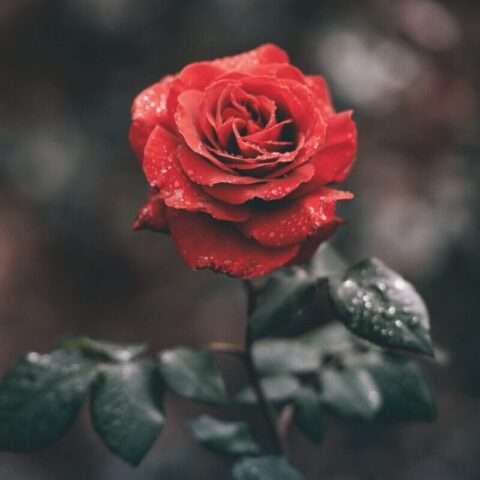
Rose Super
Price range: $55.00 through $185.00 -

Balsam Fir Absolute
Price range: $25.00 through $177.00 -
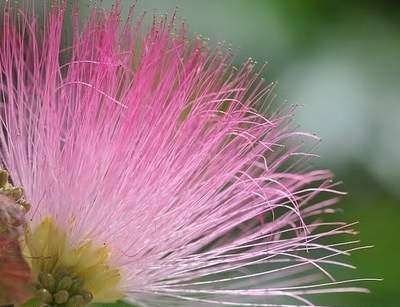
Cassie Absolute
Price range: $45.00 through $177.00 -
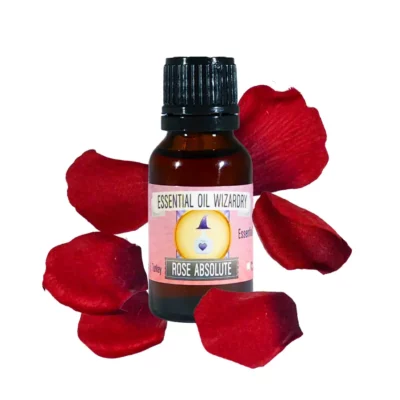
Rose Absolute
Price range: $35.00 through $155.00 -
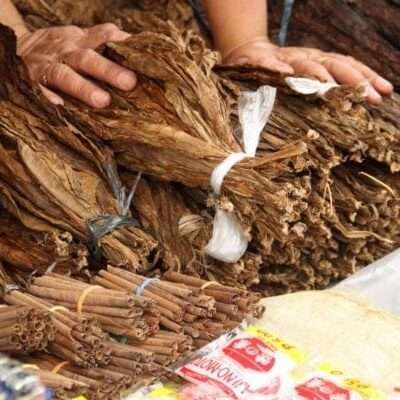
Tobacco Absolute
Price range: $25.00 through $105.00
CHECK OUT OUR BLOG
Natural Male Enhancement Tinctures: Tongkat Ali, Epimedium, And Kakanga Compared
A guide to natural male enhancement tinctures, comparing tongkat ali, epimedium, and kakanga root benefits, with insight from Essential Oil Wizardry.
Kanna Tincture vs. Kanna Resin: Which Format Is Right For You?
A guide to kanna tincture vs kanna resin, covering effects, dosing, and how to choose the best kanna format for your practice, from Essential Oil Wizardry.
Rose Absolute vs. Rose Otto: Bulgarian Rose And Rose Bourbon Absolute Compared
A guide to rose absolute, comparing Bulgarian rose absolute and rose bourbon absolute for perfume and ritual use — plus how rose otto (a steam-distilled essential oil) differs — with insight from Essential Oil Wizardry.
Tuberose Absolute Benefits And Why Perfumers Prize It
Tuberose absolute is one of the most discussed raw materials in natural perfumery, and for good reason. Its aromatic qualities are unlike those of any other white floral, and its value across professional and personal practice is considerable.
A Floral With A Paradoxical Nature
Polianthes tuberosa blooms at night, reaching its peak aromatic intensity after dark, when its scent floods the air with a richness that stops people mid-conversation. That same quality carries into the absolute. At high concentration, tuberose absolute is intensely floral and almost overwhelming. Diluted thoughtfully in a blend, it becomes one of the most captivating botanicals in the aromatic world. The indole compounds naturally present in the flower give tuberose its characteristic depth and slight animalic quality, the same compounds that make it so alive and memorable on skin. Tuberose absolute benefits in aromatic practice center on this particular quality: a presence that lingers, a scent that creates atmosphere rather than simply being noticed.
Tuberose In Cultural And Botanical Tradition
Known in India as rajnigandha, meaning “fragrance of the night,” tuberose has been used in temple offerings, wedding garlands, and ceremonies across South Asia for centuries. In Mexico, where the plant is native, it has a long history of ornamental and ceremonial significance. Major cultivation today takes place in India’s Madurai region and in Egypt. This cultural depth adds a dimension to working with tuberose absolute that goes beyond its aromatic properties alone.
Tuberose Absolute Uses In Natural Perfumery And Personal Practice
Tuberose absolute is used in both professional perfumery and personal practice, and understanding these uses helps ensure the material is worked with well.
Building With Tuberose In Perfumery
In natural perfumery, tuberose absolute functions primarily as a heart note, contributing central floral character to a composition. It blends beautifully with other white florals, musks, woods like sandalwood and cedarwood, and resins such as benzoin and labdanum. Green notes temper its intensity without diminishing its richness. Its tenacity is exceptional; even at low concentrations, it makes its presence felt throughout the drydown. For those working in or drawn to the world of botanical fragrance, Natural Perfume Brands offers a helpful orientation in that landscape.
Wearing And Working With Tuberose At Home
For personal use, a 1:2 dilution in a carrier oil such as jojoba or fractionated coconut oil is appropriate for most adults. At this level, the scent is intimate and long-lasting without being overpowering. A small amount on pulse points or wrists creates a fragrance experience that deepens over hours. Some practitioners use a single diluted drop to scent a fabric or ritual space, where the absolute’s tenacity becomes a strength. Because it is an absolute rather than a standard essential oil, it is generally not suited to ultrasonic diffusion.
Tuberose vs. Jasmine Absolute: Understanding The Difference
Both tuberose and jasmine are white florals beloved by perfumers, and both are produced as absolutes. They share some aromatic territory, but they are distinctly different materials serving different purposes in a composition.
Scent Character, Depth, And Blending Personality
Jasmine absolute, whether from Jasminum grandiflorum or Jasminum sambac, has a bright, solar, slightly green quality alongside its floral richness. Grandiflorum is classically floral and luminous; sambac is sweeter, more honeyed, with a faint tea-like quality. Both are indolic, but their indole signature is lighter and more approachable than tuberose’s.
Tuberose absolute is darker, creamier, and more intensely narcotic than either jasmine variety. It projects more strongly, tends to anchor a composition, and requires more care in blending to keep it balanced. For practitioners who want a white floral with a softer opening and more familiar character, jasmine is often the easier starting point. For those who want more drama and depth, tuberose is in a category of its own. The most satisfying aromatic collections tend to have both.
How To Choose Tuberose Absolute: What To Look For
How to choose tuberose absolute starts with this: not all tuberose absolutes are equal. Given how expensive and labor-intensive genuine tuberose absolute is to produce, adulteration with synthetic materials is not uncommon. Knowing what to look for makes a real difference in the experience you end up with.
Markers Of Genuine Quality In An Absolute
A genuine tuberose absolute is typically pale yellow to amber, viscous, and intensely rich in scent, with a creamy, deeply floral character and recognizable indolic depth. An absolute that smells flat, one-dimensional, or synthetic. Sourcing from suppliers who are transparent about their extraction methods and supply chains is essential. For context on how absolutes are produced and why the method matters for quality, Absolutes vs. Essential Oils is a clear and thorough resource. For those building a broader aromatic collection, Best Rare Essential Oils To Collect offers a useful guide to what is worth seeking out and why.
Our Floral Absolutes Collection
We carry a small, carefully chosen range of floral absolutes suited to different intentions and aromatic sensibilities.
Our Tuberose Absolute is sourced for genuine complexity and the deep, narcotic quality that defines the real material. For jasmine, we carry both Jasmine Grandiflorum Absolute and Jasmine Sambac Absolute, two distinct expressions of the same genus that reward having both on hand. Our rose preparations round out the collection: Rose Absolute is an accessible solvent-extracted rose for those beginning their aromatic rose journey, and Vintage Rose Absolute is an aged, deeply evolved preparation for those who want the full complexity of what rose becomes over time. For a fuller perspective on rose’s aromatic and traditional dimensions, Rose Essential Oil Benefits is a worthwhile companion read.
All our absolutes are sourced with integrity, handled in small batches, and best stored away from heat, light, and air. They are best used within 2 to 5 years of purchase.
Frequently Asked Questions About Tuberose Absolute
What is tuberose absolute?
Tuberose absolute is a solvent-extracted aromatic preparation from the flowers of Polianthes tuberosa, a night-blooming plant native to Mexico with major cultivation in India and Egypt. It is prized in natural perfumery for its intensely rich, creamy, and deeply floral scent.
Why is tuberose absolute so expensive?
Tuberose requires enormous quantities of hand-harvested blossoms to yield even small amounts of absolute, with some estimates putting the ratio at roughly 6,000 to 8,000 kilograms of fresh flowers per kilogram of absolute produced (Tuberose Absolute in Perfumery, n.d.). The flowers must be collected at night when their aromatic intensity peaks, and the extraction requires skill and care. This combination of volume, timing, and labor makes it one of the more expensive natural aromatics available.
Is tuberose absolute the same as tuberose essential oil?
Tuberose is too fragile for steam distillation. All genuine tuberose preparations are absolutes, produced through solvent extraction. Any product marketed as a tuberose “essential oil” should be approached with caution.
How should tuberose absolute be diluted?
A dilution of 1-2% in a carrier oil is appropriate for most adults. Tuberose is a potent material, and a little goes a long way. Starting at the lower end and adjusting based on personal response is the most sensible approach.
What does tuberose absolute blend well with?
It pairs well with other white florals, sandalwood, cedarwood, benzoin, labdanum, musks, and green notes. It can anchor a composition or contribute to a layered floral heart, depending on how it is used.
How should tuberose absolute be stored?
Keep it sealed in a cool, dark place away from heat, light, and air. Like all our botanical preparations, it is best used within 2 to 5 years of purchase.
Sources:
- Tuberose absolute in perfumery. (n.d.). Première Peau. https://premierepeau.com/pages/glossary-terms/tuberose-absolute