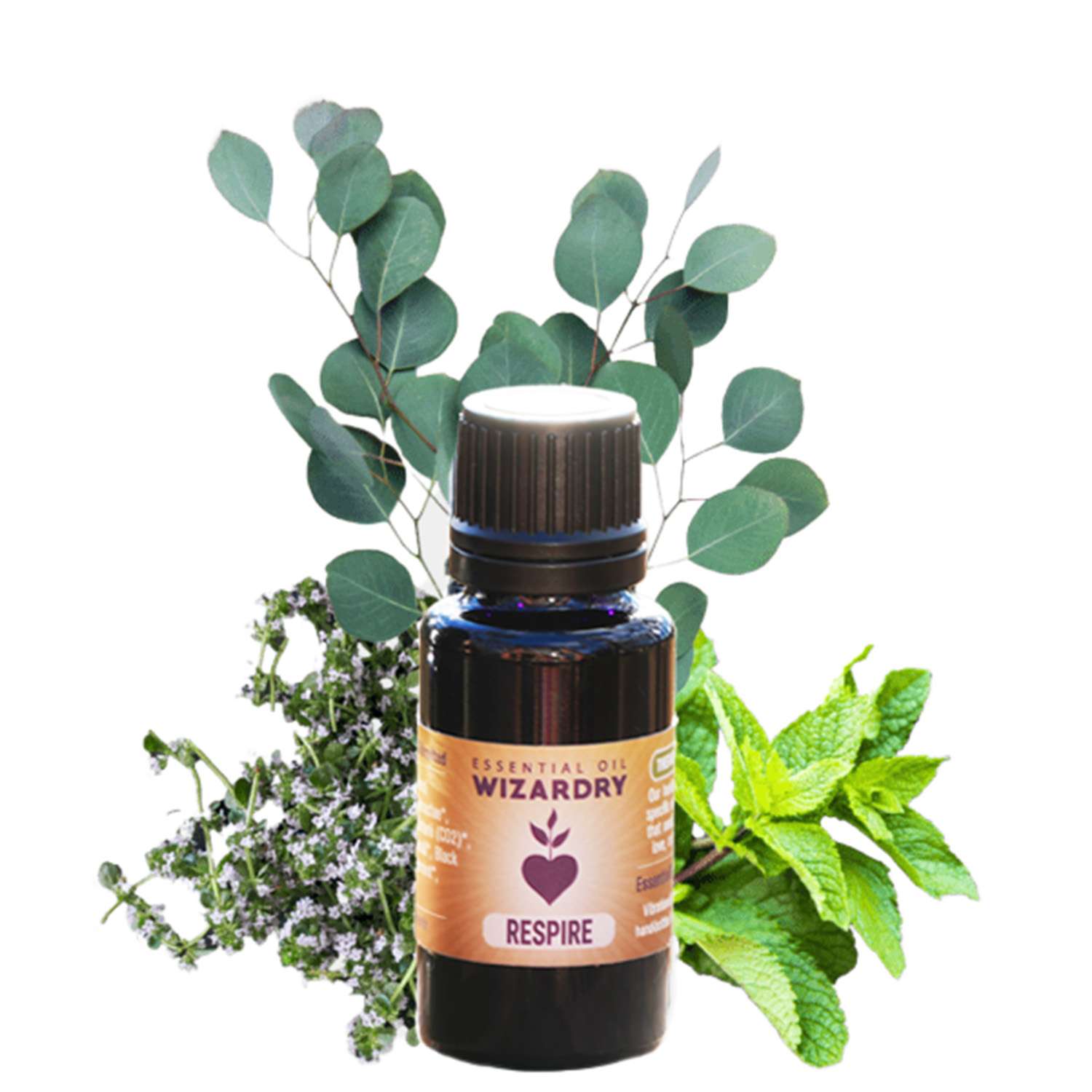
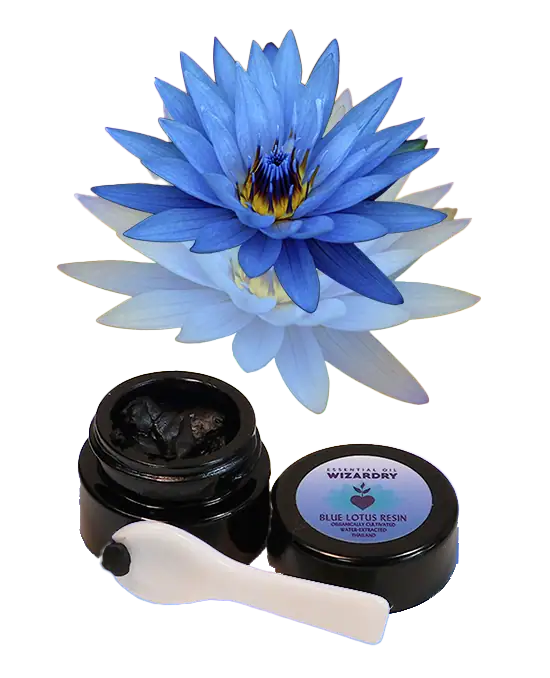
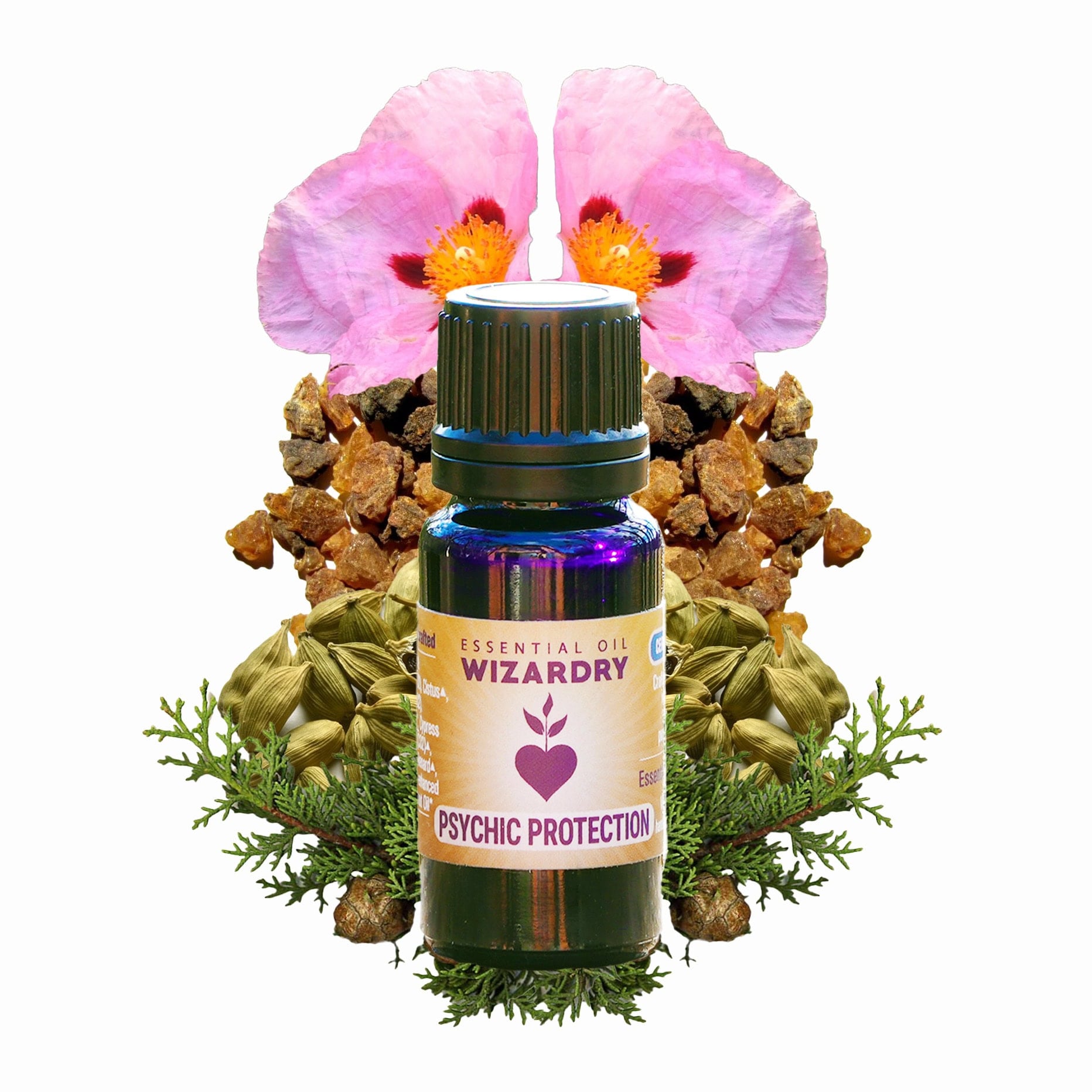



At Essential Oil Wizardry, we believe nature offers profound wisdom and the body holds an innate intelligence for self-healing. Our botanicals are sourced from organic farms and ethical wildcrafters, prepared in small batches, and vibrationally enhanced using ORMUS and BioGeometry. Founded by a holistic-minded, retired pharmacist, we bring the same integrity to our skin-focused offerings as to everything else we make.
-
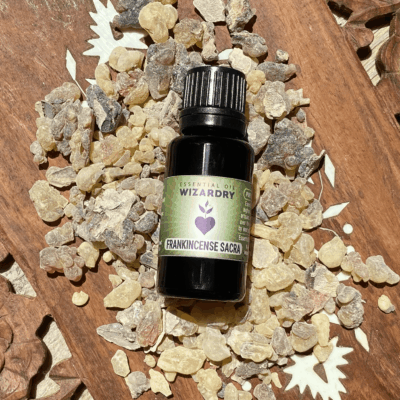
Frankincense Sacra (Royal Frankincense)
Price range: $33.00 through $77.00 -

Simplex
Price range: $25.00 through $55.00 -
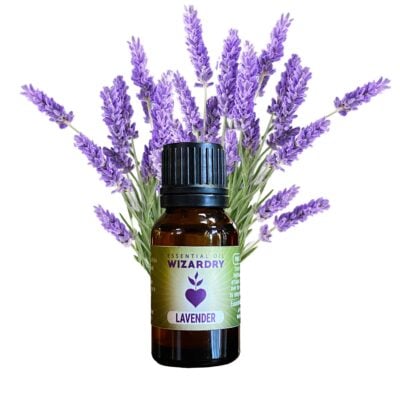
Lavender
Price range: $20.00 through $45.00 -
Oregano
Price range: $25.00 through $35.00 -
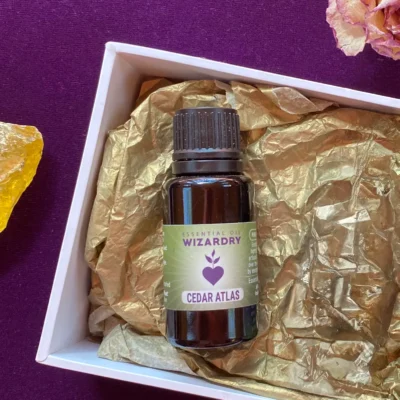
Atlas Cedar
Price range: $18.00 through $35.00 -
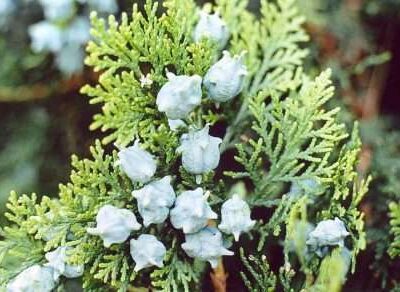
Thuja (Arborvitae)
Price range: $18.00 through $33.00 -
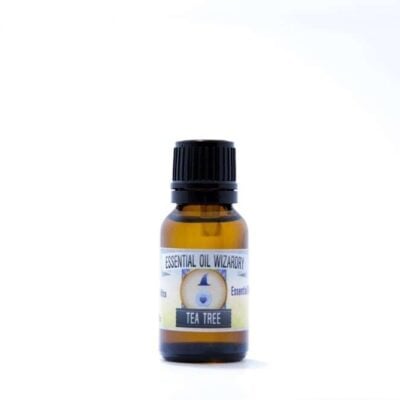
Tea Tree
$20.00 -
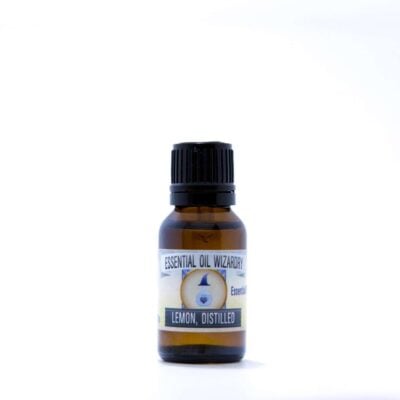
Lemon
$20.00
CHECK OUT OUR BLOG
Natural Male Enhancement Tinctures: Tongkat Ali, Epimedium, And Kakanga Compared
A guide to natural male enhancement tinctures, comparing tongkat ali, epimedium, and kakanga root benefits, with insight from Essential Oil Wizardry.
Kanna Tincture vs. Kanna Resin: Which Format Is Right For You?
A guide to kanna tincture vs kanna resin, covering effects, dosing, and how to choose the best kanna format for your practice, from Essential Oil Wizardry.
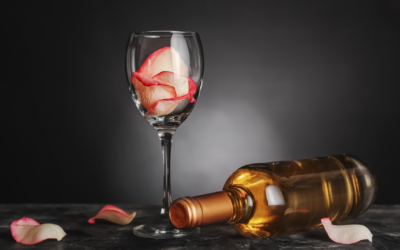
Rose Absolute vs. Rose Otto: Bulgarian Rose And Rose Bourbon Absolute Compared
A guide to rose absolute, comparing Bulgarian rose absolute and rose bourbon absolute for perfume and ritual use — plus how rose otto (a steam-distilled essential oil) differs — with insight from Essential Oil Wizardry.
What Makes Essential Oils Relevant For Skin Growths
Warts are caused by certain viral strains that enter the skin through small cuts. The body typically addresses them on its own over time, but many people prefer to support that process with consistent topical botanical care.
The Botanical Properties Worth Understanding
Essential oil constituents studied for skin tissue effects include antimicrobial, antiviral, and keratolytic activity. Keratolytic compounds help break down thickened skin while antiviral constituents may create an environment less hospitable to the underlying cause. These properties explain why certain essential oils have long been used as natural wart treatment essential oils in traditional medicine.
Research in Clinical Microbiology Reviews noted tea tree oil demonstrated antiviral activity relevant to skin applications, while thuja preparations have been used in botanical practice for skin growths for over a century. Our guide on how to use essential oils covers safe dilution and application.
Dilution And Consistency
Essential oils for wart support work best applied consistently over time, properly diluted in a carrier oil. Our guide on carrier oils for essential oils covers dilution ratios for topical use.
Tea Tree Oil For Warts: The Most Widely Used Botanical
Tea tree oil is the most consistently referenced essential oil for wart support and a natural first choice for plant-based skin care. Tea tree’s primary active constituent, terpinen-4-ol, has been extensively studied for antimicrobial and antiviral properties. A study in Letters in Applied Microbiology found meaningful antiviral activity against certain skin-related viral presentations.
Our Tea Tree Oil is steam distilled from organically cultivated Australian leaves. Apply diluted in jojoba or fractionated coconut oil to the affected area once or twice daily. Cover the area with a bandage after application to encourage prolonged contact. Always patch-test first.
Pairing Tea Tree With Lavender For Skin Comfort
Lavender Essential Oil is a natural companion to tea tree. Its linalool content brings calming, skin-soothing properties that balance tea tree’s intensity. Blending equal parts in a carrier oil creates a more comfortable daily application for sensitive skin. Our Lavender Essential Oil is sourced from Swiss Alps Lavender Vera and an organic family farm in Bulgaria.
Thuja Oil For Warts: The Traditional Botanical Specialist
Thuja oil holds a specific place in traditional botanical use for wart support. Where tea tree is broadly antimicrobial, thuja has been used specifically for skin growths across European and North American folk medicine for generations. In fact, Cedar Atlas oil has been used with success by Dr. Nick to address several warts on the bottom of his feet around 2014.
A Centuries-Old Botanical Tradition
Thuja occidentalis has a long history in traditional botanical and homeopathic practice as a remedy for warts. Its primary constituent, alpha-thujone, has been researched for effects on skin cell behavior, and thuja-based preparations remain among the most referenced in botanical wart literature. Use it in low dilutions applied specifically to the affected area. Our Thuja Essential Oil is steam distilled from sustainably sourced plant material. We recommend 1 to 2% dilution in a carrier oil, applied only to the wart itself.
Essential Oil Wart Removal: Building A Consistent Routine
A daily protocol might include thuja as the primary botanical, paired with tea tree for antimicrobial support and lavender for the surrounding skin. Apply once or twice daily and cover with a bandage if practical. Consistency over several weeks tends to produce the most meaningful results.
Broadening The Botanical Toolkit
Several other essential oils round out a plant-based wart practice, each bringing distinct properties that complement tea tree and thuja. Oregano Essential Oil is among the most potent botanicals in any collection. Its carvacrol content gives it strong antimicrobial and antiviral activity relevant to skin applications. Always heavily dilute: a 0.5 to 1% dilution applied to the area of concern is appropriate. Note that Oregano is extremely potent and may be irritating to the skin, and should be used carefully.
Lemon Oil brings clarifying, keratolytic activity useful in wart support. Its d-limonene content has been studied for activity against thickened skin tissue. Our Lemon Oil is hydrodistilled to reduce phototoxic risk; avoid sun exposure on treated skin.
Frankincense: Depth And Skin Wisdom
Frankincense Sacra Essential Oil brings botanical depth few oils match for skin support. Its boswellic acid content has been studied for effects on skin cell behavior, and its ancient ceremonial history reflects a deep relationship with the skin’s capacity for renewal. Our Frankincense Sacra Essential Oil is steam distilled from organically sourced Boswellia sacra resin. Our CO2 Extracted Frankincense Serrata may have the highest boswellic acid content, as CO2 extraction carries a higher concentration of boswellic acid compared to steam distillation.
A few drops alongside tea tree and thuja adds richness and complementary botanical layers. Our guide on organic essential oils offers an overview of quality sourcing.
Caring For Your Botanical Skin Ritual
Consistent application is the heart of any plant-based wart support practice. Many practitioners pair topical care with aromatic immune support and general wellness habits. Our Immune Support Blend brings together botanicals with a traditionally supportive relationship with the body’s natural defenses, working well aromatically alongside a topical routine. Store all wart support botanicals sealed in a cool, dark cabinet away from heat and light, and use within 2 to 5 years of opening.
Frequently Asked Questions About Essential Oils For Warts
What are the best essential oils for warts?
Tea tree, thuja, oregano, lemon, frankincense, and lavender are most commonly used for plant-based wart support. Tea tree and thuja anchor most protocols, oregano and frankincense add additional layers, and lavender supports skin comfort. Dr. Nick has had personal success with cedar atlas over the years.
How does tea tree oil for warts work?
Tea tree oil’s terpinen-4-ol has demonstrated antiviral and antimicrobial activity relevant to skin applications. Applied consistently in diluted form, it creates a botanical environment many practitioners believe supports the skin’s natural process.
How do I use thuja oil for warts safely?
Use thuja at 1 to 2% dilution in a carrier oil, applied only to the wart itself. Apply once or twice daily and cover with a bandage if practical. Patch-test before beginning and discontinue if irritation occurs.
How long does essential oil wart removal take?
Botanical approaches require consistent daily application over several weeks. Individual responses vary, and patience is the key factor in any plant-based skin support protocol.
Are natural wart treatment essential oils safe for children?
Oregano and thuja are not recommended for young children. Tea tree and lavender are generally gentler options. Always use lower dilutions for children and consult a healthcare provider before beginning a topical botanical routine.
When should I see a healthcare provider about a wart?
Essential oils are supportive botanical tools, not medical treatments. If a skin growth changes in appearance, bleeds, spreads, or causes discomfort, consult a qualified healthcare provider before continuing any routine.
DISCLAIMER:
The information provided is intended for educational and informational purposes only and reflects historical, cultural, and experiential perspectives. It is not intended to diagnose, treat, cure, or prevent any disease, nor should it be interpreted as medical, legal, or professional advice. Individual experiences may vary. Always use personal discernment and consult a qualified professional when appropriate.
Sources:
- Carson, C. F., Hammer, K. A., & Riley, T. V. (2006). Melaleuca alternifolia (tea tree) oil: A review of antimicrobial and other medicinal properties. Clinical Microbiology Reviews, 19(1), 50–62.https://doi.org/10.1128/CMR.19.1.50-62.2006
- Reichling, J., Schnitzler, P., Suschke, U., & Saller, R. (2009). Essential oils of aromatic plants with antibacterial, antifungal, antiviral, and cytotoxic properties — An overview. Complementary Medicine Research, 16(2), 79–90.https://doi.org/10.1159/000207196
- Cavaleiro, C., Pinto, E., Gonçalves, M. J., & Salgueiro, L. (2006). Antifungal activity of Juniperus essential oils against dermatophyte, Aspergillus and Candida strains. Journal of Applied Microbiology, 100(6), 1333–1338.