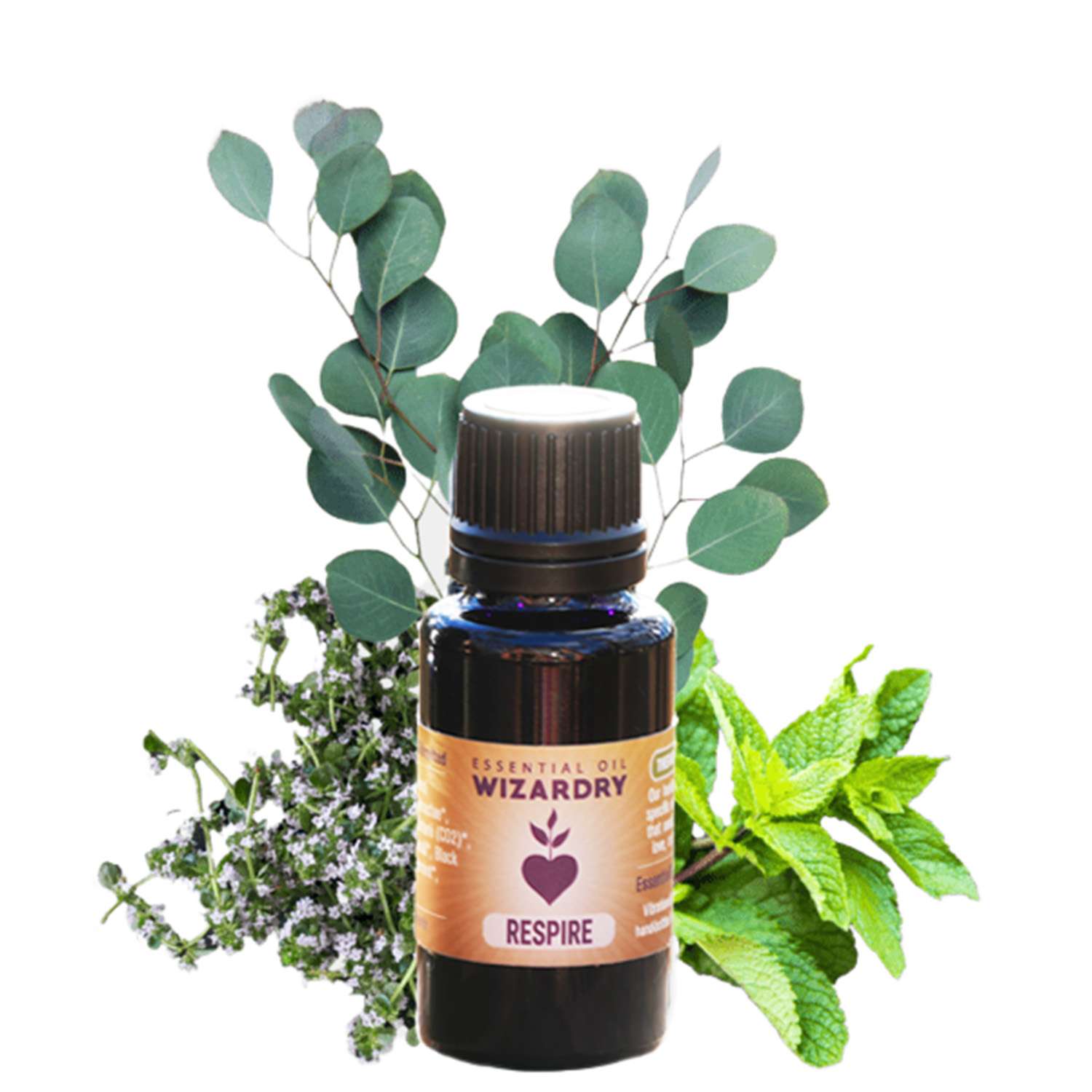
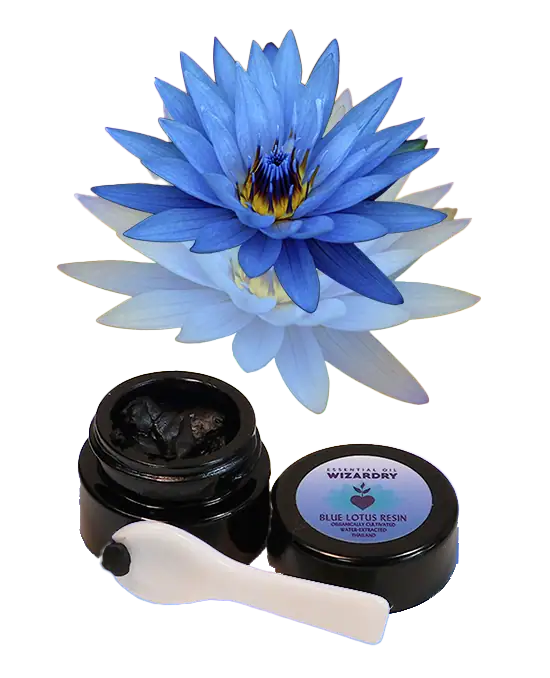
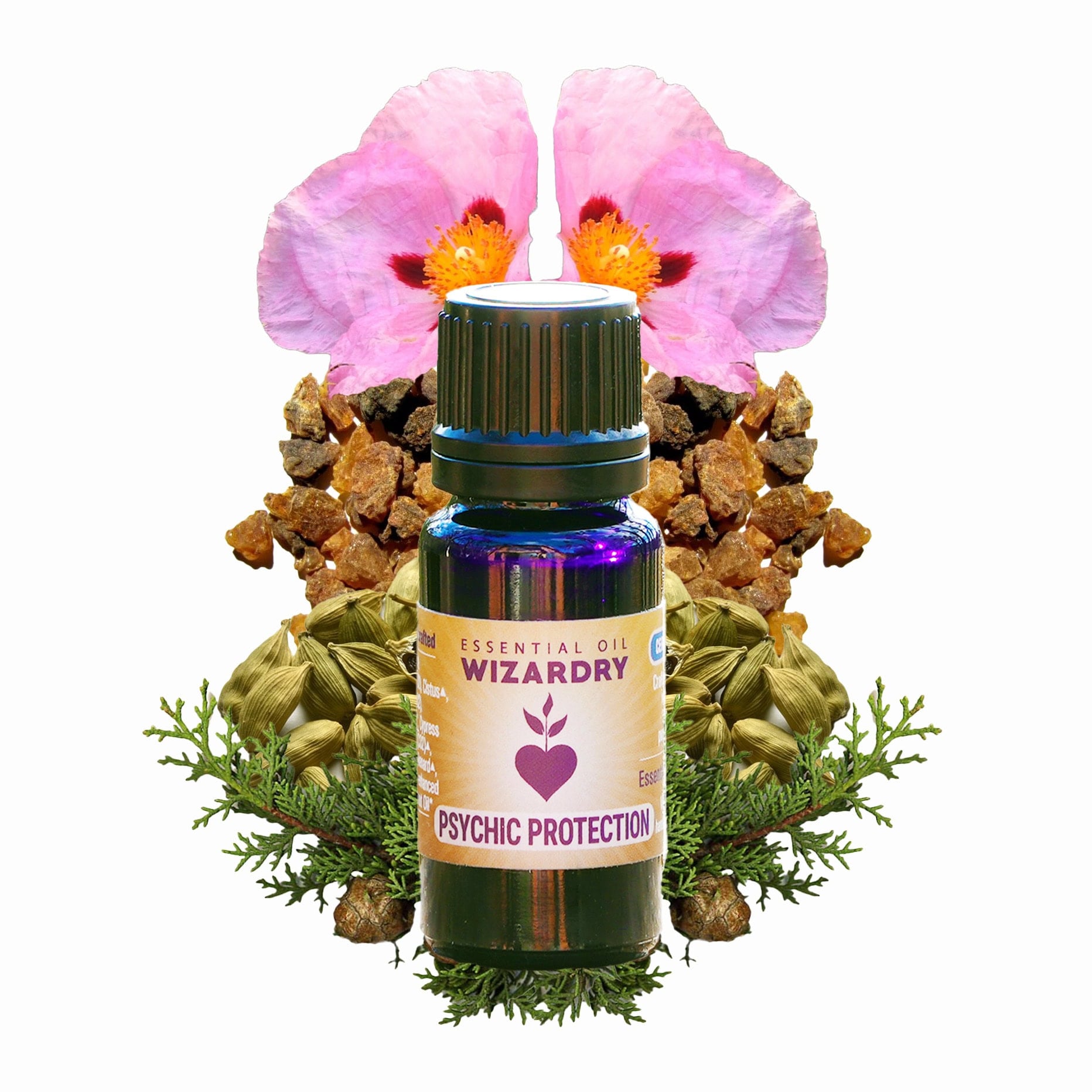



At Essential Oil Wizardry, we source oils from organic farms and ethical wildcrafters, prepare them in small batches, and vibrationally enhance each one using energetic tools like ORMUS and BioGeometry. Founded by a holistic-minded, retired pharmacist, we hold integrity in sourcing as foundational, especially for products used in shared spaces with children and pets.
CHECK OUT OUR BLOG
Natural Male Enhancement Tinctures: Tongkat Ali, Epimedium, And Kakanga Compared
A guide to natural male enhancement tinctures, comparing tongkat ali, epimedium, and kakanga root benefits, with insight from Essential Oil Wizardry.

Kanna Tincture vs. Kanna Resin: Which Format Is Right For You?
A guide to kanna tincture vs kanna resin, covering effects, dosing, and how to choose the best kanna format for your practice, from Essential Oil Wizardry.

Rose Absolute vs. Rose Otto: Bulgarian Rose And Rose Bourbon Absolute Compared
A guide to rose absolute, comparing Bulgarian rose absolute and rose bourbon absolute for perfume and ritual use — plus how rose otto (a steam-distilled essential oil) differs — with insight from Essential Oil Wizardry.
How Botanical Oils Deter Fleas From Your Home
Fleas rely heavily on chemical signals to locate hosts. Concentrated aromatic compounds in essential oils appear to interfere with those signals, making treated spaces unappealing. Aromatic plants have been used in homes and around livestock for centuries to discourage fleas and other biting insects.
What Research Says About Natural Flea Treatment Essential Oils
A study in Parasitology Research found cedarwood oil demonstrated significant repellent activity against fleas in controlled laboratory conditions. Separate research highlighted the efficacy of lemongrass and citronella-based preparations in deterring biting insects through olfactory disruption.
Essential oils work by disrupting fleas’ ability to orient toward hosts, creating an olfactory environment they avoid. Consistent application is key as the barrier needs regular refreshing. Our guide on essential oils for ants covers complementary principles.
Setting Realistic Expectations
Essential oils are most effective as prevention and early deterrence rather than a primary treatment for heavy infestation. They work best applied consistently to entry points and pet bedding during early flea activity, complementing professional pest management for severe cases.
Cedarwood Oil For Fleas: The Botanical Foundation
Cedarwood is the most historically embedded botanical in flea deterrence. Cedar chests were used for centuries to protect textiles from insects, and the science behind that tradition is well-established.
Two Cedarwood Varieties Worth Knowing
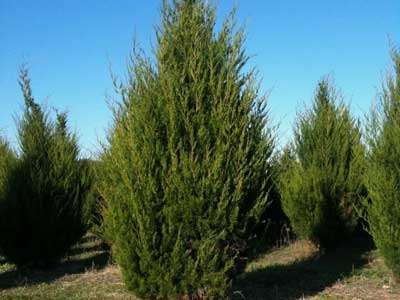
We carry two distinct cedarwood expressions. Virginian Cedarwood Essential Oil is steam distilled from sustainably sourced Juniperus virginiana, carrying a dry, warm character traditionally used in insect deterrence. It works well in flea-repellent sprays for floors and baseboards.
Himalayan Cedarwood Essential Oil comes from Cedrus deodara, native to the western Himalayas. Its profile is warmer and slightly sweeter, with more woody depth. Both carry cedrol and related sesquiterpenes responsible for their repellent activity, and using them together creates a richer deterrent than either alone.
How To Use Cedarwood For Flea Deterrence
Combine 15 to 20 drops of cedarwood oil with water and a few drops of castile soap in a spray bottle and apply to pet bedding, carpet edges, and baseboards every few days. A few drops on pet bedding at washing time also helps maintain a deterrent scent between treatments.
Essential Oils To Repel Fleas: Lemongrass, Citronella, And Lavender
Several botanicals bring their own flea-deterrent qualities alongside cedarwood, working well together in a layered approach.
Lemongrass And Citronella: High-Citral Deterrents
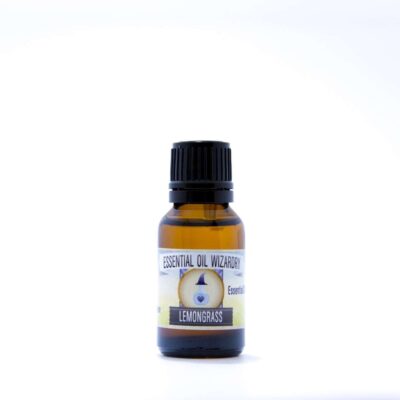
Lemongrass Essential Oil carries a high concentration of citral, the same compound responsible for citronella’s insect-deterrent activity. Research published in the Journal of Vector Ecology confirmed that citral-rich preparations demonstrated meaningful repellent effects against a range of insects. Lemongrass brings this activity in a lighter, more pleasant aromatic character suited to living areas.
Citronella’s blend of citronellal, geraniol, and citral creates a multi-compound aromatic barrier many insects including fleas find difficult to navigate. Our guide on Citronella essential oil covers its history and applications. Both our Lemongrass Essential Oil and Citronella are organically cultivated and steam distilled.
Lavender: Gentle Protection For Pet Spaces
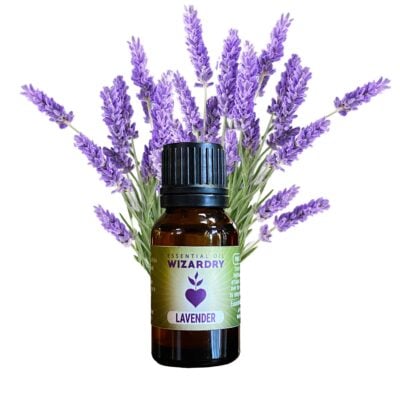
Lavender Essential Oil’s gentle character makes it appropriate for pet spaces where more intense oils might cause irritation. A diluted lavender spray on pet bedding discourages flea activity without overwhelming sensitive animal noses. Our Lavender Essential Oil is sourced from Swiss Alps Lavender Vera and an organic family farm in Bulgaria. All essential oils should be properly diluted and kept away from direct animal contact.
Eucalyptus And Peppermint: Sharpening The Aromatic Barrier
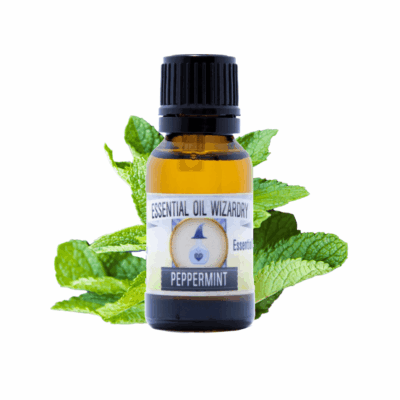
Eucalyptus and peppermint round out a complete botanical flea management toolkit with their own distinctive deterrent profiles. Eucalyptus Oil’s 1,8-cineole content creates an aromatic intensity many insects find inhospitable, working well in diffuser blends or floor cleaning preparations. Peppermint Oil’s menthol intensity maintains an aromatic deterrent barrier when added to a diluted spray or floor cleaner. Both our Eucalyptus Oil and Peppermint Oil are organically sourced and steam distilled.
Dilution And Safety For Pet Households
Cats are particularly sensitive to compounds in eucalyptus and peppermint and should never be exposed to these without veterinary guidance. Diffusion in well-ventilated spaces and surface application is always the safest approach. Our guide on carrier oils for essential oils covers dilution guidance, and our guide on essential oils for bug bites offers context for those dealing with flea bites.
Building A Botanical Flea Management Routine
Layering multiple oils across home touchpoints consistently produces the best results. A regular, light routine outperforms any single application.
Putting The Routine Together
Spray a diluted cedarwood and lemongrass blend along baseboards and carpet edges weekly. Wash pet bedding with a few drops of lavender in the cycle. Diffuse eucalyptus or citronella in pet rooms for 20 to 30 minute sessions. Add peppermint or lemongrass to your floor cleaner for an ongoing aromatic barrier. Reapply sprays every two to three days, or more in humid weather. Like all of our products, our flea deterrent oils are best kept sealed tightly in a cool, dark cabinet and used within 2 to 5 years of opening.
Frequently Asked Questions About Our Essential Oils For Fleas
What are the best essential oils to repel fleas?
Cedarwood, lemongrass, citronella, lavender, eucalyptus, and peppermint are the botanicals we reach for most. Cedarwood anchors the foundational deterrent, lemongrass and citronella add high-citral activity, lavender offers gentle protection for pet spaces, and eucalyptus and peppermint sharpen the aromatic barrier. Lemon eucalyptus is the most rich citral containing species of Eucalyptus.
Is cedarwood oil safe for pets?
Cedarwood is generally considered safer for use around dogs when properly diluted and applied to surfaces. Keep it away from cats without veterinary guidance. Always dilute before use and avoid direct application to any animal.
How do I use essential oils for fleas on dogs?
Focus flea deterrence on the dog’s environment. Spray diluted cedarwood or lavender on bedding and maintain a deterrent aromatic environment in rooms where the dog spends time. Always consult a veterinarian before applying any essential oil directly to a pet.
Can I use natural flea treatment essential oils on carpets?
Yes. A diluted cedarwood, lemongrass, and lavender spray with castile soap works well on carpets. Test a small area first and allow to dry fully before pets or children contact treated surfaces.
How often should I reapply essential oils for flea control?
Every two to three days is a reasonable baseline. Pet bedding should be treated at each wash. During peak flea season, more frequent applications at entry points help maintain the aromatic barrier.
Are essential oils enough to eliminate a flea infestation?
Essential oils work best as prevention and early deterrence. For established infestations, they complement professional pest management and thorough cleaning of all soft furnishings most effectively.
DISCLAIMER:
The information provided is intended for educational and informational purposes only and reflects historical, cultural, and experiential perspectives. It is not intended to diagnose, treat, cure, or prevent any disease, nor should it be interpreted as medical, legal, or professional advice. Individual experiences may vary. Always use personal discernment and consult a qualified professional when appropriate.
Sources:
- Panneerselvam, C., Murugan, K., Kovendan, K., Mahesh Kumar, P., & Subramaniam, J. (2012). Mosquito larvicidal and repellent activity of Artemisia nilagirica essential oil against Anopheles stephensi, Aedes aegypti, and Culex quinquefasciatus. Parasitology Research, 111(6), 2241–2251.
- 2. Müller, G. C., Junnila, A., Butler, J., Kravchenko, V. D., Revay, E. E., Weiss, R. W., & Schlein, Y. (2009). Efficacy of the botanical repellents geraniol, linalool, and citronella against mosquitoes. Journal of Vector Ecology, 34(1), 2–8.