


At Essential Oil Wizardry, we source oils from organic farms and ethical wildcrafters, prepare them in small batches, and vibrationally enhance each one using energetic tools like ORMUS and BioGeometry. Founded by a holistic-minded, retired pharmacist, our brand is built on the conviction that nature offers practical wisdom for everyday life.
CHECK OUT OUR BLOG

Blue Lotus Extracts: A Guide To Concentrated Preparations
A guide to blue lotus concentrate in every form, from resin to tincture to absolute, with thoughtful guidance on use and dosing from Essential Oil Wizardry.

Blue Lotus Spiritual Meaning: Ancient Symbolism And Modern Use
A guide to blue lotus spiritual meaning, ancient symbolism, and modern ritual use, with plant-based wisdom and ceremonial insight from Essential Oil Wizardry.

Wild Lettuce Extract: Benefits, Uses, And What To Expect
Learn about wild lettuce extract, its traditional uses, wild lettuce dosing, and how it supports rest, with guidance from Essential Oil Wizardry.
Why Spiders Respond To Aromatic Plant Compounds
Spiders navigate primarily through chemical signals, using sensory organs in their legs and bodies to detect compounds in their environment. Certain volatile aromatic molecules appear to overwhelm those signals, which is why strongly scented plants have historically been placed near doorways and windows in traditional households.
The Science Behind Essential Oil Spider Repellent
A study published in the Journal of Economic Entomology found peppermint oil among the most effective essential oils for deterring spider activity, with strong avoidance behavior noted in treated areas. Similar responses were observed for citronella and tea tree compounds. Essential oils work primarily through olfactory disruption: the intensity of concentrated plant extracts signals an inhospitable environment. Our guide on essential oils for ants covers related principles.
Natural Spider Deterrent Vs. Chemical Alternatives
Unlike synthetic pesticides, essential oil deterrents work by making a space aromatically unwelcoming. They do not kill spiders and are not designed to eliminate an infestation. Their strength is in consistent, preventive use. Our guide on how to use essential oils covers safe dilution and application basics.
Peppermint Oil For Spiders: The Most Widely Used Botanical Repellent
Peppermint is the most consistently referenced essential oil for spider deterrence. Its high menthol content creates an aromatic intensity that many insects and arachnids find strongly aversive, making it the natural starting point for any botanical home repellent practice.
How To Use Peppermint Oil As A Spider Repellent
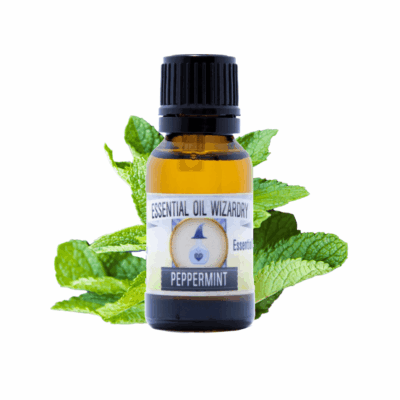
The most practical method is a diluted spray. Combine 15 to 20 drops of peppermint oil with water and a small amount of liquid castile soap, shake before each use, and apply along baseboards, window frames, and door edges. For enclosed areas, place a few drops on cotton balls in cabinet corners or under-sink spaces for a longer-lasting aromatic point. Our Peppermint Oil is organically sourced from India and South Africa, steam distilled to preserve its full menthol profile.
Combining Peppermint With Other Repellent Oils
Peppermint is most effective as part of a layered approach. A combination of 10 drops of peppermint, 5 drops of tea tree, and 5 drops of lemongrass in a spray bottle creates a more complex aromatic barrier that smells genuinely pleasant in the home.
Keep Spiders Away Essential Oils: Tea Tree, Eucalyptus, And Citronella
Several botanicals complement peppermint’s repellent qualities and bring their own deterrent character to a home spider management practice.
Tea Tree And Eucalyptus: Sharp, Clarifying Deterrents
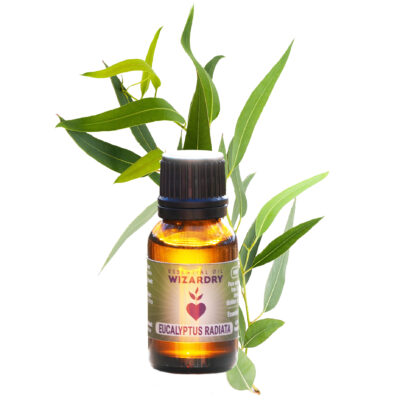
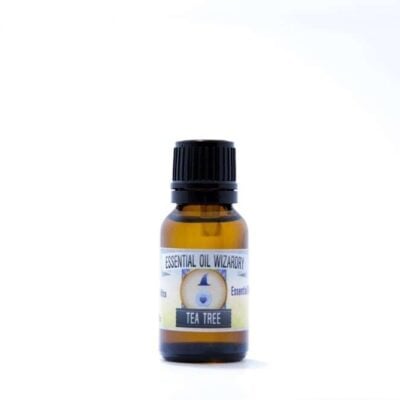
Tea Tree Oil carries a sharp, medicinal aromatic character that many spiders find aversive, working well in bathroom and under-sink spaces where moisture attracts spider activity. Eucalyptus Oil brings a crisp, camphoraceous aroma that carries well in larger spaces and deepens the aromatic barrier when blended with peppermint. Both are organically sourced and steam-distilled.
Citronella And Lemongrass: Bright Citrus Deterrents
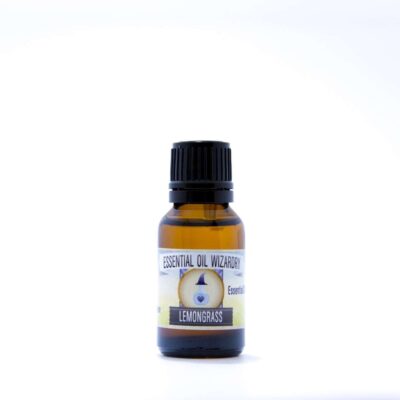
Citronella is one of the most widely recognized botanical insect deterrents, and its effectiveness extends to spiders. Its citral and geraniol content interferes with the chemical sensing of many insects. Our guide on Citronella essential oil covers its history and applications. Lemongrass shares citronella’s citral-rich character and works well in living spaces where a lighter aromatic quality is preferred. Both are organically cultivated and steam-distilled.
Atlas Cedar And Bug Repel: Layering Botanical Protection
For those wanting to deepen botanical home protection beyond the spray bottle, Atlas cedar and our Bug Repel blend offer additional repellent support.
Atlas Cedar: Grounding And Time-Tested
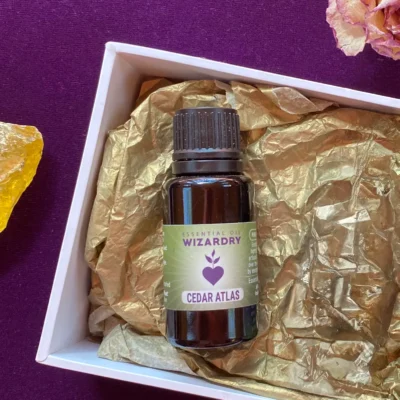
Atlas Cedar Oil has a long history as a natural pest deterrent, rooted in the tradition of storing valuables in cedarwood chests to protect them from insects. Its constituents cedrol and alpha-cedrene create an olfactory environment many arthropods find inhospitable. It works well on baseboards and door frames, or diffused in rooms that attract spider activity. Our Atlas Cedar Oil is steam distilled from sustainably harvested Moroccan cedar.
Cedar oil is known to have a wood-protective effect when applied to furniture. Make sure to test in a small inconspicuous area before coating any furniture to prevent potential damage on fine furniture.
Bug Repel: Ready-Made Botanical Deterrence
Our Bug Repel blend brings together our most effective aromatic deterrent botanicals for broad-spectrum insect and pest deterrence. Dilute in water for a spray, diffuse in problem areas, or apply to cotton balls. Our guide on essential oils for bug bites offers useful context for those dealing with pest concerns beyond spiders.
A Simple Weekly Home Repellent Routine
Consistent use produces far better results than occasional heavy applications. Building spider deterrence into your existing weekly home care routine is the most practical approach.
Putting It Into Practice
Apply a diluted peppermint and citronella spray to door frames, window edges, and visible gaps once or twice a week. Replace cotton balls in enclosed spaces weekly using peppermint, tea tree, or atlas cedar. Run eucalyptus or Bug Repel in a diffuser for 20 to 30 minute sessions in problem rooms. A few drops of lemongrass or tea tree added to your floor cleaner maintains a light aromatic barrier along baseboards with no extra effort.
Like all of our products, our spider repellent oils are best kept sealed tightly in a cool, dark cabinet and used within 2 to 5 years of opening.
Frequently Asked Questions About Essential Oils For Spiders
What is the best essential oil for spiders?
Peppermint oil is the most widely researched botanical repellent for spiders. Tea tree, eucalyptus, citronella, lemongrass, and atlas cedar all contribute additional deterrent qualities and work well alongside it.
How do I make an essential oil spider repellent spray?
Combine 15 to 20 drops of peppermint oil with water and a few drops of liquid castile soap in a spray bottle. Shake before each use and apply to baseboards, window frames, and door edges. Reapply every few days or when the scent fades.
Are these oils safe to use around pets?
Peppermint and tea tree should be used with caution around cats and dogs. Apply in well-ventilated areas and place cotton balls in areas pets cannot access. Lemongrass is generally lower risk but should still be used carefully around animals.
How often should I reapply essential oils to keep spiders away?
Every two to three days is a reasonable baseline, or more frequently near humid entry points. The fading scent is the most reliable signal that reapplication is needed.
Can I use essential oils on all home surfaces?
Most diluted sprays are safe for hard, sealed surfaces. Avoid unsealed wood, delicate fabrics, or painted surfaces without testing first. Cotton balls are safer where direct surface contact could be an issue.
Do essential oils kill spiders or just repel them?
Essential oils do not kill spiders. They create an aromatically hostile environment that discourages spiders from settling in treated areas. For persistent infestations, professional pest management may be appropriate alongside a botanical routine.
DISCLAIMER:
The information provided is intended for educational and informational purposes only and reflects historical, cultural, and experiential perspectives. It is not intended to diagnose, treat, cure, or prevent any disease, nor should it be interpreted as medical, legal, or professional advice. Individual experiences may vary. Always use personal discernment and consult a qualified professional when appropriate.
Sources:
- Müller, G. C., Junnila, A., Butler, J., Kravchenko, V. D., Revay, E. E., Weiss, R. W., & Schlein, Y. (2009). Efficacy of the botanical repellents geraniol, linalool, and citronella against mosquitoes. Journal of Vector Ecology, 34(1), 2–8.
- Tong, F., & Coats, J. R. (2010). Effects of monoterpenoid insecticides on [14C]-TBOB binding in house fly GABA receptor and GABA-induced 36Cl− uptake in American cockroach ventral nerve cord. Pesticide Biochemistry and Physiology, 98(3), 317–324.