


There is a particular kind of tiredness that has nothing to do with how many hours you slept. It is the tiredness of a mind that never fully stops, of a nervous system that has forgotten what it feels like to soften. Many people who live with intention, who eat well, move their bodies, and tend their inner lives with care, still find themselves lying awake at night with thoughts that refuse to quiet. Plants have long had something to offer in those moments, and passionflower is one of the most quietly powerful among them.
-

Ultrasonic Tincture Set (10)
Price range: $222.00 through $377.00 -
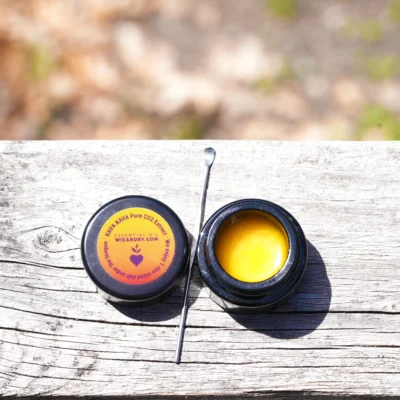
Kava Extract (Kava CO2 Extract)
Price range: $33.00 through $333.00 -
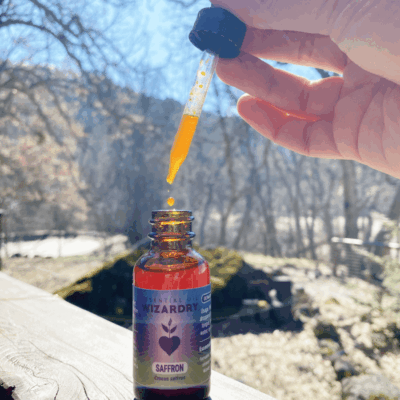
Ultrasonic Saffron Tincture
Price range: $44.00 through $77.00 -
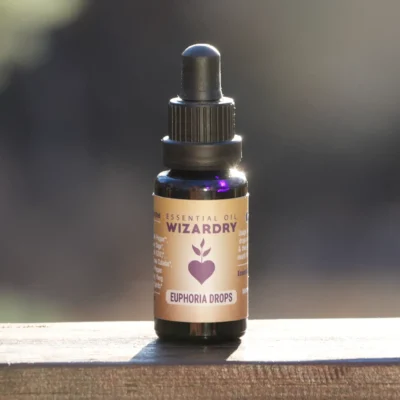
Euphoria Drops
Price range: $33.00 through $55.00 -
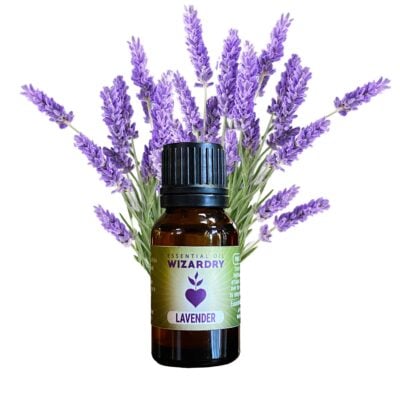
Lavender
Price range: $20.00 through $45.00 -
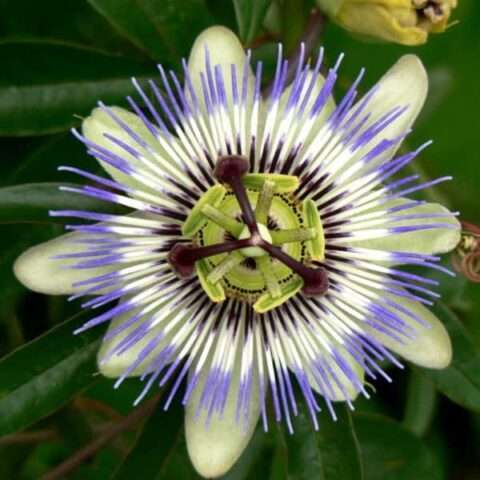
Ultrasonic Passionflower Tincture
Price range: $25.00 through $44.00 -
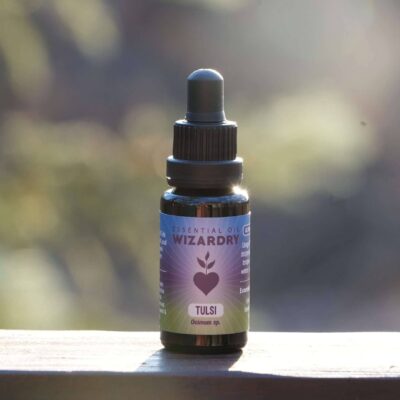
Ultrasonic Tulsi Tincture
Price range: $25.00 through $44.00 -
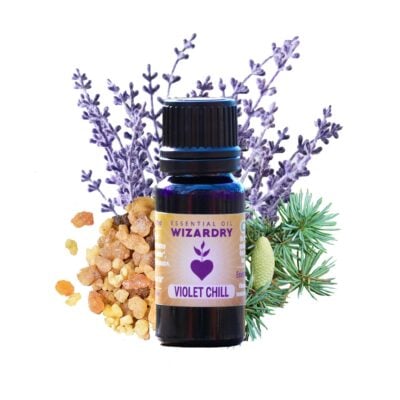
Violet Chill
Price range: $20.00 through $35.00
CHECK OUT OUR BLOG
Natural Male Enhancement Tinctures: Tongkat Ali, Epimedium, And Kakanga Compared
A guide to natural male enhancement tinctures, comparing tongkat ali, epimedium, and kakanga root benefits, with insight from Essential Oil Wizardry.
Kanna Tincture vs. Kanna Resin: Which Format Is Right For You?
A guide to kanna tincture vs kanna resin, covering effects, dosing, and how to choose the best kanna format for your practice, from Essential Oil Wizardry.
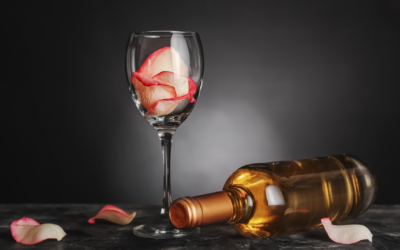
Rose Absolute vs. Rose Otto: Bulgarian Rose And Rose Bourbon Absolute Compared
A guide to rose absolute, comparing Bulgarian rose absolute and rose bourbon absolute for perfume and ritual use — plus how rose otto (a steam-distilled essential oil) differs — with insight from Essential Oil Wizardry.
Passionflower Tincture Benefits: What This Plant Brings To The Body
Passionflower, known botanically as Passiflora incarnata, is a climbing vine native to the southeastern United States and parts of Central and South America. Its flowers are among the most visually striking in the botanical world, intricate and luminous. The aroma of these flowers is uniquely beautiful, in what our founder describes as akin to a cosmic lime. But it is what the plant offers the nervous system that has made it a staple in herbal wellness traditions across cultures.
The Science Behind The Calm
Passionflower’s calming reputation is well-supported by contemporary research. The plant contains flavonoids, including chrysin, that are thought to interact with GABA receptors in the brain, the same receptors targeted by many pharmaceutical relaxants. A randomized controlled trial published in the Journal of Clinical Pharmacy and Therapeutics found that passionflower extract performed comparably to a pharmaceutical anxiolytic in managing generalized anxiety, with fewer side effects reported by participants. A separate study in Phytotherapy Research found that passionflower supplementation was associated with meaningful improvements in sleep quality.
Passionflower does not sedate in a blunt or disorienting way. Its effect is more like a gradual softening, a gentle lowering of mental volume that allows the body’s own sleep mechanisms to take over naturally.
Passionflower Extract For Sleep: How It Works
Rather than forcing sleep, passionflower appears to support the conditions in which restful sleep becomes more accessible. It eases the transition from wakefulness to rest by quieting the anxious mental activity that most commonly keeps people awake. This is particularly relevant for those whose sleep challenges are rooted in an overactive mind rather than a physical inability to sleep.
If you find yourself lying awake replaying the day or simply unable to step out of thinking mode, passionflower’s affinity for nervous system ease may feel deeply welcome. Passionflower seems to remove the edge of stress to more gracefully transition one into sleep. For a broader look at how botanical oils and extracts can support restful nights, our guide on essential oils for sleep is a valuable companion read.
What Is An Ultrasonic Extract And Why Does It Matter
Not all tinctures are created equal, and the method of extraction matters enormously when it comes to the potency, integrity, and breadth of what ends up in the bottle. Traditional tincturing methods, which typically involve soaking plant material in alcohol over weeks or months, are effective but limited in what they can extract and preserve. Ultrasonic extraction changes that equation in meaningful ways.
The Ultrasonic Difference
Ultrasonic extraction uses sound waves at specific frequencies to create microscopic cavitation bubbles within the extraction solvent (we use water). These bubbles implode and generate intense localized energy that ruptures plant cell walls far more effectively than passive soaking. The result is a broader, more complete extraction of the plant’s bioactive compounds in a fraction of the time, with significantly less degradation of heat-sensitive constituents.
For a plant like passionflower, whose profile depends on a complex interplay of flavonoids, alkaloids, and other phytochemicals, this matters deeply. To learn more about how we use this technology and why we chose it, our guide on what are ultrasonic extracts goes deeper into the process and its advantages.
Our Ultrasonic Passionflower Tincture
Our Ultrasonic Passionflower Tincture is prepared from wild-harvested or organically grown Passiflora incarnata using our ultrasonic extraction process, then vibrationally enhanced to honor the full living intelligence of the plant. A few drops under the tongue or in a small amount of water in the hour before bed is a simple, intentional ritual that can become one of the more grounding anchors in an evening practice. Our Ultrasonic Tincture Set brings together several of our most popular preparations for those who want to work across a broader botanical spectrum.
Passion Flower Herbal Tincture In The Context Of A Calming Ritual
The most powerful use of any botanical is rarely a single isolated dose. Plants work best when they become part of a consistent, thoughtful practice woven into the rhythms of daily life in ways the nervous system learns to recognize and respond to over time. Passionflower is particularly well-suited to this kind of ritual integration.
Building An Evening Wind-Down Practice
The hour before bed is one of the most important and most underutilized opportunities in a wellness routine. Most people spend it in a state of passive stimulation that sends mixed signals to the nervous system. Replacing even part of that time with a gentle, intentional botanical ritual can make a meaningful difference in how quickly and deeply the body settles into rest.
A simple passionflower evening ritual might look like this: begin by diffusing a few drops of our Lavender Essential Oil or Violet Chill in the bedroom 30 minutes before sleep. Lavender’s linalool content has been extensively studied for its nervous system-calming effects and pairs beautifully with passionflower’s internal quieting action. Take your passionflower tincture in a small glass of warm water, sit quietly without screens, and allow the dual botanical support to create the conditions for genuine rest.
Pairing With Other Calming Botanicals
Passionflower works beautifully alongside other plants in our calming collection. Our Violet Chill blend was crafted for exactly this kind of layered botanical support, bringing together plants with complementary calming qualities in a single, thoughtfully formulated preparation. For those navigating persistent feelings of tension or unease, our guide on essential oils for anxiety explores a wider range of botanical tools that can support the nervous system throughout the day.
Kava And Euphoria: Expanding The Botanical Calm Toolkit
Passionflower is a gentle entry point into the world of botanical nervines. For those ready to explore further, our collection includes some of the most respected calming botanicals in plant medicine.
Kava: Deep Relaxation From The Pacific Islands
Kava has been used ceremonially across Pacific Island cultures for thousands of years, prized for inducing relaxed alertness without impairing mental clarity. Its active compounds, kavalactones, promote calm without sedation, making it a daytime-friendly companion to passionflower’s more sleep-oriented profile.
Our Kava Extract CO2 is prepared using supercritical CO2 extraction, producing exceptionally clean, potent extracts while preserving the full spectrum of kavalactones. For a deeper look at this plant’s history and applications, our guide on kava benefits and uses is a thorough resource.
Euphoria Drops: Uplift And Harmonize
Our Euphoria Drops represent another dimension of our mood-supportive collection. Formulated with botanicals chosen for their uplifting and harmonizing qualities, they are designed for moments that call for lightness and presence. They pair naturally with passionflower in a practice that addresses both the quieting of mental noise and the cultivation of genuine ease.
Storing And Using Your Passionflower Tincture
Tinctures are generally stable, but they benefit from thoughtful care. Keep your passionflower tincture in a cool, dark place with the dropper cap sealed tightly, away from heat sources and direct sunlight. Like all of our products, our tinctures are best used within 2 to 5 years of opening.
Dosage And Practical Notes
- Standard Use: Begin with the dose suggested on the product label and adjust gradually based on your body’s response. Passionflower is generally well-tolerated, but individual sensitivity varies.
- Timing: Taking passionflower tincture 30 to 60 minutes before bed aligns best with its gentle, gradual action. Some people prefer a second smaller dose in the early evening if daytime tension is a factor.
- Sublingual Vs. In Water: Taking drops directly under the tongue held for 30-60 seconds allows for faster absorption. Mixing into warm water or herbal tea creates a more ritual-oriented experience and can be gentler for sensitive palates.
- Consistency: Like most botanical nervines, passionflower tends to be most effective with consistent, repeated use over time rather than as an occasional intervention.
Frequently Asked Questions About Our Passionflower Tincture
What is a passionflower tincture used for?
Passionflower tincture is most commonly used to support calm, ease nervous tension, and prepare the body and mind for restful sleep. It has a long history in herbal tradition as a nervine and its calming properties have been the subject of meaningful clinical research. People report it seems to take the edge off of stress.
What are the main passionflower tincture benefits?
The primary benefits associated with passionflower are its ability to quiet mental activity, ease feelings of tension, and support the transition into restful sleep. Research suggests these effects relate to the plant’s interaction with GABA receptors in the brain, the same pathway involved in the body’s natural relaxation response.
How is a passiflora tincture different from passionflower tea or capsules?
A well-prepared tincture, particularly one made using ultrasonic extraction, offers a broader and more bioavailable spectrum of the plant’s active compounds than tea or standard capsules. Sublingual absorption also allows the body to receive plant constituents more directly and quickly than capsules that must first pass through digestion.
How long does it take for passionflower extract for sleep to work?
Most people notice passionflower’s calming effect within 30 to 60 minutes of taking it. For sleep support specifically, consistent use over several days to weeks tends to produce the most meaningful results as the nervous system gradually learns to respond to the plant’s signal.
Is passionflower tincture safe to use every night?
Passionflower is generally considered safe for regular use in appropriate doses. As with any botanical supplement, it is wise to consult a qualified healthcare provider before adding it to your routine, particularly if you are pregnant, nursing, or taking medications that affect the central nervous system.
Can I combine passionflower tincture with other calming botanicals?
Yes. Passionflower combines well with many other nervines and calming plants. In our collection, it pairs naturally with lavender essential oil, Violet Chill, Moon Cycle and kava. Start with individual botanicals before combining so you can understand how each one affects you personally.
What makes ultrasonic extraction better than standard tincturing?
Ultrasonic extraction uses sound wave energy to rupture plant cell walls more completely than passive soaking, resulting in a broader extraction of bioactive compounds in less time and with less degradation of heat-sensitive constituents.
How should I store my passionflower tincture?
Store in a cool, dark place with the cap sealed tightly, away from heat sources and direct sunlight. Properly stored, our passionflower tincture is best used within 2 to 5 years of opening.
DISCLAIMER:
The information provided is intended for educational and informational purposes only and reflects historical, cultural, and experiential perspectives. It is not intended to diagnose, treat, cure, or prevent any disease, nor should it be interpreted as medical, legal, or professional advice. Individual experiences may vary. Always use personal discernment and consult a qualified professional when appropriate.
Sources:
- Pokrzywnicka, M., & Zawilska, J. B. (2020). Passiflora incarnata in Neuropsychiatric Disorders — A Systematic Review. Nutrients, 12(12), 3894.https://www.ncbi.nlm.nih.gov/pmc/articles/PMC7766837/
- Patel, K., et al. (2024). Randomized, Double-Blind, Placebo-Controlled, Clinical Study of Passiflora incarnata in Participants With Stress and Sleep Problems. Cureus.https://pmc.ncbi.nlm.nih.gov/articles/PMC11026993/