


Anxiety rarely lives only in the mind. It moves through the body, often manifesting as tight shoulders, shallow breath, and a restless undercurrent that persists even when nothing obvious is wrong. While clinical anxiety requires appropriate professional care, everyday stress and tension often respond well to steady, grounding practices. An essential oil for anxiety can become one such practice, acting as a sensory bridge back to presence.
-
Kava Chill
Price range: $33.00 through $99.00 -
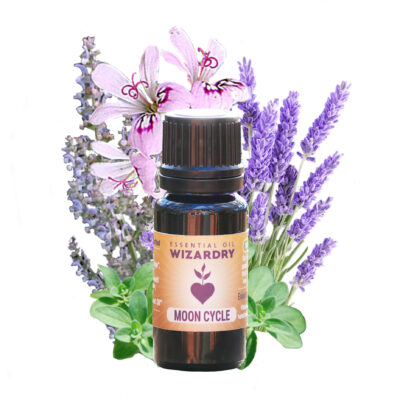
Moon Cycle
Price range: $25.00 through $55.00 -
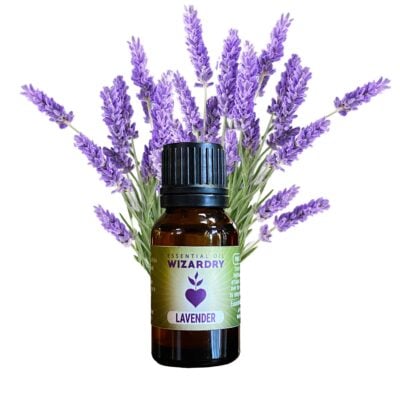
Lavender
Price range: $20.00 through $45.00 -
Ylang Ylang
Price range: $40.00 through $45.00 -
Holy Basil (Tulsi)
Price range: $25.00 through $45.00 -
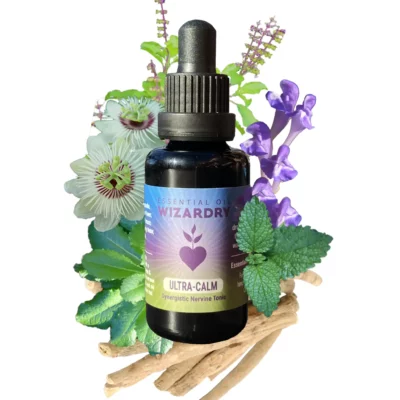
Ultra-Calm Tincture
Price range: $25.00 through $44.00 -
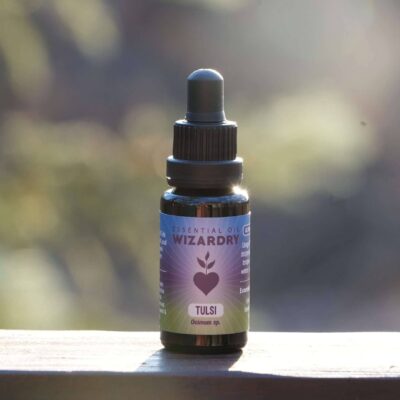
Ultrasonic Tulsi Tincture
Price range: $25.00 through $44.00 -
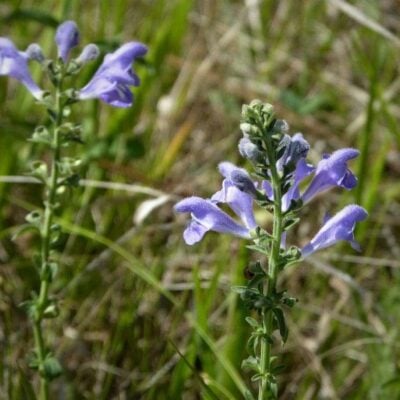
Ultrasonic Skullcap Tincture
Price range: $25.00 through $44.00
CHECK OUT OUR BLOG
Natural Male Enhancement Tinctures: Tongkat Ali, Epimedium, And Kakanga Compared
A guide to natural male enhancement tinctures, comparing tongkat ali, epimedium, and kakanga root benefits, with insight from Essential Oil Wizardry.
Kanna Tincture vs. Kanna Resin: Which Format Is Right For You?
A guide to kanna tincture vs kanna resin, covering effects, dosing, and how to choose the best kanna format for your practice, from Essential Oil Wizardry.
Rose Absolute vs. Rose Otto: Bulgarian Rose And Rose Bourbon Absolute Compared
A guide to rose absolute, comparing Bulgarian rose absolute and rose bourbon absolute for perfume and ritual use — plus how rose otto (a steam-distilled essential oil) differs — with insight from Essential Oil Wizardry.
How Scent Speaks To The Body
Emotional tension is not abstract; it’s embodied. A racing mind is often paired with a racing heart. Similarly, strained thoughts typically accompany tight muscles. So, essential oil for anxiety practices begin by acknowledging that quieting the mind and soothing the body are not separate projects.
Scent offers a direct pathway into this relationship. Unlike visual or auditory information, aromatic signals travel quickly to brain regions associated with memory and emotion. Research suggests that certain aromatic compounds may influence perceived stress markers, especially lavender, which is often associated with feelings of relaxation (Mancini et al., 2021). The effect varies by individual, but the mechanism helps explain why consistent, intentional scent exposure may shape emotional experience over time.
Repeated pairing of a calming aroma with slow breathing or mindful awareness builds associative memory. Eventually, the scent itself may cue the body to soften. In this way, the ritual becomes the signal.
Essential Oils And Anxiety: Plant Profiles That Encourage Calm
Some plants have long been associated with emotional steadiness. While no essential oil replaces professional care for diagnosed disorders, specific botanicals are traditionally used as oils to help with stress and tenseness in everyday life. Their fragrant, tranquil aromas interact with the body through inhalation and mindful ritual use.
Best Essential Oil For Anxiety Support: Lavender’s Gentle Touch
Lavender is one of the most widely used essential oils today and can be found in baked goods, candles, cosmetics, detergents, massage oils, perfumes, powders, soaps, and more. Often referred to as the “Swiss Army Knife” of essential oils for its multifaceted properties, lavender oil provides a fragrant cloud of violet bliss, sweeping away daily tension. Currently, our Lavender Essential Oil is created from high-elevation French Organic Lavender Vera, which is well-balanced and full-bodied with subtle layers. Meanwhile, our Shasta Lavender grows locally and comes from an artisan distillation project outside Montague. Every bottle from Shasta is distilled from a different field or distillation run, making each batch uniquely beautiful.
In personal use, Dr. Nick finds that it’s great for calming emotions, especially during evening wind-down routines, breathwork, or as part of a diffuser ritual that signals safety and rest. Its floral, balanced aroma is versatile enough to anchor almost any blend, making it a must-have for any plant-based mobile medicine chest. For a fuller picture of what lavender may offer across different applications, our guide on thebenefits of lavender essential oil is a good companion read.
Bergamot: Brightness That Inspires Joy
Bergamot is a regal and gently effervescent citrus oil with an unusual emotional quality: despite its cheeriness, it carries a calming profile that distinguishes it from more energizing citrus oils. It may help uplift your mood, which makes it particularly useful when daily anxiety presents with a sense of discouragement. Used in aromatherapy diffuser blends during morning meditation, journaling, or moments of emotional overwhelm, bergamot creates a light and luminous atmosphere that feels both grounded and open. Our Bergamot Essential Oil is sourced organically from Italy and vibrationally enhanced, with a bright citrus clarity that makes it one of the most versatile oils in a calming toolkit.
Ylang Ylang: Soft Grounding For The Body
A flower so nice, they named it twice! Ylang ylang carries a sweet, fruity, and warm floral aroma often associated with unwinding, helping to soothe perceived stress and add playfulness to life. It’s frequently selected for situations where the body needs as much attention as the mind, such as during meditation. If you’re interested in healing with essential oils, ylang ylang is often chosen for slow inhalation rituals when used in a diffuser. Its aromatic depth makes it a valuable grounding note in any calming blend, though it’s potent enough that less is typically more. Dr. Nick recommends experimenting with 2-5% in blends.
Our Ylang Ylang Essential Oil is fractionally distilled with attention to purity and integrity, preserving its eclectic, complex fragrance. Used with intention, it brings a sense of settling that complements the more mentally-oriented calm of lavender and bergamot.
Oils To Help With Anxiety: Building Your Personal Calming Formula
Single oils offer clarity, but blending creates nuance. Oils to help with anxiety often work best when layered thoughtfully: a bright top note lifts, a floral middle softens, and a grounding base anchors. A balanced formula feels steady and complete rather than one-dimensional. The key principle is that blending is about harmony above all else.
Starting Point: Match The Oil To The Moment
Begin with the oil that resonates most closely with your current pattern of discomfort. If it feels heavy and primarily mental, lavender is a wonderful starting point. If mood feels low alongside the tension, bergamot offers brightness without overdoing it. If the body feels physically tight or constricted, ylang ylang can bring grounding depth. From there, layer in a secondary oil that complements rather than competes. Here are some combinations that work well together:
- Lavender And Bergamot: Lavender and bergamot create a balanced pairing that combines calm with emotional lightness, making it a reliable choice for daytime use.
- Bergamot And Ylang Ylang: Bergamot and ylang ylang offer mood support alongside a sense of physical settling, which can be especially helpful when tension feels concentrated in the chest.
- Lavender And Ylang Ylang: Lavender and ylang ylang form a mellow and smooth blend that’s great for evening rituals or pre-sleep routines.
For topical application at pulse points, such as the wrists, behind the ears, and the base of the throat, a 1–2% dilution in a carrier oil is generally appropriate for many adults. Jojoba is a particularly good carrier here for its skin compatibility and clean absorption.
Diffusion Guidelines
For aromatherapy diffuser use, 4–6 total drops in an ultrasonic diffuser is a suitable starting point for most rooms. Diffuse for 20–30 minutes at a time rather than running continuously. Over-saturation dulls the sensory response and can create the opposite of the ease you’re reaching for. Short, intentional sessions paired with slow breathing tend to be more effective than ambient diffusion running in the background for hours.
Aromatherapy Diffuser Uses: Creating An Emotional Atmosphere
A diffuser does more than disperse scent. It shapes the emotional tone of a space. In this way, aromatherapy diffusers create a sensory field that communicates to the body that it’s safe to slow down. Additionally, the environment around the diffuser matters as much as what’s in it. A quiet room with delicate diffusion supports deeper breathing. Harsh lighting and bright screens might counteract even the most carefully chosen oil. Setting the physical space intentionally amplifies whatever the botanical is offering.
Morning sessions might focus on clarity and emotional steadiness, with bergamot, a touch of lavender, and perhaps a touch of cedarwood oil for grounding depth. Evening sessions typically emphasize softness and quieting with heavier florals, deeper base notes, and lower intensity. Placement matters, too. Keep the diffuser in an open area of the room rather than directly beside your face. Subtle, ambient diffusion is more conducive to relaxation than concentrated proximity.
For more on building a full aromatic meditation or stress-relief practice around these tools, our guides on essential oils for meditation and essential oils for calming and stress relief offer practical, connected perspectives.
Healing With Essential Oils
Healing with essential oils is most powerful when approached as a relationship built over time rather than a single intervention. The conditioned association between a specific scent and a felt state of calm doesn’t develop in one session; it deepens through repetition.
Building Aromatic Rituals That Signal Calm
Try lighting a candle, dimming the room, and beginning diffusion at the same time each evening. Small, repeated acts such as uncapping a specific oil before a breathing practice or applying a diluted blend to pulse points before a moment you know tends to be difficult can help you build a vocabulary between your body and the plants you’re working with. Over time, the aroma itself becomes a doorway. The ritual signals safety before you’ve even taken a conscious breath.
Essential Oil For Anxiety: Holding Realistic Expectations
This part is worth sitting with clearly. An essential oil for anxiety is not a substitute for professional care. Anxiety exists on a wide spectrum, from the everyday stress that responds well to grounding practices to clinically diagnosed anxiety disorders that require medical and therapeutic support. Essential oils belong within the former category, as supportive tools within a broader framework of self-awareness, lifestyle care, and professional guidance when needed.
Approaching them with this clarity keeps both the practice and the expectations honest. If anxiety symptoms are severe, persistent, or significantly interfering with daily life, please reach out to a qualified healthcare professional.
Frequently Asked Questions About Essential Oils For Anxiety
What is the best essential oil for anxiety for beginners?
Lavender is the most frequently recommended starting point because of its gentle aroma, broad compatibility in blends, and general tolerability across skin types. It’s versatile enough to use alone or as the foundation of a more complex formula.
How quickly can an essential oil for anxiety shift my mood?
Aromatic perception is nearly immediate. Some people notice a shift in breath or tension within seconds of inhalation. Others benefit more from consistent use over time, as the conditioned association between scent and calm develops gradually.
Can I use oils to help with anxiety at work?
Yes. Personal inhalers, diluted pulse point application, or a brief diffuser session in a private space are all practical options. An inhaler is particularly discreet and portable.
Are essential oils and anxiety support safe for daily use?
When used at appropriate dilutions and in moderate diffusion intervals, yes. Regular breaks from continuous diffusion are recommended to keep the sensory response fresh.
Can essential oils for anxiety be used before sleep?
Of course! Calming blends are a great fit for evening routines. Softer florals and grounding oils at lower diffuser intensity are generally well-suited to pre-sleep use.
What aromatherapy diffuser uses are most effective for stress?
Short, timed diffusion sessions of 20–30 minutes paired with slow breathing, journaling, or quiet reflection tend to be more effective than ambient diffusion running continuously in the background.
DISCLAIMER:
The information provided is intended for educational and informational purposes only and reflects historical, cultural, and experiential perspectives. It is not intended to diagnose, treat, cure, or prevent any disease, nor should it be interpreted as medical, legal, or professional advice. Individual experiences may vary. Always use personal discernment and consult a qualified professional when appropriate.