


Essential oils are extraordinary concentrates. A single drop can carry the aromatic imprint of many grams or ounces of plant material, and that alone calls for respect. Carrier oils create the bridge between highly concentrated botanical extracts and nourishing contact with the skin.
-
Radiant Skin Care Set
$188.00 -
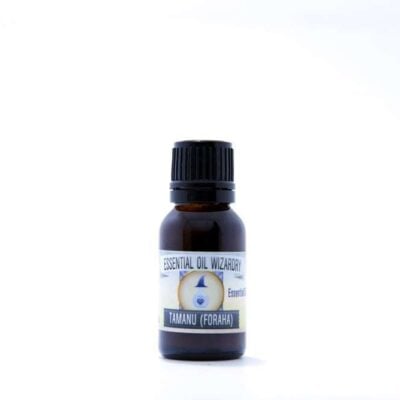
Tamanu (Foraha)
Price range: $25.00 through $55.00 -
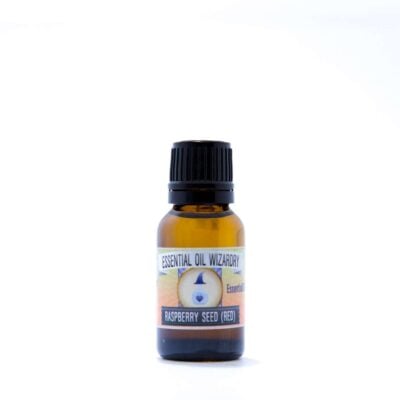
Raspberry Seed (CO2)
Price range: $33.00 through $55.00 -
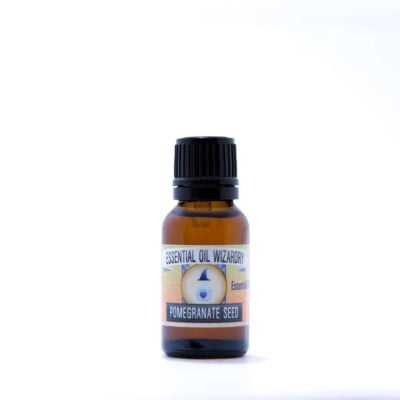
Pomegranate Seed (CO2)
Price range: $25.00 through $45.00 -
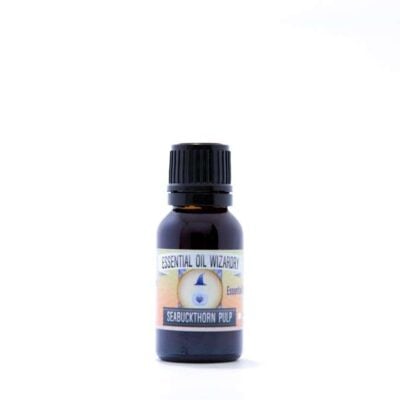
Sea Buckthorn (CO2)
Price range: $30.00 through $45.00 -
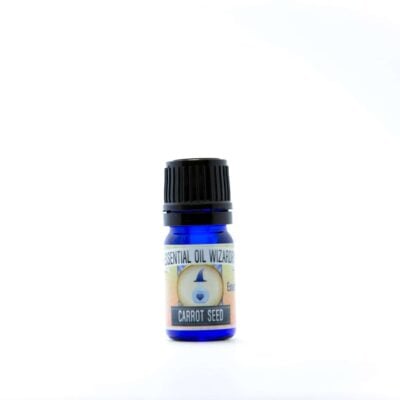
Carrot Seed (CO2)
Price range: $25.00 through $44.00 -
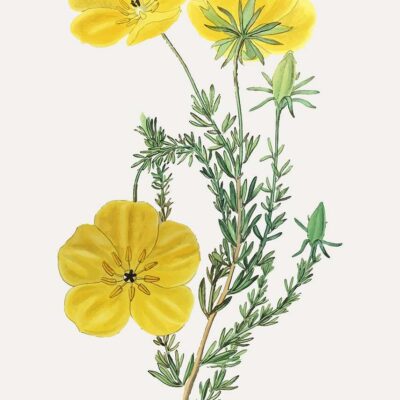
Evening Primrose (CO2)
Price range: $25.00 through $40.00 -
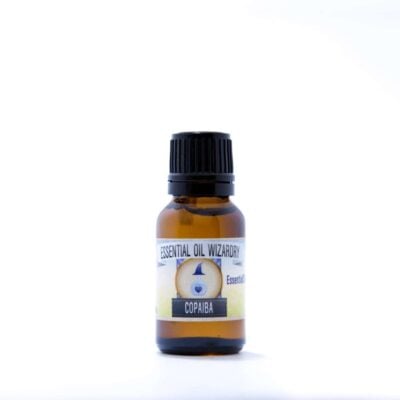
Copaiba
$37.00
CHECK OUT OUR BLOG
Natural Male Enhancement Tinctures: Tongkat Ali, Epimedium, And Kakanga Compared
A guide to natural male enhancement tinctures, comparing tongkat ali, epimedium, and kakanga root benefits, with insight from Essential Oil Wizardry.
Kanna Tincture vs. Kanna Resin: Which Format Is Right For You?
A guide to kanna tincture vs kanna resin, covering effects, dosing, and how to choose the best kanna format for your practice, from Essential Oil Wizardry.
Rose Absolute vs. Rose Otto: Bulgarian Rose And Rose Bourbon Absolute Compared
A guide to rose absolute, comparing Bulgarian rose absolute and rose bourbon absolute for perfume and ritual use — plus how rose otto (a steam-distilled essential oil) differs — with insight from Essential Oil Wizardry.
What Are Carrier Oils For Essential Oils?
We love them, we use them every day, we carry about a dozen different kinds, and we spend a lot of our time nerding out over them, but what are essential oils? To put it simply, essential oils are aromatic molecules found in plants that give them a particular taste and smell. They are volatile, meaning they can quickly be transformed from a liquid to a gas state, which makes sense why they’re so commonly used in practices like aromatherapy and vaporization.
In contrast, carrier oils are fatty oils cold-pressed or CO2 extracted from seeds, nuts, or kernels. Unlike essential oils, they are non-volatile, meaning they don’t evaporate quickly, and their primary role is to dilute and distribute essential oils evenly across the skin.
At Essential Oil Wizardry, we source carrier oils with the same care we bring to every botanical in our collection, prioritizing organic, wildcrafted, and unsprayed plant material that retains its natural complexity and life force.
Why Essential Oils Need Dilution Before Skin Application
Essential oils are concentrated botanical extracts. Applied undiluted, many might irritate the skin or create sensitivity over time. This is not because they’re harmful by nature, but because the body often benefits from a gentler, more gradual introduction. Dilution lowers this risk and supports consistent, long-term use. It also improves spreadability: a well-blended oil covers more surface area and helps your essential oils last significantly longer.
A few specific oils call for extra awareness. For instance, certain citrus oils may potentially increase sensitivity to sunlight when applied topically. Proper dilution and mindful timing help you work with these plants responsibly. Clove or Cinnamon Bark are other extracts which can be quite irritating to the skin if not diluted effectively, and are typically avoided for topical use. For a deeper look at application methods and best practices, read our comprehensive guide onhow to use essential oils for extra context.
A Practical Look Into Dilution Ratios
Dilution refers to the percentage of essential oil within your total blend. Understanding these ratios is where guesswork ends and intentional formulation begins. Assuming 20-25 drops per mL, as essential oils have different densities, and bottles have different flow rates & orifice size:
- 1% Dilution For Sensitive Areas: Use approximately 6-8 drops of essential oil per 30 ml of carrier oil. This dilution offers a gentle starting point for delicate skin and daily rituals.
- 2% Dilution For Body Application: Use around 12–15 drops of essential oil per 30 ml of carrier oil. This balanced dilution is suitable for most adults during everyday use.
- 3–5% Dilution For Targeted Or Short-Term Use: Use approximately 18–40 drops of essential oil per 30 ml of carrier oil. This stronger dilution is best applied to small areas and used occasionally rather than continuously.
These are starting points, not rules. Your skin’s response, the specific oil you’re working with, and the season or climate you’re in can all influence what feels right.
What Are The Best Carrier Oils For Different Skin Types And Intentions?
There’s no single “best” carrier oil. The ideal choice depends on your skin and what you’re hoping to create. Texture, absorption rate, and stability all shape how a blend feels and performs.
Best Carrier Oils For Facial Blends
Facial skin tends to be more reactive and deserves a lighter touch. Look for oils that absorb easily, leave minimal residue, and feel comfortable across extended use.
- Rosehip Seed Oil: Rosehip seed oil is often chosen for evening facial rituals. It has a lighter texture and is rich in nutrients, offering nourishment without feeling too heavy on the skin.
- Jojoba Oil: Jojoba oil is technically a liquid wax ester rather than a fat, which makes it uniquely stable and compatible with a wide range of skin types. It absorbs smoothly, carries almost no scent of its own, and is often used for facial applications.
- Argan Oil: Argan oil provides a balanced, non-greasy feel and is commonly used when skin needs a bit of extra care or hydration. This doesn’t penetrate as well for beards or hair, and may yield a beautiful glow throughout the day.
If you’d rather skip the trial-and-error of building a facial routine from scratch, our Radiant Skin Care Set brings together intentionally crafted botanical oils with a Sacred Toner. They’re made to work in harmony, with the Raspberry Seed (CO2), Rosehip Seed (CO2), and Sea Buckthorn Pulp (CO2) all being rich in essential fatty acids that absorb well into the skin. In particular, our Seabuckthorn Oil is a deeply pigmented extract rich in plant compounds and is typically blended in small amounts (as little as 1%) with a base carrier oil due to its high concentration. It can be infused into your beauty care regimen to help support soft, glowing skin.
Meanwhile, the CO2 Myrrh is great for supporting skin tightening, especially in the formulated Sacred Toner. Each ingredient is organic or wildcrafted, vibrationally enhanced, and formulated to honor both plant and process.
Best Carrier Oils For Massage And Body Rituals
Body applications allow for slightly richer oils and a broader range of textures.
- Sweet Almond Oil: Sweet almond oil is a classic option for massage. Its medium weight provides enough glide to support longer bodywork sessions.
- Sunflower Oil: Sunflower oil spreads easily, absorbs comfortably, and tends to be gentle on most skin types.
Texture shapes the ritual. A slower-absorbing oil encourages extended, mindful touch. A lighter oil suits morning application when you need to dress soon after. Over time, many people find themselves keeping two or three carriers on hand, selecting based on season, intention, and the specific blend they’re working with.
Coconut Oil As A Carrier Oil For Essential Oils: What To Know
If you’re wondering, “Can I use coconut oil as a carrier oil?” Coconut oil is one of the most widely used carrier oils. But there are a few nuances worth knowing. First, virgin coconut oil is solid below about 76°F and may need gentle warming in cooler climates. It has a subtle, sweet aroma and creates a protective, moisturizing layer on the skin. It’s well-suited for body blends, and some people love it for hair care or chest applications.
Meanwhile, fractionated coconut oil remains liquid at all temperatures and absorbs more quickly with little to no scent. Because it allows the essential oils to remain the aromatic focus and is highly stable, it’s often the preferred option for massage blends and everyday body use. With the abundance of Coconut on the market, Fractionated Coconut Oil is a sustainable source for the mindful consumer and is our primary carrier used at Essential Oil Wizardry.
For facial use, coconut oil (particularly the virgin form) may feel too heavy or occlusive for some individuals. If you have congestion-prone skin, a lighter oil like jojoba is generally a better match. As always, patch testing before broader application is a thoughtful practice.
Coconut Oil And Jojoba Oil: How They Compare
These two are often weighed against each other, and for good reason. They’re both widely available, beginner-friendly, and genuinely useful. But they serve different purposes, and knowing the distinction helps you choose based on your needs.
Coconut oil is a saturated fat, which gives it a richer, slightly occlusive texture. Virgin coconut oil carries a subtle sweetness and creates a protective layer on the skin that works beautifully for body care, especially in cooler seasons when skin tends to need more. Fractionated coconut oil is lighter and faster-absorbing, with almost no scent, making it a more versatile everyday option.
Jojoba, on the other hand, is technically a liquid wax ester rather than a fat. It stays fluid at all temperatures, absorbs evenly, and is virtually scentless. These qualities make it one of the most compatible carrier oils for facial blends and sensitive skin. It rarely overstays its welcome on the skin’s surface and works well year-round.
In practice, many people find themselves reaching for both. Jojoba for the face and more refined blends; coconut oil for body rituals, massage, and the richer applications that cooler months tend to call for.
A Note On Lavender: A Carrier Oil Pairing Worth Knowing
Lavender essential oil is one of the most versatile and approachable oils in the Essential Oil Wizardry collection, and one of the best starting points for carrier oil blending. Its gentle aromatic presence and wide range of applications make it an ideal companion for almost any carrier oil. Our Lavender Essential Oil is organically sourced and vibrationally enhanced, and we view it as a foundational oil that rewards simple, intentional use.
Diluted to 1–2% in jojoba or sweet almond oil, it becomes a beautiful addition to evening body rituals or massage. Blended with rosehip at a low dilution, it suits a calm, mindful facial ritual at the end of the day. If you’re curious about what else lavender may offer, read about thebenefits of lavender essential oil in our full guide.
How To Store Carrier Oils And Preserve Their Vitality
Proper storage is one of the simplest ways to protect your investment. Heat, light, and air gradually degrade delicate plant compounds. With a few consistent habits, your oils can retain their vitality for years.
- Store In Dark Glass Bottles: Amber, Miron violet or cobalt glass limits light exposure and avoids the interaction that can occur between oils and certain plastics. When Essential Oil Wizardry receives imported products, they’re immediately transferred into an amber glass made from aluminum or pharmaceutical-grade plastic. This is an industry standard we hold from arrival.
- Keep Away From Heat And Sunlight: A cool cabinet or drawer away from windows and temperature fluctuations is ideal. Avoid storing oils near stoves, window sills, or in the car.
- Seal Tightly After Each Use: Get in the habit of closing your bottles promptly every time you use them.
- Know Your Shelf Life: Shelf life varies by oil composition. Stable oils like jojoba and fractionated coconut oil can last several years when stored properly. Oils higher in polyunsaturated fats, like rosehip oil, usually oxidize more quickly and may benefit from refrigeration. Citrus essential oils tend to degrade faster than woods and resins.
A good rule of thumb: a blend will only last as long as its least stable ingredient. This is one reason smaller batches are often best. They stay fresher, and the ritual of making them keeps your practice alive. Like all Essential Oil Wizardry products, our carrier oils and botanical extracts are best used within 2–5 years, stored away from heat, light, and air.
Note: Our founder has some personal bottles of blends well over a decade old, which are still as lively as the day of their creation!
Frequently Asked Questions About Carrier Oils For Essential Oils
What are carrier oils for essential oils used for?
Carrier oils dilute essential oils before topical use, distribute them evenly across the skin, lower the risk of irritation, and improve overall spreadability and absorption.
What are the best carrier oils for beginners?
Jojoba, sweet almond, and fractionated coconut oil are all great starting points. All three are stable, mild in scent, and versatile for both facial and body blends.
Can I mix different carrier oils together?
Yes. Blending carriers allows you to customize texture and absorption. Combining a lightweight oil with a richer one can create a beautifully balanced feel suited to your skin and the season.
Can I use olive oil as a carrier oil?
Olive oil can work for body applications, but its stronger scent and heavier texture make it less ideal for facial blends or lighter formulations.
How do I know if a carrier oil has gone bad?
Rancid oils develop a sharp, stale, or unpleasant odor. Changes in color or texture can also signal oxidation. When in doubt, trust your nose. If it smells off, it’s time to let it go.
Are carrier oils necessary for diffusing essential oils?
No. Carrier oils are for topical use. Diffusers disperse essential oils directly into the air and don’t require a carrier. Carrier oils may damage some diffusers if used.
Can I use cooking oils from my kitchen?
Some food-grade oils can work in a pinch, but cosmetic-grade oils are preferred. They’re processed and stored with skin application in mind, keeping freshness and compatibility intact.
DISCLAIMER:
The information provided is intended for educational and informational purposes only and reflects historical, cultural, and experiential perspectives. It is not intended to diagnose, treat, cure, or prevent any disease, nor should it be interpreted as medical, legal, or professional advice. Individual experiences may vary. Always use personal discernment and consult a qualified professional when appropriate.