


Spending time outdoors in tick country comes with a vigilance most nature lovers know well. For those committed to natural living, finding a plant-based approach to tick deterrence is both a practical need and a values-aligned choice. Aromatic botanicals have been woven into the history of insect deterrence across cultures for thousands of years, and their concentrated forms offer a genuinely effective layer of protection for people and pets who prefer to stay chemical-free.
CHECK OUT OUR BLOG

Natural Male Enhancement Tinctures: Tongkat Ali, Epimedium, And Kakanga Compared
A guide to natural male enhancement tinctures, comparing tongkat ali, epimedium, and kakanga root benefits, with insight from Essential Oil Wizardry.

Kanna Tincture vs. Kanna Resin: Which Format Is Right For You?
A guide to kanna tincture vs kanna resin, covering effects, dosing, and how to choose the best kanna format for your practice, from Essential Oil Wizardry.

Rose Absolute vs. Rose Otto: Bulgarian Rose And Rose Bourbon Absolute Compared
A guide to rose absolute, comparing Bulgarian rose absolute and rose bourbon absolute for perfume and ritual use — plus how rose otto (a steam-distilled essential oil) differs — with insight from Essential Oil Wizardry.
How Aromatic Plant Compounds Deter Ticks
Ticks locate hosts through chemical signals including carbon dioxide, body heat, and skin odor. Certain aromatic plant compounds disrupt these signals or create an olfactory environment that ticks actively avoid. Aromatic plants have been used in traditional practices across Africa, Asia, and the Americas specifically to deter biting insects and arachnids.
The Research Behind Natural Tick Repellent Oils
A study in the Journal of Medical Entomology found rose geranium oil demonstrated strong repellent activity against Ixodes scapularis, one of the most common tick species in North America. A review in Parasites and Vectors confirmed that geraniol, citronellol, and eugenol produced meaningful repellent effects across multiple tick species.
Essential oil tick repellents work by masking or interfering with chemical cues ticks use to find hosts. Consistent reapplication is required, particularly in hot or humid conditions. Our guide on how to use essential oils covers dilution, application methods, and safety.
Oils To Repel Ticks: Setting Realistic Expectations
Botanical repellents are best understood as a meaningful layer of protection rather than a guarantee. Applied consistently and combined with physical precautions like long sleeves and tick checks, they add genuine deterrent value. Our guide on essential oils for ants covers how many of these botanicals extend across other outdoor insects.
Rose Geranium And Lavender: The Tick Repellent Specialists
Two botanicals stand out in tick deterrence literature: rose geranium and lavender. Both carry aromatic compounds studied for their effects on tick behavior, and both are among the more skin-compatible oils in a repellent collection.
Rose Geranium: The Most Studied Botanical For Tick Deterrence
Rose Geranium Essential Oil is the single most referenced botanical in published tick deterrence research. Its geraniol and citronellol content appear to directly interfere with the chemical signaling ticks rely on to locate hosts. The Journal of Medical Entomology study identified rose geranium as producing high rates of repellency against deer ticks.
Our Rose Geranium Essential Oil is steam distilled from organically cultivated plant material. Applied diluted to exposed skin and clothing before outdoor activity, it is one of the most practical and research-supported natural tick deterrents available.
Lavender: Gentle, Broad-Spectrum, And Family-Friendly
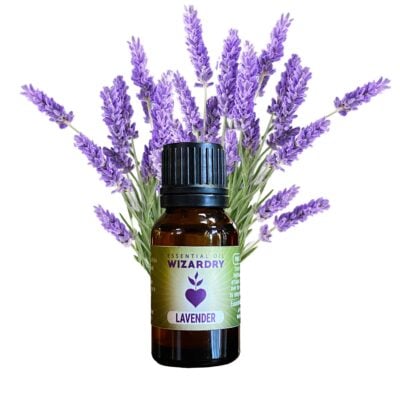
Lavender Essential Oil’s linalool content has been documented for repellent activity against ticks and other insects. Its gentle character makes it safe for family and pet-adjacent use, and its calming aroma makes a repellent preparation more pleasant to wear.
Our Lavender Essential Oil is sourced from artisan origins including Swiss Alps Lavender Vera and an organic family farm in Bulgaria. Our guide on essential oils for spring covers integrating tick deterrent botanicals into a broader warm-weather outdoor practice.
Essential Oil Tick Repellent: Eucalyptus, Tea Tree, And Lemon
Beyond rose geranium and lavender, eucalyptus, tea tree, and lemon each contribute distinct repellent properties that deepen a layered botanical approach.
Eucalyptus And Tea Tree: Sharp And Clarifying
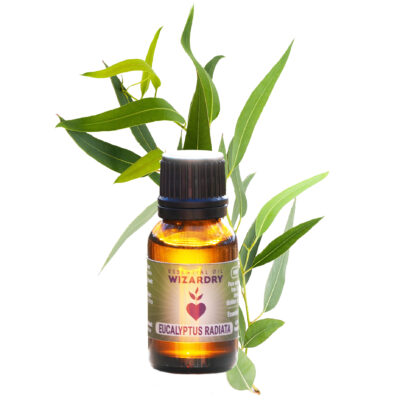
Eucalyptus Oil is well-established in insect and arachnid deterrence research. Its high 1,8-cineole content creates a penetrating aromatic character ticks find inhospitable. Our Eucalyptus Oil is organically sourced and steam distilled.
Tea Tree Oil brings sharply aromatic, clarifying character to a repellent blend, complementing eucalyptus and rose geranium. Applied diluted to clothing and gear, it adds an additional deterrent layer. Our Tea Tree Oil is steam distilled from organically cultivated Australian leaves.
Lemon And Atlas Cedar: Brightness And Persistence
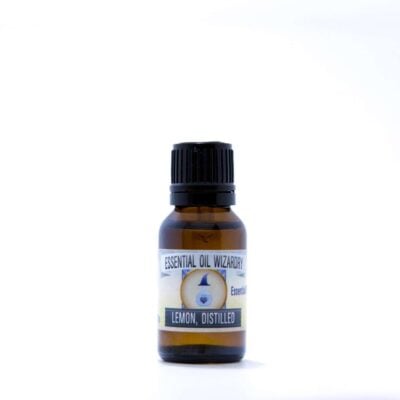
Lemon Oil’s d-limonene content contributes citral-based deterrent activity associated with repellent effects against insects and arachnids. Our Distilled Lemon Oil is hydrodistilled to reduce phototoxic risk; avoid applying to skin in direct sunlight, especially our cold-pressed Lemon oil.
Atlas Cedar Oil offers slow-releasing, woody persistence the more volatile oils lack. Applied to clothing and gear, it maintains an aromatic deterrent presence long after brighter notes have faded. Our Atlas Cedar Oil is steam distilled from sustainably harvested Moroccan cedar.
Essential Oils For Ticks On Dogs: Pet Safety And Application
Many dog owners are drawn to botanical tick deterrence as a gentler alternative to chemical treatments. Our guide on essential oils safe for dogs is essential reading before applying any aromatic product near a pet.
Safe Application For Dogs And Outdoor Families
Rose geranium and lavender are most often referenced for tick deterrence in dogs. Applied at very low dilution on collar fabric or bedding, they offer a gentle deterrent layer. Always consult a veterinarian before applying essential oils to an animal.
For human family members, a personal repellent of rose geranium, lavender, and atlas cedar diluted to 5 to 10% in a carrier oil covers most deterrent bases. Our guide on carrier oils for essential oils covers carrier selection and dilution ratios.
Caring For Your Tick Repellent Botanicals
Keep all repellent oils sealed in a cool, dark cabinet away from heat and direct light. Like all of our products, these botanicals are best used within 2 to 5 years of opening.
Frequently Asked Questions About Essential Oils For Ticks
What essential oils repel ticks most effectively?
Rose geranium, lavender, eucalyptus, tea tree, lemon, and atlas cedar are the most consistently documented botanical tick repellents. Rose geranium has the strongest research support while lavender, eucalyptus, and atlas cedar add deterrent layers and persistence.
How do I make an essential oil tick repellent spray?
Combine 15 to 20 drops of rose geranium, 10 drops of lavender, and 5 drops of atlas cedar in a 30ml spray bottle with water and a few drops of castile soap. Shake before each use and apply to exposed skin and clothing. Reapply every one to two hours.
Are essential oils for ticks safe for dogs?
Rose geranium and lavender are generally considered safer options for dogs at very low dilutions on collar fabric or bedding. Always consult a veterinarian before applying any essential oil to a pet.
How often should I reapply natural tick repellent oil?
Natural botanical repellents typically need reapplying every one to two hours during outdoor activity, or sooner in hot, humid conditions. Atlas cedar applied to fabric tends to persist longer.
Can I use these oils on children?
Lavender and rose geranium are generally the gentlest options for children. Always use lower dilutions for young skin and consult a healthcare provider before applying any repellent essential oil to young children.
How should I store my tick repellent essential oils?
Keep all bottles sealed in a cool, dark cabinet away from heat and direct light. Our tick repellent botanicals are best used within 2 to 5 years of opening.
DISCLAIMER:
The information provided is intended for educational and informational purposes only and reflects historical, cultural, and experiential perspectives. It is not intended to diagnose, treat, cure, or prevent any disease, nor should it be interpreted as medical, legal, or professional advice. Individual experiences may vary. Always use personal discernment and consult a qualified professional when appropriate.
Sources:
- Garboui, S. S., Jaenson, T. G., & Pålsson, K. (2006). Repellency of 15 Swedish plant extracts against the common tick Ixodes ricinus in the laboratory and field. Journal of Medical Entomology, 43(6), 1300–1305.
- Sfara, V., Zerba, E. N., & Alzogaray, R. A. (2009). Fumigant insecticidal activity and repellent effect of five essential oils and seven monoterpenes on first-instar nymphs of Rhodnius prolixus. Journal of Medical Entomology, 46(3), 511–515.