




Nausea has a way of arriving without warning during travel, after a meal that didn’t sit right, or in those low-energy moments when the body just feels off. When the stomach turns, and rest becomes the priority, many people turn to plant aromas for gentle support. Essential oils for nausea have long been part of traditional wellness practices across cultures, offering scents that encourage slower breathing and a settling of the senses.
-

Immunity Bundle
$97.00 -

Chai Perfect
Price range: $25.00 through $55.00 -
Digestif
Price range: $25.00 through $45.00 -

Ginger
Price range: $35.00 through $45.00 -

Ultrasonic Licorice Tincture
Price range: $25.00 through $44.00 -

Super Immune Boost
Price range: $25.00 through $44.00 -
Star Anise (CO2)
$35.00 -
Peppermint
$20.00
CHECK OUT OUR BLOG

Natural Male Enhancement Tinctures: Tongkat Ali, Epimedium, And Kakanga Compared
A guide to natural male enhancement tinctures, comparing tongkat ali, epimedium, and kakanga root benefits, with insight from Essential Oil Wizardry.

Kanna Tincture vs. Kanna Resin: Which Format Is Right For You?
A guide to kanna tincture vs kanna resin, covering effects, dosing, and how to choose the best kanna format for your practice, from Essential Oil Wizardry.

Rose Absolute vs. Rose Otto: Bulgarian Rose And Rose Bourbon Absolute Compared
A guide to rose absolute, comparing Bulgarian rose absolute and rose bourbon absolute for perfume and ritual use — plus how rose otto (a steam-distilled essential oil) differs — with insight from Essential Oil Wizardry.
Why Certain Plants Are Associated With Nausea Relief
Long before essential oils existed as a category, people reached for specific roots, leaves, and rinds when digestion felt disrupted. In many cultures, ginger root was simmered into tea, and peppermint leaves were bruised and inhaled. When you were younger, your grandmother may even have suggested holding a lemon rind to your nose when you felt sick. These weren’t arbitrary choices. They were observations accumulated over generations of lived experience with what the body responded to.
When we work with essential oils for nausea at Essential Oil Wizardry, we’re working with concentrated versions of those same botanical aromas. The mechanism most relevant here is olfactory: when aromatic molecules are inhaled, they interact with receptors that send signals to brain regions involved in mood and memory, including areas that can potentially influence the sensation of nausea itself.
For those newer to plant extracts and curious about what essential oils actually are, it helps to answer a fundamental question first: What are essential oils? This guide offers a clear, accessible foundation for you to build upon.
Ginger Essential Oil For Nausea: Warming And Deeply Aromatic
Ginger (Zingiber officinale) is the first oil most people reach for when nausea arrives. Dr. Nick describes it aptly: our Ginger Essential Oil has “spicy, smoky notes which warm and soothe the stomach simply from wafting its essence.” That directness tells you something about how powerful this oil can be, even at arm’s length. Our Ginger Essential Oil is organically sourced from Sri Lanka, Indonesia, or Madagascar, and it’s available in both steam distilled and CO2 select extract forms. For nausea support specifically, the distinction matters:
- CO2 Extract: This is a more full-spectrum and contains gingerols and shogaols, the constituents most associated with ginger’s hotness and spiciness. Aromatically, it’s more fiery and intense.
- Steam Distilled: This version is softer and more approachable, often described as easier on the palette for culinary use, and smoother in aromatic blending. For inhalation-based nausea support, this version is often more comfortable to work with for extended exposure.
Dr. Nick recommends putting our Ginger Essential Oil in warm water as a digestive tonic, diluting it and massaging it onto the belly, or adding a few drops to a diffuser with blood orange for a warming, kitchen-inspired aromatic environment.
Peppermint Oil: Cooling Clarity For An Unsettled Stomach
Where ginger warms and grounds, peppermint does something almost opposite. It cools, clarifies, and opens. Its sharp mentholated aroma introduces a sensation of freshness that many people perceive as immediately settling during nausea. This complementary relationship is why ginger and peppermint so often appear together in digestive aromatic blends.
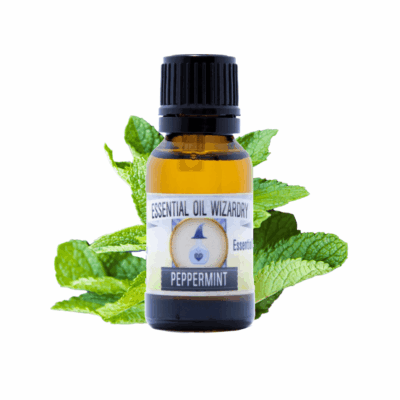
Essential Oil Wizardry’s Peppermint Oil is organically sourced from India and South Africa, steam distilled, and rich in menthol: the primary constituent responsible for its characteristic cooling sensation. Dr. Nick recommends it directly on the stomach during nausea or upset, or using one drop in 16 ounces of hot water as a digestive tea. However, it’s worth noting that peppermint can be intense! A drop or two is generally sufficient. For topical use, 2% dilution or below is generally recommended.
Lemon Essential Oil For Nausea: Bright And Balancing
Lemon is the third pillar of most nausea diffuser blends, and its role is specifically about lightness. When nausea is present, heavy or dense aromas may compound the discomfort. Lemon introduces clarity and freshness to a blend, and its crisp, tart character pairs great with both ginger’s warmth and peppermint’s coolness. Many people find lemon essential oil for nausea particularly useful during pregnancy-related morning sickness, where gentler aromatic options are often preferred. The scent is familiar and easy to tolerate even when the stomach is at its most sensitive.
Eucalyptus For Nausea: When Digestive Discomfort Comes With Congestion
Eucalyptus isn’t typically the first oil considered for nausea, but it earns a place in the conversation when digestive upset comes accompanied by congestion, headache, or general full-body heaviness, which is often the case with stomach flu or viral illness.
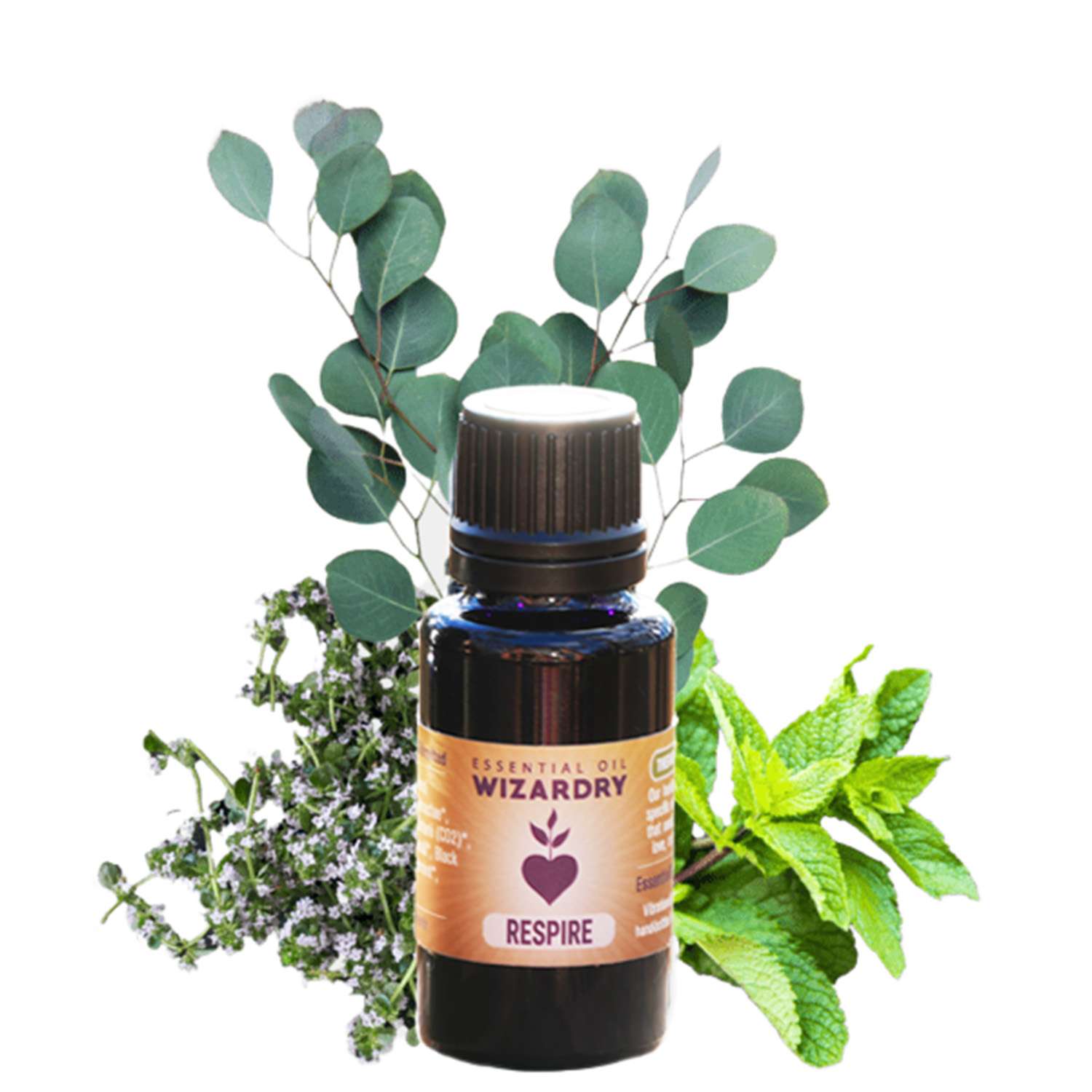
Its penetrating, camphoraceous aroma introduces a sense of clarity that may make breathing feel more comfortable when the body is dealing with multiple symptoms at once. Used in small amounts alongside ginger and peppermint in a diffuser blend, eucalyptus adds a layer of respiratory freshness without dominating the overall profile.
How To Use Essential Oils For Nausea: Methods That Work
The most important thing to know about using essential oils for nausea is that inhalation is often the primary and most appropriate route. When the stomach is already compromised, internal use of concentrated essential oils requires careful consideration and should only be pursued with knowledge and intention (see the Digestif section below for guidance on this). Topical application to the abdomen in a carrier oil may also be suitable, but diffusion creates an ambient aromatic environment without direct skin contact.
- Direct Inhalation: Place one drop of oil on a tissue or cotton pad and inhale slowly through the nose. This is the fastest and most controllable method. You can move the cotton pad away if the scent feels too strong, and bring it closer as needed. Ginger and peppermint both work well this way.
- Personal Inhaler: A small aromatherapy inhaler loaded with a few drops of your chosen oil or blend is a discreet, portable option that’s ideal for travel, commuting, or any situation where you need access to aromatic support on the move.
- Diffusion: Add 3–5 drops to your diffuser for a gentle aromatic environment. Use conservatively when nausea is active, since too much aroma in a small space can sometimes contribute to feelings of discomfort. We recommend diffusing for 20–30 minutes at a time rather than continuously.
- Topical Abdominal Massage: Dilute your chosen oil or blend at 2–3% in a carrier oil (jojoba and coconut work well) and massage gently onto the stomach using slow, clockwise circular motions. Clockwise follows the direction of digestive flow and typically feels particularly settled and intentional.
For an in-depth guide on aromatic application methods, ourarticle on how to use essential oils covers everything in practical detail.
Building A Nausea Diffuser Blend
A well-balanced nausea diffuser blend combines warming, cooling, and brightening aromatic layers for a scent that feels complete and easy to breathe in rather than sharp or medicinal. As a simple starting formula, we recommend blending 2 drops of our Ginger Essential Oil with 1 drop of our Peppermint Oil. You may add a drop or two of lemon oil to round out the combination.
This is intentionally minimal. When nausea is active, less is more in the diffuser. The ginger provides grounding warmth, peppermint adds mentholated clarity, and lemon brightens the overall profile. Feel free to adjust based on sensitivity. Some people find peppermint overwhelming when nauseous and do better without it; others find ginger too strong and prefer to lean on the lemon and peppermint pairing.
For travel, this same combination loaded into a personal inhaler gives you on-demand aromatic support without needing a diffuser, which brings us to one of the most common applications for this category. If you’re building a broader travel wellness kit around these oils, our post on essential oils for travel covers the full picture of what’s worth packing.
Our Ready-Made Blend For Digestive And Nausea Support
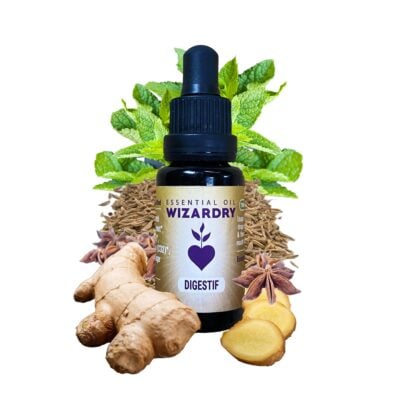
For those who want a thoughtfully formulated digestive aromatic concentrate rather than building a blend from scratch, Digestif is Dr. Nick’s purpose-built solution. Originally crafted as a travel companion to help reduce gas and support the stomach, Digestif contains 100% pure essential oils of peppermint, ginger, fennel (CO2), star anise (CO2), mace, and caraway (CO2).
The result is a blend that Dr. Nick describes as “sweet, spicy, and warming to the peripheral system, mixing the notes of mint, licorice, and ginger in a therapeutic swirl.” It bites, but in a perfectly balanced way. Digestif is available as a pure essential oil concentrate or infused into Organic Sugar Cane Alcohol. As of late 2023, we also began offering it infused into Organic MCT Oil for easier use and excellent potency. The MCT-infused version is particularly convenient for those who want to use it in warm tea or apply it topically without the additional step of mixing it into a carrier.
Essential Oil For Stomach Flu: A Note On Realistic Expectations
Stomach flu (viral gastroenteritis) involves acute inflammation of the stomach and intestines, typically causing nausea, vomiting, diarrhea, and general malaise. Essential oils are not treatments for viral infection, and should not be positioned as such. What they can offer during stomach flu is aromatic and sensory support, helping to ease the experience of nausea, encouraging calm breathing, creating a more comfortable environment for rest, and potentially supporting some degree of digestive comfort through topical or very carefully considered internal use.
If symptoms are severe, persistent, or accompanied by high fever, dehydration, or significant pain, medical evaluation is the appropriate next step. Essential oils belong alongside responsible self-care, not in place of it.
Frequently Asked Questions About Essential Oils For Nausea
What essential oils are most commonly used for nausea?
Ginger, peppermint, and lemon are the most traditional and widely used. Each contributes a different aromatic quality. Ginger warms and grounds, peppermint cools and clarifies, while lemon brightens and lifts.
How do I use essential oils for nausea safely?
Inhalation is the most appropriate and gentle route from a tissue, personal inhaler, or diffuser. Topical use diluted in a carrier oil on the abdomen is also typically well-tolerated. Internal use should only be tried with appropriate knowledge, intention, and proper dilution.
Can ginger essential oil for nausea be used during pregnancy?
Essential oils for nausea should be approached with caution, always with direct guidance from your healthcare provider. For instance, pure ginger essential oil may be too strong for pregnancy-related morning sickness. It’s usually recommended to use whole ginger root or a very diluted topical blend rather than concentrated essential oil during pregnancy.
What is a nausea diffuser blend?
It’s a simple aromatic combination of essential oils diffused into the air to create a supportive environment during digestive discomfort. A basic blend of ginger, peppermint, and lemon is a reliable starting point.
Is eucalyptus essential oil for nausea commonly used?
It can be, particularly when nausea comes alongside congestion or headache. It’s typically used in small amounts as a supporting note rather than a primary oil in digestive blends.
How many drops of essential oil for nausea should I use in a diffuser?
When nausea is active, start conservatively. Too much aroma in a small space might compound rather than help lessen discomfort. Less is more when the senses are already overwhelmed.
DISCLAIMER:
The information provided is intended for educational and informational purposes only and reflects historical, cultural, and experiential perspectives. It is not intended to diagnose, treat, cure, or prevent any disease, nor should it be interpreted as medical, legal, or professional advice. Individual experiences may vary. Always use personal discernment and consult a qualified professional when appropriate.