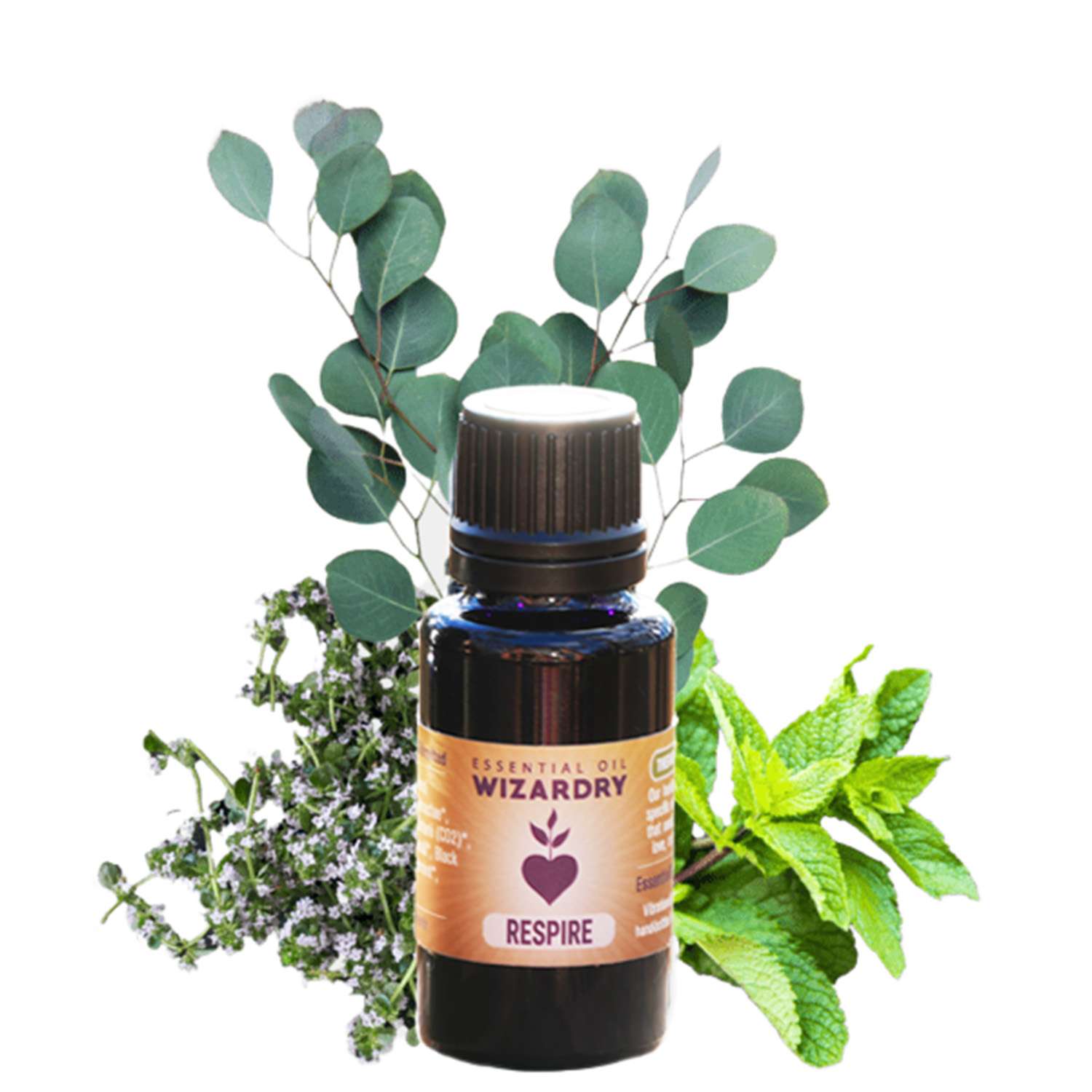
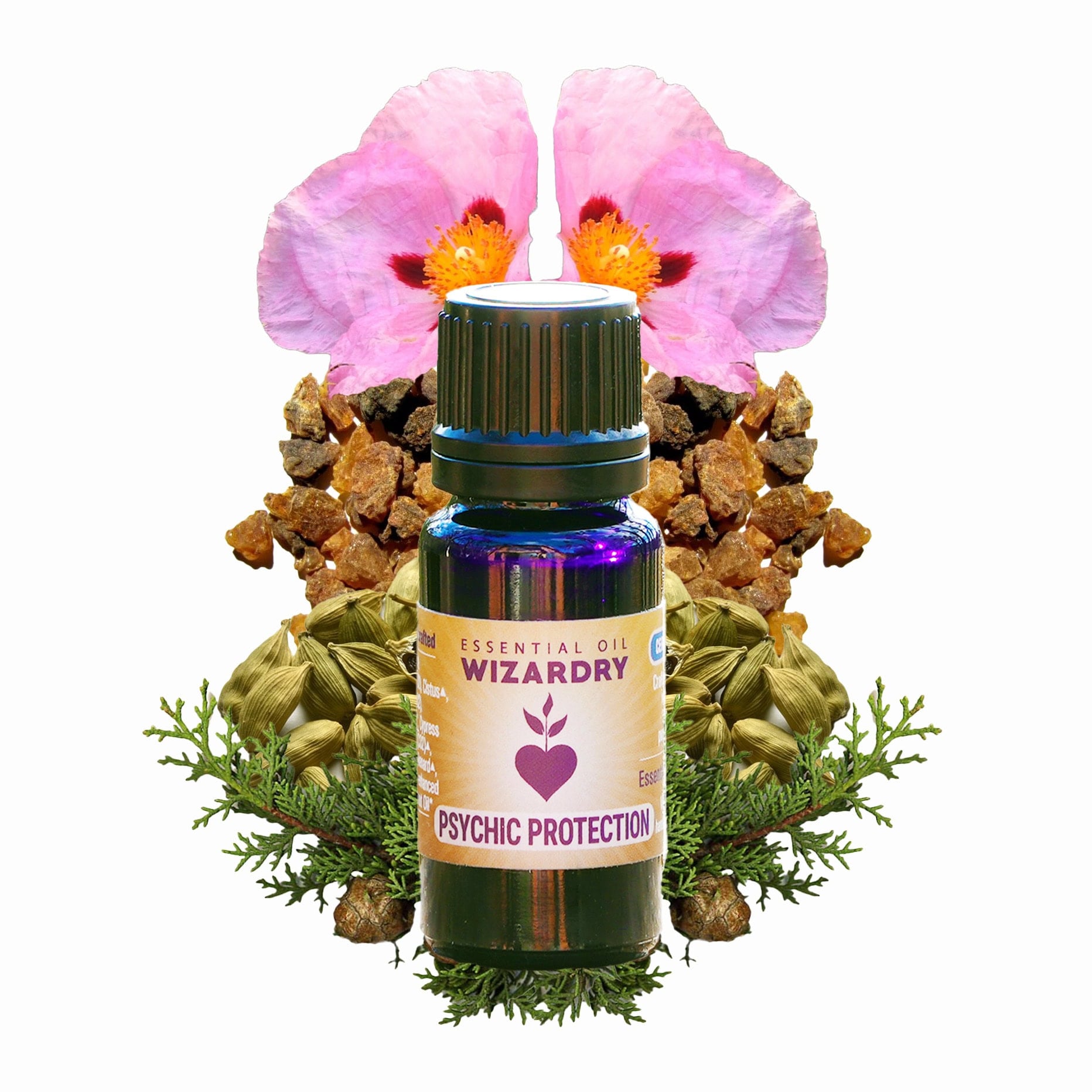



At Essential Oil Wizardry, we approach skin support through high-quality, carefully sourced botanicals, vibrational enhancement using ORMUS and BioGeometry, and the guidance of a holistic-minded, retired pharmacist. Every oil in this guide was chosen with intention and sourced from small-scale farmers and distillers who share that standard.
-
Helichrysum (Immortelle)
Price range: $35.00 through $144.00 -
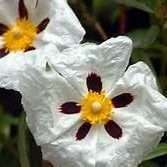
Cistus
Price range: $55.00 through $111.00 -
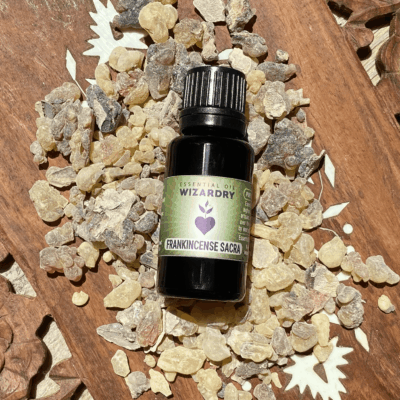
Frankincense Sacra (Royal Frankincense)
Price range: $33.00 through $77.00 -
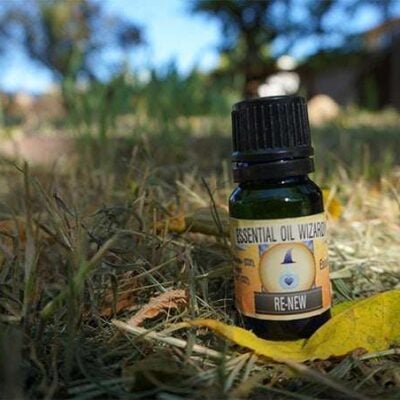
ReNEW
Price range: $25.00 through $55.00 -
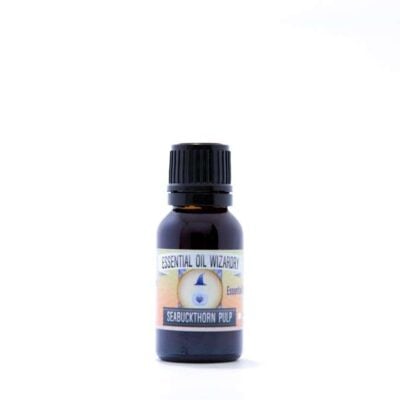
Sea Buckthorn (CO2)
Price range: $30.00 through $45.00 -
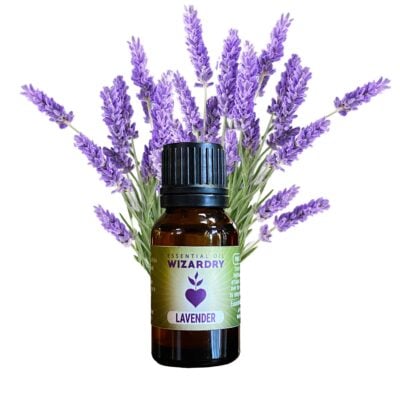
Lavender
Price range: $20.00 through $45.00 -
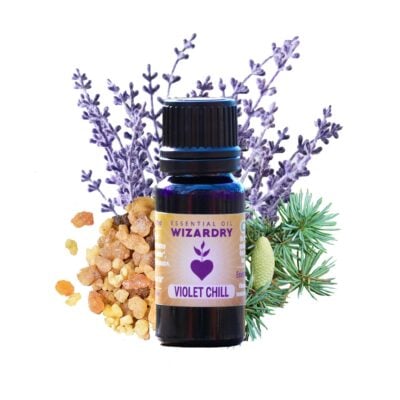
Violet Chill
Price range: $20.00 through $35.00 -
Tea Tree
$20.00
CHECK OUT OUR BLOG
Natural Male Enhancement Tinctures: Tongkat Ali, Epimedium, And Kakanga Compared
A guide to natural male enhancement tinctures, comparing tongkat ali, epimedium, and kakanga root benefits, with insight from Essential Oil Wizardry.
Kanna Tincture vs. Kanna Resin: Which Format Is Right For You?
A guide to kanna tincture vs kanna resin, covering effects, dosing, and how to choose the best kanna format for your practice, from Essential Oil Wizardry.
Rose Absolute vs. Rose Otto: Bulgarian Rose And Rose Bourbon Absolute Compared
A guide to rose absolute, comparing Bulgarian rose absolute and rose bourbon absolute for perfume and ritual use — plus how rose otto (a steam-distilled essential oil) differs — with insight from Essential Oil Wizardry.
What Essential Oils Are Good For Burns?
If you’re wondering, “What is the strongest essential oil for pain?” Look no further than lavender. Among all the botanicals historically tied to skin soothing, lavender holds one of the most prominent places. Its use in this context is ancient, and it remains one of the most widely used essential oils for skin comfort in modern aromatherapy.
The History And Science Of Lavender For Burns
The story of lavender for burns often begins with French chemist René-Maurice Gattefossé, who, after a laboratory accident, reportedly plunged his hand into lavender essential oil and documented the comforting sensation that followed. In fact, it was an iconic moment that helped launch the modern field of aromatherapy. Today, lavender’s linalool and linalyl acetate content attract ongoing research interest for their roles in the oil’s soothing and skin-supportive aromatic profile.
We carry several lavender varieties, each with its own unique character. To start, our gorgeous high-elevation fine (vera) lavender from a master distiller in France is Dr. Nick’s current go-to for superior quality and price. Meanwhile, the lovely Bulgarian lavender we source from a family farm that grows its own organic plants is perhaps one of the most floral and sweet options we carry. From there, our precious Mt. Shasta lavender was organically cultivated in the fields of Montague on a ranch, and it contains a soft, balanced, and gentle profile. And last but certainly not least, Lavender Mailette, a French Lavandula angustifolia varietal, is Dr. Nick’s personal favorite. Sweeter than most, it’s noted for its particularly high linalool content.
Using Lavender Safely
Essential oils are supportive botanical tools for minor, superficial skin irritation. For any burn involving blistering, significant surface area, or any doubt about severity, please seek immediate medical attention. Essential oils are not appropriate for anything beyond minor, superficial skin discomfort.
That said, when applied diluted at 1 to 2% in a carrier oil to clean, cooled, unbroken skin, lavender is a gentle and time-honored first botanical choice for minor irritation. Our carrier oils for essential oils lineup includes plentiful options that nourish your skin while toning down the highly concentrated nature of botanical extracts. Lavender can also be used neat on very small areas by those without sensitive skin, though dilution is always the more cautious approach. For those of you newer to working with essential oils topically, our guide on how to use essential oils covers safe dilution and application practices in detail.
Tamanu or Cacao (CO2) serve as an excellent carrier oils in conjunction with Lavender for burns.
Best Essential Oil For Burns: Helichrysum And Sea Buckthorn
Beyond lavender, these two botanicals stand out in the traditional and contemporary skin comfort repertoire for their remarkable skin-supportive chemistry.
Helichrysum: A Prized Skin Botanical For Minor Irritation
Helichrysum italicum, also called immortelle, is widely regarded as one of the most valuable skin-supportive botanicals in natural skincare. Its soft, golden-honey, herbaceous tea aroma has earned it the name “sunlight in a bottle,” and its reputation is deeply rooted in Mediterranean herbal tradition. For minor burn-adjacent skin discomfort, Dr. Nick recommends blending it in a 1:5 ratio with a carrier oil. Argan or tamanu are his preferred choices for this application, given their own skin-compatible properties.
Our Helichrysum Essential Oil is steam distilled from organically cultivated and wildcrafted Helichrysum italicum flowering tops, sourced from Bulgaria and Corsica. It is defined as non-irritating and non-sensitizing, making it one of the gentler options in the skin support category.
Sea Buckthorn: Deep Skin Nourishment After Irritation
Our Seabuckthorn Oil CO2 is organically sourced from Germany, extracted from the fruit pulp. Considered one of the most nutrient-dense botanical skin oils available, it is abundant in beneficial fatty acids, including palmitoleic acid, a component found in relatively few plant sources. Its deep orange-red color is a visual expression of that richness. For topical use, it works well at 1 to 5% dilution in a lighter carrier oil for cosmetic creams, lotions, and serums to potentially enhance beautifying properties. Alternatively, it can also be applied directly to burns or dry skin in very small amounts.
Essential Oil For Minor Burns: Tea Tree And Frankincense
Alongside lavender, helichrysum, and sea buckthorn, two additional botanicals offer meaningful skin comfort support for minor irritation.
Tea Tree Oil: A Cleansing Aromatic Companion
Tea tree’s crisp, medicinal, cineolic aroma has made it one of the most recognized botanical oils for skin support. For minor burn-related skin irritation, tea tree works well blended alongside lavender at around 1% dilution in a carrier oil. Its cleansing, clarifying aromatic presence adds a sharp dimension to a soothing blend, and the lavender softens its more medicinal edge.
Our Tea Tree Oil is steam distilled from organically cultivated Melaleuca alternifolia sourced from Australia, Mozambique, and South Africa. For best results, always dilute before topical use, and patch test if you have sensitive skin.
Frankincense Sacra: Aromatic Comfort And Skin Depth
Frankincense Sacra Essential Oil brings a calming, grounding aromatic quality to skin support contexts. Dr. Nick notes that it may “aid burns (especially with lavender),” which is a timeless pairing that combines lavender’s gentle character with frankincense’s deeper, more resinous aromatic presence.
Our Frankincense Sacra is wildcrafted and hydrodistilled from Hojari resins in the Dhofar region of Oman, serving as Dr. Nick’s personal favorite frankincense in the collection. For skin care use, a 1% dilution in a carrier lotion or oil is appropriate. It also pairs delightfully with lavender and helichrysum in a minor skin comfort blend. Frankincense Sacra also appears in our essential oils for emotional healing collection, because skin discomfort and the emotional experience of it are rarely entirely separate.
Dr. Nick’s favorite Wizard Alchemy blend to address burns combines a few of the oils listed above. Violet Chill synergizes Lavender, Cedar Atlas, Frankincense (CO2), Myrrh (CO2), and Helichrysum. This blend brings together powerful soothing Lavender & Helichrysum, while adding in some cedar, frankincense, and myrrh to support reducing inflammation, and aid with cellular turnover.
Frequently Asked Questions About Essential Oils For Burns
What essential oils are good for burns in everyday skin irritation?
Lavender, helichrysum, and sea buckthorn are the most traditionally and historically associated botanicals for minor skin comfort. Tea tree and frankincense offer additional aromatic dimensions. Always cool the area first, dilute appropriately, and apply only to unbroken, superficially irritated skin. For anything beyond minor irritation, it’s best to seek medical care.
Is lavender essential oil safe to apply directly to a minor burn?
Lavender can be used diluted at 1 to 2% in a carrier oil on clean, cooled, unbroken skin. Always cool the area under running water for at least ten minutes first. Those without sensitive skin sometimes use lavender neat on very small areas, though dilution is the more cautious standard approach. Combining lavender with a healing carrier oil such as Tamanu oil may yield additive results.
What is the best essential oil for burns according to traditional use?
Lavender has the longest and most consistent traditional association with minor skin soothing after heat-related irritation. Helichrysum is another botanical with deep roots in Mediterranean skin care traditions, particularly for skin that has experienced prolonged sun exposure. Many practitioners reach for both, using lavender for its gentle, immediate comfort and helichrysum for its longer-term skin-supportive qualities. As always, cool the area thoroughly before applying anything, dilute appropriately in a carrier oil, and seek medical care for anything beyond minor, superficial irritation.
Can essential oils be used on serious burns?
No. Essential oils are not appropriate for serious burns. Any burn involving blistering, deep tissue involvement, or significant surface area requires immediate medical attention.
How do you safely apply essential oils to minor skin irritation?
Cool the area under cool running water for at least ten minutes first. Then, dilute your essential oil of choice at 1 to 2% in a carrier oil and apply to clean, unbroken skin. If you’d like to be extra cautious, patch test new oils before broader application and always discontinue use if any negative reaction occurs.
How should I store my skin support essential oils?
Store all bottles sealed in a cool, dark cabinet away from heat and light. They are best used within 2 to 5 years of purchase.
DISCLAIMER:
The information provided is intended for educational and informational purposes only and reflects historical, cultural, and experiential perspectives. It is not intended to diagnose, treat, cure, or prevent any disease, nor should it be interpreted as medical, legal, or professional advice. Individual experiences may vary. Always use personal discernment and consult a qualified professional when appropriate.