


The skin has its own rhythm. When it feels balanced, there is a quiet ease to it. When something feels off, that imbalance tends to announce itself. For those who prefer plant-based skin care, turning to botanical oils is a natural extension of a broader commitment to living closer to the earth. Many people find that incorporating the right oils into a consistent daily ritual supports a clearer, more settled complexion over time.
-
Helichrysum (Immortelle)
Price range: $35.00 through $144.00 -
Sacred Toner
Price range: $33.00 through $77.00 -
ReNEW
Price range: $25.00 through $55.00 -
Lavender
Price range: $20.00 through $45.00 -
Violet Chill
Price range: $20.00 through $35.00 -
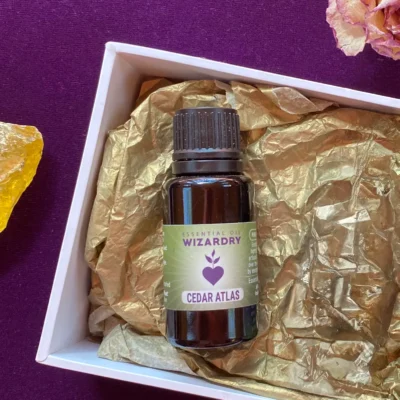
Atlas Cedar
Price range: $18.00 through $35.00 -
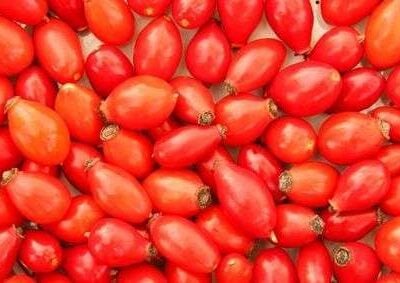
Rosehip Seed Oil (CO2)
$33.00 -
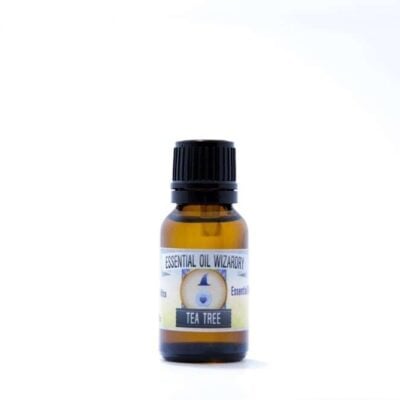
Tea Tree
$20.00
CHECK OUT OUR BLOG
Natural Male Enhancement Tinctures: Tongkat Ali, Epimedium, And Kakanga Compared
A guide to natural male enhancement tinctures, comparing tongkat ali, epimedium, and kakanga root benefits, with insight from Essential Oil Wizardry.
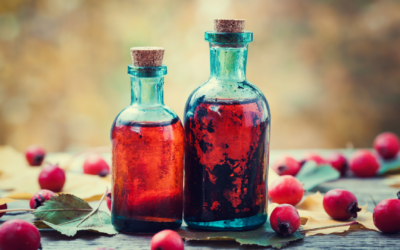
Kanna Tincture vs. Kanna Resin: Which Format Is Right For You?
A guide to kanna tincture vs kanna resin, covering effects, dosing, and how to choose the best kanna format for your practice, from Essential Oil Wizardry.
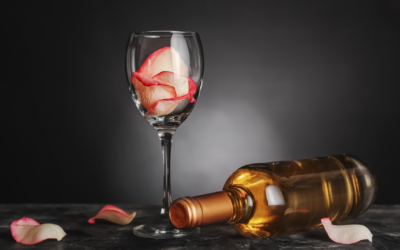
Rose Absolute vs. Rose Otto: Bulgarian Rose And Rose Bourbon Absolute Compared
A guide to rose absolute, comparing Bulgarian rose absolute and rose bourbon absolute for perfume and ritual use — plus how rose otto (a steam-distilled essential oil) differs — with insight from Essential Oil Wizardry.
What Plant-Based Skin Care Offers The Complexion
Botanical oils interact with the skin through naturally occurring compounds, including terpenes, esters, and fatty acids, used in traditional skin care for centuries. Their value lies in the cumulative effect of consistent, gentle application over time.
Why Sourcing Quality Matters For Skin Rituals
Not all essential oils are created equal, and the difference between a synthetic fragrance oil and a genuinely organic botanical is meaningful for the skin. Oils from plants grown without pesticides and processed without chemical solvents carry a cleaner, more complete profile. For those building a skin care practice, purity is the foundation. Our guide on organic essential oils covers what to look for when choosing botanicals for topical use.
Dilution And Application For Facial Skin
Essential oils must always be diluted in a carrier oil before skin contact. A dilution of 1% or lower is a thoughtful starting point for facial applications, and patch-testing on the inner arm before applying to the face is always wise. Our guide on carrier oils for essential oils covers carrier selection and dilution ratios for different skin types.
Tea Tree Oil For Acne: The Botanical Standard
Tea tree oil is one of the most studied botanicals in the context of skin clarity. Its primary active constituent, terpinen-4-ol, is well-documented for its antimicrobial and clarifying properties. A study published in the Medical Journal of Australia found that a 5% tea tree gel was comparable in effectiveness to a 5% benzoyl peroxide preparation for supporting skin clarity, with fewer reported side effects.
Tea Tree Oil is potent and should always be diluted before facial use. A 1 to 2% dilution in jojoba or rosehip is appropriate for most adults, and a cotton swab works well for targeted spot application. Avoid applying it undiluted to facial skin. Our Tea Tree Oil is steam distilled from organically cultivated Australian leaves, prepared in small batches, and pairs naturally with lavender to soften its more medicinal edge.
Natural Acne Treatment Essential Oils: Lavender, Lemon, And Helichrysum
Several other botanicals bring distinct contributions to a plant-based approach to skin clarity. Lavender, lemon, and helichrysum address different aspects of skin balance and together create a well-rounded aromatic skin care toolkit.
Lavender And Lemon: Balance And Brightness
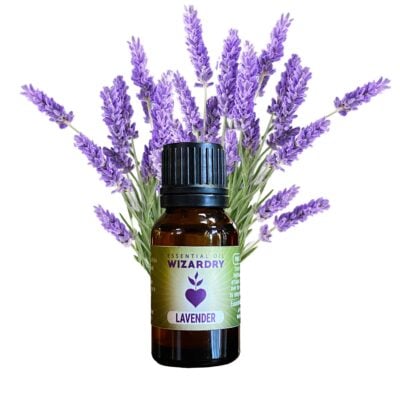
Lavender Essential Oil is among the most skin-compatible botanicals available. Its linalool content is associated with a calming, harmonizing effect on the skin’s surface and blends effortlessly into any facial carrier. Many people who find pure tea tree slightly too intense appreciate how lavender softens a skin clarity blend.
Lemon Oil brings a brightening quality to the complexion and has long been used in traditional skin preparations for its uplifting character. Hydrodistilled Lemon in our collection is to reduce phototoxic risk, and it blends well with lavender and tea tree. We recommend avoiding sun exposure shortly after applying citrus oil to the skin.
Best Essential Oil For Acne-Prone Skin: Helichrysum
Helichrysum Essential Oil is beloved in botanical skin care for its deeply restorative aromatic profile. Its italidione content is associated with skin-comforting and recovery-supporting qualities, making it well-suited to skin that tends toward sensitivity or post-blemish discoloration. Our guide on immortelle essential oil explores this botanical more fully. For context on how these oils interact with the skin’s natural responses, our guide on essential oils for inflammation is worth reading alongside this one.
Rosehip, Sacred Toner, And Renew: Building A Complete Ritual
The most consistent results from plant-based skin care come from building a ritual rather than relying on isolated applications. These products from our collection create a layered botanical approach to skin clarity and balance.
Rosehip Seed Oil: The Ideal Carrier For Clear Skin
Rosehip Seed Oil CO2 is one of the finest carriers for skin-clarity-focused facial blends. Rich in linoleic acid and naturally occurring vitamin A compounds, it supports a smooth, even skin surface and is well-tolerated by oily and blemish-prone skin types.
Sacred Toner And Renew: Daily Ritual Anchors
Sacred Toner was crafted as a balancing, preparatory step in a botanical skin ritual. Applied after cleansing, it readies the skin to receive the oils that follow. Formulated with botanicals chosen for their toning and clarifying qualities, it suits daily morning and evening use. People report feeling softer and tighter skin, sometimes even just after a single application of Sacred Toner.
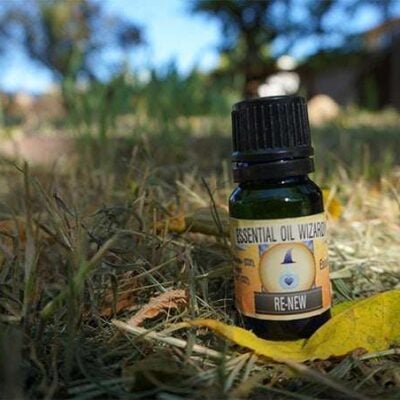
Renew brings together helichrysum and complementary botanicals in a purposeful formulation to support the skin’s natural renewal process. Used consistently as part of an evening ritual, it is one of our most meaningful offerings for those committed to plant-based skin care.
Caring For Your Skin Botanicals
Keep all bottles sealed tightly in a cool, dark cabinet away from heat and direct light, and close them immediately after each use. Rosehip Seed Oil CO2 benefits from refrigeration after opening. All of our skin care botanicals are best used within 2 to 5 years of opening.
Frequently Asked Questions About Using Essential Oils For Acne
What are the best essential oils for acne-prone skin?
Tea tree, lavender, helichrysum, and lemon are the botanicals we reach for most to support a clearer complexion. Tea tree brings clarifying properties, lavender offers balance and calm, helichrysum supports skin recovery, and lemon adds brightness. Cedar atlas is also a great balancing oil for acne, for both moist and dry skin types.
How do I use tea tree oil for acne?
Dilute at 1 to 2% in jojoba or rosehip before facial use. For spot application, use a cotton swab with a small amount of diluted oil. Avoid applying undiluted tea tree directly to the face.
Are natural acne treatment essential oils safe for daily use?
Yes, with appropriate dilution and patch testing. Those with more reactive skin may prefer to start with every-other-day use and build from there.
What is the best carrier oil for essential oils for pimples?
Rosehip Seed Oil CO2 is our top recommendation for blemish-prone skin due to its linoleic acid content and lightweight texture. Jojoba is another excellent option as it closely mirrors the skin’s natural chemistry.
How should I store my skin care essential oils?
Keep all bottles tightly sealed in a cool, dark place away from heat and direct light. Seal after each use. Our skin care botanicals are best used within 2 to 5 years of opening.
DISCLAIMER:
The information provided is intended for educational and informational purposes only and reflects historical, cultural, and experiential perspectives. It is not intended to diagnose, treat, cure, or prevent any disease, nor should it be interpreted as medical, legal, or professional advice. Individual experiences may vary. Always use personal discernment and consult a qualified professional when appropriate.
Sources:
- Bassett, I. B., Pannowitz, D. L., & Barnetson, R. S. (1990). A comparative study of tea-tree oil versus benzoyl peroxide in the treatment of acne. Medical Journal of Australia, 153(8), 455–458.https://doi.org/10.5694/j.1326-5377.1990.tb126150.x
- Phetcharat, L., Wongsuphasawat, K., & Winther, K. (2015). The effectiveness of a standardized rose hip powder, containing seeds and shells of Rosa canina, on cell longevity, skin wrinkles, moisture, and elasticity. Clinical Interventions in Aging, 10, 1849–1856.https://doi.org/10.2147/CIA.S90092
- Antunes Viegas, D., Palmeira-de-Oliveira, A., Salgueiro, L., Martinez-de-Oliveira, J., & Palmeira-de-Oliveira, R. (2014). Helichrysum italicum: From traditional use to scientific data. Journal of Ethnopharmacology, 151(1), 54–65.https://doi.org/10.1016/j.jep.2013.11.005