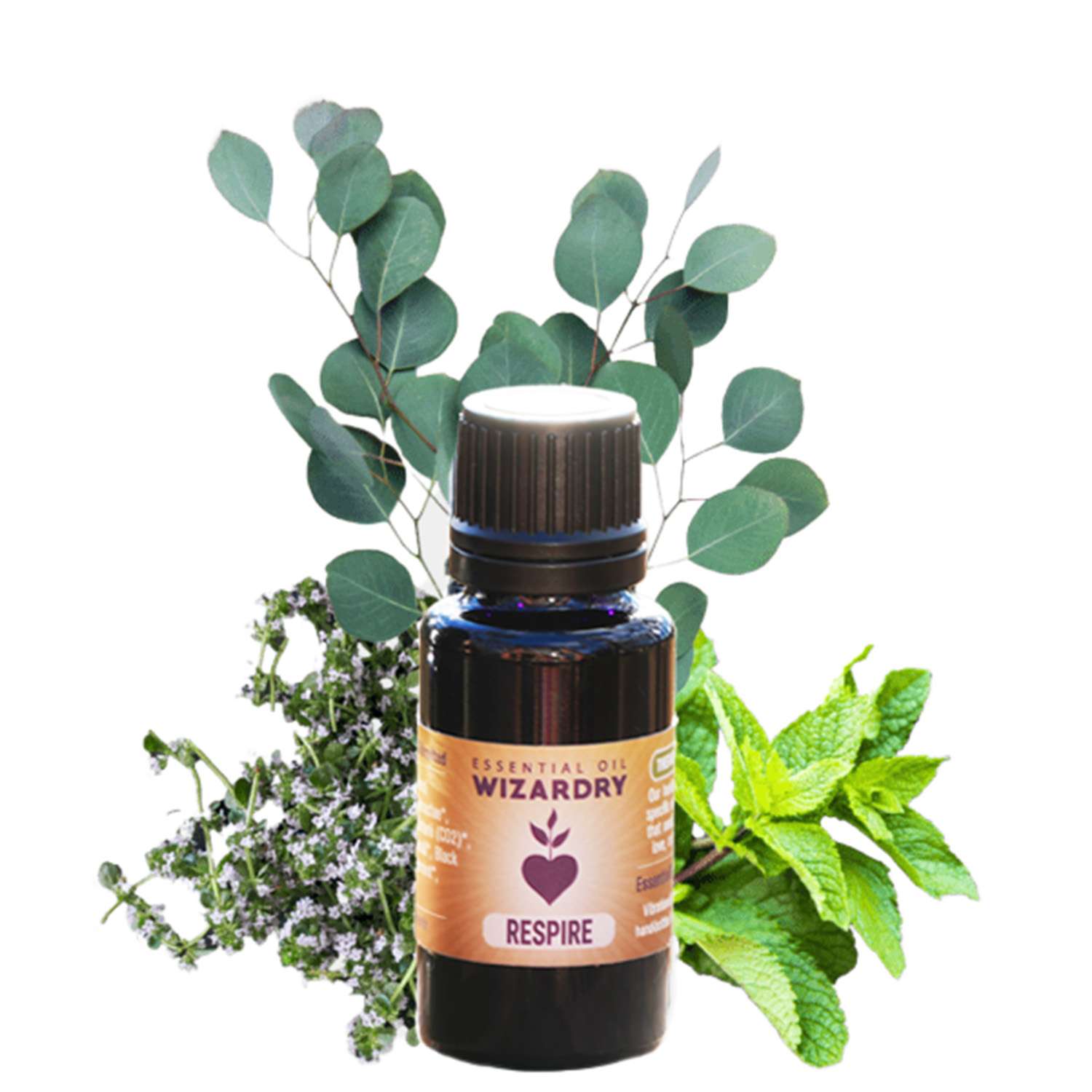
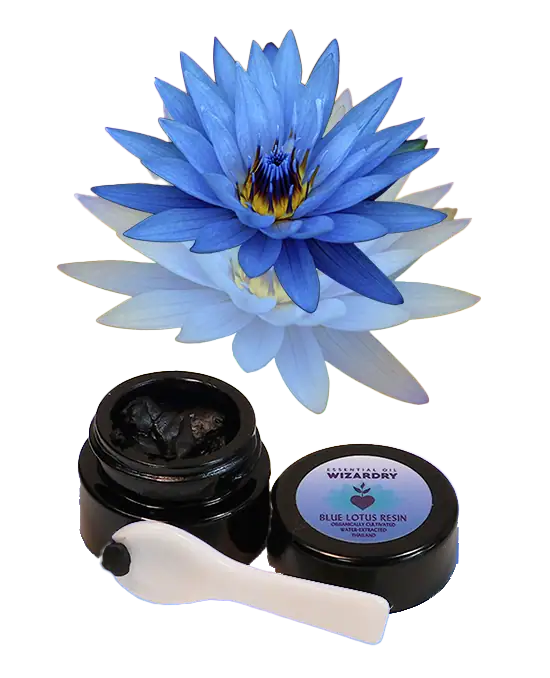
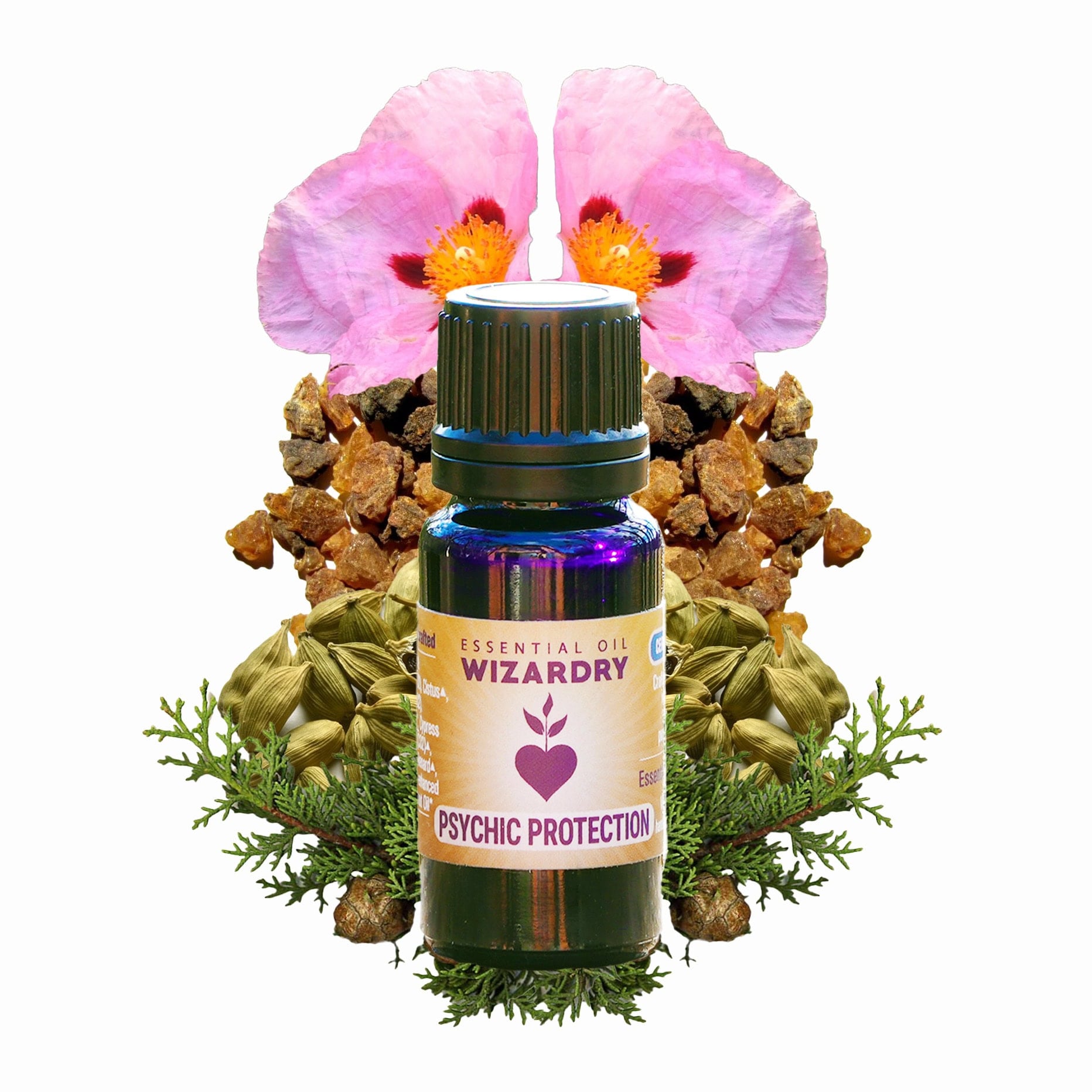



Walk into a space filled with the right aroma, and something subtle begins to shift. The atmosphere softens, and the body responds before the mind even registers why. Using an essential oil for diffuser rituals is about consciously shaping the environment around you so it supports how you want to feel, think, and move through the moment.
-
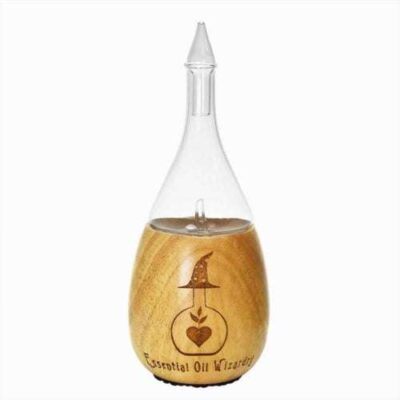
Essential Oil Diffuser
$125.00 -

Sensation
Price range: $25.00 through $123.00 -
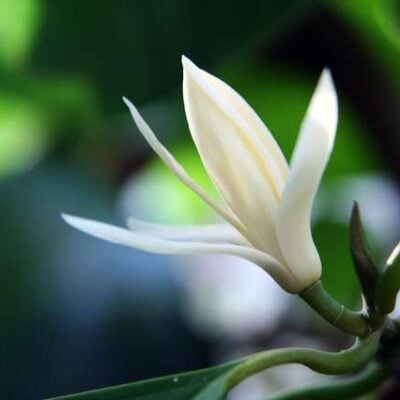
Michelia Alba (Magnolia)
Price range: $55.00 through $111.00 -
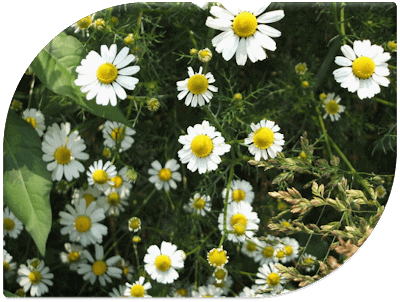
Roman Chamomile
Price range: $45.00 through $85.00 -
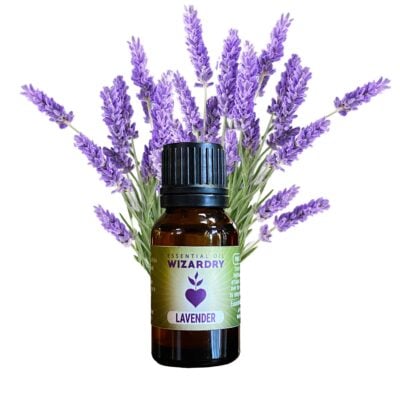
Lavender
Price range: $20.00 through $45.00 -
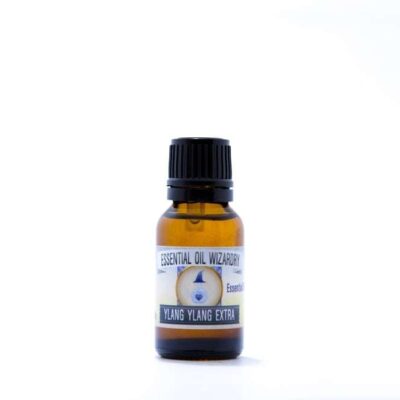
Ylang Ylang
Price range: $40.00 through $45.00 -
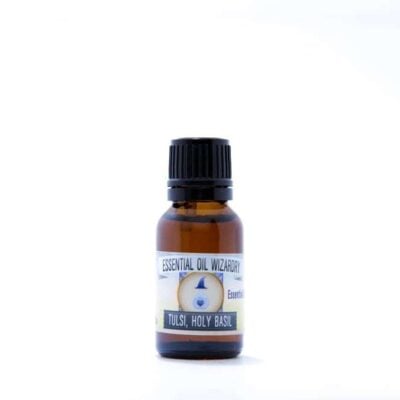
Holy Basil (Tulsi)
Price range: $25.00 through $45.00 -
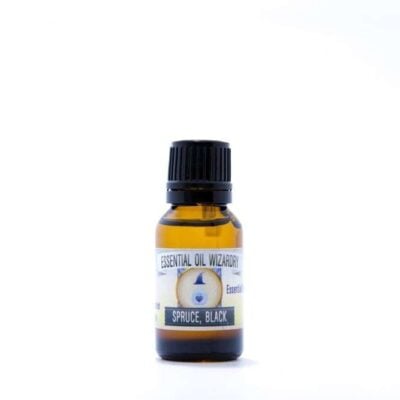
Black Spruce
$33.00
CHECK OUT OUR BLOG
Natural Male Enhancement Tinctures: Tongkat Ali, Epimedium, And Kakanga Compared
A guide to natural male enhancement tinctures, comparing tongkat ali, epimedium, and kakanga root benefits, with insight from Essential Oil Wizardry.
Kanna Tincture vs. Kanna Resin: Which Format Is Right For You?
A guide to kanna tincture vs kanna resin, covering effects, dosing, and how to choose the best kanna format for your practice, from Essential Oil Wizardry.
Rose Absolute vs. Rose Otto: Bulgarian Rose And Rose Bourbon Absolute Compared
A guide to rose absolute, comparing Bulgarian rose absolute and rose bourbon absolute for perfume and ritual use — plus how rose otto (a steam-distilled essential oil) differs — with insight from Essential Oil Wizardry.
Organic Diffuser Oils vs. Synthetic Fragrance
If you’re new to essential oils and want to learn more about what they are, it helps to start with a basic question: What are essential oils? Put simply, essential oils are the parts of a plant that give it a particular taste and smell. In Dr. Nick’s words, plants and flowers have the ability to transform the sunlight into the most amazing scents and flavors on the planet! Long story short, they carry a depth that’s hard to replicate.
Now, synthetic fragrance oils are designed to mimic the smell of fresh plants. They’re formulated to smell appealing at first contact, and they often do. But they lack the complex botanical presence that comes from a true plant extract. They also lack the aromatic nuances that make working with plants feel meaningful. And oftentimes, synthetic fragrance oils can cause toxicity, headaches, or hormonal disruptions, especially with regular usage.
On the other hand, organic essential oils that are sourced from unsprayed, pesticide-free plant material tend to carry richer, more layered aromas precisely because the plants themselves were allowed to develop fully in their natural environment. Essential Oil Wizardry’s commitment to organic and wildcrafted sourcing, small-batch preparation, and vibrational enhancement using energetic tools like ORMUS and BioGeometry means every oil in our collection has a presence that reflects the plant it came from.
Lavender: Why It Tops So Many Best-Rated Essential Oils Lists
Lavender’s reputation isn’t just hype. It’s the result of decades of enthusiastic use by people who keep coming back to it because it keeps working. Its soft floral aroma is approachable without being generic, calming without making you too sleepy, and it blends effortlessly with almost every other aromatic family. For diffuser use specifically, lavender is the most versatile oil in most collections. It can anchor an evening wind-down blend, soften a bold citrus combination, or stand completely alone in a quiet room. People diffuse it during:
- Evening Relaxation: It supports the transition from work to rest.
- Mindful Practices: It complements meditation, yoga, or breathwork sessions.
- Quiet Activities: It enhances journaling, reading, or other reflective moments.
- Shared Spaces: It helps create a calm atmosphere in shared or guest areas.
- Pre-Sleep Environment: It contributes to a more relaxed bedroom setting before sleep.
What makes Essential Oil Wizardry’s lavender different is sourcing intentionality. Our Lavender Essential Oil is organically sourced from high-elevation Swiss Alps Lavender Vera, which is a harmonious, high-elevation, sweet French varietal. The aroma is delicate but present, so you’ll want to reach for it every day rather than saving it for special occasions. We have several other amazing sources of Lavender: one Organic Lavender from a family farm in Bulgaria, another from an artisan distillation project outside of Mount Shasta. For a broader look at how lavender fits into practices beyond diffusion, our guide on essential oils for calming and stress relief covers a wider range of applications while introducing you to other soothing botanicals.
Lemon Oil: Zingy Citrus For Your Diffuser
If lavender is the anchor of a collection, lemon is its counterweight, bringing a sense of zesty freshness to any space. Its crisp, tart citrus scent is one of the most universally appealing aromas there is, and in a diffuser, it makes a room feel more awake. Lemon works particularly well in:
- Kitchens and Common Areas: They help create an inviting atmosphere in shared spaces.
- Home Offices And Creative Spaces: They support focus and clarity during work or creative sessions.
- Morning Use: They can help energize the start of the day.
- Resetting The Space: They are useful anytime a room feels stale or heavy and needs a refresh.
It also blends beautifully across aromatic families. Paired with lavender, it adds radiance to an otherwise soft, floral blend. Combined with rosemary or eucalyptus, it contributes citrus clarity to herbal blends. Finally, with frankincense or cedarwood, it lifts a heavier resinous combination and keeps it from feeling too dense.
Our Lemon Oil is organically sourced from South Africa and hydrodistilled, a process that preserves the oil’s tart character while helping to reduce the phototoxic risk associated with cold-pressed citrus oils. Still, even hydrodistilled lemon oil should be used with some caution on skin that will be exposed to sunlight.
Storing Your Organic Diffuser Oils
The living character of a well-stored oil is worth protecting, since it directly affects how it unfolds in your diffuser and how it lingers in your room. Essential oils are sensitive to heat, light, and air, and their aromatic quality reflects how they’re stored. Keep bottles tightly sealed in a cool, dark cabinet or drawer, away from windows, heat sources, and temperature fluctuation. Seal immediately after each use. Like all Essential Oil Wizardry products, our diffuser oils are best used within 2–5 years when stored with care.
What Contributes To The Best Smelling Oil Diffuser Experience?
Scent preferences are deeply personal. Some people are drawn to bright citrus aromas, while others prefer the softness of florals or the grounding depth of woods and resins. There’s no universal answer to what makes a space smell good, but there are principles that make a diffuser blend feel pleasant rather than flat or one-dimensional.
The most satisfying diffuser blends tend to work across aromatic layers. Fresh top notes make the first impression and set the energy of the room. Floral or herbal middle notes form the heart of the experience, and they’re the aroma you’ll keep noticing as time goes by. Meanwhile, base notes from woods, certain resins, or roots give the blend staying power, helping the scent linger and develop rather than evaporate in the first few minutes.
This is also why organic diffuser oils often feel different from synthetic room sprays or fragrance oils. A responsibly sourced plant extract unfolds gradually as it disperses, revealing subtle shifts in character over time. That evolving quality makes the experience feel more alive, more like spending time in a garden or a forest than walking past a candle display.
Aroma Diffuser Uses: How Scent Shapes The Rhythm Of Your Day
One of the most practical things to understand about diffuser use is that the same collection of oils can serve completely different purposes depending on when and how you use them.
- Morning: Crisp, energizing top notes like citrus oils, rosemary, peppermint, or lemongrass awaken the senses. These are the aromas that feel like opening a window and letting in a gust of fresh spring air.
- Midday Focus: Herbal and resinous middle notes like frankincense, cedarwood, and rosemary create a grounded atmosphere without the invigorating edge of citrus.
- Evening: Soft florals, gentle woods, and grounding resins like lavender, sandalwood, vetiver, and cape (or Roman) chamomile signal to the body that it’s time to shift from output to rest.
- Creative Or Meditative Spaces: Earthy and complex blends, such as Palo Santo, blue lotus, and clary sage, create an atmosphere of expansiveness and presence.
The diffuser itself matters here, too. Dr. Nick’s preference is a nebulizing diffuser with no water, heat, or plastic parts, because it disperses pure essential oil directly into the air without dilution or alteration. The aroma fills a large space and remains true to the oil’s full aromatic character. Essential Oil Wizardry’s Essential Oil Diffuser is designed around exactly this principle. It’s made of custom-blown, elegant glass and rounded plantation hardwood, allowing the plant extracts inside to speak for themselves.
How To Use And Care For Your Diffuser
Here are a few diffuser-specific habits worth developing:
- Run In Sessions: 20–30 minutes is usually enough to fill a room. Continuous diffusion for hours might potentially dull your sensory response and occasionally cause mild irritation, so intermittent use is both more effective and more sustainable.
- Clean Regularly: Rinse the water reservoir and wipe it dry between uses. Built-up oil residue can affect both the diffuser’s performance and the quality or clarity of future blends.
- Start With Less: It’s always a good rule of thumb to use fewer drops than you think you’ll need. After all, it’s easier to add than to remove!
- Thin Thicker Oils: Combine thicker oils, such as Vetiver or Sandalwood, with lighter oils, such as citrus or lavender, to prevent clogging in the diffuser.
For practical guidance on the various ways to appreciate essential oils beyond diffusers, our guide on how to use essential oils covers the full landscape.
What Diffuser Reviews Actually Tell You
Reading diffuser reviews can offer some perspective on how a product performs. Things like mist output, noise level, and how well it disperses aroma throughout a space are all valuable factors to consider. But when it comes to the actual scent experience, reviews become much less reliable. That’s because aroma is highly personal. The same lavender oil that one person finds calming might feel overly floral to someone else, while a citrus blend that feels uplifting to one person may come across as too sharp to another.
Where reviews can be more helpful is in how they describe the overall experience. Notes about how evenly a diffuser fills a room, how long the aroma lingers, or how the atmosphere shifts over time tend to be more useful than opinions on the scents used. Ultimately, the most reliable guide is your own sensory response. The oils that resonate with you in your space, at your pace, are the ones that will feel the most supportive over time. Let the diffuser be the tool, while the scents guide you.
Frequently Asked Questions About Essential Oils For Diffusers
What is the best essential oil for a diffuser for beginners?
Lavender and lemon are the two most reliable starting points. Lavender is versatile and well-loved, while lemon is bright, fresh, and works in almost any context. Together, they cover the two most common diffuser needs (calming energy and energizing clarity) and blend beautifully with almost anything you add later.
How many drops of essential oil should I use in a diffuser?
Most room-sized diffusers work well with 4–6 drops total. Start at the lower end, especially with strong oils like peppermint or eucalyptus. You can always add more if needed.
Can I mix different essential oils in one diffuser?
Of course! Blending is one of the most enjoyable aspects of diffuser practice. Start with one or two oils and a simple ratio, then layer from there.
Are organic diffuser oils noticeably different from conventional ones?
Many people report that organic oils feel more complex and true to the plant. The sourcing principles behind organic cultivation, such as healthier soil, cleaner plant material, and no synthetic chemical residues, reflect values that resonate with Essential Oil Wizardry’s mission.
How long should I run my diffuser at a time?
20–30 minute sessions are typically sufficient to fill a room and maintain the scent. Running intermittently throughout the day is generally more effective and more pleasant than continuous diffusion.
Do essential oils expire?
Yes. Most maintain their aromatic quality for 2–5 years when stored properly. Signs of degradation include a flat, stale, or sharp odor that differs from the oil’s original character.
DISCLAIMER:
The information provided is intended for educational and informational purposes only and reflects historical, cultural, and experiential perspectives. It is not intended to diagnose, treat, cure, or prevent any disease, nor should it be interpreted as medical, legal, or professional advice. Individual experiences may vary. Always use personal discernment and consult a qualified professional when appropriate.