


Dizziness, imbalance, and the sense that the room is spinning can leave a person feeling unmoored. The nausea that often accompanies vertigo, the nervous system activation, the anxiety that builds around recurring episodes: these are the dimensions of the experience that aromatic botanical support is most suited to address.
-
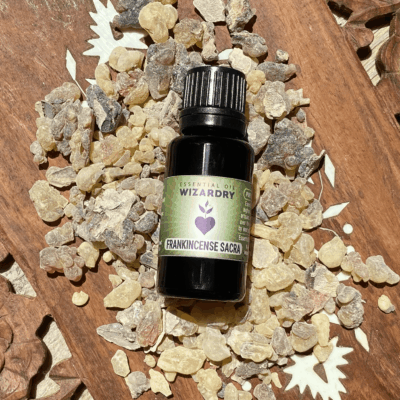
Frankincense Sacra (Royal Frankincense)
Price range: $33.00 through $77.00 -
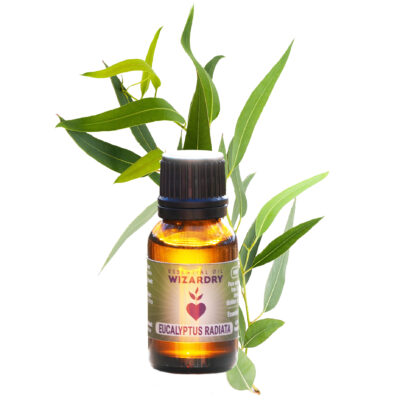
Eucalyptus
Price range: $16.00 through $77.00 -
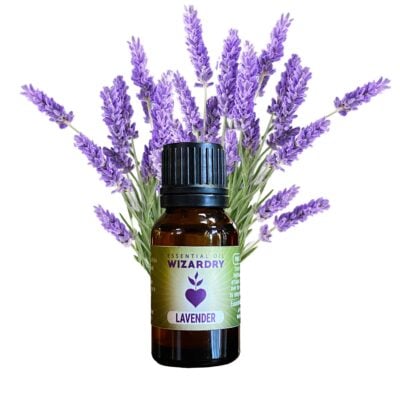
Lavender
Price range: $20.00 through $45.00 -
Ginger
Price range: $35.00 through $45.00 -
Sweet Basil
Price range: $20.00 through $35.00 -
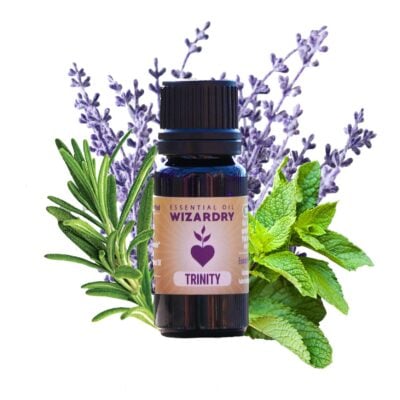
Trinity Blend
Price range: $20.00 through $35.00 -
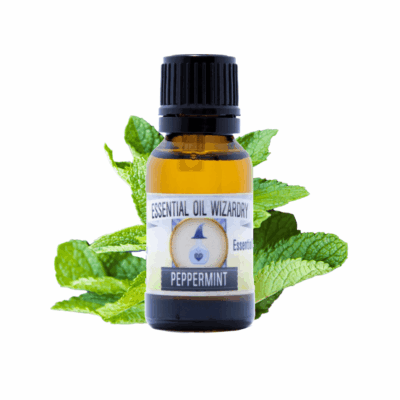
Peppermint
$20.00
CHECK OUT OUR BLOG
Natural Male Enhancement Tinctures: Tongkat Ali, Epimedium, And Kakanga Compared
A guide to natural male enhancement tinctures, comparing tongkat ali, epimedium, and kakanga root benefits, with insight from Essential Oil Wizardry.

Kanna Tincture vs. Kanna Resin: Which Format Is Right For You?
A guide to kanna tincture vs kanna resin, covering effects, dosing, and how to choose the best kanna format for your practice, from Essential Oil Wizardry.
Rose Absolute vs. Rose Otto: Bulgarian Rose And Rose Bourbon Absolute Compared
A guide to rose absolute, comparing Bulgarian rose absolute and rose bourbon absolute for perfume and ritual use — plus how rose otto (a steam-distilled essential oil) differs — with insight from Essential Oil Wizardry.
Ginger And Peppermint: Best Essential Oils For Vertigo And Nausea
The two botanicals most consistently associated with nausea and dizziness support in both traditional medicine and contemporary research are ginger and peppermint. Both have well-documented effects on the nausea response and nervous system tone.
Ginger Essential Oil: The Best Essential Oil For Vertigo Nausea
Ginger has one of the most extensive research profiles of any botanical for nausea and motion-related sensory discomfort. Its primary bioactive compounds, gingerols and shogaols, have been studied for their effects on the nausea response and serotonergic pathways. A systematic review in the British Journal of Anaesthesia documented ginger’s effectiveness for nausea across multiple clinical contexts.
For the nausea that accompanies vertigo, ginger essential oil used aromatically may provide meaningful comfort. Inhaling ginger directly from the bottle, diffusing several drops, or applying diluted ginger to the wrists and behind the ears creates a warming, centering aromatic experience. Our Ginger Essential Oil is steam distilled from organically cultivated Zingiber officinale.
Peppermint Oil: Cool, Clarifying Support For Essential Oils For Dizziness
Peppermint’s menthol content creates a cooling, clarifying aromatic experience many people find immediately orienting during moments of dizziness. A study in the Journal of Perianesthesia Nursing documented that peppermint aromatherapy significantly reduced nausea in postoperative patients.
Our Peppermint Oil is steam distilled from organically cultivated Mentha piperita, sourced from India and South Africa. Applied diluted at 1 to 2% to the temples, wrists, and back of the neck, it creates a clarifying aromatic experience suited to sensory instability. Our guide on how to use essential oils covers safe application methods.
Lavender And Frankincense: Essential Oils For Dizziness Calm And Nervous System Support
Beyond nausea, vertigo episodes are often accompanied by anxiety, stress activation, and nervous system dysregulation. Lavender and frankincense address these dimensions directly.
Lavender Essential Oil: Calming The Nervous System Around Dizziness
Lavender is the most extensively studied essential oil for its effects on the nervous system and anxiety. Its linalool and linalyl acetate content have been documented for effects on parasympathetic nervous system activation and cortisol modulation.
For those who experience anxiety or stress activation around vertigo episodes, lavender’s calming aromatic effects may provide meaningful support. Our Lavender Essential Oil is steam distilled from organically cultivated Lavandula angustifolia. Diffused during or after a vertigo episode, or applied diluted to the temples, sternum, and inner wrists, it creates a settling aromatic field. Our guide on essential oils for calming and stress relief explores lavender and other botanicals for nervous system support.
Frankincense Sacra: Grounding And Sensory Steadiness
Frankincense Sacra Essential Oil’s deeply calming aromatic quality makes it a valuable companion for the nervous system activation that accompanies vertigo. Its slow, resinous aroma creates aromatic groundedness that counterbalances the disorienting quality of dizziness.
Research on frankincense essential oil has documented anti-inflammatory and nervous system modulating properties. Diffused alongside lavender, or applied diluted to the forehead, sternum, and soles of the feet, it creates a settling aromatic field. Our guide on essential oils for emotional healing explores frankincense and other botanicals for the emotional dimensions of physical discomfort.
Sweet Basil Essential Oil: Sensory Clarity And Mental Focus
Sweet Basil’s linalool and methyl chavicol content give it a sharp, clarifying, mentally focusing aromatic quality distinct from other common essential oils. Traditionally used in Ayurvedic and Mediterranean herbal practice for mental clarity and nervous system toning, it may support sensory grounding during dizziness.
Our Sweet Basil Essential Oil is steam distilled from organically cultivated Ocimum basilicum. Diffused or inhaled from the bottle during moments of sensory disorientation, it creates a clear, focusing aromatic experience that complements ginger’s warming nausea support and lavender’s calming effects.
Eucalyptus Oil: Aromatic Openness For Natural Vertigo Relief
Eucalyptus Oil’s high 1,8-cineole content gives it one of the most immediately clarifying aromatic profiles in the essential oil world. Its cooling, camphoraceous aroma creates a sensory anchor useful during moments of dizziness.
Applied diluted to the temples and back of the neck, or diffused in the space, eucalyptus creates an immediate shift in sensory awareness. Our Eucalyptus Oil is steam distilled from organically cultivated Eucalyptus globulus. Our guide on what is the strongest essential oil for pain explores eucalyptus and other botanicals for physical discomfort and sensory support.
Caring For Your Botanical Vertigo Support Collection
Store all essential oils in a cool, dark cabinet away from heat and light, best used within 2 to 5 years of opening.
Frequently Asked Questions About Essential Oils For Vertigo
What essential oils are good for vertigo and dizziness?
Ginger, peppermint, lavender, frankincense, sweet basil, and eucalyptus are botanicals traditionally associated with nausea comfort, nervous system calm, and sensory grounding. Ginger and peppermint address nausea, lavender and frankincense address nervous system calm, and sweet basil and eucalyptus address sensory clarity.
Is ginger the best essential oil for vertigo?
Ginger has the most extensive research documentation for nausea, which is often the most uncomfortable aspect of vertigo episodes. For those whose primary concern is anxiety or sensory disorientation, lavender, frankincense, or eucalyptus may be more suited.
Can essential oils provide natural vertigo relief?
Essential oils can offer aromatic comfort for the nausea, anxiety, and sensory disorientation that often accompany dizziness. They do not address the underlying causes of vertigo, which require medical assessment. We recommend aromatic botanicals as a supportive complement to appropriate medical care.
What is the best essential oil for balance and dizziness?
Eucalyptus and peppermint offer the most immediate sensory anchoring through their sharp, clarifying aromatic profiles. Ginger addresses nausea. Lavender and frankincense are the most well-documented options for the anxiety and nervous system dysregulation that often accompany dizziness.
How do you use essential oils for vertigo?
Inhale directly from the bottle for immediate aromatic effect. Diffuse several drops in the room during or after an episode. Apply diluted at 1 to 2% in a carrier oil to the temples, wrists, and back of the neck. Always dilute before topical application.
How should I store my essential oils?
Store all bottles sealed in a cool, dark cabinet away from heat and light, best used within 2 to 5 years of opening.
DISCLAIMER:
The information provided is intended for educational and informational purposes only and reflects historical, cultural, and experiential perspectives. It is not intended to diagnose, treat, cure, or prevent any disease, nor should it be interpreted as medical, legal, or professional advice. Individual experiences may vary. Always use personal discernment and consult a qualified professional when appropriate.
Sources:
- Ernst, E., & Pittler, M. H. (2000). Efficacy of ginger for nausea and vomiting: A systematic review of randomized clinical trials. British Journal of Anaesthesia, 84(3), 367–371.
- Sites, D. S., et al. (2014). Aromatherapy with peppermint oil for postoperative nausea. Journal of Perianesthesia Nursing, 29(1), 5–11.
- Koulivand, P. H., et al. (2013). Lavender and the nervous system. Evidence-Based Complementary and Alternative Medicine, 2013, 681304.