


Scars are the body’s record of its own repair work. How they fade, soften, or remain is shaped by skin type, age, scar depth, and how consistently the skin receives care during and after healing. Certain botanical oils have a long and well-documented history in skin care traditions across cultures, and essential oils carry some of the most celebrated plant-derived compounds for supporting beautiful, healthy-looking skin over time.
-
Rose Essential Oil
Price range: $33.00 through $269.00 -
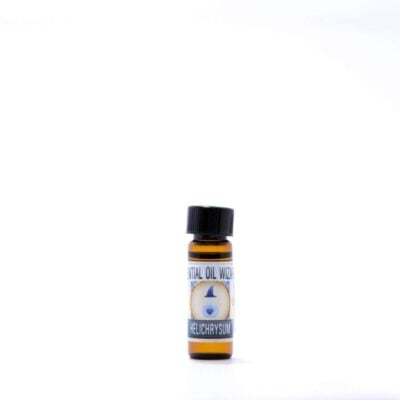
Helichrysum (Immortelle)
Price range: $35.00 through $144.00 -
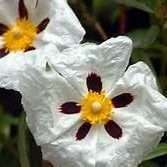
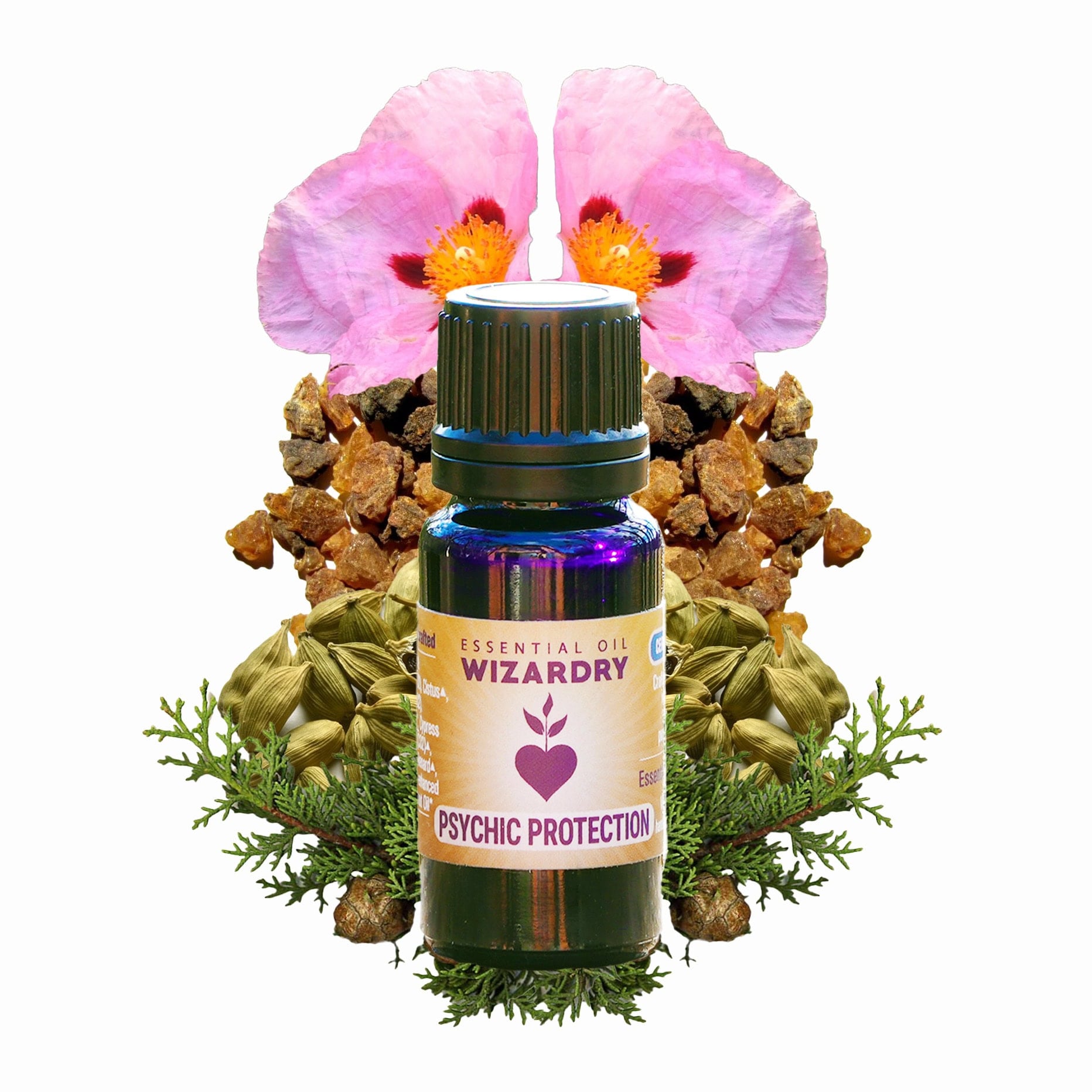
Cistus
Price range: $55.00 through $111.00 -
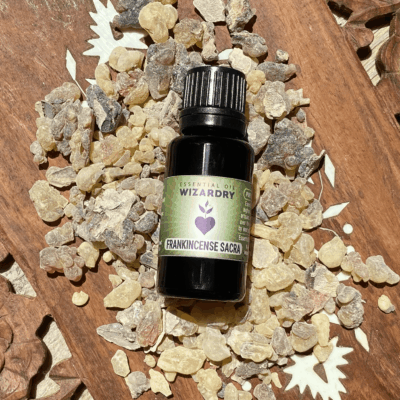
Frankincense Sacra (Royal Frankincense)
Price range: $33.00 through $77.00 -
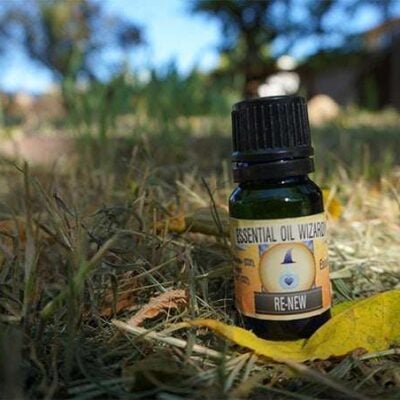
ReNEW
Price range: $25.00 through $55.00 -
Alleviate
Price range: $25.00 through $55.00 -
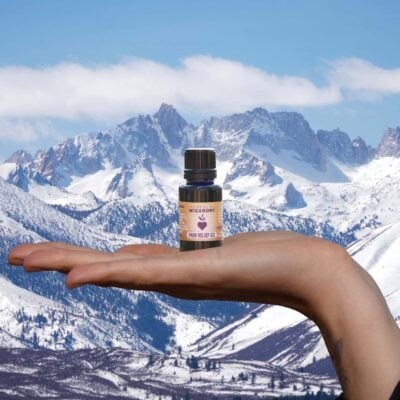
Pain Relief ICE (PRI)
Price range: $25.00 through $55.00 -
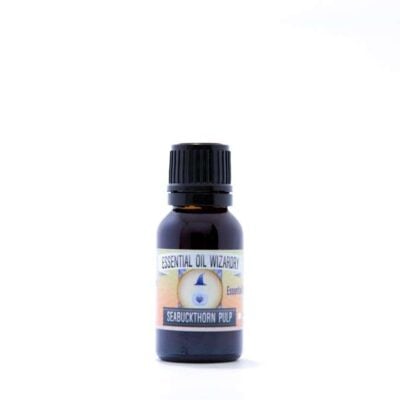
Sea Buckthorn (CO2)
Price range: $30.00 through $45.00
CHECK OUT OUR BLOG
Natural Male Enhancement Tinctures: Tongkat Ali, Epimedium, And Kakanga Compared
A guide to natural male enhancement tinctures, comparing tongkat ali, epimedium, and kakanga root benefits, with insight from Essential Oil Wizardry.
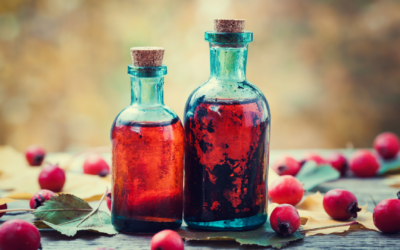
Kanna Tincture vs. Kanna Resin: Which Format Is Right For You?
A guide to kanna tincture vs kanna resin, covering effects, dosing, and how to choose the best kanna format for your practice, from Essential Oil Wizardry.
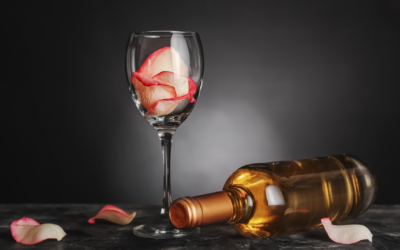
Rose Absolute vs. Rose Otto: Bulgarian Rose And Rose Bourbon Absolute Compared
A guide to rose absolute, comparing Bulgarian rose absolute and rose bourbon absolute for perfume and ritual use — plus how rose otto (a steam-distilled essential oil) differs — with insight from Essential Oil Wizardry.
How Essential Oils May Support Scar Tissue Over Time
Scars form through the body’s own remarkable process of repair, involving layers of tissue rebuilding over time. The skin continues to remodel scar tissue for months and even years after a wound closes, which is why ongoing topical care during that window can make a meaningful difference in how a scar looks and feels.
Essential oils for scar healing are best understood as supportive tools in a consistent topical routine. Applied regularly at an appropriate dilution in a well-chosen carrier, they bring the concentrated essence of botanicals with deep traditional use in skin care into direct contact with the tissue that needs it. Patience is the essential factor here. Most people who notice meaningful results report changes over weeks to months of regular application, with newer scars typically responding better than older scar tissue. For newer users, our guide on how to use essential oils covers diffusion, tasty culinary creations, plus safety fundamentals for topical use.
Helichrysum For Scars: A Prized Botanical In Our Collection
Among all the botanicals traditionally associated with skin regeneration and scar support, helichrysum occupies a special place. It is sometimes called “sunlight in a bottle,” and its soft, golden-honey, herbaceous tea aroma is as distinctive as its reputation in plant-based skin care, where it has been used across Mediterranean traditions for centuries.
Helichrysum As One Of The Best Oils For Scars
Our Helichrysum Essential Oil is steam distilled from organically cultivated and wildcrafted Helichrysum italicum flowering tops, sourced from Bulgaria and Corsica. It is generally considered non-irritating and non-sensitizing, making it a gentle pick in a scar care context. For skin application, Dr. Nick recommends blending helichrysum in a 1:5 ratio with one of our nourishing carrier oils for essential oils. Argan or tamanu are his preferred choices for scar-focused use, since both bring their own skin-compatible qualities alongside a smooth delivery into the skin. Apply to the affected area a few times daily and give it time.
Layering Helichrysum With Other Botanicals
Helichrysum is also incorporated into our ReNEW blend, a harmonious formulation built around rosehip seed oil that brings together cypress, grapefruit, galbanum, and juniper for a deeply supportive massage and body care oil. Dr. Nick originally developed it for massage therapists looking for a powerful botanical blend to use in bodywork and detoxification-oriented treatments. Applied over the body with intentional massage, especially before an infrared sauna or after a warm shower, it’s a genuinely special formulation.
Oils That Fade Scars: Frankincense, Lavender, And Rose
Beyond helichrysum, these three botanicals regularly earn their place in a scar-focused botanical practice.
Frankincense Sacra: Ceremonial Depth For Skin Ritual
If you’re wondering, “What is the strongest essential oil for pain?” Frankincense tends to show up fairly often as a companion oil to stronger botanicals. In particular, Frankincense Sacra from Boswellia sacra is Dr. Nick’s personal favorite frankincense in the entire EOW collection. In addition to rounding out a more stimulating oil profile, it has a long association with skin care, dating back to ancient North African and Middle Eastern traditions. Its rich, warm, resinous aroma makes it a delight to work with daily, and its traditional use as a skin care ingredient is listed explicitly in Dr. Nick’s product notes.
Our Frankincense Sacra is wildcrafted and hydrodistilled from Hojari resins sourced directly from the Dhofar region of Oman. At 1% in a carrier lotion or oil, it can be incorporated into everyday facial or body care preparations. Rashes, cuts, scrapes, and general skin vitality are all traditional areas of use. Plus, it layers wonderfully alongside helichrysum and lavender in a scar-focused blend. Please note that oxidized frankincense may increase the risk of skin sensitization, so replace it if the aroma shifts significantly from its original character.
Lavender: The Gentle, Versatile Foundation
Lavender has one of the longest associations with skin care and wound support in botanical tradition, and it earns its place in a scar care routine through its adaptability and mellow nature. It’s broadly compatible with almost every skin type, works as a calming aromatic companion during daily ritual, and pairs gorgeously with both helichrysum and frankincense in a scar blend.
EOW carries several lavender varieties, each with a distinct aromatic character. Dr. Nick’s current go-to is the organic high-elevation French lavender from a master distiller who produces some of the world’s finest botanical extracts. For those who want a lovely floral option cultivated in the fields of Montague, our precious Mt. Shasta collection is soft, balanced, and smells exactly like you’d expect. Further, our Lavender Mailette, a French varietal of Lavandula angustifolia, carries a particularly refined aromatic profile. Any of these will serve well in scar care preparation at 1 to 2% in a carrier oil.
Rose: Skin Nourishment And Aromatic Luxury
Rose essential oil brings an extraordinary quality to any skin care preparation it joins, with a beautifying reputation stretching back to ancient Egyptian and Persian traditions. Diluted at 1% in a carrier oil, it adds a layer of aromatic richness and traditional skin support to a scar blend that helichrysum and frankincense alone can’t provide. For scar care specifically, rose absolute tends to be the more practical choice. Its fuller body and richer aroma carry through in a formulation in a way that the more ethereal rose otto does not. Rest assured, both are unsprayed and pesticide-free. In terms of sourcing, rose absolute is procured from Bulgaria and Morocco, rose otto from Iran.
Building A Daily Scar Care Routine With Essential Oils
A practical scar care oil brings together a nourishing carrier with two to four botanical oils at an appropriate dilution. For facial scars, rosehip, jojoba, or squalane provides an excellent base. Contrastingly, for body scars, tamanu or marula work particularly well. We recommend applying your botanical blend of choice twice daily with a gentle massage to clean, slightly damp skin over the scar area. But for those who prefer a ready-made formulation, ReNEW, built on a rosehip seed oil base with helichrysum as a central botanical, is a great starting point that simplifies the process without compromising on quality. Dr. Nick’s favorite pre-made formulation for scar and wound care is Alleviate, which combines helichrysum, turmeric, St. John’s wort, and other powerful regenerative extracts.
The emotional dimensions of living with visible scars are real, and aromatic botanical practice can meet those dimensions too. Our essential oils for emotional healing collection goes into how scent, ritual, and the plants themselves can support the inner work that often accompanies the outer. And for a deep dive into an interesting botanical with a storied history of aiding in spiritual connection and helping the body soften, visit our blue lotus oil benefits page to learn why the ancient Egyptians regarded this flower as a symbol of the sun, the afterlife, and the divine.
Frequently Asked Questions About Essential Oils For Scars
What is the best oil for scars?
Helichrysum is the botanical most consistently associated with scar support in plant-based skin care traditions, and it is the one we reach for first. Used consistently in a diluted carrier oil alongside frankincense or lavender, it offers a well-rounded botanical approach.
How do I use essential oils for scar healing?
Dilute at 2 to 3% in a skin-compatible carrier such as rosehip or jojoba and apply twice daily to clean skin over the scar area. Gentle massage with the fingertips supports absorption and brings a quality of intention to the practice.
How long does it take for oils that fade scars to show results?
This varies considerably depending on scar age, depth, and skin type. Newer scars tend to respond more noticeably. Most practitioners recommend consistent daily application for at least six to twelve weeks before evaluating progress.
Do essential oils work on old scars?
They can still offer support for older scars, though mature scar tissue responds more gradually. Sea buckthorn and helichrysum are the most relevant choices for longer-standing scars.
Are essential oils for scars safe for sensitive skin?
Lavender and frankincense are the most broadly compatible options for sensitive skin. Always patch test before full application and start conservatively at 1 to 2% dilution.
How should I store my scar care essential oils?
Keep all bottles sealed in a cool, dark cabinet away from heat and direct light. Generally speaking, all EOW products are best used within 2 to 5 years of opening.
DISCLAIMER:
The information provided is intended for educational and informational purposes only and reflects historical, cultural, and experiential perspectives. It is not intended to diagnose, treat, cure, or prevent any disease, nor should it be interpreted as medical, legal, or professional advice. Individual experiences may vary. Always use personal discernment and consult a qualified professional when appropriate.