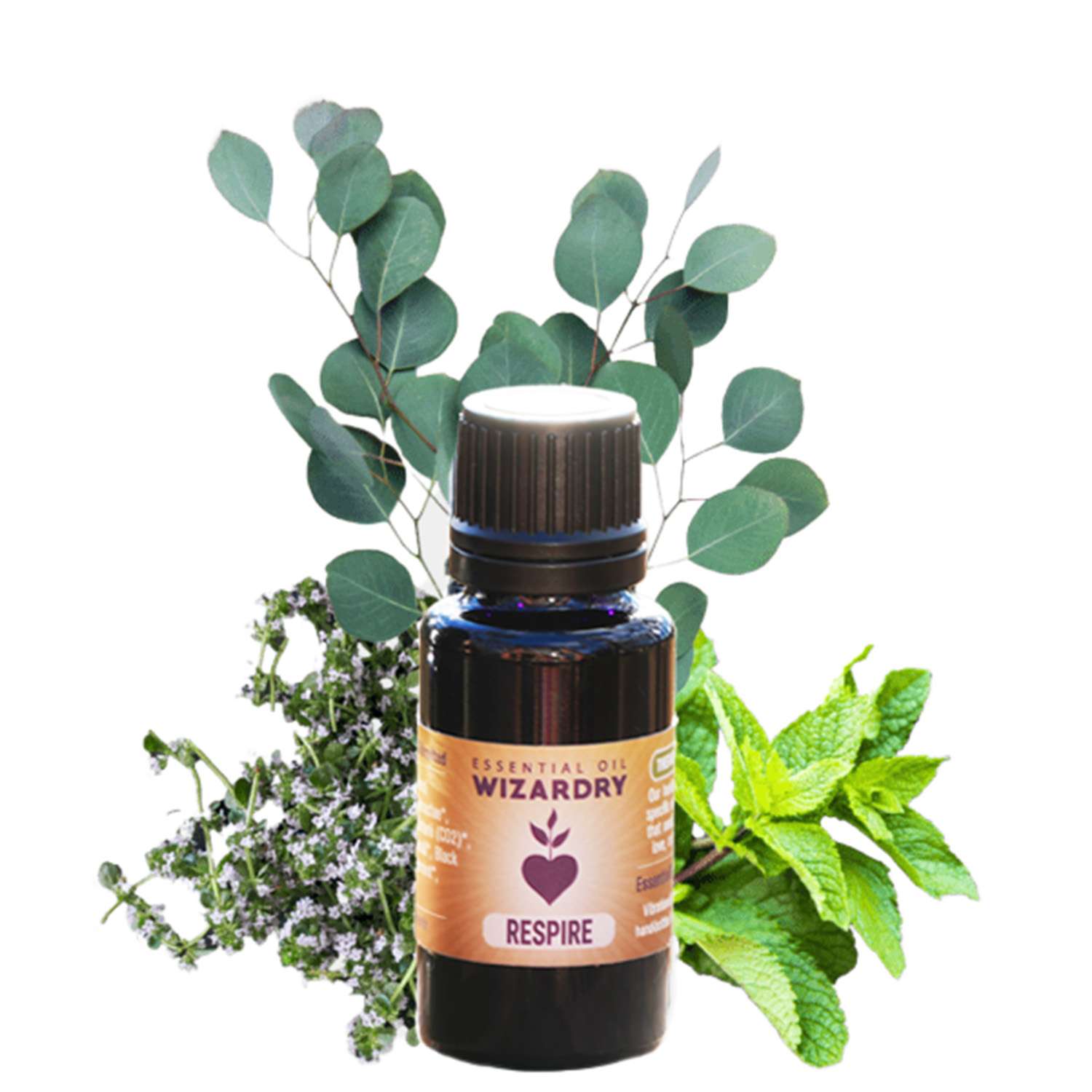



Roaches are remarkably resilient creatures, and most people who discover them want solutions that do not involve filling every corner with synthetic chemicals. Aromatic plant compounds have been used in pest deterrence for thousands of years, and several essential oils carry compounds cockroaches consistently avoid. A plant-based approach will not replace professional extermination for a severe infestation, but used systematically as a preventive routine, these botanicals create an olfactory environment roaches find hostile.
CHECK OUT OUR BLOG

Natural Male Enhancement Tinctures: Tongkat Ali, Epimedium, And Kakanga Compared
A guide to natural male enhancement tinctures, comparing tongkat ali, epimedium, and kakanga root benefits, with insight from Essential Oil Wizardry.

Kanna Tincture vs. Kanna Resin: Which Format Is Right For You?
A guide to kanna tincture vs kanna resin, covering effects, dosing, and how to choose the best kanna format for your practice, from Essential Oil Wizardry.

Rose Absolute vs. Rose Otto: Bulgarian Rose And Rose Bourbon Absolute Compared
A guide to rose absolute, comparing Bulgarian rose absolute and rose bourbon absolute for perfume and ritual use — plus how rose otto (a steam-distilled essential oil) differs — with insight from Essential Oil Wizardry.
Why Roaches Respond To Aromatic Plant Compounds
Cockroaches navigate their environment primarily through chemical signals, detecting pheromones, food sources, and harboring areas through highly sensitive chemoreceptors. Concentrated aromatic compounds from essential oils interfere with these signals, creating an environment roaches read as hostile.
The Research Behind Essential Oils That Repel Roaches
A study in the Journal of Economic Entomology found peppermint oil produced significant repellent effects against Blattella germanica, the German cockroach, one of the most common household species. Separate research documented that cineole, menthol, and thymol, present in eucalyptus, peppermint, and oregano respectively, produced aversion responses in multiple cockroach species.
Essential oils work through olfactory disruption and contact aversion rather than direct toxicity. Consistent, frequent application maintains an aromatic barrier. Our guide on how to use essential oils covers dilution, application methods, and safety essentials for household use.
Cockroach Repellent Essential Oil: Setting Honest Expectations
Botanical deterrents are most effective as a preventive layer applied to entry points, harboring areas, and high-traffic roach zones before or during early activity. Our guide on essential oils for ants covers how many of these botanicals address multiple household species at once.
Peppermint And Eucalyptus: The Most Documented Natural Cockroach Deterrents
These two botanicals form the backbone of any plant-based roach management practice. Both carry the highest concentration of published research on cockroach deterrence and work well for regular home use.
Peppermint Oil: Sharp, Potent, And Extensively Studied
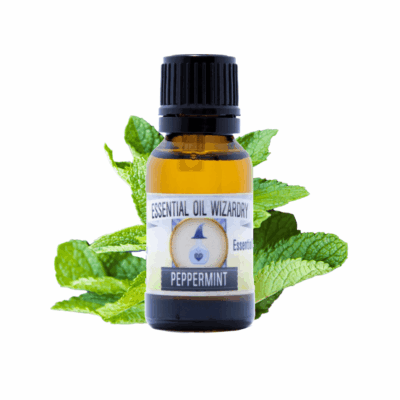
Peppermint Oil’s high menthol content creates an aromatic intensity cockroaches find strongly aversive, with multiple laboratory and field studies documenting its effectiveness against common household roach species. Cotton balls saturated with peppermint placed in cabinet corners, under appliances, along baseboards, and near entry points create a sustained deterrent roaches reliably avoid.
A peppermint spray of 20 to 25 drops in a 30ml water-and-castile-soap solution applies well to larger surface areas. Refresh cotton ball placements every three to five days and reapply sprays every two to three days. Our Peppermint Oil is organically sourced from India and South Africa.
Eucalyptus Oil: Penetrating And Long-Lasting
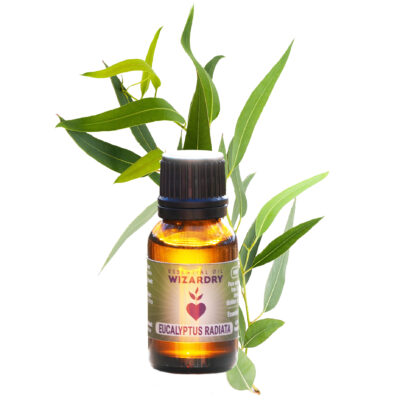
Eucalyptus Oil’s high 1,8-cineole content gives it a penetrating, camphoraceous character cockroaches find inhospitable. Research has documented cineole’s contact and vapor effects on several insect species, and eucalyptus’s aromatic persistence on surfaces makes it a useful background deterrent layer. Our Eucalyptus Oil is organically sourced and steam distilled. Rosemary Cineole is also an essential oil concentrated in the constituent 1,8-cineole.
Essential Oils For Killing Roaches: Oregano, Tea Tree, And Their Role
Two botanicals in our collection carry high concentrations of compounds with documented insecticidal and contact-deterrent effects against cockroaches: oregano and tea tree.
Oregano Oil: The Most Potent Botanical Deterrent
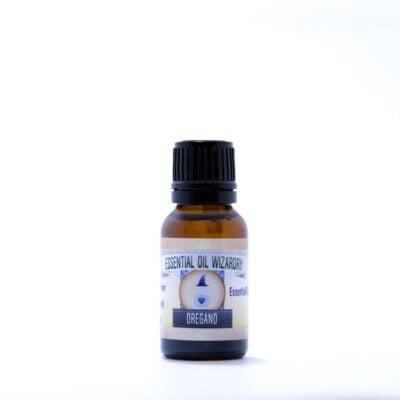
Oregano Essential Oil is exceptionally rich in thymol and carvacrol, two phenolic compounds with the strongest documented contact-deterrent effects against cockroaches among common essential oil constituents. Research in the Journal of Vector Ecology found thymol-rich preparations produced significantly stronger deterrent and contact effects against cockroaches than other plant-derived compounds.
Our Oregano Essential Oil is steam distilled from organically cultivated Mediterranean plant material. Due to its high phenol content, it should always be diluted, kept away from pet contact areas, and never applied to skin without significant dilution. Our guide on carrier oils for essential oils covers dilution ratios and carrier selection for oregano-based surface preparations.
Tea Tree Oil: Broad-Spectrum And Clarifying
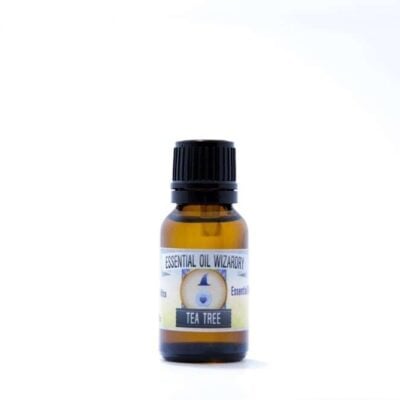
Tea Tree Oil’s terpinen-4-ol content contributes antimicrobial and insect-aversive properties that complement oregano and peppermint. Used in a diluted spray applied to known roach entry points, cabinet interiors, and under-sink areas, it adds another aromatic deterrent dimension. Our Tea Tree Oil is steam distilled from organically cultivated Australian leaves.
Essential Oils That Repel Roaches: Lavender And Atlas Cedar For Persistent Coverage
While peppermint, oregano, and eucalyptus deliver the most immediate deterrent activity, lavender and atlas cedar extend a roach deterrent routine with longer-lasting aromatic presence.
Lavender: Gentle But Effective
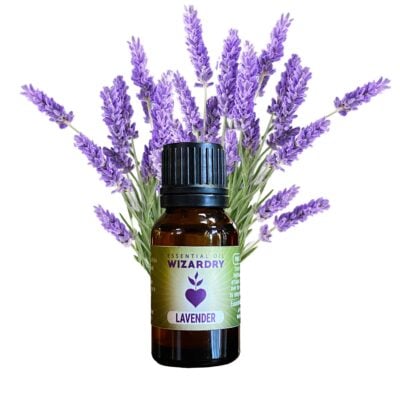
Lavender Essential Oil’s linalool content has been documented for repellent activity against a range of household insects including cockroaches. Its gentler character makes it valuable in bedrooms, nurseries, and areas where stronger oils might be too intense. Applied to cotton balls in drawers, linen storage, and bedroom corners, it creates a quiet persistent background deterrent. Our Lavender Essential Oil is sourced from multiple artisan origins.
Atlas Cedar: The Long-Burning Base Layer
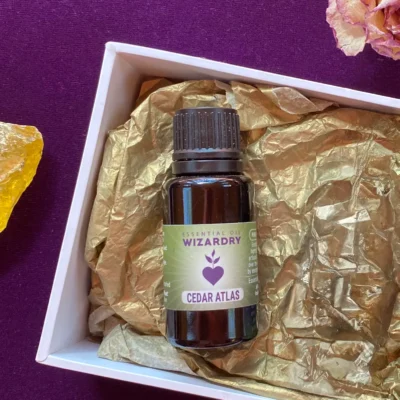
Atlas Cedar Oil provides a slow-releasing, woody aromatic presence that outlasts every other oil in this collection on surfaces and fabric. Applied to wooden baseboards, cabinet edges, and fabric furniture, it creates a deterrent layer that persists between fresher applications. Our Atlas Cedar Oil is steam distilled from sustainably harvested Moroccan cedar. Our guide on essential oils for spring covers building a pest deterrent routine across the active season.
Caring For Your Roach Deterrent Botanicals
Keep all repellent oils sealed in a cool, dark cabinet away from heat and direct light. Like all of our products, these botanicals are best used within 2 to 5 years of opening.
Frequently Asked Questions About Essential Oils For Roaches
What essential oils repel roaches most effectively?
Peppermint and oregano are the most extensively documented for cockroach deterrence, followed by eucalyptus, tea tree, lavender, and atlas cedar. Peppermint has the strongest published research for repellency, while oregano’s thymol and carvacrol give it the highest contact-deterrent potency.
Do essential oils kill roaches or only repel them?
Essential oils primarily act as repellents and contact deterrents rather than systematic insecticides. Oregano and tea tree have the strongest documented direct contact effects, but are most reliably used as part of a deterrent approach.
How often should I reapply essential oils to deter roaches?
Cotton ball placements should be refreshed every three to five days. Surface sprays need reapplying every two to three days, or more frequently in humid conditions. Atlas cedar applied to wood and fabric tends to persist longer.
Are these oils safe around children and pets?
Peppermint, eucalyptus, and oregano should be used with caution around cats, young children, and dogs. Apply in well-ventilated areas, keep placements out of reach, and avoid diffusing strong concentrations in confined spaces with animals. Lavender and atlas cedar are generally lower risk.
Can I combine multiple essential oils in a roach spray?
A combination of peppermint, eucalyptus, and tea tree provides broader aromatic deterrent coverage than any single oil. Add a few drops of atlas cedar for persistence and shake before each use.
How should I store my roach deterrent essential oils?
Keep all bottles sealed in a cool, dark cabinet away from heat and direct light. Our roach deterrent botanicals are best used within 2 to 5 years of opening.
DISCLAIMER:
The information provided is intended for educational and informational purposes only and reflects historical, cultural, and experiential perspectives. It is not intended to diagnose, treat, cure, or prevent any disease, nor should it be interpreted as medical, legal, or professional advice. Individual experiences may vary. Always use personal discernment and consult a qualified professional when appropriate.
Sources:
- Enan, E. E. (2001). Insecticidal activity of essential oils: Octopaminergic sites of action. Comparative Biochemistry and Physiology, 130(3), 325–337.
- Traboulsi, A. F., Taoubi, K., El-Haj, S., Bessiere, J. M., & Rammal, S. (2002). Insecticidal properties of essential plant oils against the mosquito Culex pipiens molestus (Diptera: Culicidae). Pest Management Science, 58(5), 491–495.