


Head tension has a way of arriving uninvited, pressing in with a change in weather or arriving with the insistent rhythm of migraine. In these moments, many people reach for plant aromatics. Essential oils for headaches offer a sensory ritual that encourages the body to slow down, breathe more fully, and return to a calmer internal state.
-
Eucalyptus
Price range: $16.00 through $77.00 -
Pain Relief ICE (PRI)
Price range: $25.00 through $55.00 -
Lavender
Price range: $20.00 through $45.00 -

InVigor
Price range: $20.00 through $35.00 -
Trinity Blend
Price range: $20.00 through $35.00 -
Rosemary
Price range: $18.00 through $33.00 -
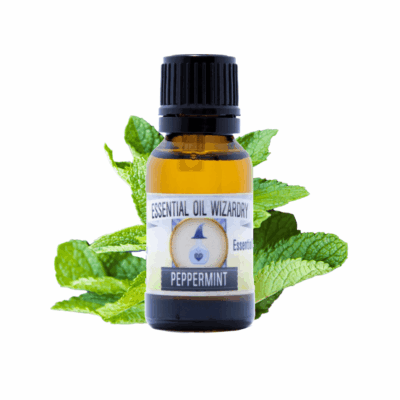
Peppermint
$20.00
CHECK OUT OUR BLOG
Natural Male Enhancement Tinctures: Tongkat Ali, Epimedium, And Kakanga Compared
A guide to natural male enhancement tinctures, comparing tongkat ali, epimedium, and kakanga root benefits, with insight from Essential Oil Wizardry.

Kanna Tincture vs. Kanna Resin: Which Format Is Right For You?
A guide to kanna tincture vs kanna resin, covering effects, dosing, and how to choose the best kanna format for your practice, from Essential Oil Wizardry.

Rose Absolute vs. Rose Otto: Bulgarian Rose And Rose Bourbon Absolute Compared
A guide to rose absolute, comparing Bulgarian rose absolute and rose bourbon absolute for perfume and ritual use — plus how rose otto (a steam-distilled essential oil) differs — with insight from Essential Oil Wizardry.
Peppermint Oil For Migraine Relief
When people ask what essential oil is best for headaches, peppermint is almost always the first answer. Its cooling, mentholated aroma creates an immediate sensory shift when the head feels heavy or compressed. Applied to the temples, it creates a refreshing physical sensation that many people find soothing during tension headaches.
Is Peppermint Good For Migraines?
Peppermint’s primary active constituent, menthol, interacts with cold-sensitive receptors in the skin, producing a cooling sensation that influences how the nervous system perceives local discomfort (McKemy, 2005). Many people find that inhaling peppermint during the early stages of a migraine helps them slow down, using the refreshing fragrance to ground themselves. This doesn’t necessarily position peppermint oil as a medical treatment, but it does provide background for its traditional use for headaches.
How To Use Peppermint Oil For Headaches
Peppermint’s menthol-rich aroma makes it especially well-suited for moments when head tension starts to build. When experimenting with peppermint migraine support, the goal isn’t to overwhelm the senses but to use the oil in targeted ways that feel clear and invigorating.
- Temples And Soles: This tends to be the most direct topical application. Mix 1–2 drops of peppermint with a carrier oil, such as jojoba or fractionated coconut, and massage gently onto the temples. Avoid getting the oil too close to the eyes, as peppermint’s sharpness can be severely irritating. You may also rub it neat (undiluted) onto the bottom of your feet.
- Palm Inhalation: Place a drop between your palms, rub together, and inhale slowly with cupped hands over the nose and mouth. This is one of the fastest ways to experience peppermint’s clarifying properties.
- Diffusion: A few drops in a diffuser creates a fresh aromatic atmosphere, useful for sustained support during long work sessions when screen-related tension is building.
- Neck And Shoulder Massage: Much head tension originates in the neck and upper back. A 2% dilution of peppermint in carrier oil massaged topically into these areas addresses the tension at its source rather than just the site of the headache.
Our Peppermint Oil is organically sourced from India and South Africa, steam distilled, and rich in menthol. It’s one of the most-used oils in the Essential Oil Wizardry collection for its versatility and reliable vibrancy. For more information on how to use essential oils, including crafting culinary delights, check out our dedicated guide.
Lavender As An Essential Oil For Migraines
Where peppermint suits the tension-and-tightness profile, lavender is the more appropriate choice when a headache is driven by stress or lack of sleep. Its sweet floral, herbaceous aroma encourages the body to soften, an important factor when the underlying cause of your headache is emotional overload.
Why Lavender Is A Classic For Headaches With A Stress Component
Lavender’s primary aromatic constituents, linalool and linalyl acetate, are associated with mellowing out the body in both aromatherapy literature and a growing body of research (Malcolm & Tallian, 2018). Individual responses vary, but scientific studies add weight to lavender’s historical place in headache support.
In practice, lavender tends to excel in two contexts: headaches that accompany everyday feelings of anxiety, and headaches that develop in the evening when rest becomes difficult (Malcolm & Tallian, 2018). In both cases, lavender’s capacity to soften the body and quiet a chattering mind shines. For a broader look at how lavender performs, our guide on the benefits of lavender essential oil covers its full aromatic profile and use cases in detail.
Simple Ways To Work With Lavender For Head Tension
Lavender offers a softer approach when working with head tension, especially when stress or mental fatigue is part of the picture. Rather than creating a sharp sensory shift, it’s often used to gently ease the body into a more relaxed state.
- Topical Application: Place 1-2 lavender essential oil drops on the area above the lip directly underneath the nose, but avoid placing the oil inside your nasal cavity. Also, please make sure to keep it out of your eyes.
- Diffusion: Running lavender in a diffuser in the hour before bed can help disrupt the cycle of daily stress that tends to accumulate throughout the week. This can be done at any time of the day to create a relaxing ambience at home, the workplace, or anywhere else a calming effect is desired.
- Massage: If your headaches are accompanied by bodily tension, mix 1 or 2 drops of lavender oil with 5 mL of carrier lotion or oil. Take your time to slowly massage the affected area as needed. This is particularly helpful for sore or crampy muscles.
At Essential Oil Wizardry, our Lavender Essential Oil is organically sourced, small-batch distilled, and vibrationally enhanced. It’s a foundational oil that often rewards consistent use and pairs exceptionally well with both peppermint and eucalyptus in headache-focused blends.
Eucalyptus As An Essential Oil To Relieve Headache Pressure
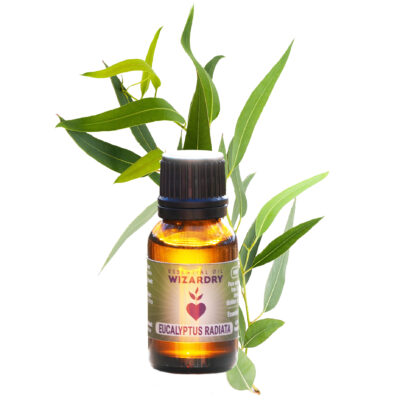
Where peppermint provides a cooling sensation and lavender contributes to a tranquil environment, eucalyptus is credited for its ability to encourage openness. It earns its place in the headache toolkit as an appropriate choice for headaches with a sinus or respiratory component, which often accompany colds, seasonal allergies, or dry indoor air. Its crisp, camphoraceous aroma is distinctly clearing, helping to create a sense of space in the nasal passages and lessen the pressure of tight sinuses.
How To Use Eucalyptus For Headache Relief
Eucalyptus is often reached for when a headache is paired with that heavy, congested feeling that can build in the nose. Its crisp aroma makes it a great fit for practices that involve breath, steam, and gentle inhalation.
- Steam Inhalation: A few drops in a bowl of steaming water, with a towel draped over the head to trap the steam, delivers a concentrated burst of eucalyptus directly to the nasal passages and sinuses.
- Shower Diffusion: A few drops on your shower floor releases eucalyptus into the steam, creating an effortless morning ritual for congestion-prone individuals.
- Diffusion During Rest: Combined with peppermint and lavender in a diffuser, eucalyptus rounds out a balanced headache support blend. It’s bright enough to clear, yet calm enough to rest alongside.
Our Eucalyptus Oil is sourced with the same attention to purity and unsprayed plant material that guides every Essential Oil Wizardry offering. It’s a reliable, versatile oil that deserves a place in any serious botanical wellness collection.
What Essential Oils Help With Headaches? A Layered Approach
For most people, the most effective essential oil approach to headaches isn’t a single oil. It’s a considered combination. Peppermint, lavender, and eucalyptus each address a different dimension of the headache experience, and used together they create a more complete aromatic toolkit than any one of them can provide alone.
- For Tension Headaches: Lead with peppermint on the temples and neck, then go in with lavender in a diffuser or on the wrists.
- For Stress-Driven Headaches: Start with lavender aromatically and topically, then follow up with peppermint as a secondary grounding note if needed.
- For Sinus Or Pressure Headaches: Begin with eucalyptus through steam inhalation. For more support, you can add peppermint as a cooling agent.
- For Migraines: Lead off with peppermint palm inhalation and temple application at the earliest sign of onset. We highly recommend minimizing diffusion intensity, since strong aromas can sometimes worsen an active migraine. A small amount of lavender may support the rest phase. Consider our Trinity formula, which combines peppermint, lavender, and rosemary.
For more on working with botanicals in this context, our guide on essential oils for calming and stress relief offers complementary perspectives and practical pairing ideas.
Choosing High-Integrity Essential Oils For Headache Support
The quality of the oil you’re working with directly affects the quality of the aromatic experience. Synthetic oils, which are more common in the essential oil market than most consumers realize, don’t offer the same well-rounded botanical presence as pure, responsibly sourced extracts.
At Essential Oil Wizardry, organoleptic testing (direct sensory evaluation of aroma, color, and character) is the primary quality gate before any oil enters the collection. About 95% of our offerings are organic or wildcrafted, sourced from unsprayed plant material, and prepared in intentional batches. All products are transferred into amber glass immediately on arrival and vibrationally enhanced before bottling.
To protect the integrity of your oils, we recommend storing them in a cool, dark cabinet away from heat, light, and temperature fluctuation. Seal tightly after every use. Like all Essential Oil Wizardry products, our peppermint, lavender, and eucalyptus oils are best used within 2–5 years when stored with care.
Frequently Asked Questions About Essential Oils For Headaches
Can essential oils be used alongside other headache support practices?
Yes. Many people include essential oils as part of a broader wellness routine that may also involve rest, hydration, stretching, or mindfulness practices. Aromatic oils can complement these habits by creating a calming sensory environment that encourages relaxation.
How quickly do essential oils for headaches take effect?
Aromatic effects through inhalation can be perceived within seconds. Topical effects, particularly the cooling sensation of peppermint, typically develop within a few minutes of application and can persist for 20–30 minutes.
Where are the best places to apply essential oils for headaches?
Common areas include the temples, the back of the neck, the shoulders, or the wrists. These locations allow the aroma to be inhaled while also supporting gentle massage of areas where tension often accumulates.
Are essential oils for headaches also suitable for daily wellness rituals?
Yes. Many people incorporate aromatics into daily routines, such as morning deep-breathing practices, evening relaxation rituals, or mindful moments during work. Consistent use helps build a personal connection with the scent.
Is peppermint essential oil good for migraines?
Many people find peppermint oil helpful during the early stages of migraine, particularly for the tension and pressure component. It’s most useful during onset rather than peak intensity, when sensory overwhelm may make strong aromas harder to tolerate.
What essential oils help with headaches from stress?
Lavender is usually the most appropriate primary oil when headaches have a clear stress component. Its calming, soothing profile addresses the underlying state. Paired with peppermint for cooling relief, it creates a well-rounded stress headache blend.
Are essential oils for headaches safe during pregnancy?
Several commonly used headache oils, including peppermint, should be used with caution or avoided during pregnancy, particularly in the first trimester. Consult a qualified healthcare provider before incorporating essential oils into your routine during pregnancy.
Can essential oils replace migraine medication?
No. Essential oils are supportive tools within a wellness practice, not medical treatments. For those experiencing frequent or severe migraines, medical evaluation and appropriate treatment should come first. Essential oils can complement, not replace, that care.
DISCLAIMER:
The information provided is intended for educational and informational purposes only and reflects historical, cultural, and experiential perspectives. It is not intended to diagnose, treat, cure, or prevent any disease, nor should it be interpreted as medical, legal, or professional advice. Individual experiences may vary. Always use personal discernment and consult a qualified professional when appropriate.
Sources:
- McKemy, D. D. (2005). How cold is it? TRPM8 and TRPA1 in the molecular logic of cold sensation. Molecular Pain, 1. https://doi.org/10.1186/1744-8069-1-16
- Malcolm, B. J., & Tallian, K. (2018). Essential oil of lavender in anxiety disorders: Ready for prime time?. The mental health clinician, 7(4), 147–155. https://doi.org/10.9740/mhc.2017.07.147