


There is a particular quality to a productive hour. The kind where attention comes easily, thoughts feel ordered, and the work in front of you holds your interest without resistance. Yet we know that it isn’t always as easy to obtain that mindset. Having focus and a clear mind doesn’t always come so easily with stress and with having to get on with your day to day. However, plants have long been part of creating that kind of atmosphere of calm and focus. Across many traditions and cultures, aromatic herbs and resins have been used in spaces meant for study, craft, and focused practice, not as a shortcut, but as a way of preparing the environment and the person within it.

CHECK OUT OUR BLOG
Natural Male Enhancement Tinctures: Tongkat Ali, Epimedium, And Kakanga Compared
A guide to natural male enhancement tinctures, comparing tongkat ali, epimedium, and kakanga root benefits, with insight from Essential Oil Wizardry.
Kanna Tincture vs. Kanna Resin: Which Format Is Right For You?
A guide to kanna tincture vs kanna resin, covering effects, dosing, and how to choose the best kanna format for your practice, from Essential Oil Wizardry.
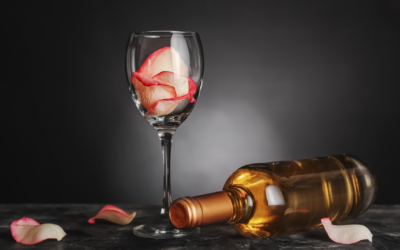
Rose Absolute vs. Rose Otto: Bulgarian Rose And Rose Bourbon Absolute Compared
A guide to rose absolute, comparing Bulgarian rose absolute and rose bourbon absolute for perfume and ritual use — plus how rose otto (a steam-distilled essential oil) differs — with insight from Essential Oil Wizardry.
The Connection Between Scent And Focused Presence
Aromatic plants have been companions to human work and study for a very long time. Rosemary was worn by Greek students during examinations. Lemon and mint have featured in working environments across many cultures. There is a felt quality to certain aromas that many people describe as clarifying, present, and alive, a kind of sensory invitation to pay attention.
What makes essential oils particularly useful for focus is their consistency. Using the same oil or blend at the start of every work session creates an aromatic ritual that the body begins to associate with engaged, attentive presence. Over time, the scent itself becomes a cue, a bridge between the ordinary moments before work and the more focused state you are moving toward.
If you are new to essential oils and want to understand how to work with them safely and effectively, our how to use essential oils guide is a solid starting point before building a practice.
Six Essential Oils For Concentration And Focus
1. Peppermint Oil
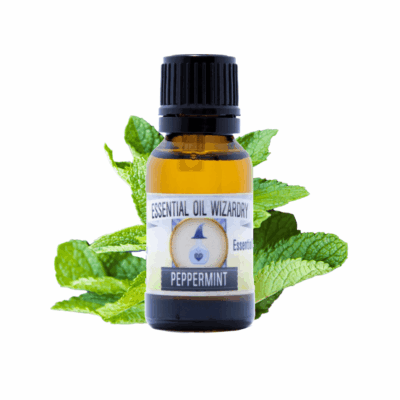
Few aromas are as immediately bracing as peppermint. Its cool, sharp menthol character has a quality of freshness that many people find useful at the start of a work session or during a midday slump. The scent is clean, vivid, and hard to ignore, which is part of what makes it such a natural companion for moments that call for presence and attention.
OurPeppermint Oil is organically sourced from India and South Africa and steam distilled to preserve its naturally high menthol content. It is one of our most potent single oils, so start with fewer drops than you expect to need, particularly in a diffuser. Peppermint pairs especially well with rosemary for a crisp, herbal combination, or with lemon for a brighter, citrus-forward blend. Keep away from the eye area and use with care around young children.
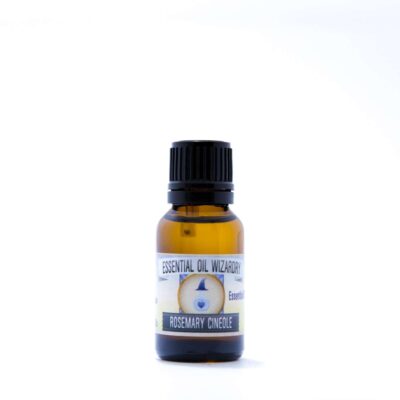
2. Rosemary Oil For Focus
Rosemary is perhaps the most historically grounded of all the oils in this collection. Its use in study and memory contexts stretches back centuries, appearing in Greek and Roman traditions, European herbalism, and beyond. The aroma is crisp, herbaceous, cineolic and slightly camphorous, with a quality that many practitioners describe as steadying and present-inducing. Some research suggests better memory recall or function when utilizing rosemary essential oil and is more documented in the literature compared to other essential oils for this purpose.
Our Rosemary Essential Oil is steam distilled and organically sourced. Rosemary oil for focus works beautifully on its own in a diffuser, or as the herbal anchor in a more complex blend with lemon and peppermint. For a quick and direct experience, palm inhalation with a single drop works well at any point during a work session. However, please avoid during pregnancy, especially the verbenone sub-type.
3. Lemon Oil
Lemon has a particular kind of aromatic energy: bright, tart, and immediately lifting. Many people describe it as the olfactory equivalent of opening a window, something about its citrus sharpness that makes a space feel fresher and more awake. It is one of the easiest oils to love and one of the most versatile in a focus-oriented collection.
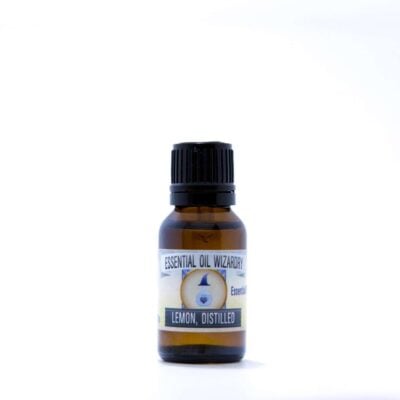
Our Lemon Oil is organically sourced from South Africa and hydrodistilled, which helps preserve its vibrant citrus character while reducing the phototoxic risk associated with cold-pressed citrus oils. Even so, use care when applying topically to skin that will be exposed to sunlight, especially our cold-pressed Lemon Oil. In a diffuser, lemon layers naturally with rosemary and eucalyptus for a morning-ready blend that feels both uplifting and grounded.
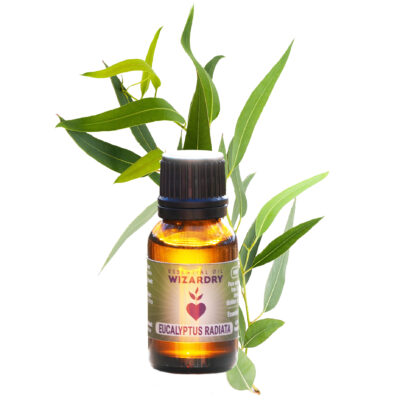
4. Eucalyptus Oil
Where peppermint is sharp and immediate, eucalyptus is more spacious and expansive in character. Its aroma opens up a room in a way that feels less like a jolt and more like a deep breath, making it a useful companion for longer work sessions where a sustained sense of openness is more valuable than an intense burst of stimulation.
Our Eucalyptus Oil is steam distilled and sourced with careful attention to cultivation quality and plant purity. For essential oils for concentration, eucalyptus works particularly well as a midday reset oil, diffused for 20 to 30 minutes when the atmosphere of a space needs refreshing. Paired with rosemary, it creates a steady, herbal combination that many people find supportive for extended periods of focused work.
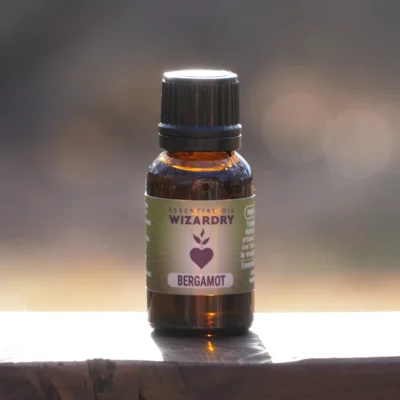
5. Bergamot Essential Oil
Bergamot is a distinctive member of the citrus family. Its aroma carries the brightness expected of a citrus oil, but underneath there is a soft, floral depth with a touch of green tea that makes it feel more complex and rounded than lemon or orange. Many people find it both lifting and calming at the same time, which makes it particularly useful during work sessions that require sustained attention without tension.
Our Bergamot Essential Oil is carefully sourced and carries the characteristic fresh, floral-citrus profile the botanical is known for. It blends naturally with rosemary, lemon, and peppermint, and pairs especially well with cardamom for a warmer afternoon blend that feels both grounded and quietly invigorating. Bergamot may be photosensitizing when applied topically, so use with care on skin that will be exposed to sunlight.
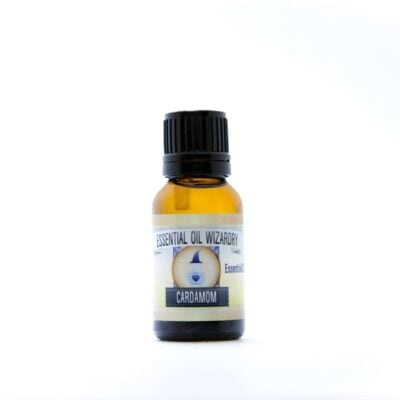
6. Cardamom Essential Oil
Cardamom might surprise you in a focus-oriented lineup, but its warm, spicy, and gently stimulating character earns it a genuine place here. Rather than the sharp brightness of citrus or mint, cardamom brings a kind of quiet vitality, a warming undercurrent that adds depth and staying power to blends that might otherwise feel too thin or fleeting.
Our Cardamom Essential Oil is steam distilled from organically sourced seeds. It works best as a supporting note in a blend rather than as a standalone oil. Paired with bergamot and a drop of rosemary, it creates an afternoon combination that feels settled, warm, and gently engaged, a natural fit for the slower, more deliberate hours of a long work day.
Crafting Your Own Aromatherapy Blend For Mental Clarity
A personal focus blend takes only a few minutes to assemble and can make a real difference in how a work session can feel from the start. The most effective blends tend to layer across aromatic families rather than doubling up on similar notes.
A morning blend worth trying: two drops of lemon, two drops of rosemary, and one drop of eucalyptus. The lemon opens the space, the rosemary provides the herbal backbone, and the eucalyptus adds a breath of expansive depth that keeps the combination from feeling too sharp. For the afternoon, when the character of the day often shifts toward something steadier and more settled, try two drops of bergamot, one drop of rosemary, and one drop of cardamom. The result is warmer and quieter, suited for deep work rather than high-energy output.
Our Therapeutic Blends collection is worth browsing for those who prefer a thoughtfully pre-formulated option. And if you want to see the full breadth of what we offer in single oils, our Essential Oils Collection is a good place to start. Our favorite pick-me-up preformulated blend is our Invigor formula, which combines sweet basil, caraway, cardamom, frankincense, peppermint, rosemary, silver fir for a great, smooth invigorating lift, any time of the day!
Ways To Bring These Oils Into Your Day
The method you choose matters as much as the oil itself. Here are three approaches worth building into your routine, each suited to a different moment in the day:
- Diffusion: This works well for setting the tone of a workspace before a session begins. Add 3 to 5 drops to your diffuser and run it for 20 to 30 minutes rather than continuously. The aroma tends to linger naturally after the diffuser stops, and giving it a rest between sessions keeps the scent from fading into the background.
- Palm inhalation: This suits a direct, on-the-spot reset. Place one drop in your palms, rub gently together, and breathe in slowly with hands cupped over the nose and mouth. Rosemary and peppermint are particularly well-suited to this method.
- Personal inhaler: This is the travel-ready option. A small portable inhaler filled with your chosen blend can go anywhere, offering a familiar aromatic anchor whether you are at a desk, commuting, or working in an unfamiliar space.
For dilution ratios, safe topical use, and additional application methods, our FAQ page covers the most common questions in one place.
Getting The Most From Your Bottles
Essential oils reward consistent, attentive care. Our oils are best used within 2 to 5 years of opening, and citrus oils like lemon and bergamot tend to be more sensitive to environmental exposure than heavier oils, so they benefit from particularly mindful storage.
Keep all bottles tightly sealed immediately after use. Store them somewhere cool and dark, away from windowsills, heat sources, and areas with temperature swings. A dedicated drawer or cabinet works well. When an oil that once smelled vivid and alive begins to smell flat or noticeably altered, that is usually a sign of oxidation. Starting with good storage habits from the first use makes a meaningful difference across the life of a bottle.
Frequently Asked Questions About Essential Oils For Focus
What are the best essential oils for focus?
Peppermint, rosemary, and lemon tend to be the most consistently reached for. Peppermint brings a cool, immediate freshness, rosemary has a steady herbal quality with deep historical roots in study contexts, and lemon lifts the overall atmosphere of a space. Eucalyptus, bergamot, and cardamom each bring something additional to a well-rounded focus collection. Many customers love our pre-formulated Invigor blend!
How do I use essential oils for concentration at a desk or workspace?
Diffusion is the most practical approach for a fixed workspace. Starting a 20 to 30 minute diffuser session at the beginning of a work block tends to work well. For a mid-session reset without interrupting your flow, palm inhalation with a single drop of peppermint or rosemary is quick and effective.
What is aromatherapy for mental clarity?
Aromatherapy for mental clarity uses botanical aromas to help set the conditions for focused, present, and attentive work. Certain aromatic profiles, particularly crisp herbals and bright citrus oils, carry a quality that many people find naturally supportive of an engaged state. Using them as part of a consistent ritual can deepen that effect over time.
Can I mix essential oils for focus into a single blend?
Yes, and blending is often where the most satisfying results come from. A combination of rosemary, lemon, and eucalyptus is a reliable and versatile starting point. From there, bergamot and cardamom can be introduced to add warmth and complexity suited to different times of day.
Is rosemary oil for focus safe to use every day?
Rosemary is generally well-suited to regular use when diffused or used at appropriate dilutions. But it should be avoided during pregnancy. As with all essential oils, consistent and mindful use tends to be more sustainable than occasional heavy use.
How many drops of essential oil should I use for focus?
For diffusion, 3 to 5 drops total is a solid starting point. For palm inhalation, one drop is enough. Peppermint and eucalyptus are both potent, so starting at the lower end and adjusting from there is always the better approach.
Does peppermint oil for studying actually help?
Many people find the cool, sharp aroma of peppermint useful for creating a felt sense of freshness and presence during study or focused work. It tends to be most effective when used as part of a consistent aromatic ritual rather than as a one-off application.
Can I use these oils if I work from home?
A home workspace is actually one of the best environments for building a botanical focus practice. The consistency of place, combined with a familiar aromatic cue, makes the ritual feel more anchored and reliable over time.
How should I store essential oils for focus?
Keep bottles tightly sealed and stored away from heat, direct light, and fluctuating temperatures. Citrus oils like lemon and bergamot are particularly sensitive to oxidation, so careful storage from the start helps preserve their brightness and aromatic quality across their full shelf life.
Are there ready-made blends for focus at Essential Oil Wizardry?
Yes. Our Invigor blend is our most popular blend for focus at Essential Oil Wizardry. Our Therapeutic Blends collection includes other intentionally formulated options designed to support specific states of presence and well-being, all crafted with the same sourcing integrity and vibrational enhancement that runs through everything we make.
DISCLAIMER:
The information provided is intended for educational and informational purposes only and reflects historical, cultural, and experiential perspectives. It is not intended to diagnose, treat, cure, or prevent any disease, nor should it be interpreted as medical, legal, or professional advice. Individual experiences may vary. Always use personal discernment and consult a qualified professional when appropriate.