


There’s a moment many botanical enthusiasts describe when they first encounter a true CO2 extract. The scent is familiar, but somehow more present, more layered, more alive, and more true to the plant as it exists in the world. A ginger CO2 extract might smell exactly like freshly sliced ginger root on a cutting board. Meanwhile, a frankincense CO2 oil carries a resinous depth that feels closer to sitting beside burning incense than anything a steam distilled version can replicate.
-
Kava Extract (Kava CO2 Extract)
Price range: $33.00 through $333.00 -
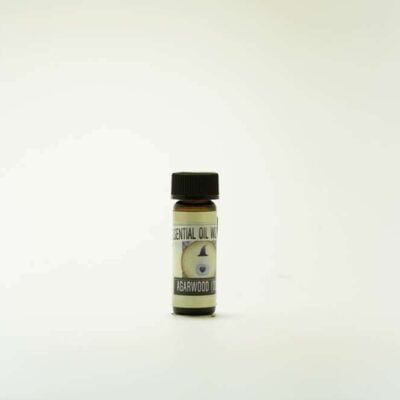
Oud (Agarwood)
Price range: $97.00 through $333.00 -
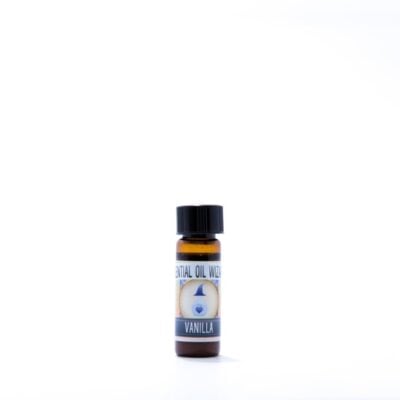
Vanilla (CO2)
Price range: $35.00 through $299.00 -
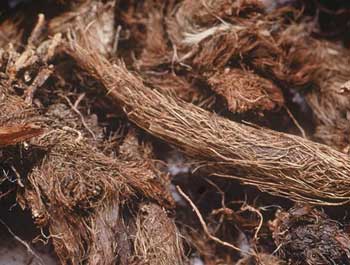
Spikenard (Jatamansi)
Price range: $45.00 through $145.00 -
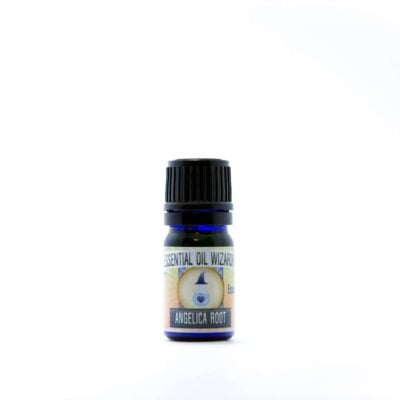
Angelica Root (CO2)
Price range: $55.00 through $145.00 -
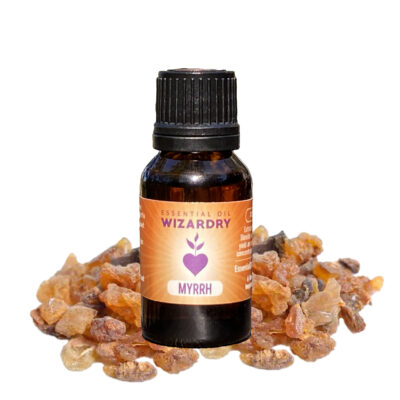
Myrrh (CO2)
Price range: $30.00 through $65.00 -
Hops (CO2)
$55.00 -
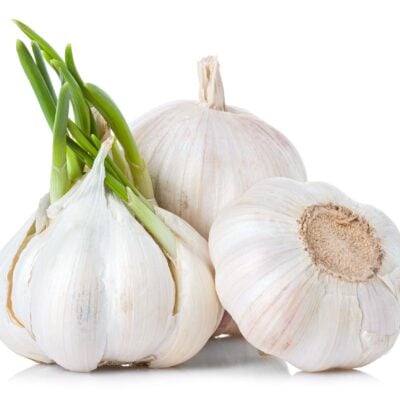
Garlic Extract (CO2)
Price range: $25.00 through $55.00
CHECK OUT OUR BLOG
Natural Male Enhancement Tinctures: Tongkat Ali, Epimedium, And Kakanga Compared
A guide to natural male enhancement tinctures, comparing tongkat ali, epimedium, and kakanga root benefits, with insight from Essential Oil Wizardry.
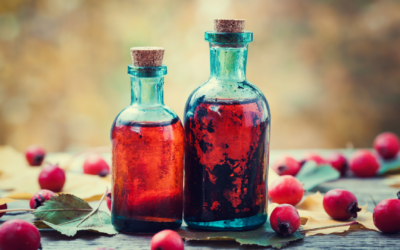
Kanna Tincture vs. Kanna Resin: Which Format Is Right For You?
A guide to kanna tincture vs kanna resin, covering effects, dosing, and how to choose the best kanna format for your practice, from Essential Oil Wizardry.
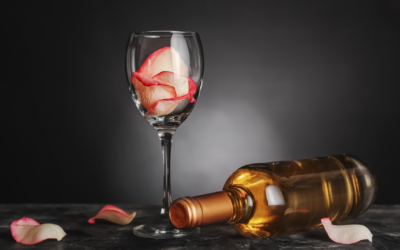
Rose Absolute vs. Rose Otto: Bulgarian Rose And Rose Bourbon Absolute Compared
A guide to rose absolute, comparing Bulgarian rose absolute and rose bourbon absolute for perfume and ritual use — plus how rose otto (a steam-distilled essential oil) differs — with insight from Essential Oil Wizardry.
Why CO2 Extraction Matters For Botanical Quality
There is a reason the best formulators, perfumers, and botanical enthusiasts seek out CO2 extracts specifically. The method produces something qualitatively different from what heat-based distillation can offer, and once you experience the difference firsthand, it becomes difficult to settle for less.
Steam distillation works by passing water vapor through plant material at high temperatures. The heat carries volatile aromatic compounds into the vapor, which is then condensed back into liquid form. The process is effective for many plants, but heat is destructive or reactive to certain molecular compounds, particularly heavier, less volatile constituents such as waxes, resins, and thermolabile components that occur in living plants but degrade before they can be captured.
On the other hand, supercritical CO2 extraction uses pressurized carbon dioxide as a solvent at near-ambient temperatures. At a specific pressure and temperature threshold, CO2 enters a supercritical state, so it’s neither fully liquid nor fully gas. In this state, it behaves like an exceptionally efficient solvent, penetrating plant material and pulling out a much broader range of compounds, including those that heat would otherwise destroy. When the pressure is released, the CO2 evaporates smoothly as a gas, leaving behind a pure, solvent-free extract with no thermal degradation.
CO2 Extract vs. Steam Distilled: What Actually Changes
The practical implications of this process are significant and worth learning about before investing in an essential oil. CO2 essential oil benefits include richer, more complex aromatic profiles, fuller representation of the plant’s active constituents, and, in many cases, a longer shelf life due to the preservation of natural antioxidants. The aroma of a CO2 extract tends to sit closer to the living plant, which is why formulators working with botanical perfumery or culinary applications increasingly prefer them.
However, not every oil benefits equally from CO2 extraction. Lighter, primarily volatile botanicals like peppermint or lavender may show fewer defining characteristics from their distilled counterparts. The extracts that gain the most are those with meaningful non-volatile chemistry, like resins, roots, seeds, and fatty fruit pulps. For a comprehensive overview of the extraction methods we work with, our guide on essential oil extraction methods is a valuable companion to this article. Then, for those curious about how concentration principles extend even further, our piece on the art of 100x extracts looks into what happens at the farthest end of the potency spectrum.
Six Full Spectrum CO2 Extracts Worth Adding To Your Collection
OurCO2 Extracts Collection spans resins, roots, seeds, and fruits, each selected because the CO2 process genuinely improves on what other extraction methods can offer. The six below represent the range of what this collection makes possible, from ancient sacred resins to nutrient-dense fruit pulps to ceremonial roots.
Frankincense Serrata CO2 Extract
Of the four frankincense species in the Essential Oil Wizardry collection, Boswellia serrata has the most clinical research supporting it, particularly around boswellic acids. These compounds are present in the resin and are largely non-volatile, so they’re unlikely to carry over into steam distilled essential oils in meaningful amounts. CO2 extraction, operating at lower temperatures without water as a solvent, may preserve more of these heavier constituents alongside the volatile aromatic compounds, which is one reason Dr. Nick gravitates toward this species and extraction method for those with a therapeutic intention in mind.
Our Frankincense Serrata CO2 Extract is wildcrafted and sourced from India. Its fragrance is fresh and etheric, with soft woodiness and occasional citrus undertones from its limonene content, quite distinct from the deeper ceremonial warmth of Sacra. It fits pleasantly into therapeutic blends, botanical perfumes, skincare formulations, and ritual anointing oils alike. A small amount in a carrier oil before meditation or added to a diffuser blend creates a lively environment that many find both grounding and expansive.
Seabuckthorn Oil CO2
Seabuckthorn has been valued in Ayurvedic medicine, Tibetan healing traditions, and across Asia and Europe for thousands of years. Tibetan texts famously refer to it as “The Holy Fruit of the Himalayas,” and its botanical name, Hippophae rhamnoides, translates loosely to “the tree that makes the horse shine,” a nod to its long reputation as a nourishing tonic for skin and hair.
CO2 extraction draws out the fruit pulp’s rich lipid profile, including palmitoleic acid, carotenoids, and tocopherols, in a way that heat-based methods cannot, yielding a thick, deep red oil with a sweet, fruity, goji-like character. Our Seabuckthorn Oil CO2 is organically sourced from Germany and extracted from the fruit pulp. Small amounts go a long way; as little as 1% added to a carrier oil, lotion, or serum is enough to bring its wholesome depth to a formulation. It can also be added in small drops to tea, juice, or salad dressings when infused into fats. One thing to plan around is that its deep pigment will tint anything it joins, skin included!
Ginger Essential Oil CO2
Ginger CO2 is the oil that most clearly illustrates the difference between distilled and extracted. Where steam distilled ginger tends toward a dry and spicy profile, the CO2 version carries the full complexity of the fresh root: etheric, fresh, pungent, and alive with the fiery gingerols and shogaols that define ginger’s character. Supercritical CO2 extraction has been shown to capture meaningful concentrations of gingerols, including [6]-, [4]-, and [10]-gingerol, which are largely absent or degraded in conventionally steam distilled ginger oil due to their heat sensitivity (Swapna & Kadimi, 2014). Our organically cultivated Ginger Essential Oil is available in both CO2 extracted and steam distilled formats, created with the rhizome of the plant. It blends beautifully with black pepper, nutmeg, and citrus across culinary, therapeutic, and perfumery applications.
Caraway CO2
Caraway has been used in Ayurvedic traditions for centuries as a digestive tonic and food flavoring. The CO2 extract form captures its spicy, effervescent, and bittersweetly woody character, reminiscent of stepping into a bakery with freshly baked rye bread and everything bagels topped with fresh caraway seeds. Beyond culinary applications in salad dressings, teas, and flavor infusions, it makes a surprisingly compelling note in botanical perfumery, adding a grounded complexity to a blend that feels both distinctive and warm. Our Caraway CO2 is organically cultivated, sourced from Germany, extracted from the seeds, and diffuses well as a digestive-supporting aromatic addition to a kitchen or dining space.
Galbanum Oil CO2
Revered in the sacred ancient Egyptian papyri and used in embalming practices, galbanum is a deeply pungent, musky, and leafy medicinal resin with a penetrating balsamic undertone that shifts the aromatic character of any blend it joins. It works well to tonify the body, dispel negative energies, and uplift the general atmosphere of a room. Our Galbanum Essential Oil CO2 Extract is wildcrafted and sourced from Iran, and it pairs well with other essential oils such as basil, mugwort, rose, and black spruce. It is not an oil for the faint of heart, but for those who appreciate its depth, it is irreplaceable. Even a trace amount adds depth, earthiness, and ceremonial seriousness to a composition. Use conservatively, as a little goes a very long way.
Kava CO2 Extract
Native to the South Pacific islands of Hawaii, Polynesia, Melanesia, and Micronesia, kava kava (Piper methysticum) has been a prominent part of indigenous culture since before written history. In the wild, it grows as a shrub with smooth, heart-shaped leaves. Traditionally, the roots are used to make a warm beverage that may increase your desire for conversation.
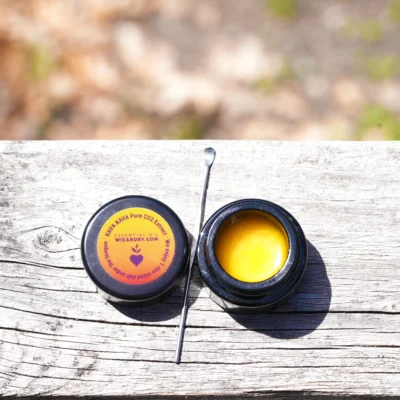
When transformed into a CO2 extract, kava presents as a bitter, golden, and chunky nectar that’s popular for social gatherings. Ours is super potent at 60%+ kavalactones, so only small amounts are needed. All you really need is a tiny drop using a toothpick that can be taken directly in the mouth during a social event or before bed, or you can add a few dabs to a teapot if your friends would like to partake. However, please keep in mind that some of the alkaloid content may be affected by the hot water. As with all kava preparations, try to avoid daily use and do not use it alongside alcohol.
Dilution, Texture, And Shelf Life
CO2 extracts behave differently from steam distilled oils in ways that matter practically. Many are thicker and more viscous, particularly thick extracts like galangal, kava and vanilla, and may need to be gently warmed before use for easier pouring. They tend to be more concentrated, dilution ratios should be adjusted accordingly. Where you might use 2% of a steam distilled oil, a CO2 equivalent often performs well at 0.5 to 1%.
Their fuller chemical profiles mean they tend to be more shelf-stable, as components preserved in the extraction process provide built-in protection against oxidation. Despite this, all of our CO2 extracts are best used within 2 to 5 years of purchase. To get the most out of each bottle, store them tightly sealed, away from heat, direct light, and air.
Building A Collection: Where To Start
For anyone new to CO2 extracts, frankincense serrata and ginger are the most accessible entry points, offering immediately noteworthy differences from their steam distilled counterparts in both aroma and depth. Meanwhile, seabuckthorn is an essential addition for anyone with a skincare focus, whereas caraway rewards curiosity with its unusual and wonderfully versatile character. Galbanum and kava CO2 are for the more experienced collector who’s ready to go deeper.
To learn more about the values and philosophy behind everything we source and craft, see our overview about Essential Oil Wizardry. Overall, for anyone building a serious botanical collection, CO2 extracts offer access to a dimension of plant character that no other extraction method provides.
Frequently Asked Questions About The Best CO2 Extract Essential Oils
What is a CO2 extract essential oil?
A CO2 extract is produced using pressurized carbon dioxide rather than steam or heat, preserving a broader range of botanical compounds, including heavier non-volatile constituents that heat would destroy.
What are full spectrum CO2 extracts?
Full spectrum CO2 extracts capture the complete chemical profile of a plant, including volatile aromatic compounds, heavier lipids, waxes, and bioactive constituents typically absent from standard essential oils.
What is the difference between a CO2 extract vs. a steam distilled one?
Steam distillation uses heat, destroying heat-sensitive compounds. CO2 extraction operates at near-ambient temperatures, producing an aroma and chemical profile that more closely mirrors the living plant.
What are the CO2 essential oil benefits for formulators?
Richer aromatic profiles, fuller botanical chemistry, and greater shelf stability due to preserved compounds are often regarded as the top CO2 essential benefits for formulators. They also tend to be more concentrated, so small amounts go further.
What is supercritical CO2 extraction?
A process that places carbon dioxide at a specific pressure and temperature where it enters a supercritical state, behaving as a highly efficient solvent that evaporates cleanly after extraction.
How do I use CO2 extracts in formulations?
Most are used at 0.5 to 1% in finished formulations. Thicker extracts may need gentle warming before use. They tend to incorporate smoothly into carrier oils, skincare formulations, botanical perfumes, and diffuser blends.
Which CO2 extract is best for skincare?
Our Seabuckthorn Oil CO2 Extract offers nourishing fatty acids, supporting skin even at 1% in a carrier oil or serum. Even a tiny amount can be pretty profound!
How should CO2 extracts be stored?
Keep all bottles tightly sealed in a cool, dark place away from heat, light, and air. All products are best used within 2 to 5 years of purchase.
Can CO2 extracts be used aromatically?
Yes. Most have rich aromatic profiles that translate well to diffusion and personal fragrance. Galbanum is particularly potent and best used in small amounts within a blend.
DISCLAIMER:
The information provided is intended for educational and informational purposes only and reflects historical, cultural, and experiential perspectives. It is not intended to diagnose, treat, cure, or prevent any disease, nor should it be interpreted as medical, legal, or professional advice. Individual experiences may vary. Always use personal discernment and consult a qualified professional when appropriate.
DISCLAIMER:
The information provided is intended for educational and informational purposes only and reflects historical, cultural, and experiential perspectives. It is not intended to diagnose, treat, cure, or prevent any disease, nor should it be interpreted as medical, legal, or professional advice. Individual experiences may vary. Always use personal discernment and consult a qualified professional when appropriate.