


Cut the bark of a Croton lechleri tree somewhere deep in the Amazonian rainforest, and what flows out is startling: a thick, deep red sap that looks almost impossibly vivid against the green of the forest floor. Indigenous communities across South America have called this sap sangre de grado, the blood of the tree, for as long as anyone can remember. They have pressed it into wounds, burned this as a sacred resin, worked it into ceremonial preparations, and passed its uses down through generations of plant knowledge that long predated modern medicine. Dragon’s blood oil carries that same living intelligence in a form we can work with today.
-
EaseOlution
Price range: $25.00 through $144.00 -
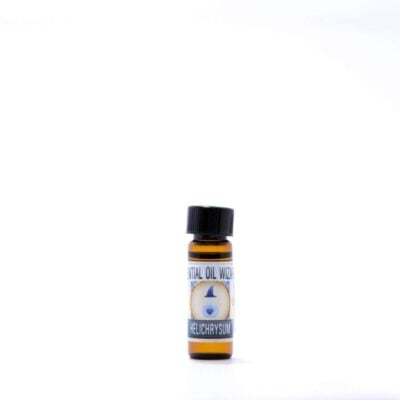
Helichrysum (Immortelle)
Price range: $35.00 through $144.00 -
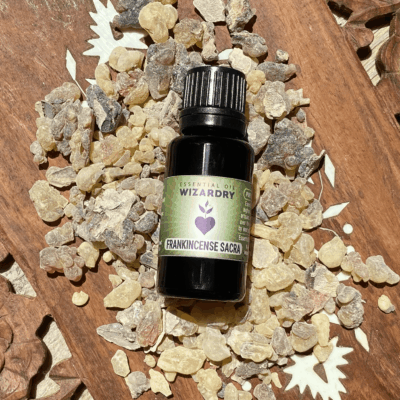
Frankincense Sacra (Royal Frankincense)
Price range: $33.00 through $77.00 -

Alleviate
Price range: $25.00 through $55.00 -
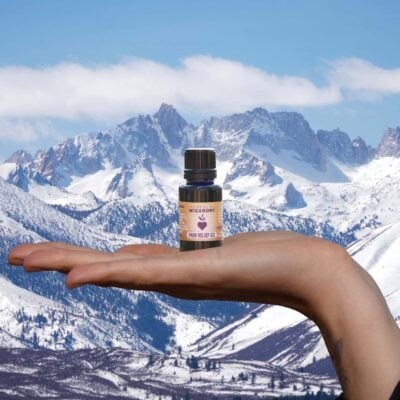
Pain Relief ICE (PRI)
Price range: $25.00 through $55.00 -
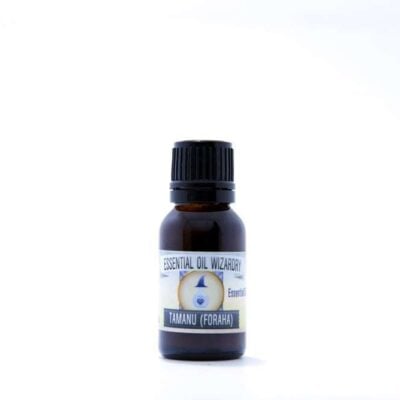
Tamanu (Foraha)
Price range: $25.00 through $55.00 -
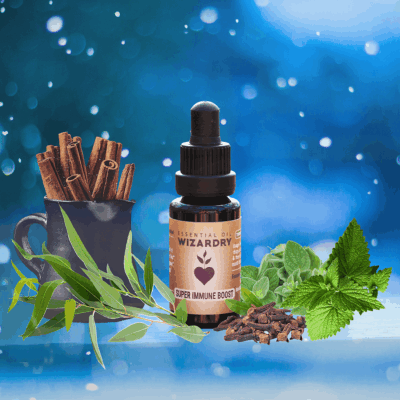
Super Immune Boost
Price range: $25.00 through $44.00 -
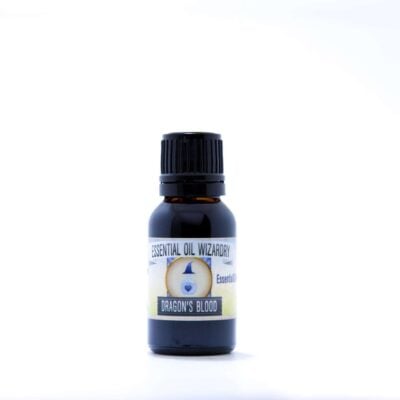
Dragon’s Blood
$33.00
CHECK OUT OUR BLOG
Natural Male Enhancement Tinctures: Tongkat Ali, Epimedium, And Kakanga Compared
A guide to natural male enhancement tinctures, comparing tongkat ali, epimedium, and kakanga root benefits, with insight from Essential Oil Wizardry.
Kanna Tincture vs. Kanna Resin: Which Format Is Right For You?
A guide to kanna tincture vs kanna resin, covering effects, dosing, and how to choose the best kanna format for your practice, from Essential Oil Wizardry.
Rose Absolute vs. Rose Otto: Bulgarian Rose And Rose Bourbon Absolute Compared
A guide to rose absolute, comparing Bulgarian rose absolute and rose bourbon absolute for perfume and ritual use — plus how rose otto (a steam-distilled essential oil) differs — with insight from Essential Oil Wizardry.
Croton Lechleri Oil: The Rainforest Tree Behind The Name
Dragon’s blood is one of those names that needs a little unpacking, because it refers to more than one plant depending on where in the world you are. In the context of South American botanical tradition, and in our collection specifically, dragon’s blood comes from Croton lechleri, a fast-growing tree native to the Amazon basin and the Andean slopes of Ecuador, Peru, Colombia, and Bolivia.
What Makes Croton Lechleri Unique
The red latex that gives sangre de grado its name is produced in remarkable concentration by the Croton lechleri tree. It is not a dilute sap but a dense, resinous fluid packed with a complex web of alkaloids, tannins, and polyphenols that have attracted the attention of both traditional healers and modern researchers alike.
The most studied compound in Croton lechleri is taspine, an alkaloid with documented wound-healing activity. Research published in Planta Medica found that taspine demonstrated significant wound-healing and anti-inflammatory properties in controlled studies, offering a scientific basis for one of traditional medicine’s most enduring applications of this plant. A separate body of research has also focused on SP-303, a proanthocyanidin polymer found in Croton lechleri latex, which has been studied for its activity in gastrointestinal and respiratory contexts.
Sangre De Grado Oil In Indigenous Tradition
Across Amazonian communities, sangre de grado oil has been applied to cuts, skin irritations, and wounds as a first-response botanical. It was also used aromatically and ceremonially, worked into preparations for the skin and body as part of broader healing rituals. Healers in Peru and Ecuador have long considered it one of the most important plants in their pharmacopeia, and its use spread through South American traditional medicine long before it entered the broader wellness conversation.
We carry this history with respect. Sourcing dragon’s blood ethically means working with harvesters who understand the tree, honor its growing cycles, and take only what is sustainable. For us, that relationship with the source is as much a part of the product as the oil itself. Learn more about how we approach sacred ceremonial oils and the values behind our sourcing philosophy.
Dragons Blood Resin Benefits: Tradition Meets Research
Dragon’s blood is most often encountered as a resin or latex rather than a steam-distilled essential oil, which makes it somewhat unusual in the botanical wellness world. Its primary applications are topical rather than aromatic, and understanding that distinction helps set realistic and meaningful expectations for how to work with it.
Skin And Topical Applications
The topical use of sangre de grado is where both tradition and contemporary research converge most strongly. The combination of taspine, polyphenols, and tannins in the latex creates a naturally astringent, protective film when applied to the skin. Many people describe it as forming a second skin over a wound or irritation, a thin, flexible coating that protects while the body does its own work beneath. When our founder was in the Amazon for an extended journey, the indigenous taught him to rub a few drops of dragon’s blood in his hands to activate it. When it turned grey-white and foamy, apply to the necessary region. When the skin is broken, applying the inactivated, thick red sap may be the superior option to coat the puncture with a second skin.
For everyday botanical skin support, dragon’s blood pairs exceptionally well with other skin-loving oils in our collection. Our Helichrysum Essential Oil is widely regarded as one of the most supportive botanicals for skin vitality, with a rich history of use in European herbal traditions. Our Tamanu Oil is a deeply nourishing carrier with its own traditional skin-supportive reputation from Polynesian healing practice. Blending a small amount of dragon’s blood with tamanu and helichrysum creates a concentrated botanical skin serum that honors the intelligence of all three plants. For a broader look at how carrier oils work alongside botanical oils in topical applications, our guide on carrier oils for essential oils is a helpful starting point.
Aromatic And Energetic Qualities
Dragon’s blood has a warm, slightly sweet, and deeply earthy aromatic character. It is resinous and grounding in a way that feels ancient, like the scent of the forest floor after rain. While its primary applications are topical, its aromatic presence in a space carries its own quiet power. In ceremonial contexts, dragon’s blood resin has long been burned alongside other sacred plants for its protective and energetically clarifying reputation.
In diffusion or personal fragrance blends, it adds a dark, resonant base note that gives lighter oils something to anchor against. Paired with frankincense or palo santo, it creates a ceremonial depth that synthetic fragrance simply cannot replicate. The dragon’s blood is a more water soluble solution compared to traditional essential oils. When blended with essential oils, the solution is not completely soluble, though aromatically and therapeutically, the mixture is quite potent. Dragon’s blood is not intended for usage in a diffuser.
Dragon’s Blood Essential Oil Uses: How To Work With It
Dragon’s blood rewards thoughtful, intentional use. Because it is a resin-based product rather than a steam-distilled oil, the way you work with it differs slightly from standard essential oil practice, but the principles of dilution, intentional application, and consistent ritual use all apply.
Topical Application Methods
- Skin Serum: Combine a small amount of dragon’s blood with our Tamanu Oil as a base and add a few drops of helichrysum for a focused skin support blend. Apply sparingly to areas needing extra botanical attention.
- Direct Application: Apply a small amount of undiluted dragon’s blood latex to minor cuts or skin irritations as a traditional first-response botanical. Its naturally astringent quality creates a protective layer over the skin.
- Body Oil Blend: Dilute in a carrier oil at a low percentage for a grounding, resinous full-body oil that combines ceremonial and skin-nourishing qualities.
Pairing Dragon’s Blood With Complementary Botanicals
Dragon’s blood is a powerful companion for other plants that share its orientation toward resilience, protection, and deep physical support. Our Super Immune Boost tincture was formulated with the same philosophy of drawing on the most potent, well-researched botanicals available to support the body’s own defenses. For more on how plant-based oils can support the body’s immune-related processes, our guide on immune support essential oil blend covers this topic in depth.
For those dealing with physical tension or discomfort, our Pain Relief Ice Oil offers a cooling, targeted botanical experience that complements dragon’s blood’s warming, protective character. For those interested in the broader landscape of botanical anti-inflammatory support, our overview of essential oils for inflammation offers useful context.
Sacred Resin Companions: Frankincense And The Art Of Layering
Dragon’s blood has always traveled in the company of other sacred resins. Across the world’s ceremonial traditions, from Amazonian plant medicine to North African and Middle Eastern incense practice, resins have been burned, blended, and worked together because practitioners understood that their combined effect was greater than the sum of their parts.
Frankincense: Dragon’s Blood’s Most Natural Ally
Our Frankincense Sacra Essential Oil is the closest companion we would reach for alongside dragon’s blood in a ceremonial or skin-focused blend. Frankincense shares dragon’s blood’s resinous depth, its long history of sacred use, and its contemporary reputation for skin and wellness support. Steam distilled from wild-harvested or organically sourced Boswellia sacra resin, our frankincense carries the full aromatic complexity of one of the world’s most treasured botanicals.
In a diffuser blend, combining frankincense with dragon’s blood creates a meditative, ceremonially resonant atmosphere. For skin blends, frankincense and dragon’s blood work in complementary ways, with frankincense supporting skin tone and vitality while dragon’s blood offers its protective, astringent qualities.
Caring For Your Dragon’s Blood Oil
Resinous products like dragon’s blood benefit from the same storage principles that apply across our collection. Keep the bottle tightly sealed in a cool, dark place away from heat, light, and air. Because of its thick, viscous nature, dragon’s blood may thicken further in cool temperatures. Gentle warming in the hands before use can help restore its natural consistency. Like all of our products, it is best used within 2 to 5 years when stored with care.
Our Dragon’s Blood Oil: Sourced With Intention
Our Dragon’s Blood Sangre De Grado is wildcrafted from Croton lechleri trees in a way that honors the plant’s growing cycles and the communities that have tended this species for generations. The latex is collected from naturally tapped trees by harvesters with long-standing relationships to the forest, prepared in small batches, and vibrationally enhanced to honor both the plant and the process.
What Sets Our Sourcing Apart
At Essential Oil Wizardry, ethical sourcing is not a marketing position. It is a foundational commitment that shapes every decision we make about what goes into a bottle. With a plant as historically significant and ecologically sensitive as Croton lechleri, that commitment is especially meaningful. We work directly with wildcrafters who understand the tree’s life cycle, respect its regenerative capacity, and harvest in ways that leave the forest intact for future generations.
95% or more of our products are organic or wildcrafted and unsprayed, and dragon’s blood is no exception. The result is an oil that carries not just the chemistry of the plant but the integrity of the relationship behind it. That is something no synthetic alternative can offer.
Incorporating Dragon’s Blood Into Your Daily Ritual
Dragon’s blood is a plant that rewards a slow, curious approach. Rather than treating it as a single-use remedy, consider how it might become a consistent companion in your botanical practice. A drop in a morning skin ritual, a small amount blended into a ceremonial body oil, or a trace added to a diffuser blend as an earthy anchor can all become meaningful, repeated touchpoints with this remarkable plant.
Frequently Asked Questions About Our Dragon’s Blood Oil
What is dragons blood oil?
Dragon’s blood oil, also known as sangre de grado, comes from the red latex of the Croton lechleri tree, a species native to the Amazon basin and Andean foothills of South America. It has been used in indigenous healing traditions for centuries and has attracted growing scientific interest for its rich concentration of bioactive compounds.
What are the main dragons blood resin benefits?
Dragon’s blood resin is most traditionally valued for its topical applications, particularly its skin-protective and wound-supportive qualities. Its primary active compound, taspine, has been studied for wound-healing and anti-inflammatory activity. It is also used aromatically and ceremonially for its grounding, protective energetic character.
How do I use sangre de grado oil on the skin?
Apply a small amount directly to areas of the skin that need support, or combine its usage with a carrier oil like tamanu for a more spreadable application. A little goes a long way. Its naturally astringent quality means it begins working as soon as it contacts the skin, forming a light protective layer.
Is croton lechleri oil the same as dragon's blood essential oil?
Croton lechleri oil and dragon’s blood from Croton lechleri refer to the same plant source. It is worth noting that the name “dragon’s blood” applies to several different plants from different parts of the world, including Dracaena and Daemonorops species. Our product comes specifically from Croton lechleri, the South American species with the deepest traditional and research history.
Can dragon's blood oil be used aromatically?
Yes. While its primary applications are topical, dragon’s blood has a warm, earthy, resinous aroma that works well as a base note in diffuser blends and personal fragrances. It pairs naturally with frankincense, palo santo, myrrh, and other sacred resins.
How does dragon's blood oil compare to frankincense?
Both are sacred resins with long ceremonial and wellness histories, but they come from different plants and offer different profiles. Frankincense tends to be more aromatic and meditative in character, while dragon’s blood is more intensely physical and protective in its traditional applications. Together, they create a deeply layered ceremonial blend.
Is Essential Oil Wizardry's dragon's blood sustainably sourced?
Yes. Our dragon’s blood is wildcrafted from Croton lechleri trees in a way that honors the plant’s growing cycles and the communities that have tended this species for generations. Ethical sourcing is a foundational commitment that shapes every product we carry.
What carrier oil works best with dragon's blood?
Tamanu oil is our top recommendation for blending with dragon’s blood due to its own deeply nourishing and skin-supportive properties. Jojoba and rosehip are also excellent choices depending on the intended use and skin type.
How should I store dragon's blood oil?
Keep it tightly sealed in a cool, dark space away from heat and light. If the oil thickens due to cool temperatures, warm the bottle gently between your palms before use. Like all Essential Oil Wizardry products, dragon’s blood is best used within 2 to 5 years of opening.
DISCLAIMER:
The information provided is intended for educational and informational purposes only and reflects historical, cultural, and experiential perspectives. It is not intended to diagnose, treat, cure, or prevent any disease, nor should it be interpreted as medical, legal, or professional advice. Individual experiences may vary. Always use personal discernment and consult a qualified professional when appropriate.
Sources:
- Perdue, G.P., et al. (1979). South American plants II: Taspine isolation and anti-inflammatory activity. Journal of Pharmaceutical Sciences.https://pubmed.ncbi.nlm.nih.gov/758452/
- Porras-Reyes, B.H., et al. (1993). Taspine is the cicatrizant principle in Sangre de Grado extracted from Croton lechleri. PubMed / U.S. National Library of Medicine.https://pubmed.ncbi.nlm.nih.gov/2748730/