


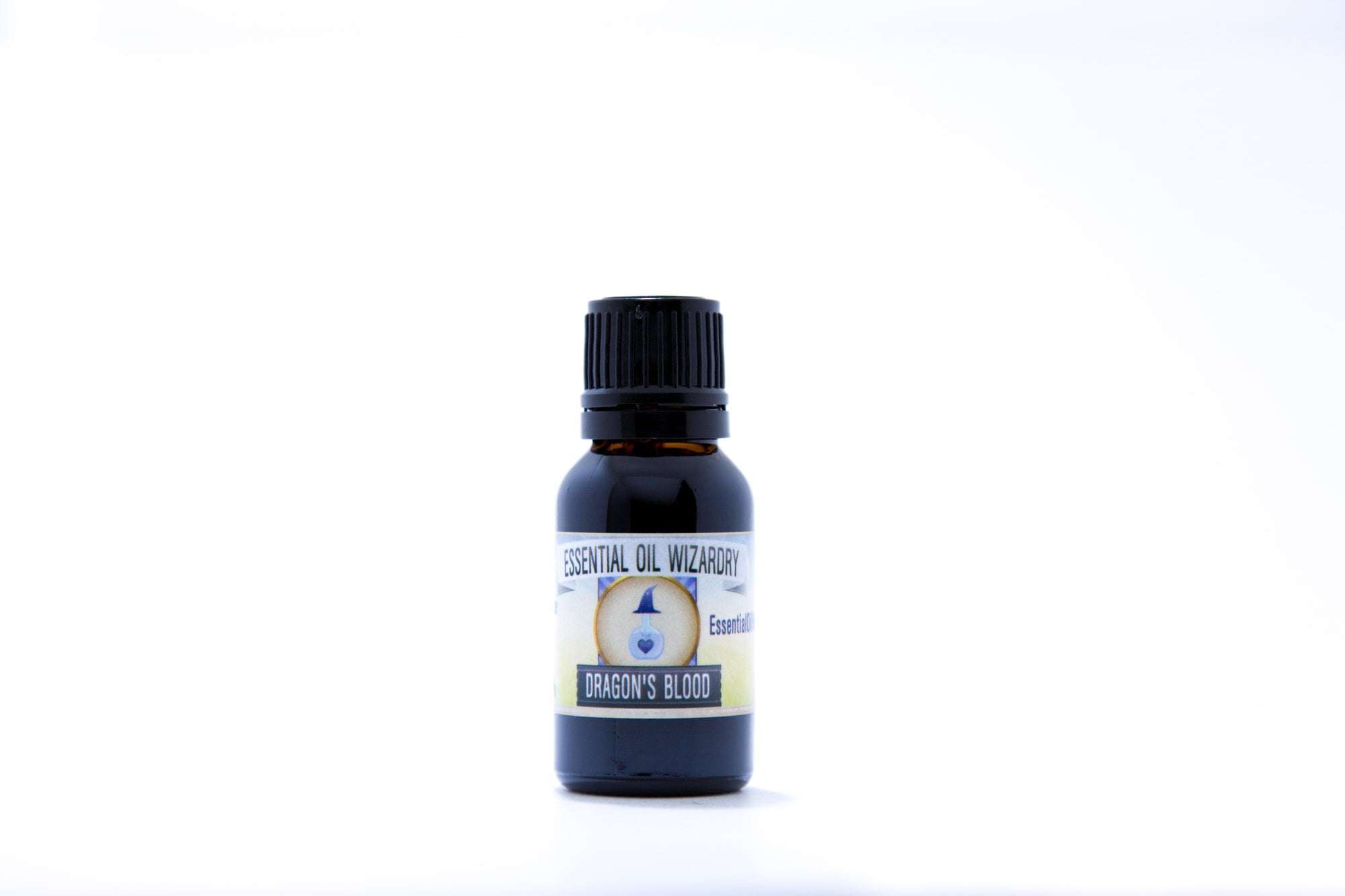
Dragon’s Blood
$33.00

Hidden
Product Description
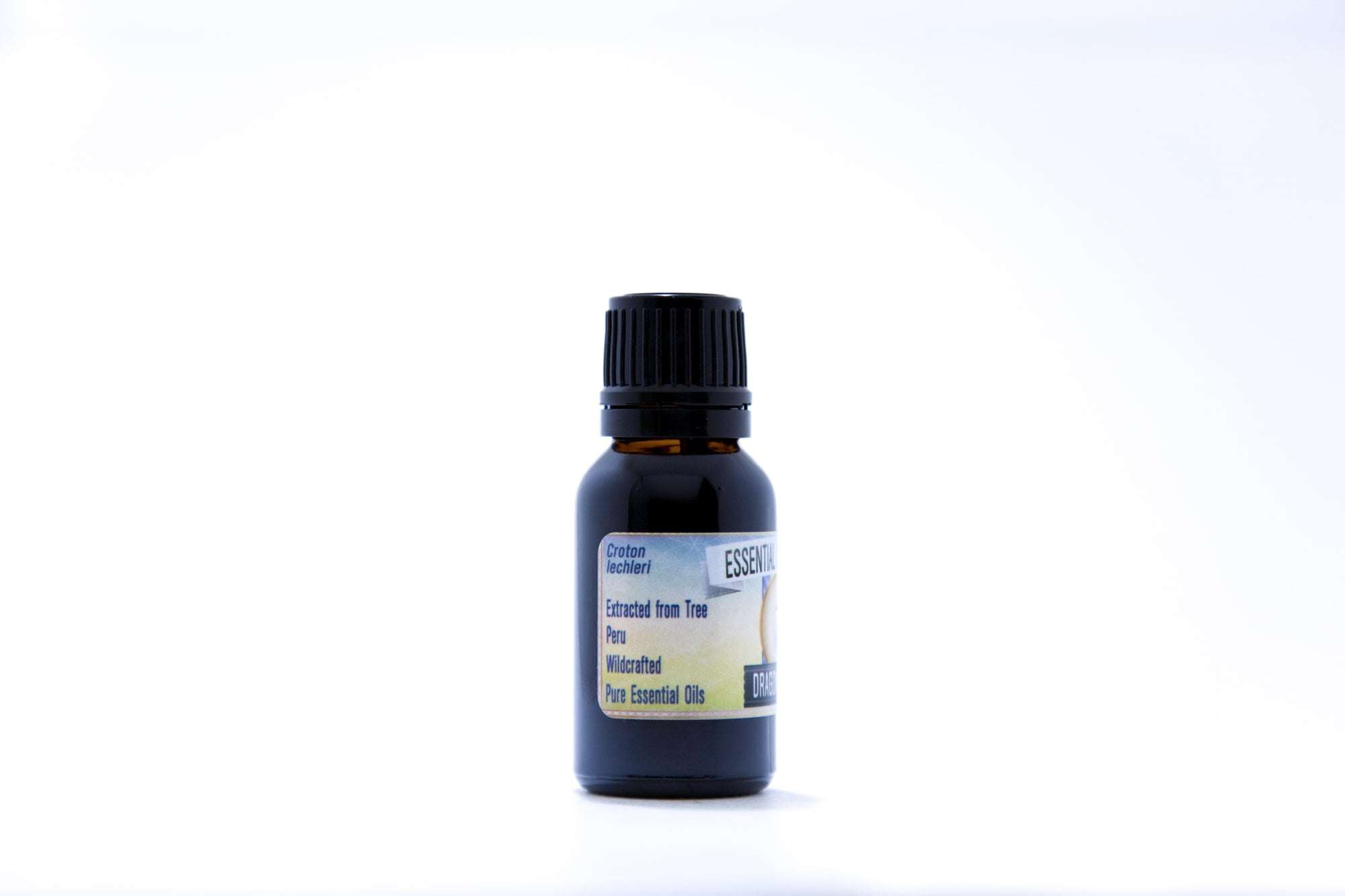
Dragon's Blood Extract (Croton lechleri)
Powerful broad-spectrum healer from the Amazon, supporting digestive issues, severe bleeding, ulcers, topical infections used in jungle arts / crafts & shamanic ceremonies.
- Anti-fungal
- Anti-inflammatory
- Anti-microbial
- Anti-tumor
- Anti-ulcer
- Anti-viral
- Astringent
- Collagen Regeneration
- Haemostatic
- Natural Dye / Art
Aromatic Scent: Astringent, fruity, slightly acrid with notes of liqueur.
How to Use
- To activate, rub into the hands for ~30 seconds and solution becomes foamy. Apply to wounds to sanitize and promote healing
- Add to skin care products to promote regeneration and tonify the skin.
- Add 1-5 drops to water, warm tea, or juice to soothe GI and promote regeneration.
- Applied to burns to promote scarring & healing ~ used in Kambo work, placed over application.
- Used as a natural dye, can be used as a paint or onto fabrics for clothing.
Precautions
None known. Can stain skin/clothing.
Cultivation: Wildharvested
Country of Origin: Peru
Extraction Method: Tapped from Tree
Parts of Plant Used: Resin / Sap / Latex
Known Active Constituents: Taspine, Proanthocyanidin
~ Medicine from the Amazon ~
References
https://www.drugs.com/npc/dragon-s-blood.html
http://www.medicinehunter.com/dragons-blood
https://www.sciencedirect.com/science/article/pii/S0378874107005387
* These statements have not been evaluated by the Food and Drug Administration. This product is not intended to diagnose, treat, cure or prevent any disease. If you are pregnant, nursing, taking medication, or have a medical condition, consult your physician before using this product. *
Dr. Nick's Notes
Dragon’s Blood Extract is a potent elixir for the skin. Also known as Sangre de Grado, Sangre de Drago (blood of the dragon in Espanol), Dragons Blood, this sap has a long history of therapeutic use in South America. Its sap, resin, and bark all have history of use but it is the sap and resin that have been most commonly referred to when talking about the therapeutic benefits. We are unsure as to whether the Dragon’s Blood Extract we offer is the pure latex sap or isolated distillation of the resin but the therapeutic properties are the same either way.
Traditionally used internally and externally to stop bleeding, promote the recovery of wounds, treat infections, and intestinal issues. Taspine is documented as being a component that is antiviral and promotes wound healing properties. The proanthocyanidins in Dragon’s Blood Extract have been shown to promote collagen regeneration. Some preparations have been made and pharmaceutically patented using the proanthocyanidin polymer from croton species (SP-303) as an anti-diarrheal. It has been clinically used to aid stomach ulcers, ulcerative colitis, and Crohn’s disease with a degree of success.
Using the concept of the doctrine of signatures, realizing that the blood like sap from a wounded tree can assist in healing of our own wounds makes sense. Dragon’s Blood is used as a potent natural dye for art including painting & staining clothing in the Amazon. Dragon’s Blood Extract is absolutely considered a “cure-all” in Peru based on my personal experience engaging with medicine elders in the Amazonian region. True Dragon’s Blood will foam up when rubbed into the hands for about 30 seconds and becomes “activated” to be applied to the wound region. Dragon’s Blood aids in scarring recovery for burns and is used on Kambo application. Wondrous broad-spectrum gift from the blood of the trees to the peoples of the amazon! The dried resin is often used for magick purposes including manifestation, setting intention, purification and releasing attachments to loved ones.
FAQs
Dragon’s Blood is the deep red resin of the Croton lechleri tree, native to the Amazon rainforest. Known as “Sangre de Grado” (blood of the dragon) in South America, this resin has been used by indigenous Amazonian peoples for centuries as a wound healer, skin protector, and ceremonial medicine. EOW’s Dragon’s Blood is sourced from sustainable operations in its native habitat.
Dragon’s Blood resin is studied extensively for its wound-healing and skin-protective properties — it contains taspine and proanthocyanidins that support tissue repair, reduce inflammation, and form a protective barrier on the skin. It is traditionally used for cuts, insect bites, skin irritation, and as an anti-aging ingredient. In ceremonial practice, it is associated with protection, purification, and amplification of intention.
Dragon’s Blood can be applied directly to minor skin irritations, cuts, or insect bites as a protective coating. It can be diluted in a carrier oil for broader skin care use, added to ceremonial preparations, or used as a natural incense. The resin dries to form a protective second-skin barrier over wounds. For energetic and ceremonial use, it is applied to ritual objects, doorways, or the body during protection rituals.
Dragon’s Blood has a distinctive, warm, slightly sweet, resinous aroma with hints of spice, amber, and rich earth. The scent is powerful and evocative — deeply associated with ceremonial and shamanic practice. It is often described as having a primordial quality that grounds and protects.
Yes — Dragon’s Blood resin has a long history of topical use and is generally well-tolerated. It can be applied directly to minor skin irritations as a protective barrier. For broader skin care use, dilute in a carrier oil or other water soluble solution. Discontinue use if irritation occurs. Consult a healthcare provider before use during pregnancy or if you have any skin conditions being treated by a dermatologist.
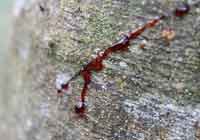
Dragon's blood — known in South America as sangre de grado ("blood of the tree") — is a deep red sap harvested from trees in the Croton genus, primarily Croton lechleri, found in the Amazon rainforest. When the tree's bark is scored, it releases a thick, dark red latex that has been used by indigenous Amazonian communities for centuries as a powerful healing agent. The sap is then processed into various forms for topical use. Its striking red color and potent healing properties are what earned it the dramatic name "dragon's blood."
Sangre de grado has been studied for its remarkable wound-healing properties. The sap contains a compound called taspine, which has demonstrated anti-inflammatory and wound-closure activity. When applied to minor cuts, scrapes, or irritated skin, it forms a protective barrier — almost like a natural liquid bandage — while supporting the body's healing process underneath. Indigenous communities have relied on it for generations to accelerate healing of skin wounds, insect bites, and various forms of skin irritation. Research continues to explore its potential therapeutic applications. The indigenous people sometimes liken this to the original antibiotic from the amazon!
For skin support, apply a small amount of dragon's blood directly to the area of concern. The sap dries quickly and forms a thin, protective film over the skin, creating a barrier while the area heals underneath. For broader skin care use, you can dilute it in a carrier oil and apply to larger areas. Some people add a few drops to their regular moisturizer or facial oil for general skin-supporting benefits. Note that this is more water soluble / less oil-soluble than many of our extracts, so mixability may be different with other essential oils and carriers. It's potent, so start with a small amount and see how your skin responds. The indigenous have taught Dr. Nick to apply a few drops into the hands and rub the hands together until a thin white-grey film with some bubbles form, and to apply that to the affected region. This tends to activate the Dragon's blood latex.
Yes — they're the same thing, just different names from different traditions. "Sangre de grado" or "sangre de drago" is the Spanish name used throughout South America, literally translating to "blood of the dragon" or "blood of the tree." "Dragon's blood" is the English common name. Both refer to the deep red sap harvested from Croton lechleri and related species in the Amazon. You may also see it called "sangre de dragon" — all these names point to the same remarkable botanical substance.
Traditional use and emerging research both suggest that dragon's blood has notable anti-inflammatory properties. The sap contains taspine and other compounds that have shown anti-inflammatory activity in studies. Indigenous Amazonian peoples have long used it to address inflammation-related skin concerns, oral discomfort, blood clotting and general irritation. While more research is needed to fully characterize its mechanisms, the traditional evidence spanning centuries of continuous use is compelling. As always, consult a healthcare professional for serious inflammatory conditions.
Sangre de grado is harvested by making careful incisions in the bark of Croton lechleri trees, allowing the red sap to flow out and be collected. When done responsibly, this process doesn't kill the tree — similar to how maple syrup is tapped. The trees can be re-tapped over time. Sustainable harvesting practices involve working with indigenous communities who have managed these forest resources for generations and understand how to harvest without damaging the long-term health of the trees or the ecosystem. Supporting ethical sourcing is important for preserving both the trees and the traditional knowledge around their use.
In traditional Amazonian medicine, sangre de grado is one of the most widely used and respected plant medicines. Indigenous healers apply it to wounds, cuts, and insect bites to accelerate healing and prevent infection. It's used as a wash for skin conditions and irritation. Some traditions use it internally (diluted in water) for digestive support and oral health — as a natural mouthwash for gum issues and sore throats. Some antecodal reports describe that swishing with Dragon's blood can help to rebuild and regenerate the gums. It's also used ceremonially in some contexts. The breadth of its traditional applications speaks to how central this plant has been to Amazonian healing practices for generations.
Many people do use dragon's blood on the face, but it's important to approach it thoughtfully. Start by patch testing a small amount on a less sensitive area of skin to make sure you don't have a reaction. For facial use, diluting it in a carrier oil or mixing a drop into your regular moisturizer is generally recommended rather than applying the concentrated sap directly. Its skin-supporting properties can be beneficial for the face, but facial skin is more delicate than body skin, so a gentler approach is wise. Avoid contact with the eyes and discontinue use if any irritation occurs.
Our Process
We consciously source all our ingredients from Organic, Wildcrafted and/or Unsprayed (Pesticide-free) farms & distilleries. We then enhance these premium ingredients through our unique proprietary process to bring each of our formulations into their highest expression. You can really smell, feel, sense, and experience the difference!
2 reviews for Dragon's Blood

** The information provided on this page is intended for educational and informational purposes only and reflects historical, cultural, and experiential perspectives. This product has not been evaluated or approved by the U.S. Food and Drug Administration and is not intended to diagnose, treat, cure, or prevent any disease. Individual experiences may vary. Always use personal discernment and consult a qualified healthcare professional when appropriate, especially if you are pregnant, nursing, taking medication, or have a medical condition.
Casey G. (Essential Oil Wizardry) –
Victor (Essential Oil Wizardry) –
Love this!