



Key Takeaways
- Aromatic Compounds Interact With Sensory Systems: Some essential oils contain molecules that may temporarily influence how the body perceives physical discomfort.
- Different Oils Address Different Sensations: Cooling oils like peppermint may suit muscle tension, while warming oils like ginger are traditionally used for circulation support.
- Dilution And Application Method Matter: Proper carrier oil ratios, targeted massage techniques, and consistent application influence how these botanical compounds support comfort.
Physical discomfort has a way of demanding attention. After a long day, an intense workout, or years of repetitive movement, muscles may tighten, and you might feel that certain areas have become sensitive. These signals are the body’s way of asking for care. Many people include plant-based practices in their response, but what is the strongest essential oil for pain?
At Essential Oil Wizardry, we approach this question with nuance. Rather than looking for a single “strongest” oil, the focus shifts to how various botanicals meet specific kinds of physical tension. The oil that feels supportive for post-workout soreness may not be the same one you reach for when you’re targeting joint stiffness or lingering tightness. Through thoughtful sourcing and preparation, each extract we carry offers its own aromatic profile and character, offering a tailored way to work with the body.
In this guide, we’ll walk through the most traditionally used essential oils for pain by category and offer practical guidance on application, blending, and realistic expectations.
How Essential Oils Interact With The Body During Discomfort
Before getting into the specifics, it’s worth learning about the basic mechanism at play. So, let’s start with the fundamentals: what are essential oils? At their core, essential oils are concentrated volatile plant extracts. When applied to the skin at a proper dilution, their aromatic compounds interact with local sensory receptors, producing physical sensations. Cooling oils activate cold-sensitive receptors, while warming oils stimulate heat-sensitive pathways. Both types can influence how the body perceives tension in the area of application.
This isn’t a placebo. Menthol, the primary active constituent in peppermint, has documented interactions with TRPM8 receptors in the skin, which are responsible for the fresh sensation that sometimes makes peppermint feel refreshing on sore muscles (McKemy, 2005). Similarly, constituents such as gingerols and piperine from ginger and black pepper are associated with the body’s heat-sensing pathways, contributing to their characteristic warming sensations (Shuba, 2020).
Beyond the sensory experience, many of the botanicals traditionally used for pain support also contain compounds with suggested anti-inflammatory properties in preclinical research. The evidence for topical essential oil use in pain specifically is still developing, but the traditional rationale for these oils isn’t without a chemical basis.
Essential Oil For Muscle Pain: Botanicals After Exertion
Muscle soreness typically develops after physical exertion, repetitive movement, or sustained postural tension. The sensation is usually a tight or achy feeling across a muscle group rather than a sharp one. Cooling essential oils are the most commonly chosen for this category because their refreshing sensation feels counterintuitive to the heat and fatigue of worked muscles.
Peppermint: A Versatile, Well-Known Cooling Oil
Peppermint is probably the most frequently cited answer when people ask, “What is the strongest essential oil for pain?” For muscle tension specifically, it has a strong case. Its high menthol content creates an unmistakably cold sensation on the skin that many people find immediately soothing during muscle fatigue or soreness.
Peppermint oil is best used diluted at 2% or below in a carrier oil for topical muscle massage. Applied with slow, deliberate strokes along the affected muscle group, it feels invigorating on the skin. It can also be used in a cold compress for sustained cooling relief after exercise. All you have to do is add a few drops to cool water, then soak a cloth in the mixture before applying it to the affected area.
Eucalyptus As A Supporting Oil
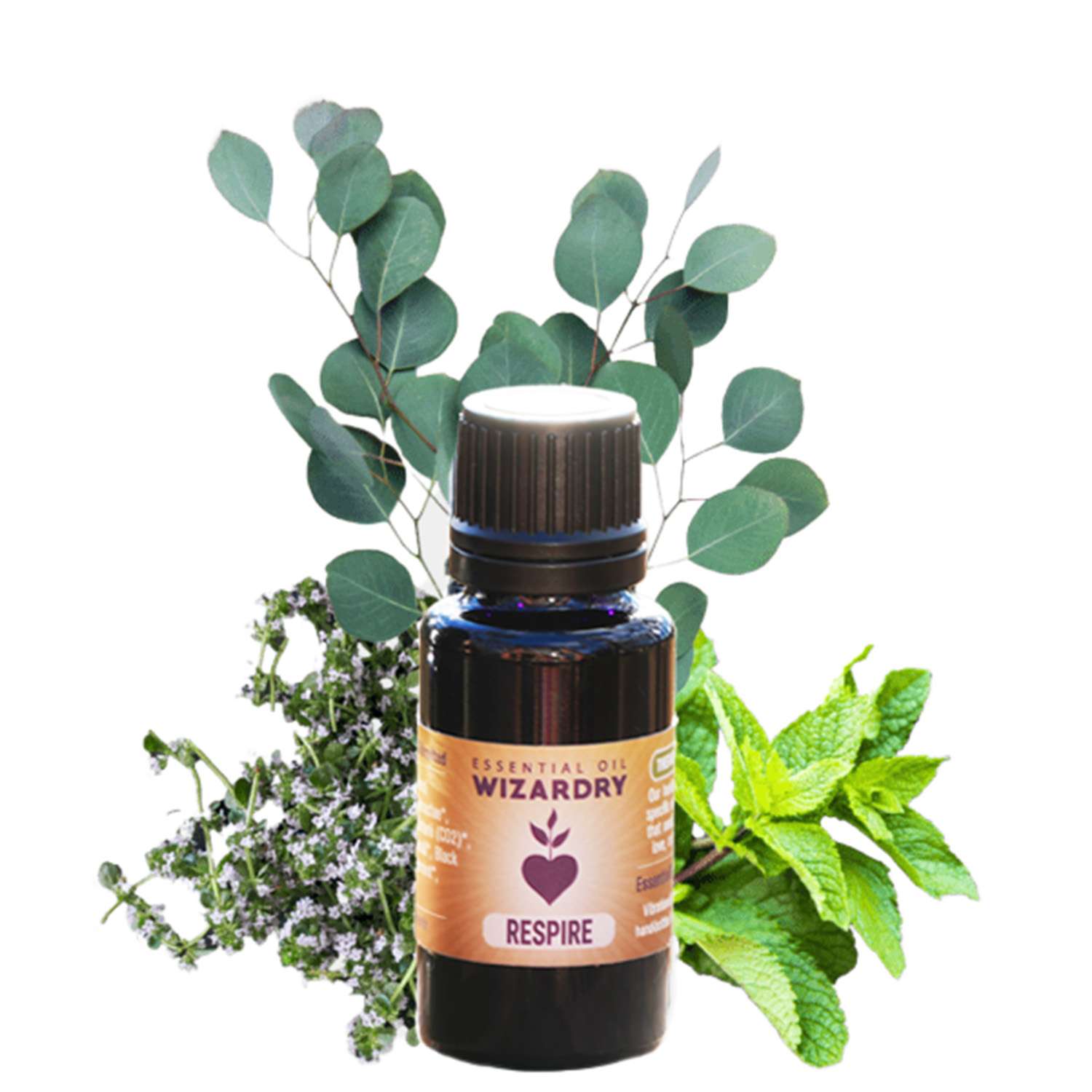
Eucalyptus brings a crisp quality to muscle blends, which can feel especially refreshing when soreness is paired with that heaviness or sluggishness that sometimes follows an intense workout. Its bright aroma helps create a sense of space, making it a great complement to warmer oils.
Eucalyptus shines in diffusion, especially during the colder months when indoor air can feel stagnant. Its clearing aroma helps create a more open, breathable atmosphere, making it a staple in many cold-weather routines. If you’re building out your seasonal toolkit, it’s often included among go-to winter wellness essential oils for refreshing shared spaces and supporting an uplifting environment.
Essential Oil For Back Pain: Building A Blend That Addresses The Full Picture
Back pain is rarely one-dimensional. It can involve tension, stiffness, sensitivity, or some combination of all three, which is part of why it’s one of the harder categories to address with a single oil. A well-constructed blend typically combines a cooling oil for surface relief with a warming oil for deeper circulation support. Here’s a practical starting blend, diluted in 1 oz of your chosen carrier oil: try combining 5 drops of peppermint oil with 4 drops of ginger essential oil. From there, you can add 3 optional drops of frankincense or lavender to round out the blend with a calming depth.
Apply the mixture with slow circular motions across the affected area, focusing on the muscles alongside the spine rather than the spine itself. A warm compress placed over the applied oil may help extend the warming sensation and encourage the body to soften. For lower back pain specifically, warming oils tend to be more effective than cooling ones. For upper back and shoulder tension that develops from desk work or postural holding, peppermint and eucalyptus are often the more useful starting points.

Anti-Inflammatory Essential Oils And Joint Pain Support
Joint stiffness feels categorically different from muscle soreness. The discomfort tends to be more localized around the knees, hips, fingers, or shoulders, and often has a restricted, grinding quality. Warming essential oils are traditionally favored here because they encourage circulation and generate heat that many people associate with loosening. One of our favorite anti-inflammatory blends that people use for aches and pains is Pain Relief ICE (PRI).
Ginger: The Time-Tested Root For Joint Comfort
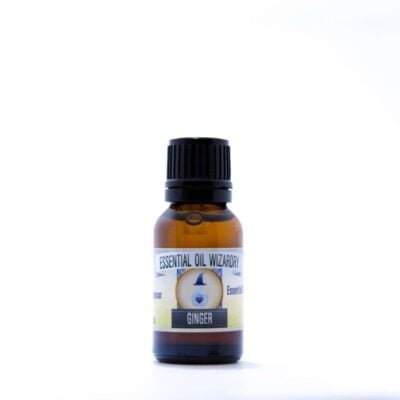
Ginger essential oil is the most commonly recommended essential oil for joint pain, and this rationale is supported by its chemistry. It’s high in sesquiterpenes, which are heavier molecular compounds associated with anti-inflammatory properties. Dr. Nick explains that it is “commonly used as an analgesic, specifically for warming joints and muscles,” with particular synergy alongside nutmeg, black pepper, and other homely spices.
The steam distilled version tends to be more approachable aromatically for topical use. In comparison, the CO2 extract is more full-spectrum and contains gingerols and shogaols, the constituents most associated with ginger’s heat and spice, and may be more appropriate for those specifically seeking a more complex botanical profile. For joint massage, dilute ginger at 5–10% in jojoba or sweet almond oil and apply with slow circular motions around the joint. For more ideas on how to use essential oils, check out our guide, which covers culinary creations, topical applications, and more.
Black Pepper And Frankincense As Companion Oils
Black pepper brings a spicy depth to a blend that complements essential oils like ginger without overpowering them. Its aroma adds a sense of gentle heat and movement, making it a wonderful fit for massage oils focused on areas that feel stiff or slow. Black pepper is also noted to have analgesic and anti-inflammatory qualities, supporting the therapeutic qualities of your custom blend.
Frankincense, especially in CO2 form, offers a deeper, resinous quality that helps round out more stimulating oils. It brings a steady, grounding presence, offering a sense of calm that makes the overall experience feel more complete and cohesive. Frankincense, in its own nature, has anti-inflammatory properties, further enhancing the blend’s effectiveness.
Essential Oil For Nerve Pain: Support That Gently Unfolds
Nerve-related discomfort can feel different from muscle or joint tension, sometimes showing up as tingling or a more diffuse kind of discomfort. Because of this, many people prefer to work with gentler, more calming oils. The focus tends to be on creating a sense of tranquility and peace, rather than trying to “push” a strong sensation into an already sensitive area.
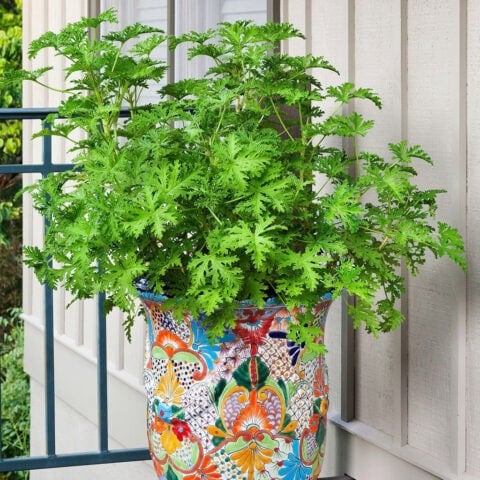
Helichrysum (Helichrysum italicum) is often included in essential oil for nerve pain blends for its soft, fragrant aroma and its long-standing use in skin-focused applications. It’s typically used in very low dilutions with slow, mindful application. For a body that feels tense or unsettled, many people reach for Roman chamomile, which adds a lightly sweet, soothing aromatic quality. As a third option, geranium brings a floral note that helps round out an oil mixture and keeps the overall profile mellow and approachable. Some people report that black or pink pepper is useful for helping the oil penetrate deeper and provides a subjective numbing sensation for nerve pain.
When applying, lighter is usually better. Using minimal pressure and working around the area rather than directly on the most sensitive point can help keep the experience comfortable and supportive.
Final Thoughts
Essential oils have long been included in traditional wellness practices that support the body during times of physical strain or tension. While no single oil works for every situation, certain botanicals are often chosen for specific sensations. Cooling oils are commonly used as an essential oil for muscle pain or an essential oil for back pain, while warming botanicals are frequently included in blends designed to support joint comfort.
Most importantly, essential oils are best used as supportive companions within a broader wellness routine that includes rest, movement, and mindful care for the body. When sourced with integrity and applied thoughtfully, these aromatic plants offer a way to reconnect with the body and support everyday comfort, drawing on the wisdom of Mother Nature.
Frequently Asked Questions About What The Strongest Essential Oil For Pain Is
What is the strongest essential oil for pain overall?
There’s no single answer. It depends on the type of discomfort. Peppermint is often cited first for its cooling menthol sensation. For joint stiffness, ginger’s warming profile is more commonly appropriate. For nerve-related sensitivity, calming oils like helichrysum and chamomile are generally preferred. We also enjoy using Black Pepper or Pink Pepper oils for their analgesic qualities.
Can I apply essential oils directly to a painful area without diluting?
Always dilute in a carrier oil before topical use. Most essential oils can potentially cause skin irritation at full concentration. A 2–3% dilution in jojoba, sweet almond, or fractionated coconut oil is appropriate for most adult topical applications.
Are anti-inflammatory essential oils the same as pain-relief oils?
They overlap but aren’t identical. Some oils with anti-inflammatory properties are also widely used for pain support. But the oil that’s the “strongest for pain” often comes down to sensory effects and personal preference.
How often can I apply essential oil blends for physical discomfort?
Once or twice daily is a reasonable starting cadence for most topical applications. Consistent moderate use generally yields better results than infrequent heavy application.
Can essential oils be used after exercise?
Many people apply diluted essential oils after physical activity as part of their recovery routine. Massage blends are often used on the legs, shoulders, and back when muscles feel tired or overworked.
Is it okay to use warming and cooling oils together?
Yes, combining them is a common approach. The contrast between cooling (peppermint, eucalyptus) and warming (ginger, black pepper) botanicals creates a more complete sensory experience than either alone, and the oils don’t tend to neutralize each other’s effects.
DISCLAIMER:
The information provided is intended for educational and informational purposes only and reflects historical, cultural, and experiential perspectives. It is not intended to diagnose, treat, cure, or prevent any disease, nor should it be interpreted as medical, legal, or professional advice. Individual experiences may vary. Always use personal discernment and consult a qualified professional when appropriate.
Sources:
- McKemy, D. D. (2005). How cold is it? TRPM8 and TRPA1 in the molecular logic of cold sensation. Molecular Pain, 1. https://doi.org/10.1186/1744-8069-1-16
- Shuba, Y. M. (2021). Beyond neuronal heat sensing: Diversity of TRPV1 heat-capsaicin receptor-channel functions. Frontiers in Cellular Neuroscience, 14, 612480. https://doi.org/10.3389/fncel.2020.612480