


Breath connects us to life. It is one of the first things we notice when we pause, and one of the first things that changes when we feel unsettled. When your sinuses feel heavy, your body is asking for gentleness and support. Aromatic plants have been used for centuries to create comforting breathing rituals during these moments. Think steam baths infused with fragrant herbs, flowers, bundles of pine and eucalyptus hung above a fire, or mint and camphor preparations carried by healers across dozens of traditions. Today, essential oils carry this lineage in concentrated form, offering a sensory way to reconnect with nature while your body works toward recentering itself.
-

Eucalyptus Set
$88.00 -

Allergee
Price range: $33.00 through $77.00 -
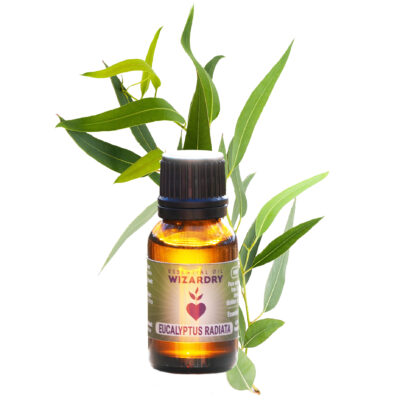
Eucalyptus
Price range: $16.00 through $77.00 -

Ultrasonic Mullein Tincture
Price range: $25.00 through $44.00 -
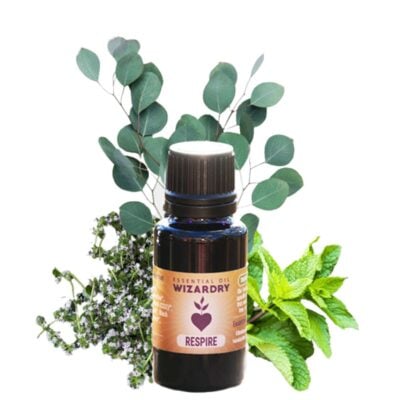
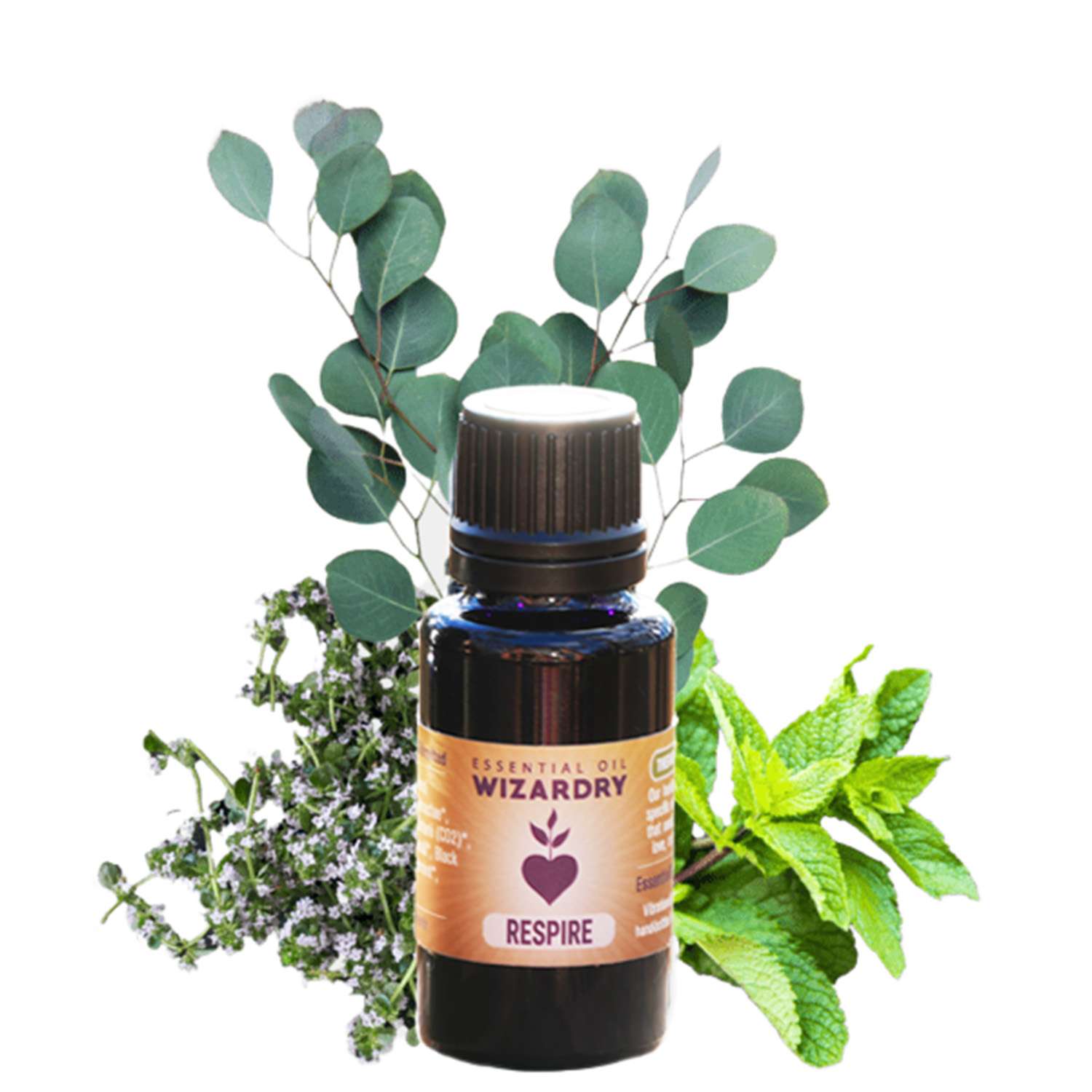
Respire
Price range: $20.00 through $40.00 -
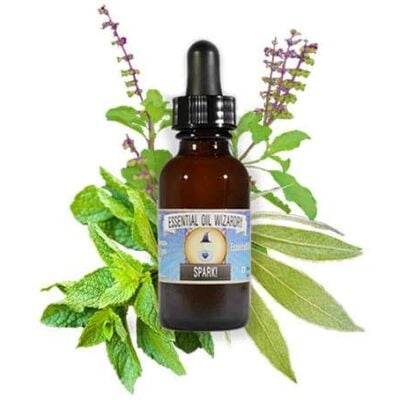
Spark!
Price range: $25.00 through $40.00 -

Ravintsara (Ho Leaf)
$33.00 -
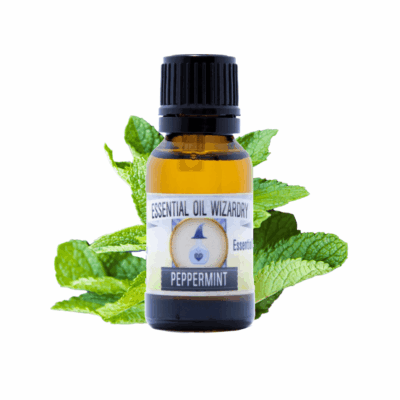
Peppermint
$20.00
CHECK OUT OUR BLOG

Natural Male Enhancement Tinctures: Tongkat Ali, Epimedium, And Kakanga Compared
A guide to natural male enhancement tinctures, comparing tongkat ali, epimedium, and kakanga root benefits, with insight from Essential Oil Wizardry.

Kanna Tincture vs. Kanna Resin: Which Format Is Right For You?
A guide to kanna tincture vs kanna resin, covering effects, dosing, and how to choose the best kanna format for your practice, from Essential Oil Wizardry.

Rose Absolute vs. Rose Otto: Bulgarian Rose And Rose Bourbon Absolute Compared
A guide to rose absolute, comparing Bulgarian rose absolute and rose bourbon absolute for perfume and ritual use — plus how rose otto (a steam-distilled essential oil) differs — with insight from Essential Oil Wizardry.
What Essential Oils For Sinus Congestion Are Commonly Used?
Shallow, tight breathing can shift our experience in subtle ways, making the body feel tense or the mind distracted. When breath moves freely, there is a sense of openness. Working with a respiratory essential oil blend that may support breathing can help anchor us back into that normal rhythm.
If you’ve been researching essential oils for congestion, you’ve probably already spotted eucalyptus and peppermint at the top of most lists. Both carry specific aromatic compounds that interact with sensory receptors in the nasal passages, creating a perception of freshness. While neither one functions as a pharmaceutical decongestant, what they do offer is an immersive aromatic experience that can help make breathing feel more expansive while the body does its own work.
Beyond eucalyptus and peppermint, other botanicals that appear frequently in respiratory blends include warming rosemary oils, forest-fresh pine and fir needle oils, sharp tea tree oil, and calming lavender or lavandin oils. A layered blend combining several of these often develops a more complete aromatic environment than any single oil alone.
Does Eucalyptus Essential Oil Help With Congestion?
Eucalyptus is a plant many people picture when they imagine respiratory aromatherapy, and it earns its reputation through its unmistakably sharp scent. Eucalyptus’s primary aromatic constituent, 1,8-cineole, also known as eucalyptol, has been studied for its effects on the mucus and airways. Research suggests it may help support mucociliary clearance, the mechanism by which the airways move mucus, and has demonstrated anti-inflammatory activity in airway tissue in preclinical models (Juergens, 2014).
To answer the question directly, eucalyptus essential oil doesn’t directly impact swollen nasal tissue the way an antihistamine or nasal spray might. Instead, it can help create a refreshing sensory experience of openness that makes breathing feel clearer. For many people dealing with seasonal congestion, that shift is exactly what they need.
How To Work With Eucalyptus For Sinus Support
When congestion builds, working with eucalyptus is often about engaging the breath in simple, immediate ways. Its crisp aroma makes it especially well-suited for practices that bring attention back to inhalation and exhalation.
- Palm Inhalation: The most direct and effective method for sinus congestion. Try putting a few drops in your hands and taking deep inhalations.
- Shower Ritual: Placing a few drops of eucalyptus on your shower floor can infuse the scent into the rising steam. This makes it a practical and easy daily ritual during congested periods.
- Diffusion: Running eucalyptus in a diffuser livens up the air in a room and creates a sustained aromatic environment. Use short sessions (20–30 minutes) rather than running continuously, which might dull the response over time.
At Essential Oil Wizardry, our Eucalyptus Oil is sourced from carefully cultivated trees and crafted in small batches to preserve the vibrant character that defines eucalyptus. Organically sourced and vibrationally enhanced, it’s one of our most versatile single oils.
Eucalyptus Varieties: Why Species Plays A Part
Eucalyptus is not one plant. It’s a genus of hundreds of species, several of which produce distinctly different essential oils with meaningful distinctions in aromatic character. Most people are familiar with Eucalyptus globulus, the bold variety most commonly used for respiratory purposes. But other species offer their own qualities worth learning about.
Eucalyptus radiata tends to have a sweeter, fruitier, more rounded fragrance. It may be perceived as gentler on sensitive airways and more pleasant for prolonged diffusion. Meanwhile, Eucalyptus citriodora (also called lemon eucalyptus) carries a distinctly citrusy character and is notable as one of the active ingredients in some plant-based insect repellent formulas.
For those who want to dive deeper into this botanical family, our Eucalyptus Essential Oil Set offers a curated collection of six eucalyptus varieties that highlight the diversity within this remarkable genus. Experiencing them side by side deepens the sensory education and helps you identify which aromatic profile best matches your body’s needs in any given moment.
Peppermint As An Essential Oil For Nasal Congestion
Where eucalyptus penetrates and clears, peppermint cools. Its high menthol content creates a cooling sensation in the nasal passages that many people find immediately soothing during sinus pressure. It’s often described as a feeling of lighter, more open airflow even when physical congestion remains.
Peppermint is also particularly useful when congestion comes alongside fatigue or mental fog. Its awakening aromatic quality helps counter the heavy, tired feeling that often accompanies a congested head, making it a daytime companion that eucalyptus, which can feel quite intense, sometimes isn’t. Here’s how you can use peppermint for sinus and nasal congestion:
- Direct Inhalation: Place one drop on a tissue or cotton pad and inhale slowly through the nose. This is fast, portable, and requires no preparation, ideal for random moments of sinus pressure during the day.
- Personal Inhaler: A small aromatherapy inhaler loaded with a few drops of peppermint (or a peppermint-eucalyptus blend) fits in a pocket and gives you on-demand aromatic support anywhere.
- Diffusion With Eucalyptus: Combining 2 drops of peppermint and 3 drops of eucalyptus in a diffuser creates a balanced mix. The eucalyptus provides layered depth, while the peppermint adds a brighter note that keeps the blend from feeling overly medicinal.
- Temple Application: Diluted in carrier oil, a small amount of peppermint applied to the temples can help tone down the headache that often accompanies sinus pressure. Avoid the eye area, because menthol can cause significant irritation.
Our Peppermint Oil is organically sourced from India and South Africa, steam distilled, and rich in menthol. It’s a fan favorite for a reason, moving between digestive support, headache relief, respiratory care, and everyday invigoration with equal ease. A little goes a long way; start conservatively and adjust to your preference.
Natural Ways To Help Congestion: Building An Aromatic Practice
The most effective use of essential oils for congestion is to create a consistent practice that layers aromatic support into your day, particularly during seasons when respiratory discomfort tends to increase.
Where Essential Oils Can Fit Into Your Day
Essential oils can be woven into your day in small, intentional ways that support the rhythm of breath from morning through evening. Rather than relying on a single moment, spacing these practices out can help create a more consistent sense of ease.
- Morning: In the morning, try a steam inhalation with eucalyptus before or during your shower. Spending 5–10 minutes breathing slowly with the aromatic steam can help set a clearer tone for the day, especially right after waking, when congestion often feels most noticeable.
- Afternoon: Midday, you can reach for a quick peppermint inhalation using a cotton pad or a personal inhaler when your sinuses feel heavy again. Paired with a glass of water and a short break from screens, this can act as a simple reset for both breath and focus.
- Evening: At night, consider diffusing a gentle blend of eucalyptus and lavender in your bedroom 30–60 minutes before sleep. Lavender brings a dreamy, tranquil quality, while eucalyptus helps maintain a fresh atmosphere, enveloping you in soothing aromas that encourage you to wind down.
We recommend viewing our collection of essential oils for breathing to bring awareness back to the breath. Rather than forcing change, these oils invite attention, ritual, and a slower return to the moment.
Natural Medicine For Congestion: What Aromatics Can And Can’t Do
It’s worth being clear about the scope. Essential oils are part of what many people consider natural medicine for congestion, but their role is supportive, not medical. They can help create an environment conducive to rest and recovery and support the body’s processes through aromatic stimulation. They don’t treat infections or replace appropriate medical care when symptoms are severe, prolonged, or accompanied by significant pain or other concerning signs. The body heals with time; essential oils help create conditions in which that healing feels more bearable. For a broader seasonal toolkit, especially for the colder months, ourwinter wellness essential oils guide is a valuable companion read.
Frequently Asked Questions About Essential Oils For Congestion
What is the best essential oil for congestion?
Eucalyptus and peppermint are the most widely used and consistently effective options. Eucalyptus offers deeper, more penetrating aromatic support; peppermint adds a lighter cooling freshness. Some people find the combination more satisfying than either alone.
Does eucalyptus essential oil help with congestion?
Yes, not by physically decongesting the sinuses the way medication might, but by creating a sensory experience of freshness and openness that makes breathing feel more comfortable.
What essential oils for sinus congestion work best when used together?
Eucalyptus and peppermint are the classic pairing. Adding rosemary or pine brings additional crispness, but you could use lavender instead to soften the blend for evening use. Build based on what your body responds to most. Try our Trinity blend for rosemary, peppermint & lavender.
Can essential oils for congestion be used in a humidifier?
Most essential oil manufacturers advise against adding essential oils directly to humidifier water tanks, as the oils can damage internal components over time. Use a dedicated diffuser instead. A few drops on a tissue placed near a humidifier is another alternative if needed.
Are there essential oils for congestion that are safe to use before sleep?
Of course. A gentle eucalyptus and lavender diffuser blend 30–60 minutes before bed works well. Avoid high concentrations of peppermint at bedtime; its stimulating quality might interfere with sleep onset for some people.
How often can I use essential oils for congestion?
Use them as needed throughout the day, but with moderation. Steam inhalation once or twice daily is typically sufficient. Continuous diffusion for hours at a time may potentially dull the sensory response and might cause mild irritation in some individuals. Short, intentional sessions tend to be more effective than ambient all-day exposure.
What is the difference between eucalyptus and peppermint oils for congestion?
Eucalyptus often carries a sharper aroma, while peppermint tends to feel cooler and lighter. Both oils are commonly used for respiratory aromatherapy, but individuals may prefer one scent over the other.
How should essential oils for congestion be diluted before applying them topically?
Essential oils should be mixed with a carrier oil such as jojoba, coconut, or almond oil before topical use. Dilution helps protect the skin and allows the aroma to spread more evenly during massage or application.
How can someone choose high quality essential oils for congestion support?
Look for oils sourced from reputable growers and distilled with care. Transparency about sourcing, small batch production, and proper storage methods often indicate a brand that values plant integrity and product quality.
DISCLAIMER:
The information provided is intended for educational and informational purposes only and reflects historical, cultural, and experiential perspectives. It is not intended to diagnose, treat, cure, or prevent any disease, nor should it be interpreted as medical, legal, or professional advice. Individual experiences may vary. Always use personal discernment and consult a qualified professional when appropriate.
Sources:
- Juergens, U. R. (2014). Anti-inflammatory properties of the monoterpene 1,8-cineole: Current evidence for co-medication in inflammatory airway diseases. Drug Research, 64(12), 638–646. https://doi.org/10.1055/s-0034-1372609