


Sleep can’t be forced. It arrives when the body feels safe enough to soften, and the mind releases its grip on the day. For many people, the challenge isn’t exhaustion. It’s overstimulation. Thoughts linger, and screens might glow late into the evening, interrupting your need for relaxation long after the sun has set.
-

Wild Lettuce Resin
Price range: $45.00 through $555.00 -
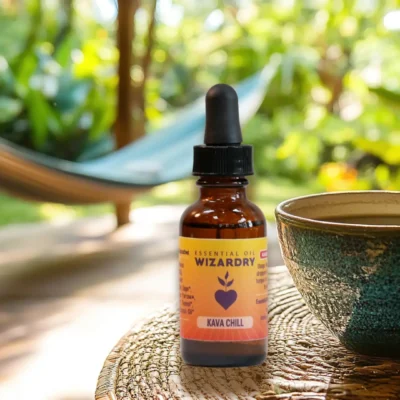
Kava Chill
Price range: $33.00 through $99.00 -

Roman Chamomile
Price range: $45.00 through $85.00 -
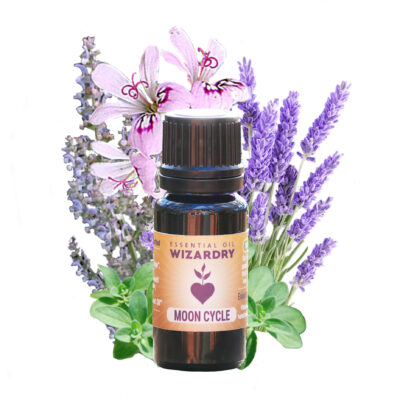
Moon Cycle
Price range: $25.00 through $55.00 -
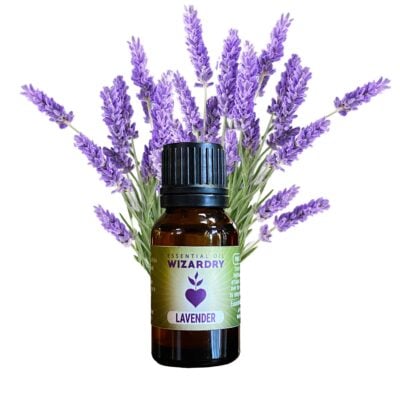
Lavender
Price range: $20.00 through $45.00 -

Ultra-Calm Tincture
Price range: $25.00 through $44.00 -

Ultrasonic Lemon Balm Tincture (Melissa Tincture)
Price range: $25.00 through $44.00 -
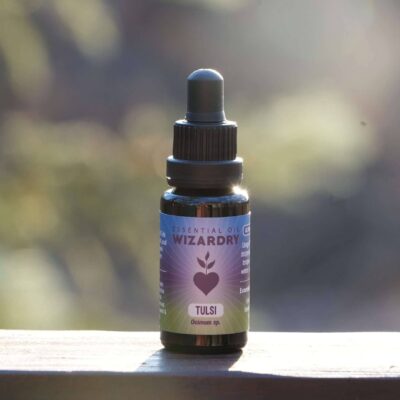
Ultrasonic Tulsi Tincture
Price range: $25.00 through $44.00
CHECK OUT OUR BLOG

Natural Male Enhancement Tinctures: Tongkat Ali, Epimedium, And Kakanga Compared
A guide to natural male enhancement tinctures, comparing tongkat ali, epimedium, and kakanga root benefits, with insight from Essential Oil Wizardry.

Kanna Tincture vs. Kanna Resin: Which Format Is Right For You?
A guide to kanna tincture vs kanna resin, covering effects, dosing, and how to choose the best kanna format for your practice, from Essential Oil Wizardry.

Rose Absolute vs. Rose Otto: Bulgarian Rose And Rose Bourbon Absolute Compared
A guide to rose absolute, comparing Bulgarian rose absolute and rose bourbon absolute for perfume and ritual use — plus how rose otto (a steam-distilled essential oil) differs — with insight from Essential Oil Wizardry.
How Scent Shapes The Conditions For Sleep
Sleep is the outcome of a gradual shift that begins well before bedtime. Light fades, conversations slow, and the body begins preparing for stillness. The environment plays a significant role in that transition, and scent is one of its most underestimated dimensions.
Aroma is uniquely powerful because it bypasses analytical thinking and connects directly with areas of the brain involved in emotion and memory. When aromatic molecules are inhaled, they travel through the nasal passages to the olfactory bulb, which communicates with brain regions involved in mood. Because of this pathway, scent can often influence how we feel more quickly than almost any other sensory input.
Studies examining lavender, chamomile, and bergamot have suggested supportive effects on perceived stress and sleep quality in some individuals. These findings don’t indicate sedation in a pharmaceutical sense. Rather, they reflect subtle shifts in tone that may support relaxation when combined with thoughtful sleep hygiene. Over time, consistent use of essential oils for sleep can condition the mind to associate a specific aroma with rest. The repeated act of diffusing the same blend each evening builds a sensory cue. Eventually, the scent itself becomes a signal that the day is complete.
Oil Blends For Sleep: Botanical Allies For Evening Rituals
Certain plants have long been associated with rest and the quieting of the mind. The best essential oils for sleep are those that gently encourage the body to wind down without overwhelming the senses. Their purpose is to help create an atmosphere where sleep feels more accessible.
Lavender: The Foundational Nighttime Oil
Lavender is often the first oil people reach for in the evening. Its floral, balanced aroma is widely associated with tranquility and familiarity, and it’s among the most studied botanicals in sleep-related aromatherapy research. In nighttime essential oil blends, lavender functions as a middle note that harmonizes brighter top notes and deeper base notes. It’s the calming core that holds a blend together without dominating it.
Our Lavender Essential Oil is sourced organically, crafted in small batches, and vibrationally enhanced to preserve its aromatic clarity and loveliness. It’s a foundational evening oil that rewards simple, consistent use. For a deeper look at what lavender may offer, visit our guide on the benefits of lavender essential oil.
Roman Chamomile: For Evenings That Call for Gentle Stillness
Roman chamomile carries a herbaceous and dreamy aroma that feels steady and grounding. It’s often selected for evenings when the restlessness is emotional rather than physical, when the mind is processing something the body hasn’t quite let go of yet. Used sparingly in oil blends for sleep, it adds a soothing, anchoring quality that helps heavier emotions settle. It layers beautifully with lavender and rounds out blends that might otherwise feel too light or too sharp.
Our Roman Chamomile Essential Oil has a bright and cheery feel that invites you to return to a state of harmony. It’s organically cultivated, steam distilled, and treated with respect, because quality matters especially in oils meant to accompany your most vulnerable hours.
Bergamot: A Subtle Whisper Of Joy
Bergamot is a regal citrus oil with an inspiring aromatic profile well-suited to help melt away everyday stress. Its crispness lifts heavier aromas in a blend without tipping into the stimulating territory that many citrus oils occupy. In nighttime essential oil blends, bergamot functions as a gentle top note: the opening impression that makes a blend feel fresh and balanced rather than dense or medicinal. It keeps oil blends for sleep from feeling heavy while still contributing to the overall tone of calm. Our Bergamot Essential Oil is sourced with the same commitment to organic, unsprayed plant material that guides every Essential Oil Wizardry offering.
How To Build A Routine Around Nighttime Essential Oil Blends
Single oils can be effective, but blends often create a more layered and lasting aromatic experience. A well-balanced nighttime blend supports a gradual transition from alertness to stillness, evolving gently as it diffuses. Some popular EOW blends for relaxation and nighttime include Moon Cycle, Violet Chill, Nurture & Kava Chill.
Aromatic Layering: Top, Middle, And Base
Oil blends for sleep are typically built around aromatic layers. Top notes provide the initial impression, middle notes form the heart of the blend, and base notes offer grounding depth that helps the aroma last. This structure allows the blend to unfold gradually rather than fade too quickly, helping you avoid the scent fatigue that might come from single-note diffusion.
Here’s a simple example: bergamot opens with gentle brightness, lavender forms a calming floral center, and chamomile or a wood oil (cedarwood, vetiver, sandalwood) anchors the base. Together, these create a composition that feels complete and settled rather than one-dimensional. Layering also gives your blend more longevity in the room. The top notes may shift after the first hour, but the heart and base hold, keeping the atmosphere light without demanding your attention.
A Pleasant Deep Sleep Diffuser Blend To Start With
A diffuser sleep blend should feel steady and undemanding. As a starter blend, we recommend combining 3 drops of our Lavender Essential Oil with two drops of our Bergamot Essential Oil, and then rounding out the mixture with our Roman Chamomile Essential Oil. Remember, this is a starting point for your own experimentation. Please feel free to adjust based on room size, your diffuser’s guidelines, and personal sensitivity.
You can always start with fewer drops than you think you need. A diffuser sleep blend should enhance the room, not dominate it. If the scent feels heavy, reduce the drops rather than increasing ventilation. Additionally, consistency matters far more than intensity. Using the same blend each evening builds the sensory association between aroma and rest, and that response helps to amplify the benefit.
Using Essential Oils For Insomnia: Setting Honest Expectations
The phrase essential oil for insomnia is one of the most searched phrases when it comes to plant-based wellness, and it deserves an honest answer. Insomnia can stem from many causes: stress, irregular schedules, environmental disruption, late-night scrolling and blue light or underlying health concerns. Essential oils are not medical treatments, and they are not substitutes for professional care when chronic or clinical sleep issues are present.
Supporting, Not Inducing, Rest
What they can do is support the transition. By influencing perceived stress levels, certain aromas may help create conditions that feel more conducive to rest. This is meaningfully different from inducing sleep. The body still follows its own internal rhythms, and essential oils work with those rhythms, not over them. If sleep disruption is persistent or significantly affecting your quality of life, please consult a qualified professional.
Occasional Sleeplessness And The Role Of Aroma
For occasional sleeplessness tied to emotional carryover from the day, nighttime essential oil blends can serve as a transitional cue within a broader wind-down practice. Dim lighting, minimal screen exposure, consistent sleep times, and a comfortable room temperature all contribute. Aroma is most effective as one layer of this environment. It’s not the whole answer, but a meaningful part of it. For more on using botanicals to support a calmer body and mind, our guide on essential oils for calming and stress relief offers a helpful companion perspective.
We also have a collection of Ultrasonic Tinctures which are helpful for reducing stress and supporting restfulness, including Ashwagandha, Lemon Balm (Melissa), Tulsi, Skullcap, and our synergy tincture Ultra-Calm.
Extending Nighttime Ritual: From Sleep To Stillness
Some evenings call for more than just diffusing a blend and getting into bed. The hours before sleep can be an opportunity for deeper intentional practice, such as breathwork, journaling, meditation, or simply sitting in silence with a scent that grounds you in the present.
Essential oils used in this context shift from functional tools to ritual anchors. The same oils that support sleep can support a meditation practice, a gratitude ritual, or a few minutes of conscious breathing before the day closes. If you’re trying to learn how to deepen your evening practice in this direction, our guide on essential oils for meditation is worth reading.
Choosing The Best Essential Oil Diffuser For Sleep
The best essential oil diffuser for sleep is one that operates quietly, disperses aroma gently, and doesn’t require attention once the lights go out. The goal is to create a calm atmosphere that supports rest without filling the room with an overwhelming scent.
Ultrasonic Diffusers For A Gentle Mist
Ultrasonic diffusers are one of the most common options for bedrooms. These devices use water and ultrasonic vibration to produce a fine mist, allowing aroma to disperse gradually and softly through the space. Because the scent remains light and diffused, they’re great for smaller rooms and nighttime use.
Nebulizing Diffusers For Pure Oil Diffusion
Nebulizing diffusers, Dr. Nick’s personal preference, operate without water or heat, dispersing pure essential oil directly into the air. This method can fill a room more fully while preserving the natural aromatic profile of the oil without dilution. For bedroom settings, many people find that running the diffuser for a short period before sleep is sufficient to set the tone for the evening.
Practical Diffusion Guidelines For Sleep
A few simple practices can help create a comfortable aromatic environment at night. For most bedrooms, starting with around three to six drops of essential oil is often enough. Intermittent diffusion settings, such as thirty minutes on followed by thirty minutes off, are typically sufficient for maintaining a gentle presence of scent. Continuous diffusion throughout the night is rarely necessary and may gradually dull the sensory experience over time. If the aroma feels heavy or sharp, lowering the number of drops is usually the easiest adjustment.
Creating A Peaceful Atmosphere
Ultimately, the goal of nighttime diffusion is atmosphere rather than saturation. A light aromatic presence can help signal the transition into rest without overwhelming the senses, allowing the space to feel calm, supportive, and restorative.
Frequently Asked Questions About Essential Oils For Sleep
How often should I rotate nighttime essential oil blends?
Rotating every few weeks might help prevent scent fatigue. That said, many people find that using the same blend consistently is more effective, since the repeated association between that specific scent and sleep deepens over time.
Is a deep sleep diffuser blend safe to use every night?
When used in moderate amounts and diffused according to your diffuser’s guidelines, yes. Intermittent diffusion for 30–60 minutes before sleep is usually sufficient.
What's the difference between a diffuser blend and a topical sleep blend?
A diffuser sleep blend is inhaled through ambient air and shapes the atmosphere of the room. A topical blend is diluted in a carrier oil and applied directly to the skin at pulse points, the bottoms of the feet, or the back of the neck. Both can be part of an evening ritual; they simply offer different kinds of aromatic presence.
Can essential oils replace sleep medications?
No. Essential oils are not medical treatments and should never replace prescribed medications without guidance from a qualified healthcare provider. They’re best understood as environmental support within a broader sleep hygiene practice.
Are nighttime essential oil blends safe during pregnancy?
Some essential oils are not recommended during pregnancy. Always consult a qualified professional before introducing new oils into your routine during this time.
How long before I notice any difference when trying essential oils for sleep?
DISCLAIMER:
The information provided is intended for educational and informational purposes only and reflects historical, cultural, and experiential perspectives. It is not intended to diagnose, treat, cure, or prevent any disease, nor should it be interpreted as medical, legal, or professional advice. Individual experiences may vary. Always use personal discernment and consult a qualified professional when appropriate.