


Some plants carry a weight that goes beyond their chemistry. Palo santo is one of them. For centuries, this resinous wood from the dry forests of South America has been burned, carved, and worked into ritual by healers, shamans, and communities who recognized that certain botanicals hold something more than just aroma. Today, this essential oil carries that same presence in a distilled, concentrated form that travels far more easily than a bundle of wood.
-
Australian Sandalwood
Price range: $55.00 through $144.00 -
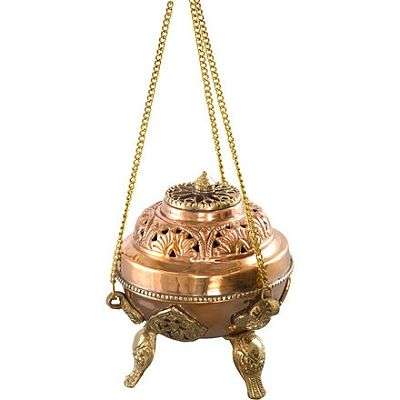
Frank, Myrrh & Gold
Price range: $33.00 through $111.00 -

Light Warrior
Price range: $33.00 through $77.00 -
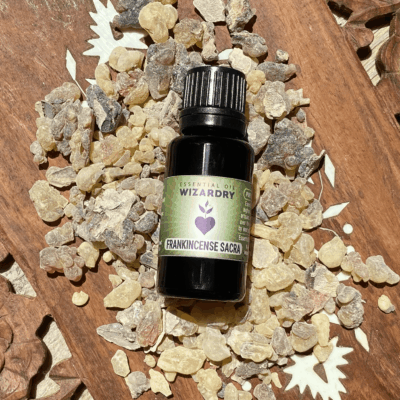
Frankincense Sacra (Royal Frankincense)
Price range: $33.00 through $77.00 -
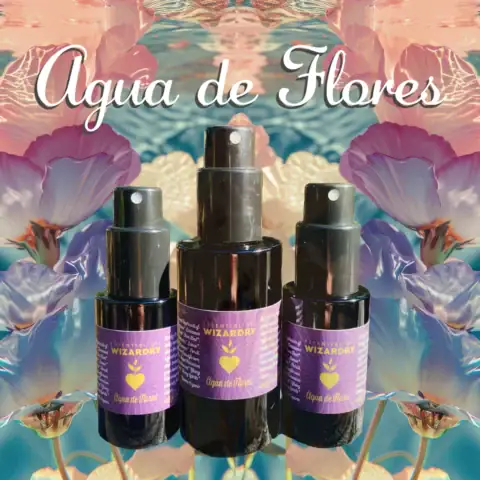
Agua De Flores (Florida Water)
Price range: $33.00 through $65.00 -
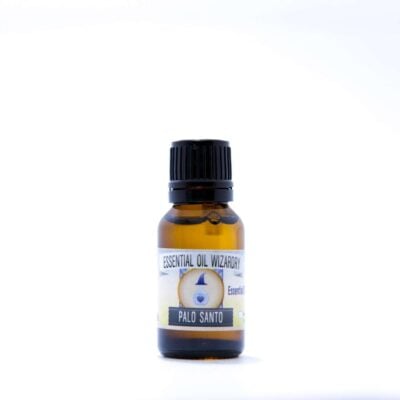
Palo Santo
Price range: $25.00 through $65.00 -
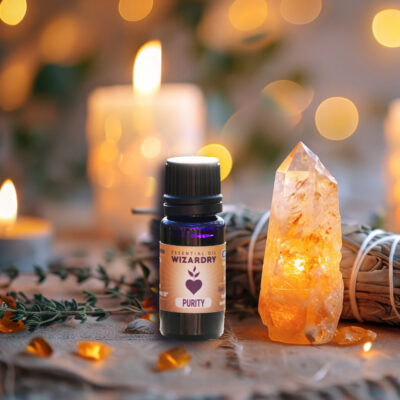
Purity
Price range: $25.00 through $55.00 -
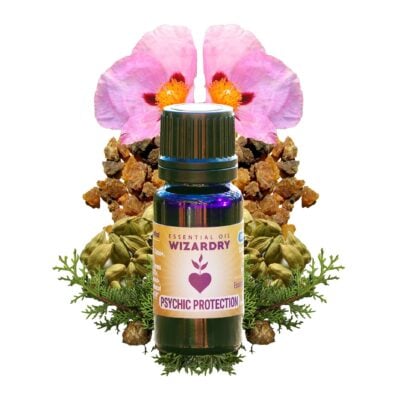
Psychic Protection
Price range: $25.00 through $55.00
CHECK OUT OUR BLOG
Natural Male Enhancement Tinctures: Tongkat Ali, Epimedium, And Kakanga Compared
A guide to natural male enhancement tinctures, comparing tongkat ali, epimedium, and kakanga root benefits, with insight from Essential Oil Wizardry.
Kanna Tincture vs. Kanna Resin: Which Format Is Right For You?
A guide to kanna tincture vs kanna resin, covering effects, dosing, and how to choose the best kanna format for your practice, from Essential Oil Wizardry.
Rose Absolute vs. Rose Otto: Bulgarian Rose And Rose Bourbon Absolute Compared
A guide to rose absolute, comparing Bulgarian rose absolute and rose bourbon absolute for perfume and ritual use — plus how rose otto (a steam-distilled essential oil) differs — with insight from Essential Oil Wizardry.
What Is Palo Santo? The Tree Behind The Oil
Palo Santo, which translates from Spanish as “holy wood,” is a wild tree native to the tropical dry forests of South America, particularly Ecuador and Peru. Its scientific name is Bursera graveolens, and it belongs to the same plant family as frankincense and myrrh. That lineage matters for fragrance. Like its resinous relatives, Palo Santo develops its most complex chemistry over time, after the tree has lived and died naturally.
A Tree That Ripens After Death
The tree must fall on its own and rest on the forest floor for several years before its resin fully matures and its aromatic compounds reach their peak. Harvesting living trees, or trees that have not been given sufficient time to rest, produces oil that lacks the depth and complexity that makes Palo Santo so distinctive. This is why responsible sourcing tends to be the decisive factor between a highly resonant oil and one that falls a bit short.
The aroma of a properly sourced Palo Santo oil is layered and alive, with a unique, balsamic-forward, sweet-licorice aroma and a touch of citrus-mint undertones. It’s an ethereal scent that feels simultaneously ancient and clarifying, grounding and expansive. Many people describe their first encounter with Palo Santo oil as an innate recognition, as though the body already knew this plant before the mind caught up.
Palo Santo Benefits Rooted In Tradition
The traditional uses of Palo Santo span physical, emotional, and spiritual dimensions of life. In South American ceremonial practice, it has long been used to clear energetic heaviness from a space, invite focused awareness during ritual, and support the body during periods of physical challenge. Its smoke was used by indigenous healers as part of broader plant medicine ceremonies, and its resin was applied topically and aromatically in various healing contexts.
Research has begun to catch up with tradition. Limonene, the primary constituent of Palo Santo oil, has been studied for its calming properties. Preclinical research suggests it may reduce anxiety-like behavior through dopaminergic and GABAergic pathways in the brain (Song et al., 2021). While aromatic use differs from the research contexts, this line of inquiry gives a contemporary lens to what traditional practitioners have long observed about this plant.
Our Palo Santo Oil
Our Palo Santo Oil is steam distilled from naturally fallen, ethically wildcrafted Bursera graveolens wood sourced from Ecuador. The oil is rich in limonene and carries the full aromatic complexity that only properly aged, responsibly harvested wood can produce. It is vibrationally enhanced and prepared in small batches to honor the depth of this plant’s tradition. If you’d like to learn more about Essential Oil Wizardry and our methods, this page explains who we are and the sourcing philosophy behind every oil we offer.
Palo Santo Uses: Bringing Sacred Wood Into Modern Practice
One of the reasons Palo Santo has moved so fluidly from ancient ceremonial contexts into modern wellness culture is that its applications translate beautifully. The same qualities that made it valuable in ritual, namely its clarifying aroma, its grounding presence, and its ability to shift the atmosphere of a space, are just as relevant in a home diffuser or a meditation practice.
Ritual Clearing And Space Preparation
The most traditional Palo Santo use is space clearing, and the essential oil performs this function just as meaningfully as the smoke. Diffusing a few drops of Palo Santo before yoga, journaling, or any intentional practice signals a kind of transition to the body. The aroma becomes a cue, a threshold between ordinary time and sacred time. Over repeated use, the scent itself begins to carry the feeling of the practice.
To use Palo Santo for space clearing aromatically, add 4 to 6 drops to a diffuser and run it for 20 to 30 minutes before your practice begins. The pure oil can also be applied and dried to your favorite incense product for another layer of spiritual protection and a dreamy, woody aromascape. Our guide on how to use essential oils covers the full range of application methods for anyone who is new to working with concentrated plant extracts.
Topical Use
If you prefer direct applications, you may carefully apply Palo Santo neat or in a 1:1 carrier oil over the third eye or heart to ground your body. We recommend taking several slow, deep inhalations before settling into stillness. Its aroma is warm enough to feel like a second skin, and it lingers in a way that many synthetic fragrances struggle to replicate. A 2 to 3% dilution in jojoba or fractionated coconut oil is a good starting point for most adults.
Palo Santo Wood Essential Oil And Its Ceremonial Companions
Palo Santo rarely travels alone in ceremonial practice. It has natural aromatic and spiritual companions that have been used alongside it across traditions, and working with these oils together creates a richer experience than any single oil alone.
Frankincense And Myrrh: Ancient Allies
Frankincense and myrrh share Palo Santo’s botanical lineage and its deep ceremonial history. All three are resinous plants whose aromatic compounds develop slowly and express themselves with a depth that lighter, more volatile oils cannot match. Blending Palo Santo with frankincense deepens the meditative quality of a space blend, adding a sacred, ceremonial gravity to the warmth of the wood. Myrrh brings a darker, earthier dimension that grounds the blend further and adds complexity.
Our Frankincense Sacra Essential Oil is hydrodistilled from wildcrafted Boswellia sacra, a type of Royal Frankincense extracted from Hojari resins from the Dhofar region in Oman. It is often regarded as one of the most prized frankincense varieties in the world, and it produces a superior extract. Meanwhile, our Frank, Myrrh & Gold divining agent consciously brings together these three sacred treasures to amplify intentions and the vibrations of each of the other extracts. Deep, earthy tones are uplifted by the brightness of frankincense with added smokiness from the gold, creating multidimensional aromatic hues. It’s already balanced and ready to layer with Palo Santo in a diffuser or topical blends.
A great pre-formulated Essential Oil Wizardry blend for purification of a space is Purity, which combines Myrrh, Palo Santo & White Sage to cleanse the energetics of an environment.
Sandalwood: Grounding The Sacred
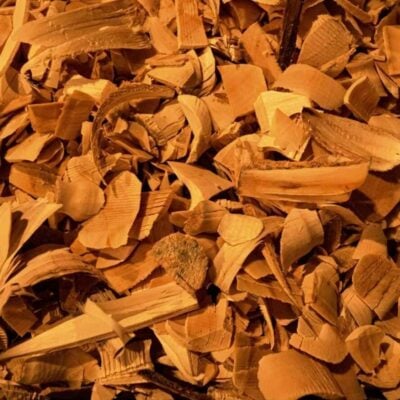
Australian sandalwood is another wonderful companion to Palo Santo. Where Palo Santo opens and clarifies, sandalwood anchors and deepens. Its smooth, creamy, and fresh aroma forms a beautiful base note that extends the life of a blend and gives it staying power, displaying great tenacity as a blending oil. Our Australian Sandalwood is sustainably sourced from the heartwood of the plant and steam distilled, carrying the same commitment to ethical plant relationships that defines everything in our collection.
For a simple ceremonial blend, add 3 drops of Palo Santo, 2 drops of frankincense, and 1 drop of sandalwood to a diffuser to create a space that feels focused and expansive. It’s one of our favorite combinations for deep meditation or evening reflection. If you’re curious about bringing these same intentions into shared spaces and social rituals, our piece on sustainable partying looks into how plant medicine and conscious community can go hand in hand.
Protection, Light, And Psychic Space: The Ritual Oil Collection
Palo santo’s ceremonial role has always extended beyond simple aromatics into the realm of energetic and spiritual practice. For those who work with plant medicine, prayer, or intentional ritual, the oils we carry alongside Palo Santo were created with that same depth of intention.
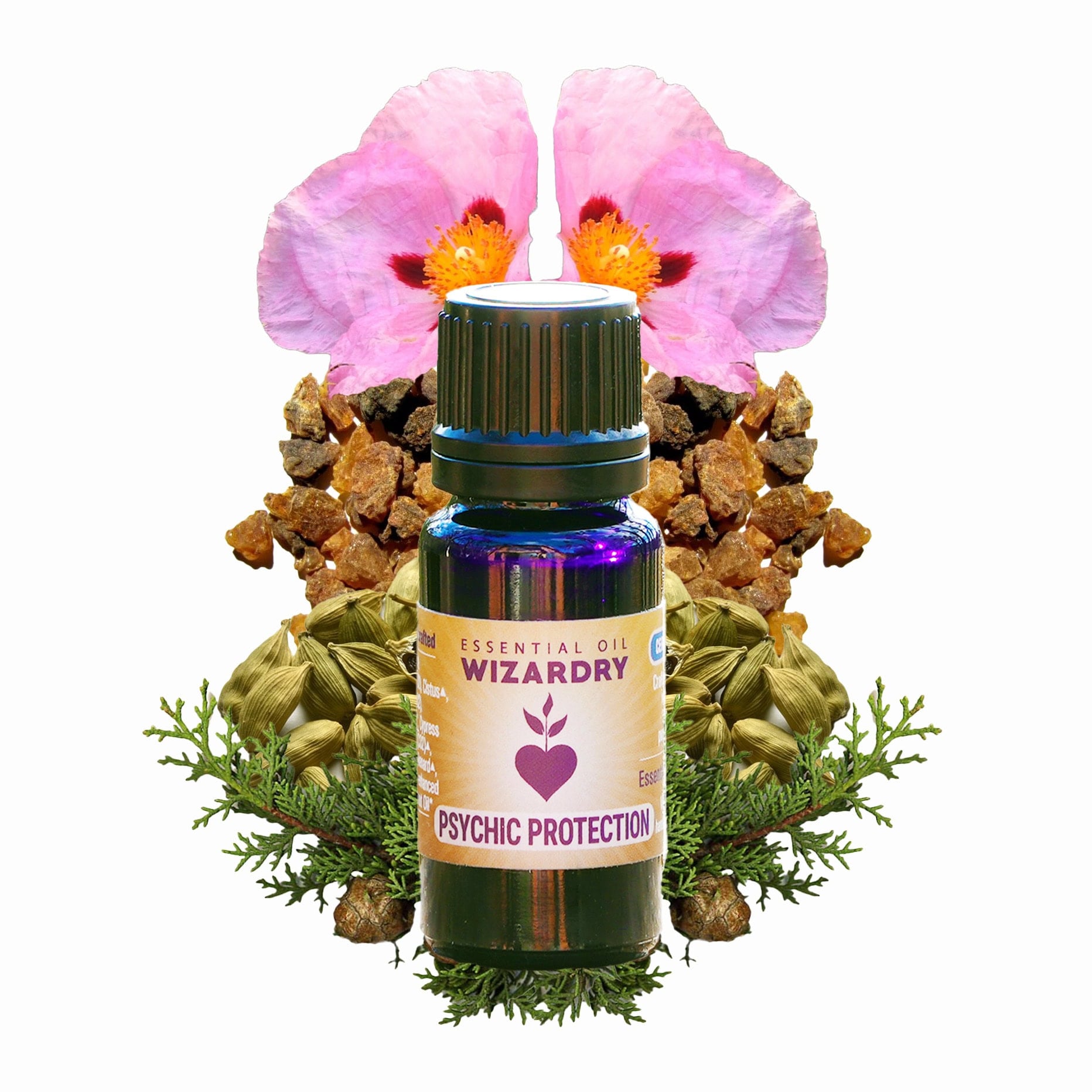
Our Psychic Protection blend was formulated for those who move through energetically sensitive or demanding environments and want aromatic support that feels aligned with that kind of work. It brings together botanicals with long histories in protective and clarifying ceremonial use, formulated with our signature vibrational enhancement and small-batch care.
In contrast, our Light Warrior Oil was created for moments that call for courage, clarity, and centered presence. Its aromatic profile is bright yet grounding, a combination that supports focused intentionality without agitation. Both oils sit naturally alongside Palo Santo in a ritual toolkit and are part of our broader Ceremonial Oils Collection, which brings together everything we have created with sacred practice in mind.
Frequently Asked Questions About Palo Santo Essential Oil Benefits
What is Palo Santo, and where does it come from?
Palo Santo is a wild tree native to the dry tropical forests of South America, particularly Ecuador and Peru. Its name means “holy wood” in Spanish, and it has been used in indigenous ceremonial practice for centuries. The essential oil is often steam distilled from the wood of fallen trees after a period of natural aging on the forest floor.
What are the main Palo Santo benefits?
Palo santo is most widely known for its clarifying and grounding aromatic qualities. It has been used traditionally to clear heavy energy from a space, support focused awareness during meditation or ritual, and create an atmosphere of calm presence.
How is Palo Santo essential oil different from burning Palo Santo sticks?
Both come from the same tree, but the essential oil offers a smokeless, more concentrated aromatic experience. The oil is better suited for diffusion, topical use, and blending, while sticks are more traditional for space-clearing smoke rituals. Many practitioners keep both on hand and choose based on context and preference.
What does Palo Santo essential oil smell like?
Genuine Palo Santo oil has a warm, woody, slightly sweet base with subtle citrus and mint top notes. It is more complex and layered than many single-note woods, with a sweet-licorice resinous depth that develops over time on the skin or in a space.
How do I use Palo Santo oil for meditation?
Diffuse 4 to 6 drops for 20 to 30 minutes before or during your practice, or apply a drop diluted in carrier oil to the third eye or pulse points before sitting. Some practitioners add a drop to their palms, rub together, and take several slow inhalations as a way of marking the beginning of their practice.
Is Palo Santo sustainably sourced?
Sustainability is central to how we source Palo Santo at Essential Oil Wizardry. Our oil comes from naturally fallen trees that have been given sufficient time to rest and fully develop their resin. We also work with ethical wildcrafters who uphold the harvesting traditions that have protected this tree for generations.
Can Palo Santo essential oil be used on the skin?
Yes, with proper dilution. A 2 to 3% dilution in a carrier oil like jojoba or fractionated coconut oil is appropriate for most adults. Always patch-test before broader application, and avoid use on broken or sensitive skin.
What oils blend well with Palo Santo?
Palo santo is most at home with other resins and woods. Frankincense, myrrh, sandalwood, cedarwood, and vetiver are great companions. For a brighter blend, a small amount of citrus oil, such as lemon or orange, lifts the resinous base without overpowering it.
How long does Palo Santo essential oil last?
Stored properly in a cool, dark place with the cap sealed tightly, Palo Santo oil is best used within 2 to 5 years. Resinous oils like Palo Santo tend to be among the more stable essential oils and generally age gracefully compared to lighter, more volatile oils.
DISCLAIMER:
The information provided is intended for educational and informational purposes only and reflects historical, cultural, and experiential perspectives. It is not intended to diagnose, treat, cure, or prevent any disease, nor should it be interpreted as medical, legal, or professional advice. Individual experiences may vary. Always use personal discernment and consult a qualified professional when appropriate.