


Some plants carry an entire culture in a single cup. Kava tea is one of them. For centuries, Pacific Island communities have gathered around the preparation of kava root, sharing it as a symbol of welcome, connection, and intentional rest. That tradition is as alive today as it ever was, and it is one worth entering thoughtfully.

CHECK OUT OUR BLOG
Natural Male Enhancement Tinctures: Tongkat Ali, Epimedium, And Kakanga Compared
A guide to natural male enhancement tinctures, comparing tongkat ali, epimedium, and kakanga root benefits, with insight from Essential Oil Wizardry.
Kanna Tincture vs. Kanna Resin: Which Format Is Right For You?
A guide to kanna tincture vs kanna resin, covering effects, dosing, and how to choose the best kanna format for your practice, from Essential Oil Wizardry.
Rose Absolute vs. Rose Otto: Bulgarian Rose And Rose Bourbon Absolute Compared
A guide to rose absolute, comparing Bulgarian rose absolute and rose bourbon absolute for perfume and ritual use — plus how rose otto (a steam-distilled essential oil) differs — with insight from Essential Oil Wizardry.
Kava Tea Benefits And The Tradition Behind This Plant
Kava has been central to Pacific Island culture for over 3,000 years, not simply as a beverage, but as a ceremonial anchor. It opened space for honest conversation, communal rest, and shared presence. That cultural context shapes how many people today choose to work with this plant, and it is the foundation we build on.
A Calming Presence Rooted In Tradition
Kava tea benefits are best understood through the lens of lived experience and traditional use. Many people describe a sense of ease, a quieting of mental activity, and a warmth that makes social settings feel more natural and unhurried. These qualities are what have made kava tea a beloved companion in ceremonial settings for generations. For a broader look at what this plant has to offer, our guide on Kava Benefits And Uses goes deeper into its traditional and experiential dimensions.
What Sets Quality Kava Apart
Not all kava is the same. Noble kava varieties from the Pacific Islands are considered the most respected for their clean, well-rounded character. At Essential Oil Wizardry, we prioritize sourcing kava that honors both the plant and the communities it comes from, because quality at the source is non-negotiable to us.
How To Brew Kava Tea
Brewing kava tea is a practice worth slowing down for. The preparation itself is part of the ritual, and taking time with it transforms a simple drink into something more intentional and grounded.
A Simple Kava Root Tea Recipe
This kava root tea recipe is a great starting point for newcomers and seasoned practitioners alike:
- Measure 2 to 4 tablespoons of kava root powder per cup of water.
- Wrap the kava powder in a muslin cloth or fine mesh strainer bag.
- Submerge the bundle in warm water, around 100 to 120 degrees Fahrenheit. Avoid boiling.
- Knead and squeeze the bundle gently for 10 to 15 minutes.
- Pour the strained liquid into a bowl or cup and set an intention for your session.
Traditionally, kava is consumed from a shared bowl called a tanoa, passed from person to person as a gesture of welcome and trust. Even in a solo practice, holding that spirit of intention enriches the whole experience.
Tips For Getting The Most From Your Brew
Kava tea effects tend to be more pronounced on an empty or lightly fed stomach. Many people also find that the first session requires a familiarization period, sometimes called reverse tolerance, before the full character of the plant opens up. Patience and consistency are simply part of the practice with this plant.
Kava Tea Effects: What People Tend To Notice
Understanding kava tea effects helps you approach the plant with open and realistic expectations. Kava is not fast-acting or dramatic. Its character tends to unfold slowly and gently, which is exactly in keeping with the unhurried tradition it comes from.
Presence, Ease, And Grounded Calm
Most people who work regularly with kava tea describe a quiet shift in awareness: a loosening of mental tightness, warmth in the chest and limbs, and a sense that the body has permission to rest. These are the qualities that have long made kava a cherished companion in ceremonial settings centered on gathering and genuine connection. Every body is different, so we always recommend starting with a small amount and building awareness from there.
Our Kava Offerings At Essential Oil Wizardry
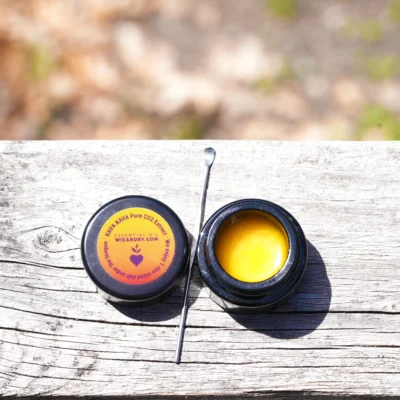
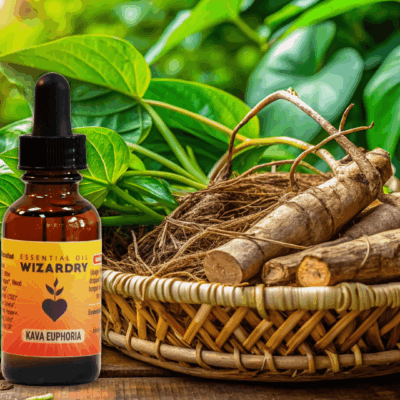
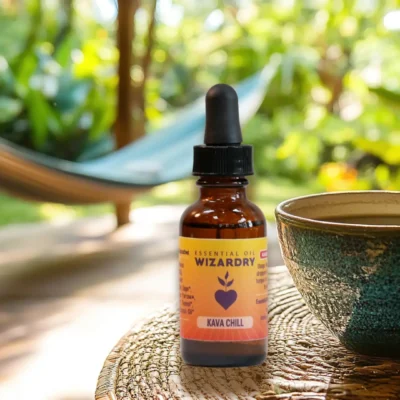
We carry several kava preparations suited to different intentions and lifestyles. Our Kava Extract CO2 uses supercritical CO2 extraction for a potent, clean expression of the root’s active constituents. Our Kava Tincture offers a reliable, easy-to-dose liquid preparation well suited to daily ritual use. We also carry Kava Euphoria, thoughtfully formulated for uplifted social occasions, and Kava Chill, oriented toward quiet personal wind-down time. For those wanting to begin a broader exploration of our range, the Kava Tincture Package brings several preparations together in one place.
For a closer look at how our CO2 process works, Kava Extract Premium Pacific Island Root covers sourcing and preparation in full detail. If you are curious about how tinctures compare to other plant preparations, Essential Oil Tinctures Vs Oils is a helpful place to start. To understand the unique ultrasonic extraction process behind some of our tinctures, What Are Ultrasonic Extracts explains our method in plain language.
Frequently Asked Questions About Brewing Kava Tea
What is kava tea?
Kava tea is a traditional beverage prepared from the root of the kava plant, native to the Pacific Islands. It has been used in ceremony and community settings for thousands of years.
What does kava tea taste like?
Kava tea has an earthy, slightly bitter, and mildly numbing flavor. Some people enjoy it as is; others prefer to mix it with coconut water or juice to mellow the taste.
How long does it take to feel the effects of kava tea?
Most people notice the effects within 15 to 30 minutes of drinking kava tea. The experience typically lasts one to three hours, though individual responses vary.
Is kava tea safe to drink regularly?
Traditional Pacific Island cultures have consumed kava regularly for generations. That said, attentiveness to your own response is always a sound guide. Consult a qualified practitioner if you have any personal health considerations.
What is the best way to store kava root powder?
Keep kava root powder in an airtight container stored in a cool, dry place away from heat, light, and moisture.
Can I combine kava tea with other botanicals?
Many people enjoy pairing kava with complementary plant preparations. Starting with kava on its own before introducing other botanicals is generally a sensible approach.
What is reverse tolerance in kava?
Reverse tolerance refers to the observation that first-time kava users sometimes do not feel pronounced effects right away. With consistent sessions over time, the full character of the plant tends to come through more clearly.
DISCLAIMER:
The information provided is intended for educational and informational purposes only and reflects historical, cultural, and experiential perspectives. It is not intended to diagnose, treat, cure, or prevent any disease, nor should it be interpreted as medical, legal, or professional advice. Individual experiences may vary. Always use personal discernment and consult a qualified professional when appropriate.