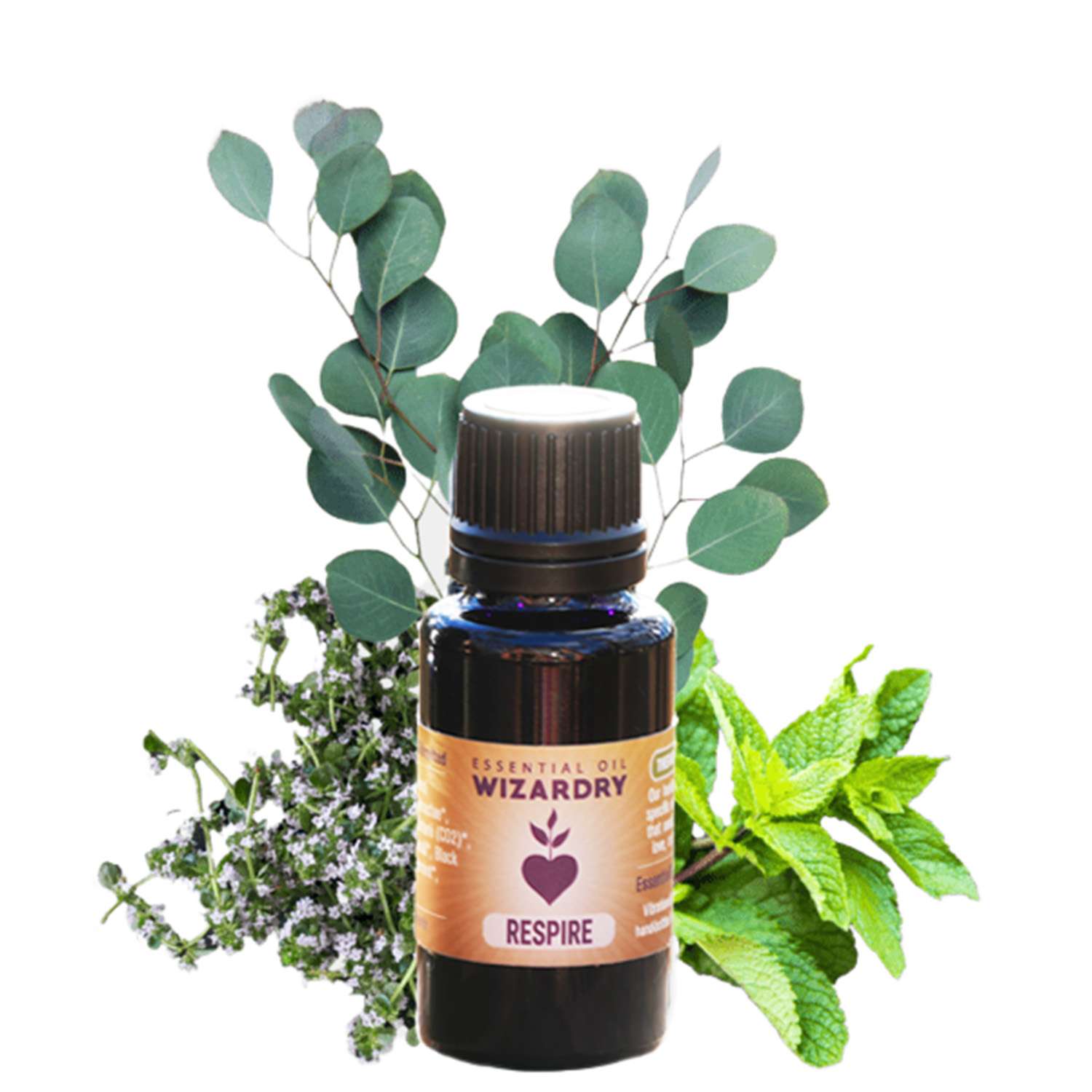
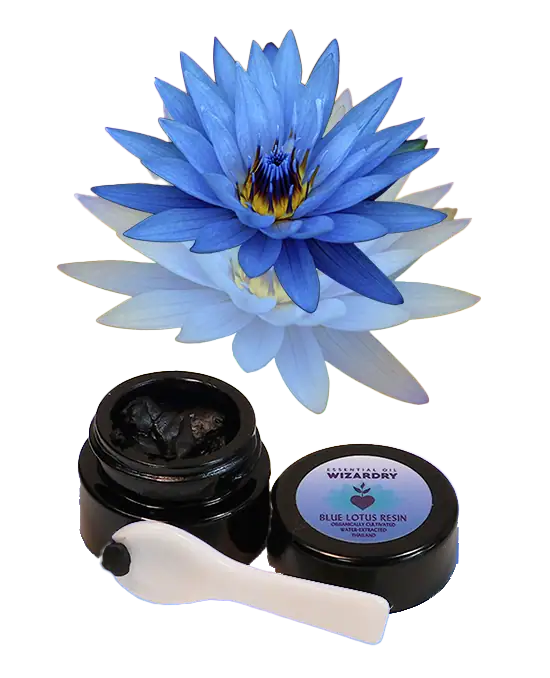
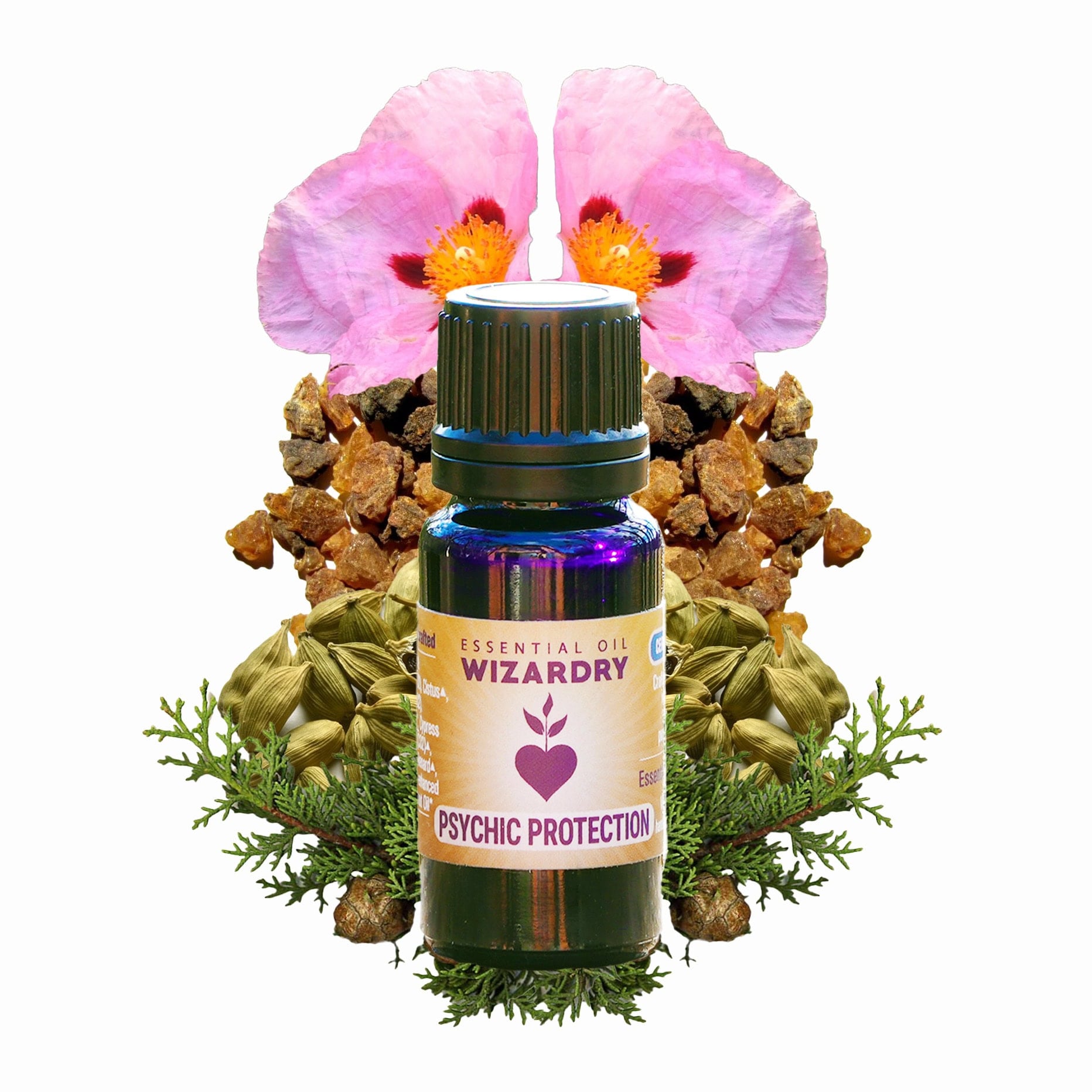



At Essential Oil Wizardry, we approach ceremonial oils with care and reverence. Each product is crafted in small batches using organic or wildcrafted botanicals whenever possible, and enhanced with energetic tools such as BioGeometry and ORMUS. These blends are not mass-produced or trend-driven. They are created as companions for intentional use, designed for those who value presence and purpose.
-
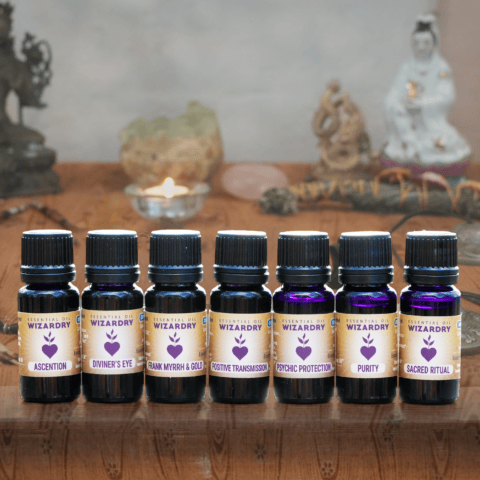
Ceremonial Oil Set
Price range: $177.00 through $333.00 -
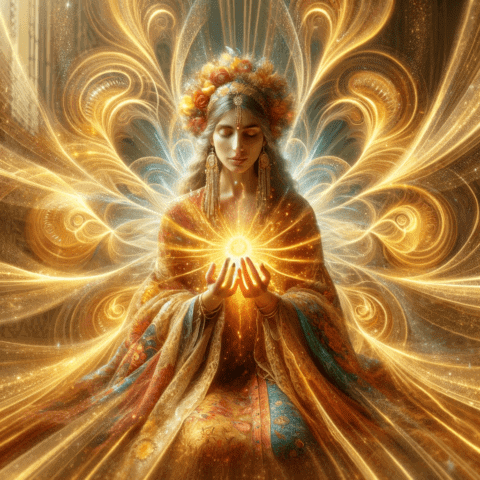
Dreamporting Oil
Price range: $77.00 through $222.00 -
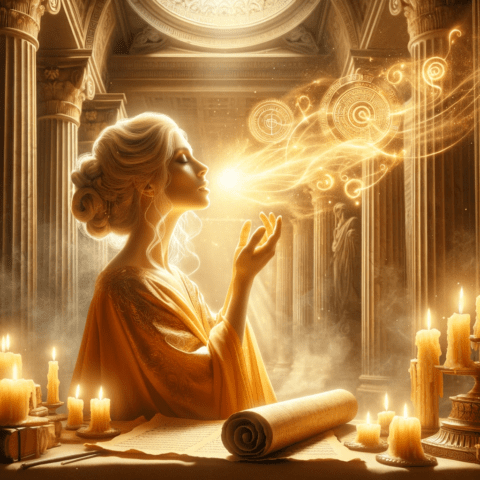
Dreamporting Elixir
Price range: $55.00 through $188.00 -

CelestTREEal
Price range: $44.00 through $188.00 -
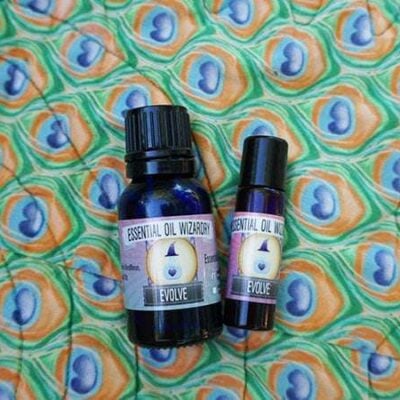
EvoLve
Price range: $55.00 through $177.00 -
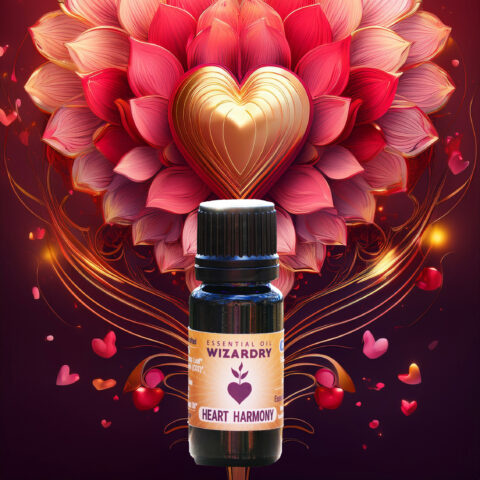
Heart Harmony by Paul Chek
Price range: $35.00 through $144.00 -
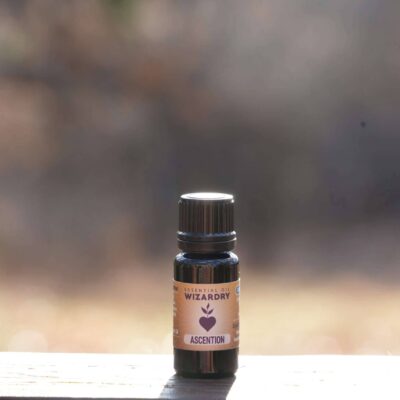
Ascention
Price range: $33.00 through $144.00 -

Empower
Price range: $25.00 through $144.00
CHECK OUT OUR BLOG
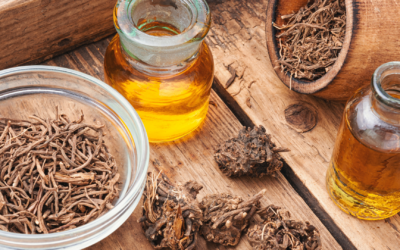
Natural Male Enhancement Tinctures: Tongkat Ali, Epimedium, And Kakanga Compared
A guide to natural male enhancement tinctures, comparing tongkat ali, epimedium, and kakanga root benefits, with insight from Essential Oil Wizardry.
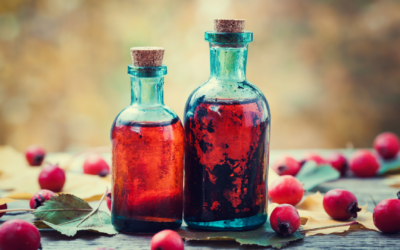
Kanna Tincture vs. Kanna Resin: Which Format Is Right For You?
A guide to kanna tincture vs kanna resin, covering effects, dosing, and how to choose the best kanna format for your practice, from Essential Oil Wizardry.
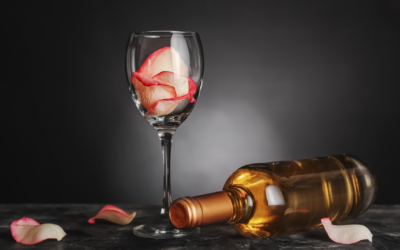
Rose Absolute vs. Rose Otto: Bulgarian Rose And Rose Bourbon Absolute Compared
A guide to rose absolute, comparing Bulgarian rose absolute and rose bourbon absolute for perfume and ritual use — plus how rose otto (a steam-distilled essential oil) differs — with insight from Essential Oil Wizardry.
The Power Of Scent In Ceremony
Scent has long held a place in spiritual traditions. Across time and geography, aromatic plants have been used to prepare space, support focus, and mark meaningful moments. Before words are spoken or intentions are named, the aroma of a plant can help shift attention inward and invite a sense of presence. Breathing in scent becomes a quiet way of opening a ceremonial space.
In ritual settings, people often start by slowing the breath and settling the body. A small amount of essential oil on the palms or gently diffused into a space can signal that transition from ordinary relaxation time into something more transformative. In these moments, scent moves from background to foreground, guiding awareness.
Whether practiced alone or in community, ceremony offers a container for reflection and change. The oils chosen for these moments are often selected with the same care. Our Ceremonial Creations are formulated with attention to aromatic depth, energetic integrity, and how they’re experienced within intentional practices.
Ultimately, ceremony is not about performance. It’s about listening. And scent is a language many people find intuitive and familiar.
What Are Sacred Ceremony Oils?
Ceremonial essential oils are created for moments of mindfulness. They are not chosen for convenience or trend, but for presence. These oils are often used in ritual, meditation, and prayer, where the focus is on connection rather than a specific outcome. The plants themselves are typically selected for their lineage, aromatic character, and long-standing relationship with spiritual practice.
Throughout history, aromatic botanicals have been used as part of ceremonial and devotional traditions across cultures, woven into rites of passage, temple offerings, and acts of reverence. This respect for scent as a ritual companion is well documented in historical records of oils and incense used to mark sacred time and space. You can see this tradition echoed in cultural accounts preserved in studies of ancient ceremonial scent practices.
Purity And Presence
Ceremonial oils begin with purity. Plants are ideally pesticide-free, unsprayed, wildcrafted, or organic, and carefully handled throughout the extraction process. When an oil is intended for ceremonial use, attention to sourcing, distillation, and storage becomes especially important. Many people describe these oils as carrying a clarity of aroma that feels undisturbed and true to the plant.
This is one reason oils like Frankincense Sacra (Royal Frankincense) have been valued for centuries. With its deep, grounding aroma, Frankincense Sacra has long been associated with devotional and contemplative settings. Its scent is often chosen to accompany moments of stillness, slow breathing, and reflective awareness.
Oils That Carry Spiritual Lineage
Some botanicals have accompanied spiritual practice for thousands of years. Myrrh is one such plant. Resinous and contemplative, myrrh has historically appeared in anointing practices, sacred rites, and ceremonial offerings across many cultures.
Our Myrrh Oil CO2 Extract reflects this lineage through a gentle extraction approach that preserves the resin’s full aromatic profile. Many people experience this oil as dense, sweet, and earthy in aroma, making it a common choice for rituals centered on introspection, transition, or reflection.
Anchoring Ritual Through Scent
Scent has a powerful relationship with memory and attention. When spiritual essential oils are used consistently within a daily practice, it can become a familiar cue that signals a shift into intentional awareness. Over time, the aroma itself may act as a threshold, helping practitioners enter ritual space more readily.
For those interested in tuning up the body’s energy centers, we offer the Divine Align Chakra Series: a premium quality collection of oils aligned with the chakras, from Root to Crown. They’re guided by spirit and intention, perfect for supporting ceremony, prayer, yoga, and presence-based practices through scent.
The Art Of Ritual Anointing Oil
Anointing is one of the oldest ways of working with aromatic plants. It invites the practitioner to touch with intention and to mark the body as part of a moment of care, reflection, or transition. A few drops placed gently on the skin can signal the beginning of a ritual, the closing of a cycle, or the honoring of a threshold.
Unlike perfume or skincare, a ritual anointing oil is chosen for presence. It functions as a sensory companion, linking breath, body, and awareness with a deeper layer of meaning. Sometimes, these preparations are referred to as temple oils, used to set sacred space and support devotional practices.
Sacred Touch And Intention
Anointing often begins with choosing where to place the oil. The wrists, heart center, third eye, and soles of the feet are commonly used, each carrying symbolic significance across different traditions. What matters most is the awareness brought to the act itself. Even a single drop, applied slowly and intentionally, can help shift the tone of a moment.
Our Sacred Ritual blend was created with this kind of intentional use in mind. Featuring a nice balance of gentle woodiness with a sweet, resinous base, the fragrance is often described as clear, soothing, and uplifting. Many people enjoy it as an anointing oil for prayer, meditation, or daily ritual, as well as a botanical fragrance worn close to the skin.
Where And How To Anoint
There is no single rule for where to apply an oil. Some days, attention may naturally move toward the chest or heart space; other times, the temples, wrists, or feet feel more appropriate. Using a small amount at a time allows the scent to unfold gradually. Some people choose to pair anointing with an affirmation or deep breath, letting aroma carry meaning without force.
You can also browse our full line of Anointing Oils if you feel drawn to different plant archetypes or aromatic tones. Each blend offers its own sensory character and way of engaging through touch and scent.
Crafting Your Own Ceremonial Ritual
Ceremony is deeply personal. It can be as simple as lighting a candle and taking three mindful breaths, or as layered as a longer practice incorporating sound, movement, or prayer. What matters most is sincerity. When we create space to listen, feel, and reflect, we are entering ritual.
Essential oils can be gently woven into each part of the experience. Their ability to engage the senses and mark transitions makes them go-to companions in both solo and shared practices.
Before The Ritual: Preparing The Body And Space
Begin by choosing your setting and clearing distractions. Some people like to use aromatic plants or sacred blends to help establish a calm, relaxed atmosphere. Diffusing a small amount of oil or lightly anointing the crown, heart, or wrists can serve as a sensory cue that something meaningful is beginning.
Others incorporate complementary elements such as sound, simple movement, or symbolic objects. These preparatory steps don’t need to be elaborate. The focus is on shifting attention from the outer world to your inner one.
During: Invocation And Presence
During the ritual, oils can be revisited as sensory anchors. Inhaling from the palms, returning to a familiar scent, or holding an anointed object can help bring awareness back when attention drifts. Aroma often works behind the scenes, offering a way to re-center without effort.
Let personal intuition guide the process. Some scents accompany stillness, while others feel more supportive during movement or expression. Rather than directing the experience, scent becomes a subtle thread running through it.
After: Integration And Grounding
Closing the ritual is just as important as opening it. Many people choose grounding aromas or practices like journaling, resting, or offering gratitude to help transition back into everyday awareness. Applying a small amount of oil to the feet or lower body can serve as a symbolic close to the experience.
For those drawn to especially distinctive botanicals, our Rare & Exotics collection offers a selection of precious, carefully sourced extracts and essential oils, including Blue Lotus Absolute, Bulgarian Rose Absolute, Oud, and other revered aromatics gathered through long-standing relationships with distillers and growers. These offerings highlight the artistry of extraction and the unique character of plants that have been valued across cultures for centuries.
Frequently Asked Questions About Ceremonial Essential Oils
What makes an essential oil “ceremonial” rather than therapeutic or cosmetic?
Ceremonial essential oils are typically chosen for their symbolic, spiritual, or ritual significance rather than for cosmetic use or specific physical outcomes. They’re often incorporated into meditation, prayer, or intentional practices and selected with attention to purity, sourcing, and how they’re experienced within ritual contexts.
Can I use ceremonial oils daily, or are they only for special occasions?
Ceremonial oils can be used daily if they resonate with your personal practice. Many people choose to anoint themselves before meditation or grounding rituals as part of a morning or evening routine.
Do I need to be trained to use ceremonial essential oils?
No formal training is required. What matters most is intention, presence, and respect. Using oils mindfully and at your own pace is often enough.
How should I store ceremonial essential oils to maintain their integrity?
Store them away from heat, light, and air. Some people also choose to keep ceremonial oils in spaces that feel meaningful to them.
Can ceremonial oils be used in group ceremonies or only personal ones?
They can be used in both. In group settings, essential oils are often used to help establish a shared atmosphere and mark the beginning of intentional space.
What does it mean for an oil to be vibrationally enhanced?
Vibrational enhancement refers to the use of tools such as sound, geometry, or intentional processes during formulation, with the aim of influencing how the oil is experienced on a subtle level.
Can I create my own ceremonial blend at home?
Yes, many people create personal blends by combining oils that feel meaningful to them. Proper dilution and mindful selection of oils are important for the right synergy.
Is it okay to use the same oil for different types of rituals?
Yes. One oil may be incorporated into different rituals depending on intention and context. Over time, this versatility can deepen familiarity with the plant.
Do ceremonial oils need to be from rare or exotic plants?
Not at all. While some people are drawn to rare botanicals, familiar plants like lavender or cedarwood can also feel deeply ceremonial when thoughtfully sourced and used with intention.
DISCLAIMER:
The information provided is intended for educational and informational purposes only and reflects historical, cultural, and experiential perspectives. It is not intended to diagnose, treat, cure, or prevent any disease, nor should it be interpreted as medical, legal, or professional advice. Individual experiences may vary. Always use personal discernment and consult a qualified professional when appropriate.