


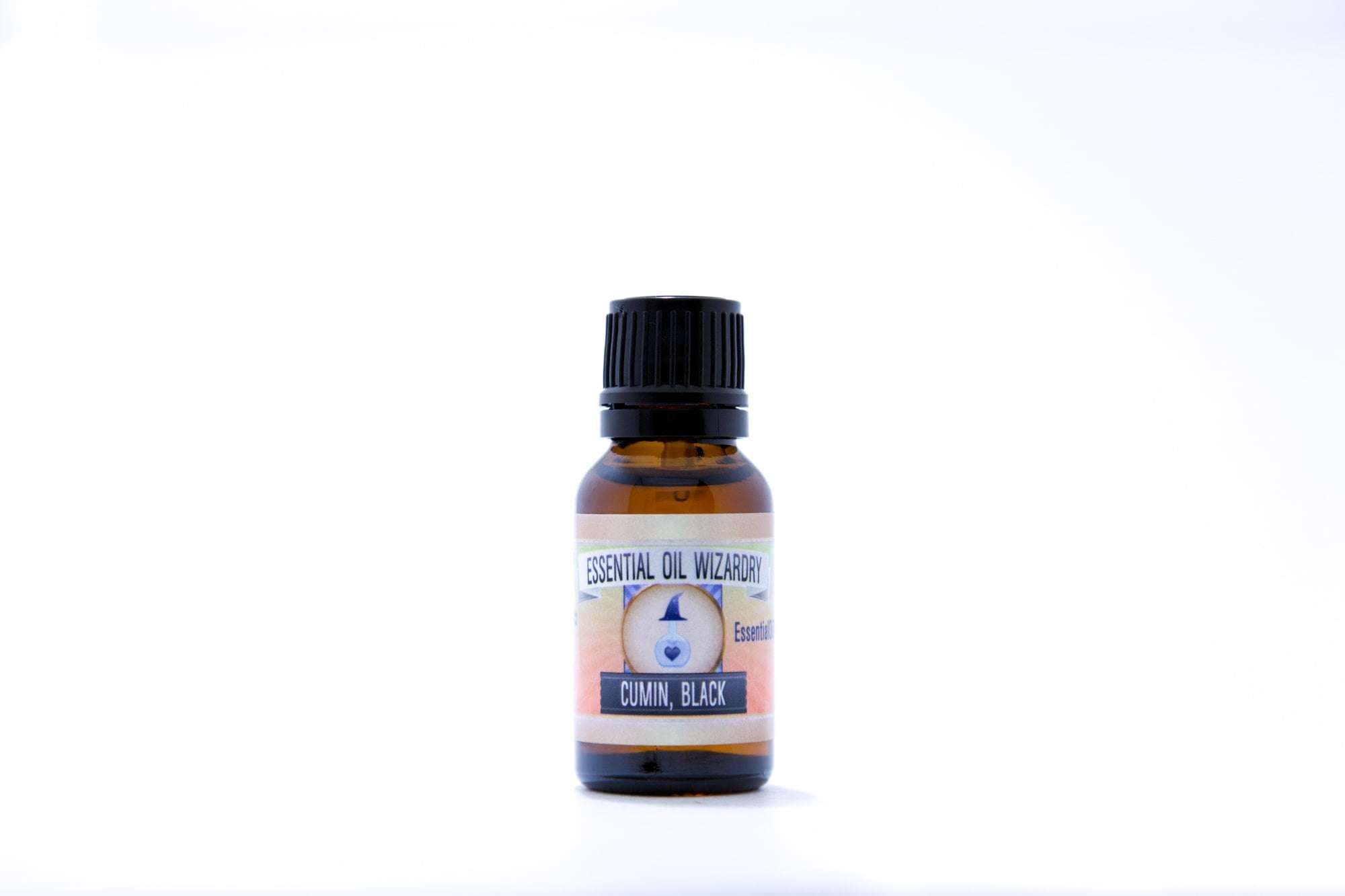
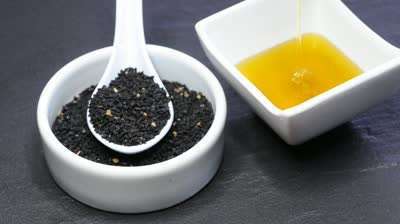
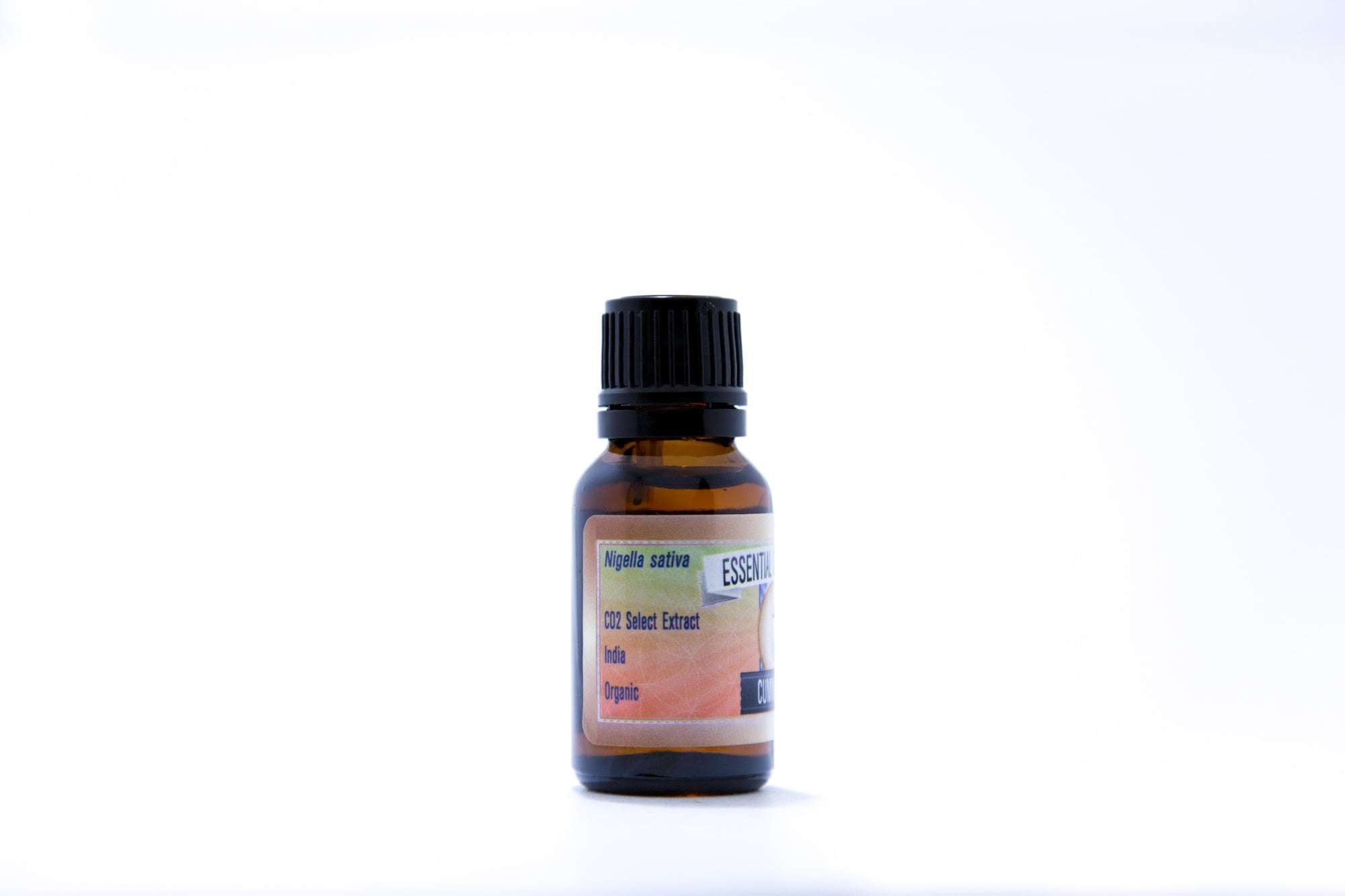
Black Cumin Seed | Black Seed Oil (CO2)
Price range: $22.00 through $33.00

Hidden
Product Description
Organic Black Cumin Seed Oil (Nigella sativa) ~ CO2 Extract
Beautifully rich textually, broadly therapeutic ~ Black Seed Oil AKA Black Cumin Seed Oil is “the medicine for everything except death” according to an ancient Arabic proverb.
- Antinflammatory/antiallergenic (Entok 2014, Natural Standard: Black Seed)
- Antimicrobial
- Antifungal
- Antiulcer (Eyad 2010)
- Anticarcinogenic (Lang 2013, Sakalar 2013)
- Antihyperlipidemic (Sultan 2014, Ahmad 2013)
- Antihyperglycemic (Sultan 2014)
- Antihypertensive (Dekhordi 2008)
- Analgesic (Hajhashemi 2004)
Aromatic Scent: Warm, peppery, spicy and mild.
How to Use
- Food Preparation! Place 1-2 drops in any dish you’d normally use black cumin in. Try 1 drop black pepper, 1 drop black cumin, 1 drop ginger and 1 drop turmeric essential oils in a tbsp (15ml) of oil or mixed into an avocado for an anti-inflammatory superfood creation that’s perfect to mix into rice, potato, salad or curry dishes. Consider experimenting with coriander or cardamom too!
- Dietary supplement. 1-5 drops in a capsule filled with an edible carrier oil to promote decreases in inflammation, healthy blood pressure and blood sugar, or regulation of digestion.
- Topically black cumin can be used as an analgesic and massaged into aching or inflamed areas. This oil has been used neat (undiluted) although please exercise caution as essential oils are very strong. Dilution 2-5 drops per tsp (5ml) of carrier oil or lotion is recommended.
- Our founder will use 1/4 dropper (~0.25 mL) to 1 dropperful (1 mL) internally as a powerful immune stimulant as a periodic cleanse. This is quite spicy, may be mildly irritating, and isn't recommended for those with sensitive senses.
Origin: Turkey | Egypt | India
Cultivation: Organic
Extraction Method: CO2 Select Extract
Part(s) of Plant Used: Seeds
Constituents (Singh 2014):
thymoquninone (major)
p-cymene (major)
α-thujene
thymohydroquinone
dithymoquinone
carvacrol
trans-anethole
4-terpineol
longifolene
~ Be Blessed ~
References
Ahmad S, Beg ZH. Elucidation of mechanisms of actions of thymoquinone-enriched methanolic and volatileoil extracts from Nigella sativa against cardiovascular risk parameters in experimental hyperlipidemia. Lipids Health Dis. 2013 Jun 13;12:86. doi: 10.1186/1476-511X-12-86.
Alhebshi AH, Odawara A, Gotoh M, Suzuki I. Thymoquinone protects cultured hippocampal and human induced pluripotent stem cells-derived neurons against α-synuclein-induced synapse damage. Neurosci Lett. 2013 Sep 27. pii: S0304-3940(13)00873-2. doi: 10.1016/j.neulet.2013.09.049.
Dehkordi FR, Kamkhah AF. Antihypertensive effect of Nigella sativa seed extract in patients with mild hypertension. Fundam Clin Pharmacol. 2008 Aug;22(4):447-52. doi: 10.1111/j.1472-8206.2008.00607.x.
Entok E, Ustuner MC, Ozbayer C, Tekin N, Akyuz F, Yangi B, Kurt H, Degirmenci I, Gunes HV. Anti-inflammatuar and anti-oxidative effects of Nigella sativa L.: 18FDG-PET imaging of inflammation. Mol Biol Rep. 2014 Jan 29. [Epub ahead of print]
Eyad M. Salem, Talay Yar, Abdullah O. Bamosa, Abdulaziz Al-Quorain, Mohamed I. Yasawy, Raed M. Alsulaiman,and Muhammad A. Randhawa. Comparative Study of Nigella sativa and Triple Therapy in Eradication of Helicobacter pylori in Patients with Non-Ulcer Dyspepsia. Saudi J Gastroenterol. Jul 2010; 16(3): 207–214. doi: 10.4103/1319-3767.65201 PMCID: PMC3003218
Hajhashemi V, Ghannadi A, Jafarabadi H. Black cumin seed essential oil, as a potent analgesic and antiinflammatory drug. Phytother Res. 2004 Mar;18(3):195-9.
Lang M, Borgmann M, Oberhuber G, Evstatiev R, Jimenez K, Dammann KW, Jambrich M, Khare V, Campregher C, Ristl R, Gasche C. Thymoquinone attenuates tumor growth in ApcMin mice by interference with Wnt-signaling. Mol Cancer. 2013 May 13;12(1):41. doi: 10.1186/1476-4598-12-41.
Natural Standard Database. Black seed (Nigella sativa). Accessed 4/22/14
Sakalar C, Yuruk M, Kaya T, Aytekin M, Kuk S, Canatan H. Pronounced transcriptional regulation of apoptotic and TNF-NF-kappa-B signaling genes during the course of thymoquinone mediated apoptosis in HeLa cells. Mol Cell Biochem. 2013 Nov;383(1-2):243-51. doi: 10.1007/s11010-013-1772-x. Epub 2013 Aug 14.
Singh S, Das SS, Singh G, Schuff C, de Lampasona MP, Catalán CA. Composition, In Vitro Antioxidant and Antimicrobial Activities of Essential Oil and Oleoresins Obtained from Black Cumin Seeds (Nigella sativa L.). Biomed Res Int. 2014;2014:918209. doi: 10.1155/2014/918209. Epub 2014 Feb 6.
Sultan MT, Butt MS, Karim R, Zia-Ul-Haq M, Batool R, Ahmad S, Aliberti L, De Feo V. Nigella sativa Fixed and Essential Oil Supplementation Modulates Hyperglycemia and Allied Complications in Streptozotocin-Induced Diabetes Mellitus. Evid Based Complement Alternat Med. 2014;2014:826380. doi: 10.1155/2014/826380. Epub 2014 Jan 8.
VerVita Essential Oils. Black cumin summary flyer. http://www.vervitaproducts.com/media/files/products/BlackCumin.pdf. Accessed 4/22/14
Dr. Nick's Notes
Black cumin seed oil or black seed oil has been used in traditional medicine systems for thousands of uses for a wide variety of ailments and scientific exploration is beginning elucidate mechanisms and clinical effects of this wonderfully diverse medicine.
Black seed oil can make both cold pressed and essential oils. Cold pressed black seed oils tend to be high in fatty acid ethyl esters such as omega-3 and omega-6 fatty acids which may confer increased cholesterol and lipid modulating activity. On the other hand, essential oils are higher in antioxidant content, which may confer greater anti-inflammatory properties (Sultan 2014, Ahmad 2013).
The primary terpene constituents of black cumin essential oil are thymoquinone (TQ) and p-cymene, which have been implicated as being responsible for the majority of black cumin seed’s oil medicinal effects. Thymoquinone (TQ), in addition to uses mentioned above, has shown some promising preliminary results in protection of hippocampal neurons against α-synuclein aggregate neurotoxicity, which are a pathophysiologic hallmark of Parkinson’s disease (Alhebshi 2013). TQ has also displayed colon polyp reducing activity, which is a risk factor for colorectal cancer, albeit concentrations used were rather high (Lang 2013).
Black Seed Oil (Black Cumin) enjoys Generally Recognized as Safe (GRAS) status by the Food and Drug Administration (FDA).
FAQs
Black cumin seed CO2 extract comes from the seeds of Nigella sativa, also known as black seed or blessed seed. The CO2 extraction method preserves the full spectrum of the seeds active compounds -- particularly thymoquinone -- more completely than cold pressing. Black cumin seed has one of the most extensive traditional medicine histories of any plant, referenced in ancient Egyptian texts, Islamic hadith stating black seed is a cure for everything except death, and Ayurvedic medicine.
Black cumin seed oil is one of the most studied botanical oils for skin health. Thymoquinone and other active compounds give it potent anti-inflammatory and antioxidant properties. Its used for eczema, psoriasis, and acne-prone skin -- research has shown it can reduce inflammation and support skin barrier function. Many people use it as a facial oil to address dark spots, uneven skin tone, and signs of aging. It also has antimicrobial properties, making it useful for skin prone to breakouts.
Black cumin seed oil has a distinctive, warm, spicy, and slightly medicinal aroma. It smells somewhat like a combination of oregano, thyme, and black pepper -- herby, earthy, and pungent. The CO2 extract tends to have a more concentrated and complex version of this profile than simple cold-pressed oil. The scent is an acquired taste -- some people find it immediately appealing in a culinary-spice way, while others prefer to blend it with more aromatic carrier oils or essential oils that complement its character.
Black cumin seed oil has a long history of internal use in Middle Eastern and Islamic traditional medicine. The CO2 extract, however, is more concentrated than simple cold-pressed oil and is typically formulated for topical or aromatic use. For internal supplementation purposes, cold-pressed black seed oil is the traditional and more appropriate choice. If you are interested in the internal benefits of black seed, we recommend using an organic, food-grade cold-pressed oil or CO2 extract, and consulting a healthcare professional about appropriate dosing.
Black cumin seed CO2 is typically used at 1-5% in finished skin care products, blended into a primary carrier oil base. For a facial oil targeting inflammation or acne, blend it into jojoba or hemp seed oil at 2-3%. For an eczema-support body oil, combine it with evening primrose and calendula-infused oil. The CO2 extract is more potent than the cold-pressed oil so you need less of it to achieve the therapeutic effect. Its strong aroma blends well with lavender, Roman chamomile, and frankincense.
Our Process
We consciously source all our ingredients from Organic, Wildcrafted and/or Unsprayed (Pesticide-free) farms & distilleries. We then enhance these premium ingredients through our unique proprietary process to bring each of our formulations into their highest expression. You can really smell, feel, sense, and experience the difference!
2 reviews for Black Cumin Seed | Black Seed Oil (CO2)
Related products

** The information provided on this page is intended for educational and informational purposes only and reflects historical, cultural, and experiential perspectives. This product has not been evaluated or approved by the U.S. Food and Drug Administration and is not intended to diagnose, treat, cure, or prevent any disease. Individual experiences may vary. Always use personal discernment and consult a qualified healthcare professional when appropriate, especially if you are pregnant, nursing, taking medication, or have a medical condition.
Eduardo Ortega (Essential Oil Wizardry) –
Kalpana P. (Essential Oil Wizardry) –