


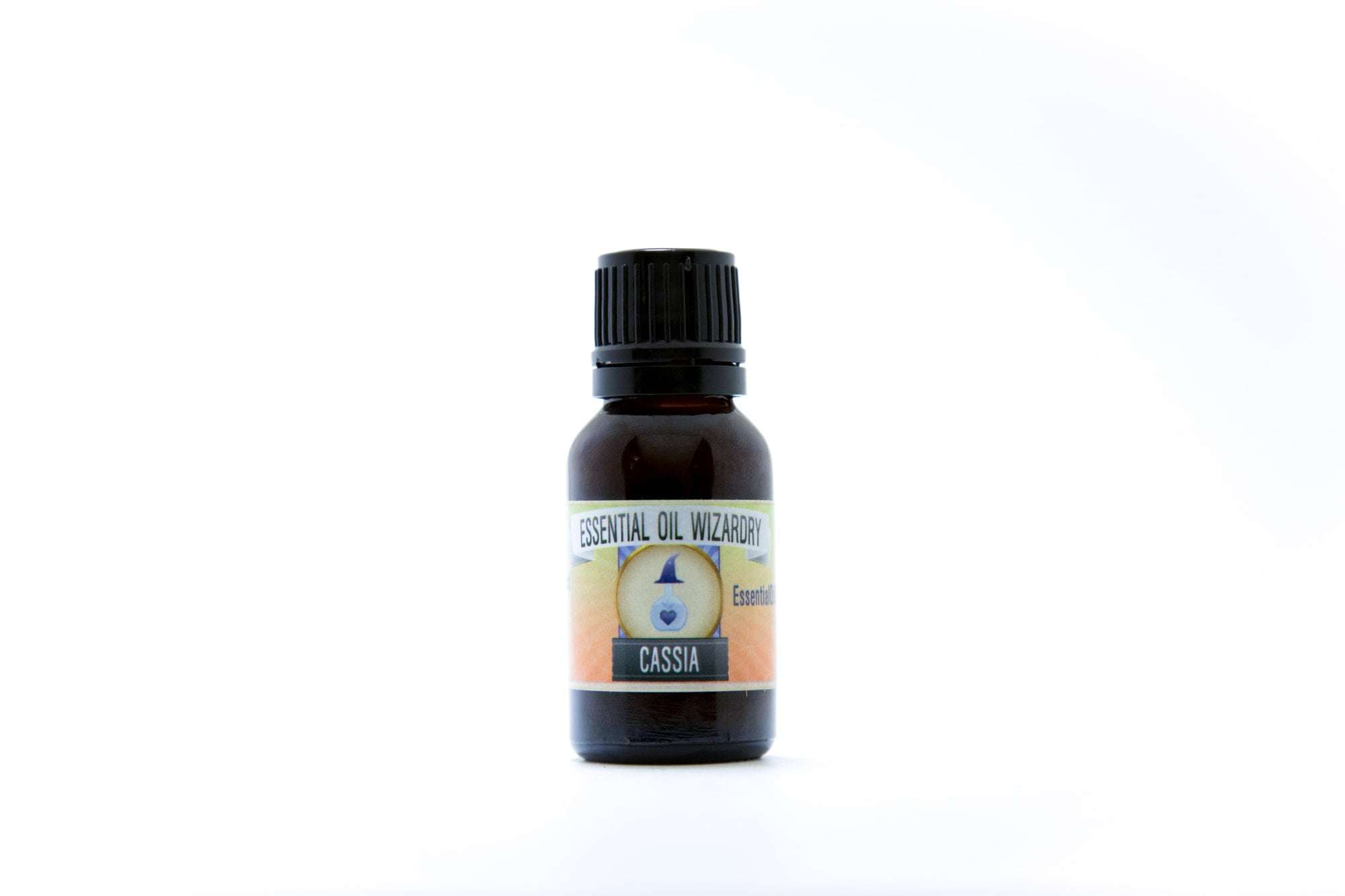
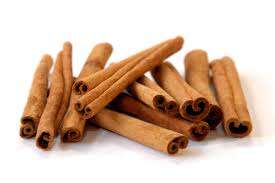
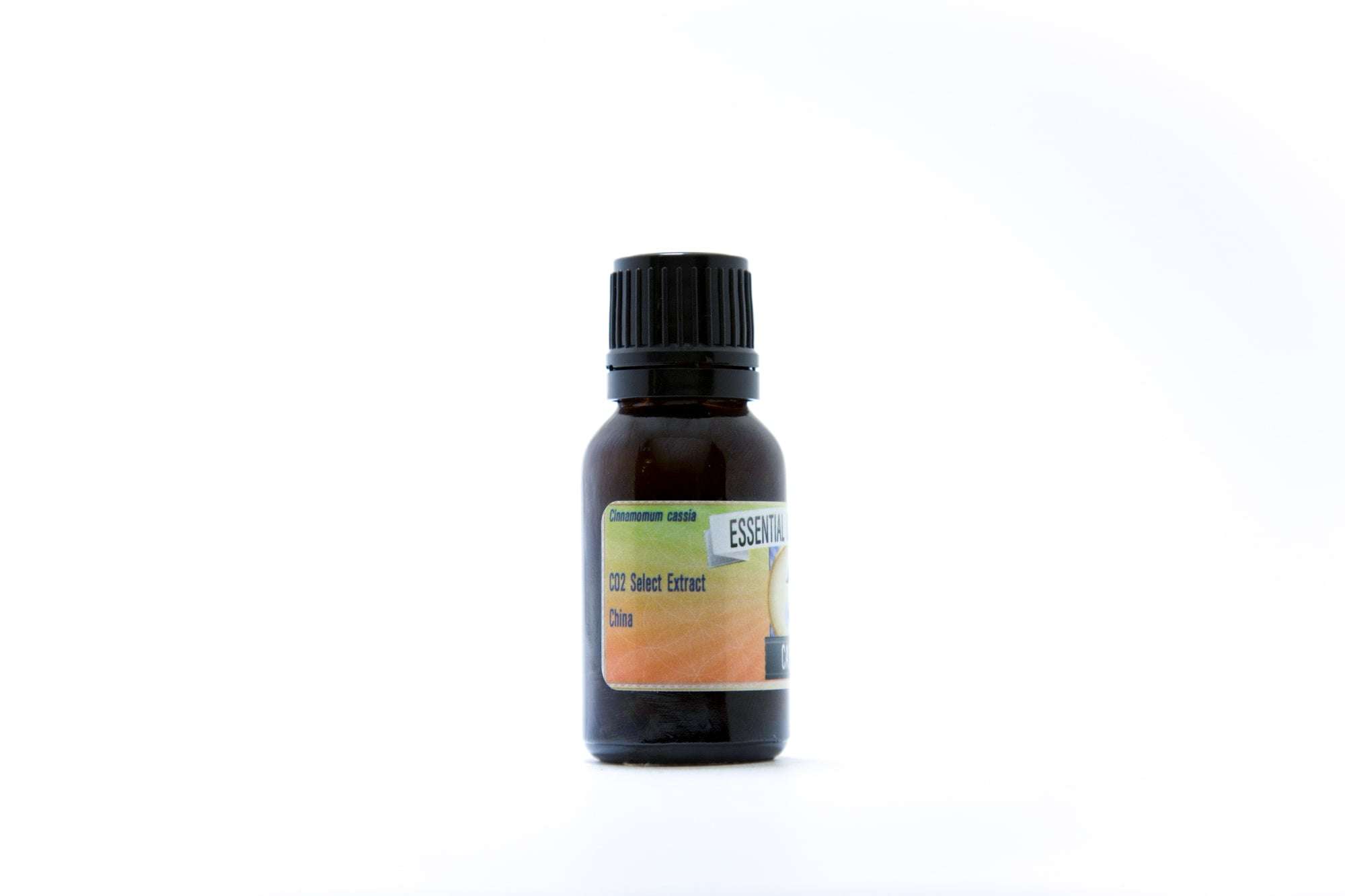
Cassia (CO2)
$30.00

Hidden
Product Description
Cassia Oil (Cinnamomum cassia) ~ CO2 Extract
Slightly more tapered flavor than true cinnamon bark ~ Cassia Oil is warm, sweet and offers a similar profile to highly revered cinnamon bark. Cassia CO2 extract is top notch!
- Anti-inflammatory
- Antioxidant
- Astringent (Must use diluted)
- Carminative (Reduces gas)
- Digestive Aid (Diarrhea, perhaps Nausea)
- May lower blood glucose
- Potent Anti-microbial (Bacterial, Viral, Fungal)
- Stimulant (Mood, Circulation, Sexual)
- Warming Properties
Aromatic Scent: Potent cinnamon aroma with increased sweetness and a smooth spicy-sweet note on the dry-down.
How to Use
- Diffuse 1-5 drops into a diffuser to warm & uplift an environment.
- Not recommended for topical use: Cassia Oil can be quite irritating when applied dermally!
- Cassia oil may be used in up to 5 drops internally daily. Use in a capsule infused into edible carrier oil OR may dilute appropriately in foods (great for chai, apples, chocolate!) ~ Not to exceed 200 mg each day internally per Tisserand & Young's research.
- Try diluting 1 drop in 2 tsp honey or 8 oz. of liquid – stir well!
For internal use with a trained practitioner or under a physician’s care ONLY. Must DILUTE before oral ingestion.
** Please note that this Cassia extract is grown under conventional farming techniques and does not have organic certifications. If used internally, do so at your own discretion (it is delicious, I enjoy this extract) **
Safety Summary
Hazards: drug interaction; may inhibit blood clotting; embryotoxicity; skin sensitization (high risk); mucous membrane irritation (low risk).
CONTRAINDICATIONS: Pregnancy, breastfeeding.
Cautions (oral): Diabetes medication, anticoagulant medication, major surgery, peptic ulcer, hemophilia, other bleeding disorders.
Maximum Adult Daily Oral Dose: 200 mg
Maximum Dermal Use Level: 0.05%
~ Adopted from Tisserand & Young, Essential Oil Safety, 2nd ed. 2013 ~
Cultivation: Conventional
Country of Origin: India | China
Extraction Method: CO2 Total Extract
Parts of Plant Used: Bark
Largest Producing Countries: China and Vietnam
Blends Well With: Benzoin, Cacao Absolute, Cardamom, Cinnamon, Clove, Coconut (CO2), Coffee (CO2), Coriander, Frankincense, Ginger, Grapefruit, Jasmine Absolute, Lavender, Liquidambar (Styrax), Myrrh (CO2), Red Mandarin, Nutmeg, Patchouli, Rosemary, Sandalwood, Thyme, Vanilla (CO2)
Constituent Range (Lawrence 1979 p. 13, 1995g p. 163, p201, 2001f p, 48-52)
- (E)-Cinnamaldehyde (73.2 – 89.4%)
- (Z)-Cinnamaldehyde (0.8 – 12.3%)
- (E)-Cinnamyl acetate (0.1 – 5.4%)
- Benzaldehyde (0.4 – 2.3%)
- 2-Phenylethyl acetate (0 – 2.3%)
- α-Terpineol (tr – 2.0%)
- Coumarin (tr – 1.9%)
- Salicylaldehyde (0.04 – 1.8%)
- Borneol (tr – 1.3%)
- Benzyl benzoate (tr – 1.0%)
- Cinnamyl alcohol (0 – 0.04%)
This information was documented by Lawrence (1979 p. 13, 1995g p. 163, p201, 2001f p, 48-52) published by Robert Tisserand & Rodney Young in 2013 and is posted to demonstrate some general range of chemical constituents of this essential oil. Each distillation & plant source varies and current batch will likely have some variance to the information published above. When possible, we will post current GC-MS analysis separately for our oils sold on this site, correlating with batch numbers for your enjoyment & awareness.
~ Be Blessed ~
References
- Lawless, J. The Encyclopedia of Essential Oils, San Francisco: Conari Press, 2013
- Friedman M, Henika PR, Mandrell RE. Bactericidal activities of plant essential oils and some of their isolated constituents against Campylobacter jejuni, Escherichia coli, Listeria monocytogenes, and Salmonella enterica. J Food Prot. 2002 Oct;65(10):1545-60.
- Hasanzade F, Toliat M, Emami SA, Emamimoghaadam Z. The Effect of Cinnamon on Glucose of Type II Diabetes Patients. J. Tradit Complement Med 2013 Jul;3(3):171-4
- Ooi LS, Li Y, Kam SL, Wang H, Wong EY, Ooi VE. Antimicrobial activities of cinnamon oil and cinnamaldehyde from the Chinese medicinal herb Cinnamomum cassia Blume. Am J. Chin Med., 2006;34(3):511-22
- Yang, CH, Li RX, Chuang LY, Antioxidant activity of various parts of Cinnamomum cassia extracted with different extraction methods. Molecules. 2012 Jun 13;17(6):7294-304
Last Updated May 22, 2026.
Dr. Nick's Notes
Similar to true ceylon cinnamon from Sri-Lanka, Cassia assists in clearing toxins and infections from the body, particularly the kidneys and colon. Reducing gas in the digestive system. Potent fighter of fungal infections – ringworm and candida and general colds and viruses. Cassia has been shown to counter bacteria responsible for food poisoning & demonstrated ability in destroying free radicals makes it a wonderful antioxidant. Cassia Oil offers a wonderful warm and inviting aroma ~ Cassia oil has a known reputation as an aphrodisiac, likely as cassia warms the body ~ my intuition predicts vasodilatory properties.
Although Cassia is Generally Recognized as Safe (GRAS) by the Food and Drug Administration (FDA), Cassia CO2 Extracts’ main constituent includes cinnamaldehyde, which is not recommended for topical use on the skin. There’s some evidence suggesting cinnamon bark may be used as a blood glucose lowering agent – cassia oil likely has similar properties with it’s close chemical relationship. Be aware if taking other medications that lower blood sugar. Avoid cassia oil internally during pregnancy.
Note: It’s recommended not to use in foods or ingested unless diluted – cassia oil is a strong dermal irritant and may irritate the oral mucosa. Sensitive individuals should not cook or flavor with this oil and ALWAYS dilute the oil before ingestion.
FAQs
Cassia, Cinnamomum cassia or Chinese cinnamon, is a close relative of true cinnamon (Cinnamomum verum) native to southern China, where it has been used as a spice and medicine for over four thousand years and holds the distinction of being one of the oldest botanicals in recorded human history. EOW's Cassia Oil is produced through supercritical CO2 extraction rather than steam distillation. This difference is significant: CO2 extraction uses pressurized carbon dioxide as a solvent to extract a broader spectrum of the plant's aromatic and bioactive compounds without the heat that degrades more delicate constituents in steam distillation. The CO2 extract of cassia is richer, more complex, and more complete than a steam-distilled version, with a deeper, spicier, and more nuanced aroma that more faithfully represents the whole spice.
Cassia CO2 Extract has a bold, warm, intensely spicy aroma that is similar to cinnamon but distinctly different in character. Where true cinnamon (verum) tends toward a softer, sweet, more complex spiciness, cassia is more assertive, deeper, slightly more medicinal, with a rich sweetness. The aroma is immediately warming and grounding with a full, rich body that fills a room and lingers beautifully. There is a woody depth beneath the spice that gives it more substance than a simple spice note, and a slight earthiness that speaks to its deep roots in Chinese medicine. In perfumery, cassia is used in small amounts as a warming heart-to-base spice note. Culinarily, Cassia is the cinnamon most commonly found in processed foods and spice blends in North America.
Cassia has been central to Traditional Chinese Medicine for thousands of years, where Cinnamomum cassia bark is known as Rou Gui and is classified as a warming, yang-supporting herb used to warm the kidneys and spleen, dispel cold and dampness, promote circulation, and support digestive health. It is one of the fifty fundamental herbs in TCM and features in numerous classical formulas. In modern research, cassia and its constituent trans-cinnamaldehyde have been extensively studied for antimicrobial activity, blood sugar regulation, anti-inflammatory effects, and antifungal properties. The CO2 extract preserves the full spectrum of these bioactive compounds, making it a particularly complete therapeutic preparation.
Cassia must be used with considerable care due to its high trans-cinnamaldehyde content, which is a strong skin sensitizer and mucous membrane irritant. It should never be used undiluted on skin and must be diluted to 0.05 percent or less for topical application, making it one of the most dilution-critical oils in the aromatherapist's toolkit. Even at this low concentration, perform a patch test before wider application and avoid use on the face, neck, and sensitive areas entirely. Cassia should not be used internally without professional guidance. It is contraindicated during pregnancy. For aromatic use, diffuse at low concentrations in a well-ventilated space for short periods. Despite these precautions, cassia at appropriate dilutions in diffuser blends is a wonderful warming aromatic for cold weather, circulatory support, and grounding.
Cassia CO2 Extract is a powerful blending ingredient whose intensity makes it most effective at low concentrations of 3 to 8 percent of a blend. It pairs beautifully with other warm spices and resins: clove, cardamom, black pepper, cinnamon bark and leaf, myrrh and frankincense create deeply warming, protective blends associated with winter, grounding, and immune support. With sweet orange, grapefruit, and bergamot, cassia creates a warm-citrus combination that is both uplifting and grounding, reminiscent of mulled wine and winter celebrations. With cedarwood, sandalwood, and vetiver, it contributes spicy warmth to earthy, meditative blends. In natural perfumery, cassia is a treasured spice note in oriental and ambery compositions, adding depth and staying power alongside its distinctive aromatic personality.
Our Process
We consciously source all our ingredients from Organic, Wildcrafted and/or Unsprayed (Pesticide-free) farms & distilleries. We then enhance these premium ingredients through our unique proprietary process to bring each of our formulations into their highest expression. You can really smell, feel, sense, and experience the difference!

** The information provided on this page is intended for educational and informational purposes only and reflects historical, cultural, and experiential perspectives. This product has not been evaluated or approved by the U.S. Food and Drug Administration and is not intended to diagnose, treat, cure, or prevent any disease. Individual experiences may vary. Always use personal discernment and consult a qualified healthcare professional when appropriate, especially if you are pregnant, nursing, taking medication, or have a medical condition.
Reviews