


The body is always communicating. You might notice a slight tension in the shoulders, shallower breaths, or the hum of stress that becomes background noise over time. Aromatic botanicals have been used for centuries to invite the mind to silence its chatter and create conditions for greater presence, serving as sensory companions for the quieting work the body is always trying to do.
-
Neroli
Price range: $25.00 through $188.00 -
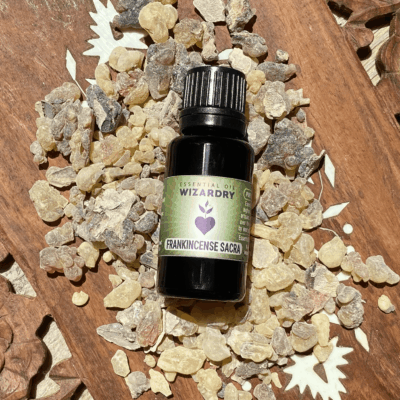
Frankincense Sacra (Royal Frankincense)
Price range: $33.00 through $77.00 -
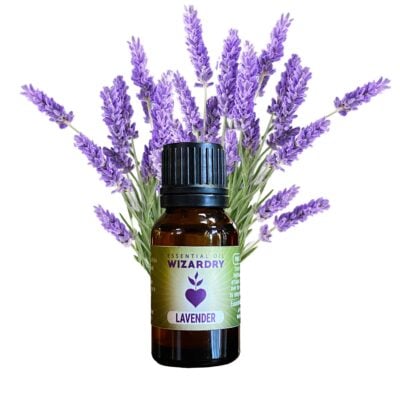
Lavender
Price range: $20.00 through $45.00 -
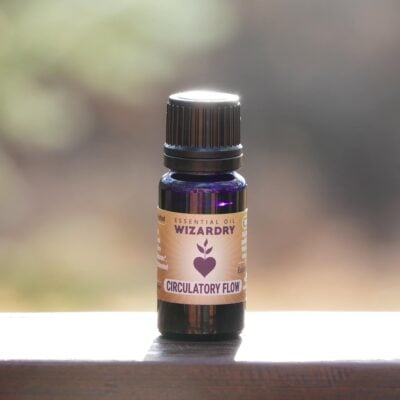
Circulatory Flow
Price range: $25.00 through $45.00 -
Ylang Ylang
Price range: $40.00 through $45.00 -
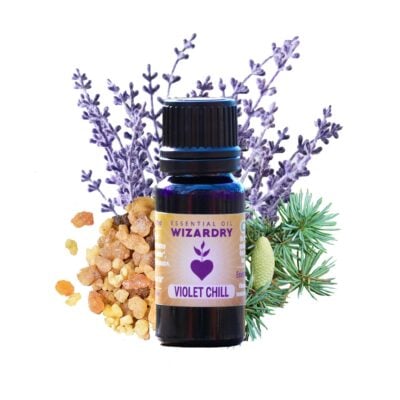
Violet Chill
Price range: $20.00 through $35.00 -
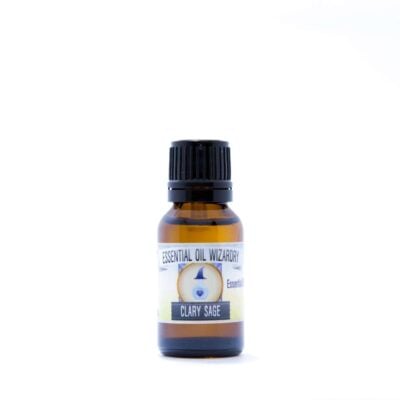
Clary Sage
$35.00
CHECK OUT OUR BLOG
Blue Lotus Extracts: A Guide To Concentrated Preparations
A guide to blue lotus concentrate in every form, from resin to tincture to absolute, with thoughtful guidance on use and dosing from Essential Oil Wizardry.
Blue Lotus Spiritual Meaning: Ancient Symbolism And Modern Use
A guide to blue lotus spiritual meaning, ancient symbolism, and modern ritual use, with plant-based wisdom and ceremonial insight from Essential Oil Wizardry.
Wild Lettuce Extract: Benefits, Uses, And What To Expect
Learn about wild lettuce extract, its traditional uses, wild lettuce dosing, and how it supports rest, with guidance from Essential Oil Wizardry.
Scent, The Body, And Botanical Calm
Scents tend to reach the limbic system faster than almost any other sensory input, engaging brain regions involved in emotions and memory. This is part of why plant use in healing traditions has persisted across so many cultures and so many centuries. In other words, the relationship between aromatics and the body’s felt sense is immediate and real.
The Science Behind Essential Oils To Lower Blood Pressure
To start, let’s take a closer look at linalyl acetate and linalool, which make up about 51% and 35% of a typical lavender oil, respectively (Koulivand et al., 2013). You may already be familiar with the gentle, soft quality lavender lends to a room, but what makes it particularly interesting from a botanical science perspective is what may be happening beneath the surface.
Both linalool and linalyl acetate have been detected in plasma relatively quickly after topical application with massage, suggesting meaningful skin absorption (Koulivand et al., 2013). This matters because these compounds don’t just interact with the senses through scent; they may also influence the body through direct absorption, potentially supporting the kind of calm that people using lavender have described for centuries. The nervous system, the breath, and the perceived sense of ease in the body are all interconnected, and aromatic botanicals like lavender appear to engage more than one of those pathways at once. These findings are promising and align with traditional use, though the evidence is still developing and individual responses vary.
Where To Apply Essential Oils For High Blood Pressure Support
For a simple, consistent daily routine, a blood pressure essential oil blend of lavender, clary sage, and frankincense diluted at 2% in a carrier oil, applied to the chest and inner wrists morning and evening, is a grounded and repeatable practice. Meanwhile, ylang ylang and neroli are best kept at 1% dilution given their potency.
Our carrier oils for essential oils collection includes options particularly suited to these applications, from fast-absorbing pomegranate seed to the skin-nourishing depth of sea buckthorn. And for those newer to working with these oils topically, our guide on how to use essential oils covers everything from topical applications to culinary creations and more.
The Body’s Own Intelligence
The body holds a profound capacity for self-regulation. While stress is a normal response, it’s meant to be temporary. That said, essential oils are aromatic botanical companions, not medical treatments. If you have been diagnosed with high blood pressure or any cardiovascular condition, please work with a qualified healthcare provider. Aromatic botanical practice can be a wonderful complement to that care, but it is not a substitute. For further reading, our guide to essential oils for calming and stress relief covers our favorites and teaches you how to treat yourself to ultimate relaxation.
Best Essential Oils For High Blood Pressure
Lavender and clary sage are among the most thoroughly respected botanical oils for stress relief. Both are lovely when diffused, applied topically at 1-2% in a carrier oil, or infused into a warm bath. For a calming daily routine, applying a diluted drop or two of either oil to the inner wrists and temples before rest is a practice many find deeply settling.
Lavender: The Most Versatile Calming Botanical
Lavender is the botanical most popularly associated with relaxation across both traditional use and contemporary aromatherapy research. Its linalool and linalyl acetate content have been examined across multiple human studies for their effects on perceived stress, though responses vary and the research landscape continues to evolve.
EOW carries several lavender varieties, each distinct. Our premium high-elevation French lavender from a master distiller is Dr. Nick’s current go-to. Meanwhile, our Bulgarian lavender, sourced from a family farm, is delightfully floral and almost fruity, and it’s one of our sweetest options. On the other hand, our Mt. Shasta artisan distillation is clean, soft, and harmonious, smelling like the classic lavender you’re likely used to. And Lavender Mailette, Dr. Nick’s personal favorite, is sweeter than most varietals and is associated with higher linalool concentrations than standard Lavandula angustifolia.
Clary Sage: Grounding Depth
Clary sage carries linalyl acetate and linalool in a rich, herbaceous, and slightly sweet profile. On the dry-down, it offers a hint of green tea and leather-like hues. Our Clary Sage Essential Oil is steam distilled from organically cultivated Salvia sclarea sourced from France and Bulgaria. When diffused in the evening with three to four drops in a room diffuser or applied diluted to the chest and solar plexus, it creates a warm, settling sensation that’s perfect for brightening moods. It also works beautifully in a warm bath with lavender for a deep, meditative experience.
Ylang Ylang And Neroli: Floral Allies
Ylang ylang and neroli are two wonderfully calming florals in the aromatic world, each with a long traditional association with softening the body.
Ylang Ylang: Boldly Tropical And Creamy
Ylang ylang is one of the most distinctive oils in any collection, with a playful, sweet-fruity character. Our Ylang Ylang Essential Oil is steam distilled from organically cultivated Cananga odorata flowers sourced from Madagascar and the Comoros. Its linalool content has been studied, with some research suggesting inhalation may be associated with reductions in self-reported stress. However, findings should be held lightly, and individual sensitivity to this oil is significant.
It’s also worth noting that ylang ylang is potent, so its aroma can feel overwhelming at higher concentrations. Use it sparingly. A 1% dilution in carrier oil for topical application to the chest and inner wrists is often enough, or you can choose to use two to three drops maximum in a diffuser blend alongside a grounding oil like sandalwood or frankincense. For something more fun and tasty, you can try experimenting with a very low concentration in foods, desserts, and beverages!
Neroli: Citrus Blossom For Deep Calm
Neroli is steam distilled from the orange blossoms, a delicate, labor-intensive extraction that yields one of the most refined and intoxicating aromas in botanical perfumery. Its linalool and linalyl acetate content give it a sweet, effervescent, honey-floral quality with slightly spicy green after-notes on the dry-down.
Neroli has been used in Persian and European botanical traditions for centuries, and research has examined its potential for supporting calm through inhalation, though the evidence base is still developing. Applied diluted to the chest and inner wrists, or added to a warm bath, it suits moments when your system needs an immediate aromatic anchor.
Frankincense And Circulatory Flow: Centering Support
Frankincense and our proprietary Circulatory Flow blend address deeper dimensions of stress and circulatory wellness.
Frankincense Sacra: Ancient Grounding For The Modern Body
Frankincense Sacra from Boswellia sacra carries a warm, expansive, resinous aroma with soft citrus undertones, a quality Dr. Nick describes as having a very special vibration. Its aromatic constituents have attracted research interest in emotional regulation and calm, though topical essential oil evidence remains limited, and claims should be taken with a grain of salt.
Our Frankincense Sacra is wildcrafted and hydrodistilled from Hojari resins sourced directly from the Dhofar region of Oman, where frankincense has been traded for centuries. Diffused during meditation or breathwork, or applied diluted to the chest and temples, it creates a grounding aromatic field that many practitioners find genuinely quieting. It pairs beautifully with lavender, ylang ylang, and neroli in calming blends. For those interested in how frankincense and other botanicals support the emotional dimensions of stress, our essential oils for emotional healing collection offers other options that explore that territory.
Circulatory Flow: A Botanical Blend For Movement And Ease
Circulatory Flow is a proprietary EOW blend combining juniper berries, sweet marjoram, frankincense, and myrrh, a formula Dr. Nick originally developed in the wet Hawaiian heat as a cooling, regenerative aromatic reset. Juniper may help your body flush out wastes, while marjoram brings a refreshing quality. From there, frankincense elevates the blend and myrrh grounds it to a perfect finish.
The result is fresh and clear, with a spring breeze quality that works well applied to the hands and inhaled deeply, massaged over the lymph nodes and legs, or used in a restorative body massage. It is particularly popular for longer plane rides, supporting circulation and comfort during extended sitting.
Frequently Asked Questions About Essential Oils For High Blood Pressure
What essential oils are traditionally used for relaxation and stress relief?
Lavender, ylang ylang, clary sage, neroli, and frankincense have the most consistent historical association with supporting stress relief.
Where do you apply essential oils to support relaxation?
The inner wrists, temples, back of the neck, and sternum are the most commonly used sites. Always dilute in a carrier oil. 2% is a good baseline for most oils, but 1% or lower is preferred for potent oils like ylang ylang.
What is a good essential oil blend for calming?
A combination of lavender, clary sage, and frankincense creates a well-rounded calming aromatic blend. Circulatory Flow is EOW’s proprietary formulation for circulatory support in a vibrationally enhanced, ready-to-use preparation.
Are these essential oils safe for daily use?
When properly diluted, the oils in this guide are generally well-tolerated for regular aromatic and topical use. However, it’s worth noting that clary sage should be avoided during pregnancy, while neroli and ylang ylang may cause photosensitization. Patch test before broad topical use, and consult a qualified practitioner if you have any diagnosed health conditions.
Do essential oils replace medical treatment for high blood pressure?
No. Essential oils are aromatic botanical tools for relaxation support, not medical treatments. Consult a qualified healthcare provider for any diagnosed cardiovascular condition.
How should I store my calming essential oils?
Keep all bottles sealed in a cool, dark cabinet away from heat and light. They are best used within 2 to 5 years of purchase.
DISCLAIMER:
The information provided is intended for educational and informational purposes only and reflects historical, cultural, and experiential perspectives. It is not intended to diagnose, treat, cure, or prevent any disease, nor should it be interpreted as medical, legal, or professional advice. Individual experiences may vary. Always use personal discernment and consult a qualified professional when appropriate.
Sources:
- Koulivand, P. H., Khaleghi Ghadiri, M., & Gorji, A. (2013). Lavender and the nervous system. Evidence-based complementary and alternative medicine : eCAM, 2013, 681304. https://doi.org/10.1155/2013/681304