

A great perfume is a conversation between plants. It opens with something bright and immediate, settles into warmth and complexity through the middle, and lingers in the base with something deeper and more personal. What makes natural perfumery different from synthetic fragrance is that every note in that conversation comes from a real botanical, carrying the full aromatic signature of the place, season, and process that produced it.
-
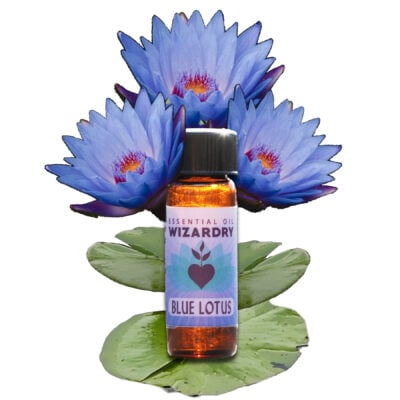
Blue Lotus Absolute (Blue Lotus Oil)
Price range: $55.00 through $633.00 -
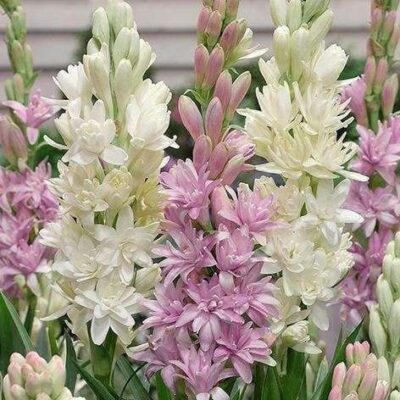
Tuberose Absolute
Price range: $44.00 through $479.00 -
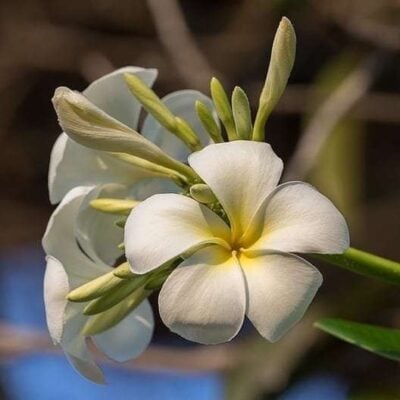
Plumeria Absolute (Frangipani Absolute)
Price range: $39.00 through $333.00 -
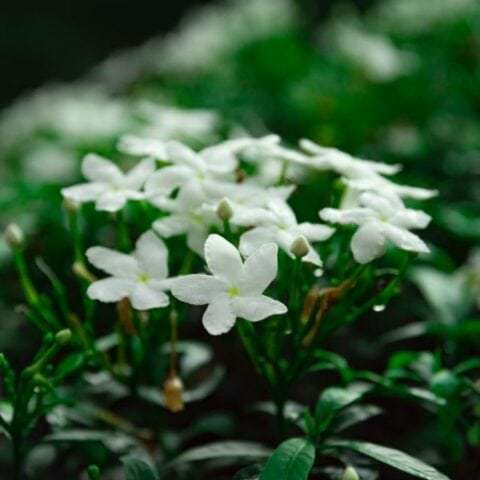
Jasmine Auriculatum Absolute
Price range: $111.00 through $288.00 -
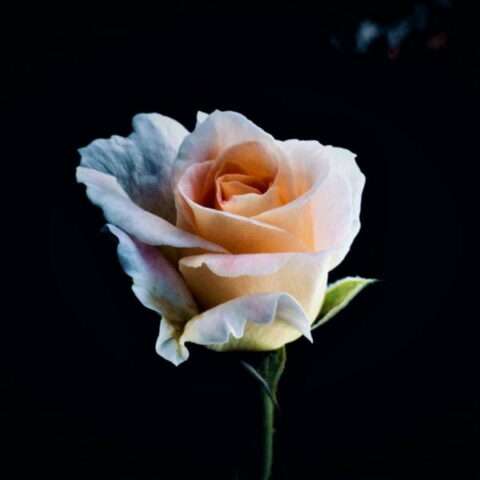
Rose Bourbon Absolute
Price range: $88.00 through $222.00 -
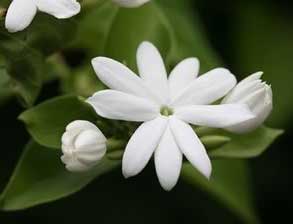
Jasmine Sambac Absolute
Price range: $33.00 through $222.00 -
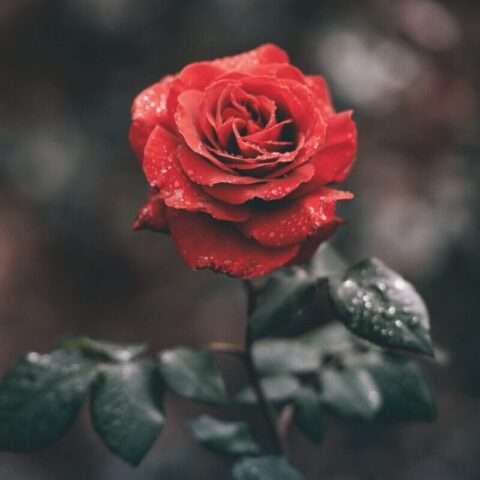
Rose Super
Price range: $55.00 through $185.00 -
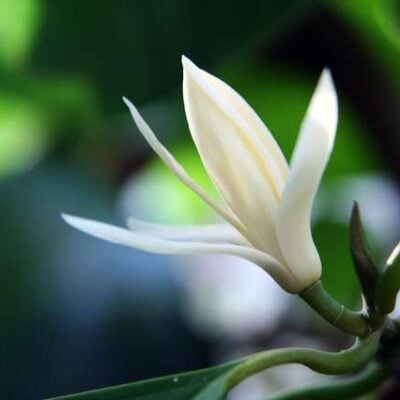
Michelia Alba (Magnolia)
Price range: $55.00 through $111.00
CHECK OUT OUR BLOG
Natural Male Enhancement Tinctures: Tongkat Ali, Epimedium, And Kakanga Compared
A guide to natural male enhancement tinctures, comparing tongkat ali, epimedium, and kakanga root benefits, with insight from Essential Oil Wizardry.
Kanna Tincture vs. Kanna Resin: Which Format Is Right For You?
A guide to kanna tincture vs kanna resin, covering effects, dosing, and how to choose the best kanna format for your practice, from Essential Oil Wizardry.
Rose Absolute vs. Rose Otto: Bulgarian Rose And Rose Bourbon Absolute Compared
A guide to rose absolute, comparing Bulgarian rose absolute and rose bourbon absolute for perfume and ritual use — plus how rose otto (a steam-distilled essential oil) differs — with insight from Essential Oil Wizardry.
What Makes Absolutes Different From Essential Oils
Understanding this distinction changes how you work with these materials. Essential oils are typically produced through steam distillation, a process that uses heat and steam to extract volatile aromatic compounds from plant material. It is effective for many botanicals, but heat destroys the most delicate aromatic molecules, which is precisely why many of the most beloved floral aromas cannot be properly captured through distillation.
Absolutes are produced through solvent extraction, a lower-temperature process that captures a fuller, more complete aromatic profile from the plant. Pharmaceutical-grade hexane is used to extract the aromatic concrete from plant material. The concrete is then washed with ethanol, which separates the aromatic constituents from the waxes and lipids.
When the ethanol evaporates, what remains is an absolute: thick, rich, and deeply representative of the flower it came from. Jasmine, rose, blue lotus, and many other beloved floral aromas would simply not exist in botanical perfumery without this process.
For a detailed overview of the full range of extraction methods and what each yields, our guide on essential oil extraction methods covers the complete landscape. And for those curious about the most concentrated end of the botanical spectrum, our piece on the art of 100x extracts dives into what happens when plant intelligence is distilled to its absolute peak.
Floral Absolutes For Perfume: The Heart Of Any Composition
The heart notes of a natural perfume are where its character truly lives. They unfold in the minutes and hours after application, forming the emotional and aromatic center of the composition. Floral absolutes are the most natural home for this role, and the three jasmines in our collection each offer something distinct.
Jasmine Auriculatum Absolute
Jasmine auriculatum is one of the lesser-known members of the jasmine family, but among natural perfumers who have encountered it, it is deeply appreciated. Its aromatic profile is brighter and fruitier than the more widely available grandiflorum or sambac varieties, with a lively, fresh floral quality that lifts a composition and keeps it from sitting too heavily in the middle register.
Our Jasmine Auriculatum Absolute is carefully sourced and carries a brightness that makes it well-suited as a floral bridge between citrus top notes and deeper, richer base notes. A single drop added to an evolving blend can shift the whole composition toward something more radiant and open. As with all floral absolutes, a very small amount goes a very long way.
Jasmine Sambac Absolute
Jasmine sambac is the night-blooming jasmine, and it carries a character distinctly its own. Spicier, heavier, and more animalic than other jasmine species, it has an indolic quality that many perfumers describe as deeply sensual and hypnotic. It has been called indispensable by some of the most respected voices in natural perfumery, appearing in some form in the majority of serious floral compositions.
Our Jasmine Sambac Absolute is sourced from Egypt and India and carries the full-bodied, rich, and deeply intoxicating character the botanical is celebrated for. It is particularly well-suited to Oriental, floral-oriental, and sensual compositions. Wear it alone as a personal fragrance or use it as the aromatic anchor of a more complex blend. Tenacious and powerful: one small drop lasts for hours.
Jasmine Wax
Jasmine wax is the aromatic concrete from jasmine extraction before the ethanol wash separates the aromatic compounds. It retains both the floral essence and the natural plant waxes, giving it a softer, more rounded character than the pure absolute. In natural perfumery, it functions as an unusual fixative: anchoring floral notes and extending their presence on skin while adding a waxy, almost honeyed depth to compositions.
Our Jasmine Wax can be worked into botanical perfume compositions by dissolving it in perfumer’s alcohol: a starting ratio of 40% wax to 60% alcohol, allowed to mature for several weeks in a cool, dark place before straining, creates a jasmine-enhanced spirit that can be worn directly or blended further. It is an ingredient that rewards patience and experimentation.
Rare Florals Worth Knowing
Beyond the jasmines, several other floral absolutes in our collection bring something that cannot be replicated by any other material. These are the natural perfumery ingredients that give a composition its individuality.
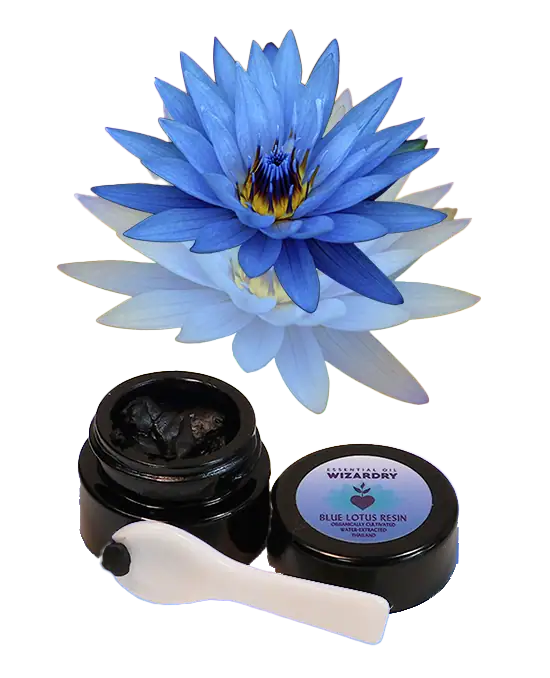
Blue Lotus Absolute
Blue lotus absolute carries one of the most distinctive aromatic profiles in the entire botanical world: honey-sweet, richly floral, slightly earthy, and with a depth that unfolds slowly over time. It is associated with ancient Egyptian and Southeast Asian perfumery traditions and has no true substitute in any natural perfume ingredient list.
In a composition, our Blue Lotus Absolute functions as an extraordinary heart-to-base bridge, adding an ethereal, almost sacred quality that lifts a blend while simultaneously grounding it. It pairs beautifully with oud, frankincense, sandalwood, and rose, and adds a dimension to a perfume that many wearers describe as deeply evocative and unlike anything they have encountered before. Use with great restraint: a trace amount shapes an entire composition.
Rose Super
Rose has been called the Queen of botanicals in perfumery for centuries, and for good reason. The aromatic complexity of a true rose extract, with its hundreds of constituent compounds, is simply not reproducible through any synthetic route. Our Rose Super takes this already extraordinary material and elevates it further: a three-rose synergy of Bulgarian Rose Absolute, Indian Bourbon Rose Absolute, and Premium Rose Otto from Iran, each expression contributing a different dimension to the whole.
Our Rose Super is one of the most complete rose experiences available anywhere. The Bulgarian absolute provides heart-centered, full-bodied depth. The Bourbon Rose adds honey-melon nuances that feel deeply warm and nourishing. The Rose Otto lifts the blend with a lighter, more etheric, mood-elevating quality. Together, they create a rose absolute for perfume that covers the full emotional and aromatic spectrum of the flower.
Michelia Alba
Michelia alba, also known as White Champaca, is one of the most prized and least commonly known florals in natural perfumery. Its aroma is deeply creamy, white-floral, and complex, with fruity top notes, a rich floral heart, and a tea-like, slightly green drydown that feels unlike any other botanical. It has been used in sacred contexts across Southeast Asia and India for centuries and adds a quality of quiet elegance to any composition it joins.
Sourced from China, our Michelia Alba carries a creamy, multi-layered floral profile that the botanical is known for. In a perfume composition, it works well as an unusual floral bridge, softer and more complex than jasmine but equally tenacious and transformative. It pairs beautifully with sandalwood, jasmine sambac, and rose for a deeply lush, Southeast Asian-inspired composition.
Composing With Absolutes: A Perfumer’s Framework
Working with floral absolutes is different from working with essential oils in several important ways. Absolutes are significantly more concentrated, often more viscous, and aromatic at far smaller amounts. A single drop of jasmine sambac or rose super can define an entire composition. Starting conservatively is not timidity; it is good perfumery practice.
A useful starting framework for a floral oriental composition using our collection: begin with a trace of rose super or blue lotus as the heart anchor. Add a slightly larger amount of jasmine sambac for body, warmth, and sensuality. Then, layer a touch of Michelia alba to add creamy, white-floral complexity.
Ground the composition with a resinous or woody base: oud, frankincense, or sandalwood all work beautifully with these florals. Allow the blend to mature for at least two weeks before final evaluation. What seems unbalanced on day one often finds its equilibrium by week two as the aromatic compounds harmonize.
For anyone wanting to go further with our full range of botanical perfumery ingredients, our Botanical Perfumery Collection brings together everything we carry for the craft in one place. And for those who would prefer to work with us directly on a custom creation, our Custom Blend Essential Oil service is available for those ready to commission something entirely their own.
How to Store Your Absolutes
Absolutes deserve careful storage, particularly given their concentration and cost. Keep all bottles tightly sealed immediately after use and store them in a cool, dark environment away from heat, direct light, and air. Many absolutes are thicker than essential oils and may become even more viscous at lower temperatures. A brief warm-water bath is sufficient to bring them back to a pourable consistency if needed.
All of our absolutes are best used within 2 to 5 years of purchase. Heavier, resinous absolutes tend to be more stable over time than lighter floral ones. Rose absolute, in particular, benefits from particularly careful storage as its delicate aromatic compounds are sensitive to oxidation.
Frequently Asked Questions About The Best Absolute Extracts For Perfumery
What are the best absolute extracts for perfumery?
Jasmine sambac, rose absolute, and blue lotus are the three most consistently prized floral absolutes for natural perfume making. Jasmine sambac provides the indolic depth and tenacity that anchors floral compositions. Rose absolute brings unmatched aromatic complexity. Blue lotus adds a dimension that no other botanical replicates. Jasmine auriculatum, jasmine wax, and Michelia alba each bring their own distinct character to a collection.
What are floral absolutes for perfume and how do they differ from essential oils?
Floral absolutes are produced through solvent extraction rather than steam distillation, which allows them to capture the full aromatic profile of delicate flowers that heat would otherwise destroy. The resulting extracts are thicker, more concentrated, and aromatically fuller than their distilled counterparts.
What is jasmine absolute and why is it important in natural perfumery?
Jasmine absolute is one of the most celebrated ingredients in all of perfumery, appearing in quality floral and oriental compositions. Its complex aromatic profile, rich with indolic, sweet, and slightly animalic notes, has a tenacity and depth on skin that is simply unmatched. We carry three jasmine expressions: auriculatum, sambac, and the aromatic concrete jasmine wax.
How do I use rose absolute for perfume making?
Rose absolute is best used in small amounts as a heart note. Our Rose Super combines three rose expressions in a single formulation, making it one of the most complete rose materials available. Begin with a trace amount, allow it to interact with your other ingredients, and adjust from there. Rose absolute pairs beautifully with oud, frankincense, jasmine, sandalwood, and vetiver.
What are natural perfumery ingredients and where do I start?
Natural perfumery ingredients are botanical extracts, including essential oils, absolutes, CO2 extracts, and resins, that form the aromatic building blocks of a natural fragrance. Starting with a few well-chosen absolutes, such as jasmine sambac, rose, and a grounding resin like frankincense, gives you the foundation of a serious natural perfume collection.
How much of an absolute should I use in a perfume blend?
Much less than you expect. Absolutes are typically used at concentrations of 0.5 to 3% in a finished composition, depending on the specific material and the intensity desired. Jasmine sambac and rose are among the most powerful and should be used especially sparingly. Start with a single drop in a test blend and allow it to develop before adding more.
Can I wear absolutes directly on skin?
Most absolutes should be diluted in a carrier oil or perfumer’s alcohol before skin application. A 1 to 2% dilution is a safe and practical starting point for most floral absolutes. Some, like our jasmine sambac anointing oil, is available infused in ORMUS-enhanced fractionated coconut oil, and is ready for direct skin use at appropriate dilutions.
Where can I find the full range of natural perfumery ingredients at Essential Oil Wizardry?
Our Botanical Perfumery Collection brings together our most expressive and carefully sourced materials for natural perfume making, from floral absolutes to rare resins and exotic CO2 extracts.
DISCLAIMER:
The information provided is intended for educational and informational purposes only and reflects historical, cultural, and experiential perspectives. It is not intended to diagnose, treat, cure, or prevent any disease, nor should it be interpreted as medical, legal, or professional advice. Individual experiences may vary. Always use personal discernment and consult a qualified professional when appropriate.