


Breath connects us to life. It’s one of the first things we notice when we pause, and one of the first things that shifts when we feel unwell. When the sinuses feel heavy and the airways feel tight, the body is asking for care. Aromatic plants have been part of that response across various cultures, with steam baths, pine bundles, and mint preparations being used for centuries. Today, essential oils carry this lineage in a more powerful form.
-
Eucalyptus Set
$88.00 -

Allergee
Price range: $33.00 through $77.00 -
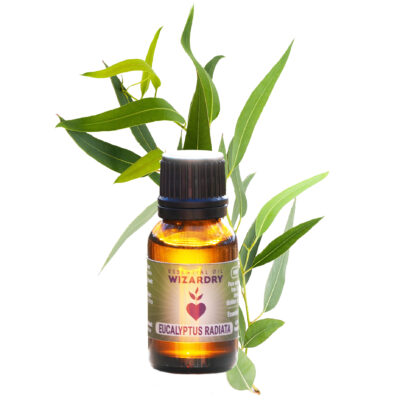
Eucalyptus
Price range: $16.00 through $77.00 -

Ultrasonic Mullein Tincture
Price range: $25.00 through $44.00 -
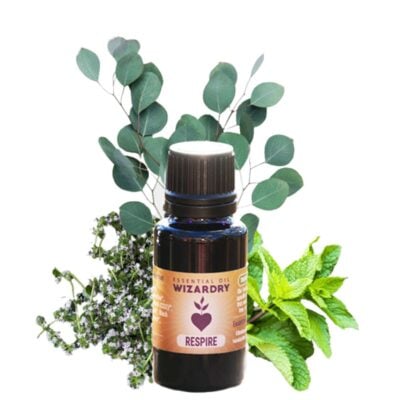
Respire
Price range: $20.00 through $40.00 -
Spark!
Price range: $25.00 through $40.00 -

Ravintsara (Ho Leaf)
$33.00 -
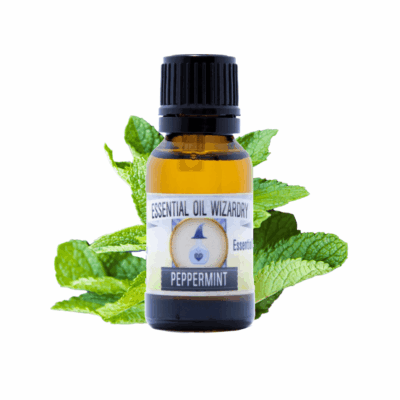
Peppermint
$20.00
CHECK OUT OUR BLOG
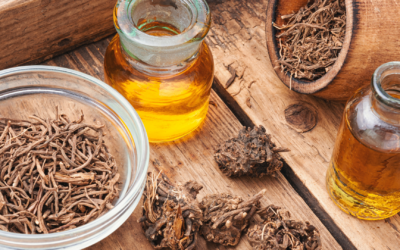
Natural Male Enhancement Tinctures: Tongkat Ali, Epimedium, And Kakanga Compared
A guide to natural male enhancement tinctures, comparing tongkat ali, epimedium, and kakanga root benefits, with insight from Essential Oil Wizardry.

Kanna Tincture vs. Kanna Resin: Which Format Is Right For You?
A guide to kanna tincture vs kanna resin, covering effects, dosing, and how to choose the best kanna format for your practice, from Essential Oil Wizardry.

Rose Absolute vs. Rose Otto: Bulgarian Rose And Rose Bourbon Absolute Compared
A guide to rose absolute, comparing Bulgarian rose absolute and rose bourbon absolute for perfume and ritual use — plus how rose otto (a steam-distilled essential oil) differs — with insight from Essential Oil Wizardry.
What Essential Oils For Sinus Congestion Actually Work?
The best essential oil for congestion isn’t necessarily the strongest or most intense. It’s the one that creates a helpful sensory shift for your body in the moment. That said, certain plants consistently rise to the top of this category because their aromatic compounds interact with the nasal passages in ways that make breathing feel more expansive.
Eucalyptus and peppermint are the cornerstones. Beyond those, botanicals like rosemary, pine, fir needle, tea tree, and ravintsara each bring their own character to respiratory blends. As an optional addition, soft florals like lavender, jasmine, or geranium can be added to round out stronger oils, which many people prefer for evening use. To view more essential oils that invite attention and a slower return to your present moment, we recommend browsing through our essential oils for breathing collection.
What these oils share is a volatile aromatic presence. They move quickly through the air and interact with olfactory receptors in the nasal passages to create sensations of freshness, coolness, or clearing. They don’t physically remove mucus or lessen tissue swelling the way medication does, but they may influence how breathing feels while the body does its own healing work.
Does Eucalyptus Essential Oil Help With Congestion?
Eucalyptus comprises over 700 species, most of which occur naturally in Australia. While different varieties of eucalyptus have different compositions, they typically form oils with a high 1,8-cineole (also called eucalyptol) concentration. Eucalyptus’s primary aromatic constituent, 1,8-cineole, has been studied for its effects on airway function.
The Science Behind Eucalyptus
Research suggests it may support mucociliary clearance, the body’s mechanism for moving mucus through the airways, and has shown anti-inflammatory activity in airway tissue in preclinical models (Juergens, 2014). In practical terms, eucalyptus doesn’t impact swollen nasal tissue the way an antihistamine might. What it does is create a refreshing experience that makes breathing feel a little easier. For many people, that shift is exactly what they need when congestion feels heaviest.
Steam And Direct Inhalation For Airway Comfort
Eucalyptus works especially well in steam inhalation, one of the most direct ways to engage its aroma during periods of congestion. Adding a few drops to a bowl of steaming water and breathing in slowly, with a towel draped over your head, brings the aromatic compounds into close contact with the nasal passages and sinuses. This same principle carries into simpler practices as well, like placing a drop in your palms and inhaling deeply, or using it in a warm shower where steam helps disperse the oil. These approaches focus less on intensity and more on creating a slow and intentional breathing experience.
Using Eucalyptus Essential Oils For Dry Cough Diffusers
A “dry cough diffuser” is a way to use a standard diffuser with specific oils to create a more soothing aromatic environment. Instead of picking sharp or overly cooling oils alone, the goal is to build a blend that feels gentle on the throat while supporting a sense of receptiveness in the airways. Eucalyptus is often included here because it brings uplifting clarity without heaviness, helping the air feel fresher while avoiding the dense, stagnant feeling that can sometimes accompany indoor spaces.
For dry cough scenarios, eucalyptus is often paired with softer oils like lavender or frankincense to round out its camphorous edges. Diffusing for short intervals (20–30 minutes) can help maintain a comfortable atmosphere. This approach works particularly well in the evening or during rest, when the focus shifts from clearing to creating an immersive space that supports more relaxed breathing patterns.
Eucalyptus Varieties: Which Species Is Right For You?
One of the most rewarding things to learn about this botanical family is how diverse its species can be. Most people start with Eucalyptus globulus, which is bold, penetrating, and instantly recognizable. But the genus runs wide!
Eucalyptus radiata carries a fruitier and sweeter fragrance that many people find pleasant for sensitive airways and prolonged diffusion. Meanwhile, Eucalyptus citriodora, the lemon eucalyptus, brings a distinctly citrus-forward brightness. Notably different from its siblings, it’s one of the active botanical ingredients in some plant-based insect repellent formulas. Other varieties offer their own subtleties of complexity and clarity.
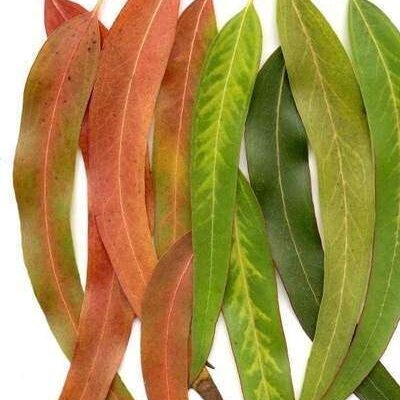
For anyone serious about building a respiratory aromatic toolkit, our Eucalyptus Essential Oil Set offers six varieties for side-by-side comparison. Experiencing the differences firsthand deepens sensory literacy and helps you identify which aromatic profiles resonate most with your body, and which to reach for in any given moment. If you’re looking to branch out beyond eucalyptus, it’s worthwhile to view our collection of respiratory essential oil blends, which may help anchor you back in the present.
Peppermint As An Essential Oil For Nasal Congestion
Where eucalyptus penetrates and clears, peppermint cools. Its menthol content produces a light and invigorating sensation in the nasal passages, even when physical congestion persists. It’s particularly useful during the day when congestion is accompanied by fatigue or mental fog. Its awakening quality helps counter that heavy-headed feeling in a way that eucalyptus sometimes doesn’t.
Peppermint also layers beautifully with eucalyptus in a diffuser blend. The eucalyptus provides complexity and depth, while the peppermint adds a brighter, cooler top note that keeps the combination from feeling medicinal. A 3:2 ratio of eucalyptus to peppermint is a reliable starting point for most rooms.
Our Peppermint Oil is organically sourced from India and South Africa, steam distilled, and rich in menthol. Start with fewer drops than you think you need. It’s strong, and a little goes a long way in both diffusion and topical use. Keep it away from the eye area and use with caution around young children.
Essential Oils For Steam Inhalation: The Most Direct Method
Steam inhalation is the most direct way to use essential oils for congestion, and it remains among the most popular. The warm vapor carries aromatic molecules directly to the nasal passages and sinuses, creating a near immediate sense of opening.
- Simple Steam Practice: Add 2–3 drops of eucalyptus, peppermint, or a blend of both to a bowl of steaming water. Drape a towel over your head, close your eyes, and breathe slowly through your nose for 5–10 minutes. This is especially helpful first thing in the morning when nasal congestion is often most pronounced.
- Shower Ritual: Adding a few drops of eucalyptus to the shower floor allows the rising steam to carry the aroma into the air, creating a gentle steam inhalation effect as you breathe in during your cleansing routine.
- Personal Inhaler: A small portable inhaler loaded with your chosen blend delivers on-demand aromatic support throughout the day in the car, at your work desk, or mid-commute when a diffuser isn’t practical.
For travel and seasonal transitions, building a portable respiratory kit around these methods is one of the most practical botanical investments you can make. Our immune support essential oil blends collection offers a thoughtful starting point for assembling that kit, with options suited to a range of environments and seasonal shifts.
An Easy Essential Oil Blend For Congestion
Diffusion offers a gentler, more ambient way to work with essential oils compared to steam inhalation. It’s especially useful for creating a supportive breathing environment over a longer period, whether during the day or overnight. Rather than running a diffuser continuously, shorter sessions of about 20–30 minutes tend to be more effective and help preserve your sensitivity to the aroma.
Daytime Congestion Diffuser Blend
For daytime congestion, a simple blend of eucalyptus and peppermint with a touch of rosemary or lemon creates a crisp, refreshing atmosphere. This combination feels radiant and energizing, making it a good fit for mornings or midday moments when you’re looking to support both mental clarity and a more open breathing experience.
An Evening Essential Oil Blend For Dry Cough And Rest
In the evening, when congestion or a dry cough becomes more noticeable, the focus shifts toward creating a softer, more mellow environment. A blend built around eucalyptus, especially the gentler radiata variety if available, paired with lavender and a grounding note like frankincense, cedar atlas, or sandalwood, helps smooth out the more intense scents. The result is a harmonious, well-rounded aromatic space that promotes slower breathing and a more restful transition into sleep.
Building A Seasonal Breathing Ritual
The most meaningful use of these oils isn’t a single moment of relief. It’s a sustainable practice that weaves aromatic support into the rhythm of your day, particularly during the months when respiratory discomfort tends to increase. A morning steam, a midday peppermint inhalation, or an evening diffuser blend before sleep are all small rituals that tend to accumulate into a supportive seasonal practice.
Wherever you’re starting, the practice begins with the breath. No matter if you’re drawn to a single bottle of eucalyptus or a pre-formulated blend, slow, deliberate inhalation in the presence of a plant aroma you trust is one of the simplest and most immediate ways to return to the wisdom of Mother Earth.
Frequently Asked Questions About The Best Essential Oil For Congestion
What is the best essential oil for congestion overall?
Eucalyptus and peppermint are the most consistent and widely effective options. Eucalyptus offers deeper, more penetrating aromatic support, while peppermint brings a lighter, cooling freshness.
What essential oils for sinus congestion work best in steam?
Eucalyptus is the classic choice, and 2–3 drops in steaming water is the traditional method. Peppermint can be added in smaller amounts for a brighter note. Keep eyes closed during steam inhalation with either oil.
What is the difference between a diffuser blend and steam inhalation for congestion?
Steam inhalation is more concentrated and direct, since the aromatic molecules make closer contact with the nasal passages. Diffusion is gentler and more ambient, which is better for sustained support over time or during sleep.
How many drops of the best essential oil for congestion should be used for steam inhalation?
Most people use one to three drops of essential oil in a bowl of warm water for steam inhalation. Using small amounts helps keep the aroma comfortable while still creating a noticeable scent.
Are the best essential oils for congestion helpful for dry indoor air during colder seasons?
Diffusing essential oils can add aromatic moisture to the air when used with water-based diffusers. Many people find this especially comforting when indoor heating makes the air feel dry.
Can different essential oils be combined into one blend for congestion?
Yes. Creating an essential oil blend for congestion is common. Combining oils such as eucalyptus and peppermint can create layered aromas that feel both cooling and uplifting.
What are the most common ways to use essential oils for breathing rituals?
Popular methods include diffusion, steam inhalation, shower steam rituals, and aromatic inhalers. Each approach allows the scent to interact with the senses in slightly different ways.
Do the best essential oils for congestion lose their aroma over time?
Yes. To keep them fresh for longer, store them in dark glass bottles, tightly sealed, away from heat, direct sunlight, and temperature fluctuation. Like all Essential Oil Wizardry products, all of our essential oils for congestion are best used within 2–5 years when used with care.
Can the best essential oils for congestion be used in travel routines?
Many people carry small bottles or aromatic inhalers while traveling. This allows them to enjoy familiar scents even in changing environments such as airplanes or hotels.
DISCLAIMER:
The information provided is intended for educational and informational purposes only and reflects historical, cultural, and experiential perspectives. It is not intended to diagnose, treat, cure, or prevent any disease, nor should it be interpreted as medical, legal, or professional advice. Individual experiences may vary. Always use personal discernment and consult a qualified professional when appropriate.
Sources:
- Juergens, U. R. (2014). Anti-inflammatory properties of the monoterpene 1,8-cineole: Current evidence for co-medication in inflammatory airway diseases. Drug Research, 64(12), 638–646.https://doi.org/10.1055/s-0034-1372609