


WHAT ARE essential oilS?
Stay Harmonious With All the Magick
Join our mailing list to receive the latest wizard updates from our team.
WHAT ARE essential oilS?
We love them, we use them every day, we sell hundreds of different kinds, and we spend a good part of our time geeking out about them, but what are essential oils? One of the most frequently asked questions we receive is just that, and it’s time to dive into this deep topic of what essential oils really are.
Essential oils are the volatile aromatic molecules found inside of plants that are responsible for their flavor and fragrance. Basically, you could break this statement down to say that the essential oils are the aspects of the plant that allow them to have a particular taste and smell. The word volatile in this case means that they can be quickly transformed from a liquid to gas state – hence the prominent use of essential oils in therapeutic practices such as Aromatherapy as well as Vaporization.
The essential oils are truly the life essences of plants, which are created through the secretory cells of the plants that have tapped into the energy of the sun and internally convert this energy with the help of their own enzymes into biochemical energy in the form of highly diversified aromatic molecules. If you ask me, it’s basically like saying that plants and flowers have the ability to transform the sunlight into the most amazing scents, flavors, and therapeutic formulations on the planet! I always knew plants were magical.

“…but what is this elusive essence of plant material called essential oil? It is the heart and soul of the plant. It is the essence that deters bugs from eating the plant. It is the fragrant aromatic heart of the plant that attracts bees and pollinating insects. It is the chemical component contained in the tiny plant cells that are liberated during the extraction process.”
– Jean Rose
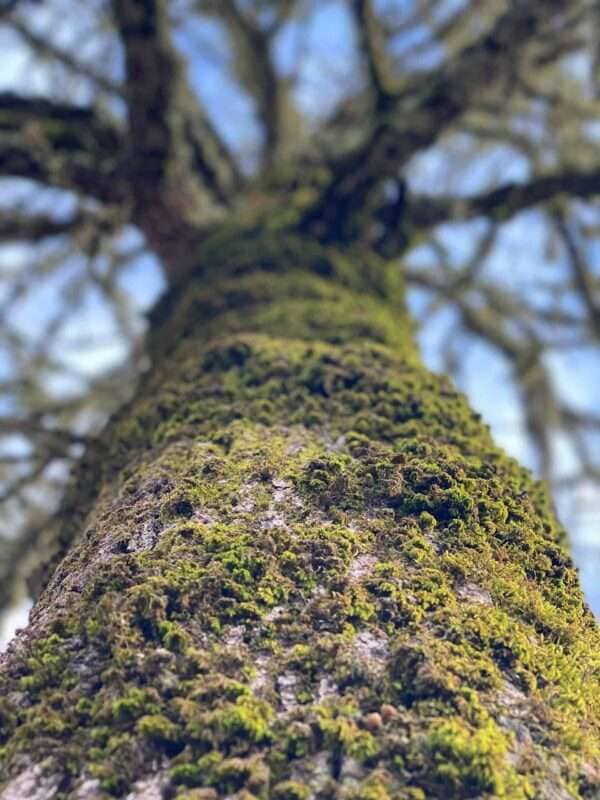
One of the most amazing things I’ve learned over the years about essential oils is that they can act as the immune system of a plant. Nature has adapted over millennia to survive amongst the elements, and essential oils function as the immune system and communication within nature. If a tree cuts itself and gets exposed to bacteria – for example – the sap it produces actually promotes its own immune system. Bleeding its thick, resinous sap provides anti-bacterial/ anti-fungal effects to reduce damage upon the tree from a gash or wound it might incur; This in turn modulates its immune system by warding off pathogenic bacteria. When we take essential oils into our bodies in the many ways we can (Read: How to Use Essential Oils), we are taking in the protection of Nature!
The essential oils within plants are typically rich in many types of potentially medicinal constituents or components; These include Monoterpenes, Sesquiterpenes, Alcohols, Esters, Ketones, Aldehydes, and Lactones. Unless you have a background in organic chemistry, not many of these terms may be familiar to you, but all of these different constituents create unique responses within the human body. For example, one property of a Ketone is that it tends to have a higher propensity for passing through the blood-brain barrier. Both an Alcohol and an Ester create calming qualities in the body and have sweeter, fruity aromatic notes. Monoterpenes, as another example, tend to evaporate at very low temperatures.
BIOLOGICAL ROLE OF ESSENTIAL OILS
All of these different concentrated plant essences, or aromatic compounds, act as messenger molecules in nature. An example of this is a flower’s aroma, which is innately responsible for attracting pollinators to prolong its species survival. Another example is a peppermint plant producing an aroma so strong that its essential oils actually repel certain herbivores like mice. The biological role of essential oils could be separated into a few different categories:
Attraction of Pollinators – Like the example above, the essential oils that a flower produces attracts certain species of pollinators, especially night-flying insects, moths, and bats, as these animals’ visual stimulus is practically absent and therefore scent is relied upon.
Plant to Plant Competition (Allelopathy) – This term refers to the compounds that prevent the growth of competing vegetation near established plants. The essential oils (specifically the Monoterpenes found in essential oils) are actually cytotoxic to plant tissues, and lead to competing plants not being able to photosynthesize or germinate, allowing well-established plants to claim their territory.
Defence Mechanism – As with the example of peppermint being repulsive to mice, there are many plants that actually repel or are even toxic to certain species of animals, insects, and microbes. The essential oils of Citronella and Tea Tree are known to keep insects like mosquitoes away. This is why we created our Bug Repel formula!
Antimicrobial Properties – Remember the tree producing its sap to protect itself against fungal infection? This is due to the essential oils it produces. What is neat is that many of these anti-microbial properties that work for the trees have the same effect on humans! One of our most popular and potent antimicrobial blends is our Immunity Oil and the tincture form which is called Super Immune Boost, and is similar to a Thieves Blend.
Antitranspirant Action – Essential Oils also serve the biological purpose of creating a film of oil on the surface of the plant so that water-loss in minimized. One that is well-known for its antitranspirant action is the pine essential oil, and these antitranspirants are used commonly by florists who are wanting to keep leaves looking fresher and greener longer.
Wound Healing – Similarly to the antimicrobial and immune-supporting qualities of essential oils, they are also excreted by a plant when healing to a certain part of its system is needed. Amazingly, there are many essential oils that play a role in wound healing and recovery for us as well!
WHERE DO ESSENTIAL OILS COME FROM?
On an esoteric level, essential oils are considered to be the soul essence of a plant; In other words, the essential oils are the spiritual intelligence a plant has to offer.
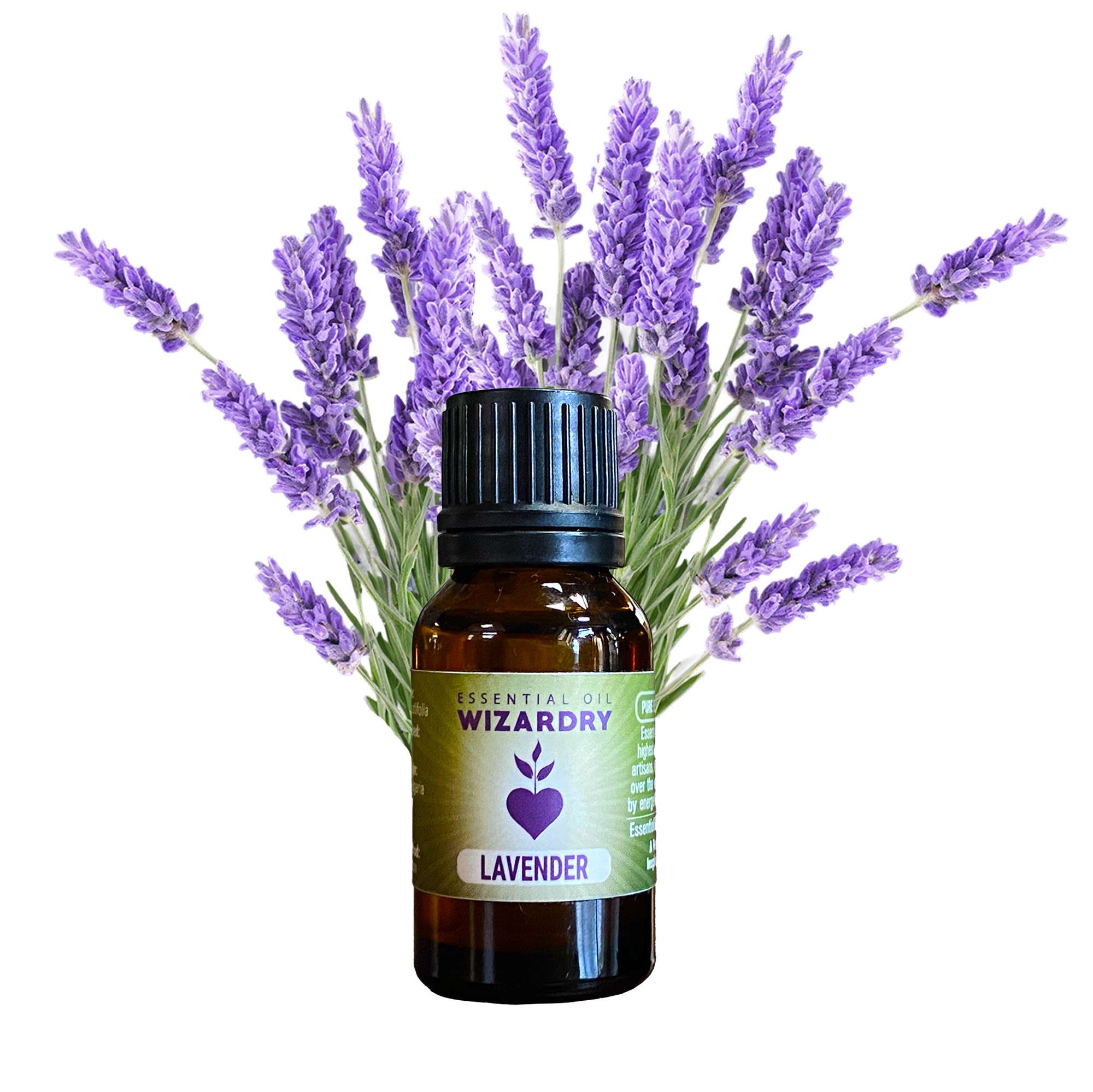

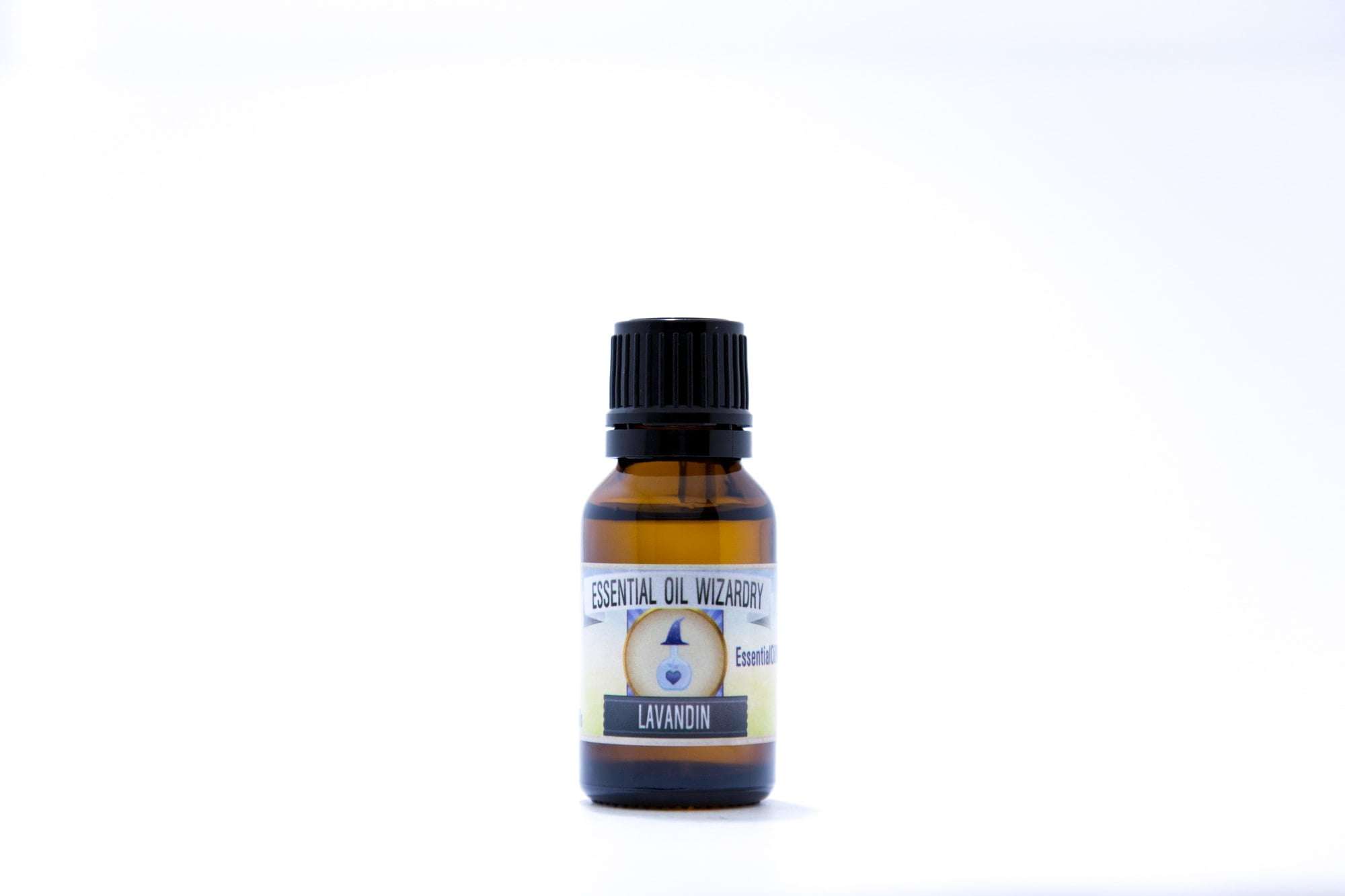
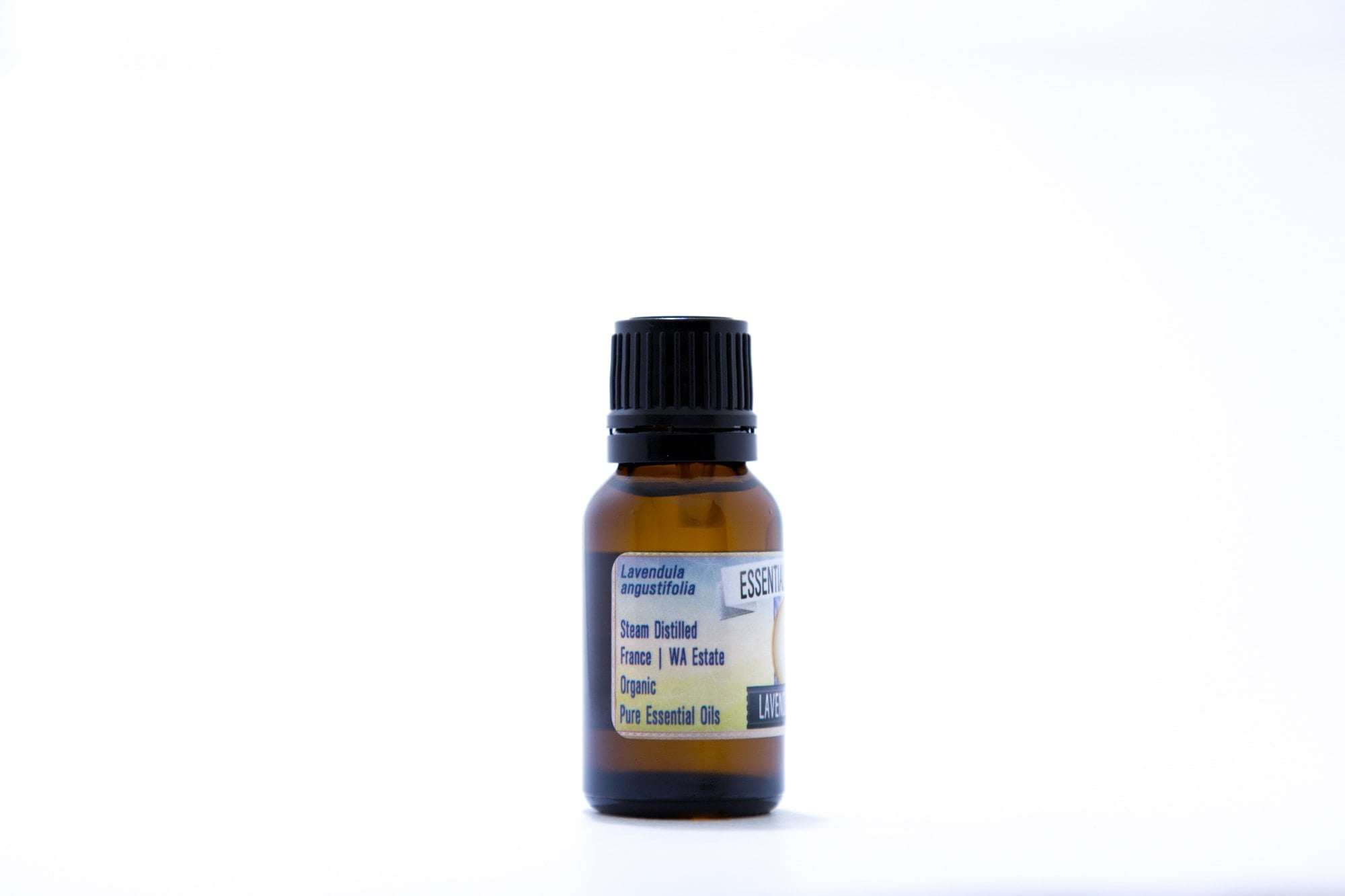
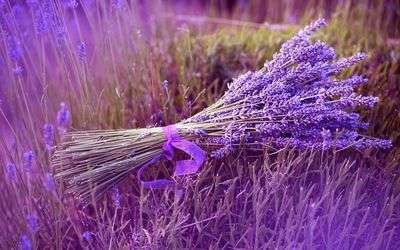
Lavandin or Lavandula intermedia is a hybridized version of the lavender plant (a mix between Lavandula angustifolia and Lavandula latifolia) that makes it a very potent essential oil that may have an even higher anti-microbial profile, as well as is widely perceived to reduce stretch marks and scars on the skin. Lavandin can contain significant amounts of camphor, and may be overly-stimulating for some and may not be recommended for those with seizure disorder. May also offer supportive respiratory stimulation.
With the many known benefits of lavender essential oil, and the increasing scientific research being compiled as we speak, lavender is a go-to essential oil to have on hand! From its anti-microbial, anti-inflammatory, soothing, and calming properties, it is an all-around winner when it comes to working with the body in a more natural and holistic way. Whether you are a trained aromatherapist, a massage therapist, or just a health-conscious individual, lavender just may be a new plant ally for you! For over 300 high-quality organic essential oils including many different varieties of lavender and lavandin, check out EssentialOilWizardry.com.
~ Live Blessed ~
References:
- “Lavender.” National Center for Complementary and Integrative Health, U.S. Department of Health and Human Services, 30 Nov. 2016, nccih.nih.gov/health/lavender/ataglance.htm.
- Koulivand, Peir Hossein, et al. “Lavender and the Nervous System.” Evidence-Based Complementary and Alternative Medicine : ECAM, Hindawi Publishing Corporation, 2013, www.ncbi.nlm.nih.gov/pmc/articles/PMC3612440/.
- “Guide to Diluting Essential Oils: AromaWeb.” Aromatherapy and Essential Oil Information, www.aromaweb.com/articles/dilutingessentialoils.asp.
- Stewart, Erin. “The Differences Between Lavender Essential Oils.” Aroma Culture, Aroma Culture, 3 Aug. 2017, www.aromaculture.com/blog/the-differences-between-lavender-essential-oils.
- “Linalool.” Linalool – an Overview | ScienceDirect Topics, www.sciencedirect.com/topics/agricultural-and-biological-sciences/linalool.
- Cronkleton, Emily. “What Is Aromatherapy and How Does It Help Me?” Healthline, Healthline Media, 8 Mar. 2019, www.healthline.com/health/what-is-aromatherapy.