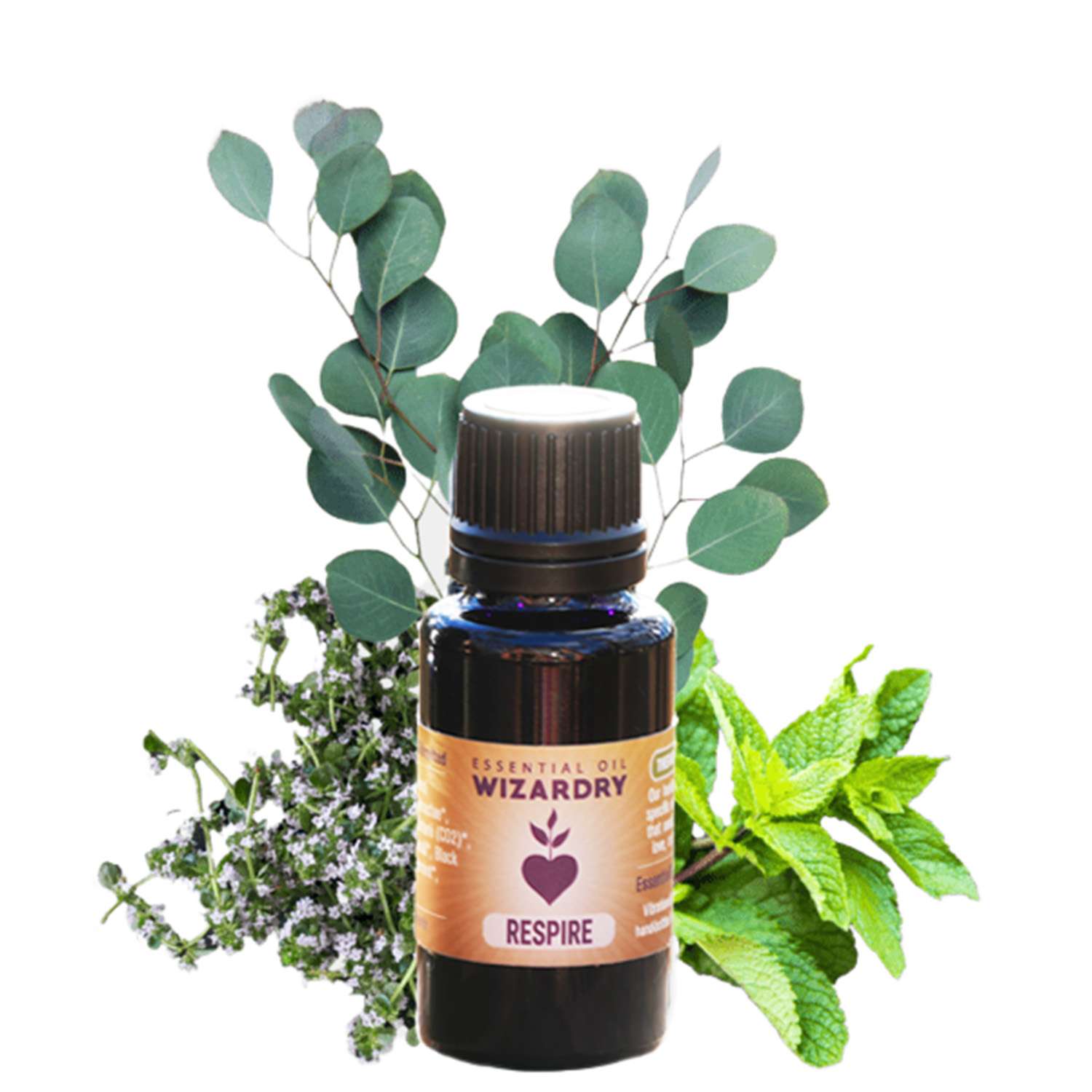
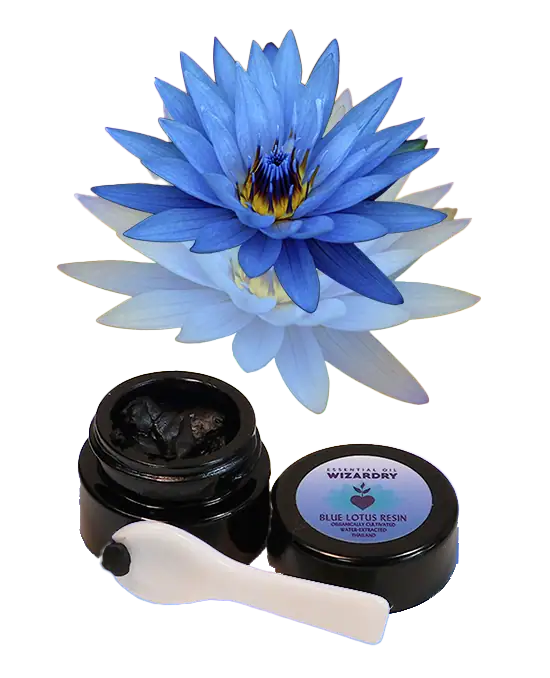
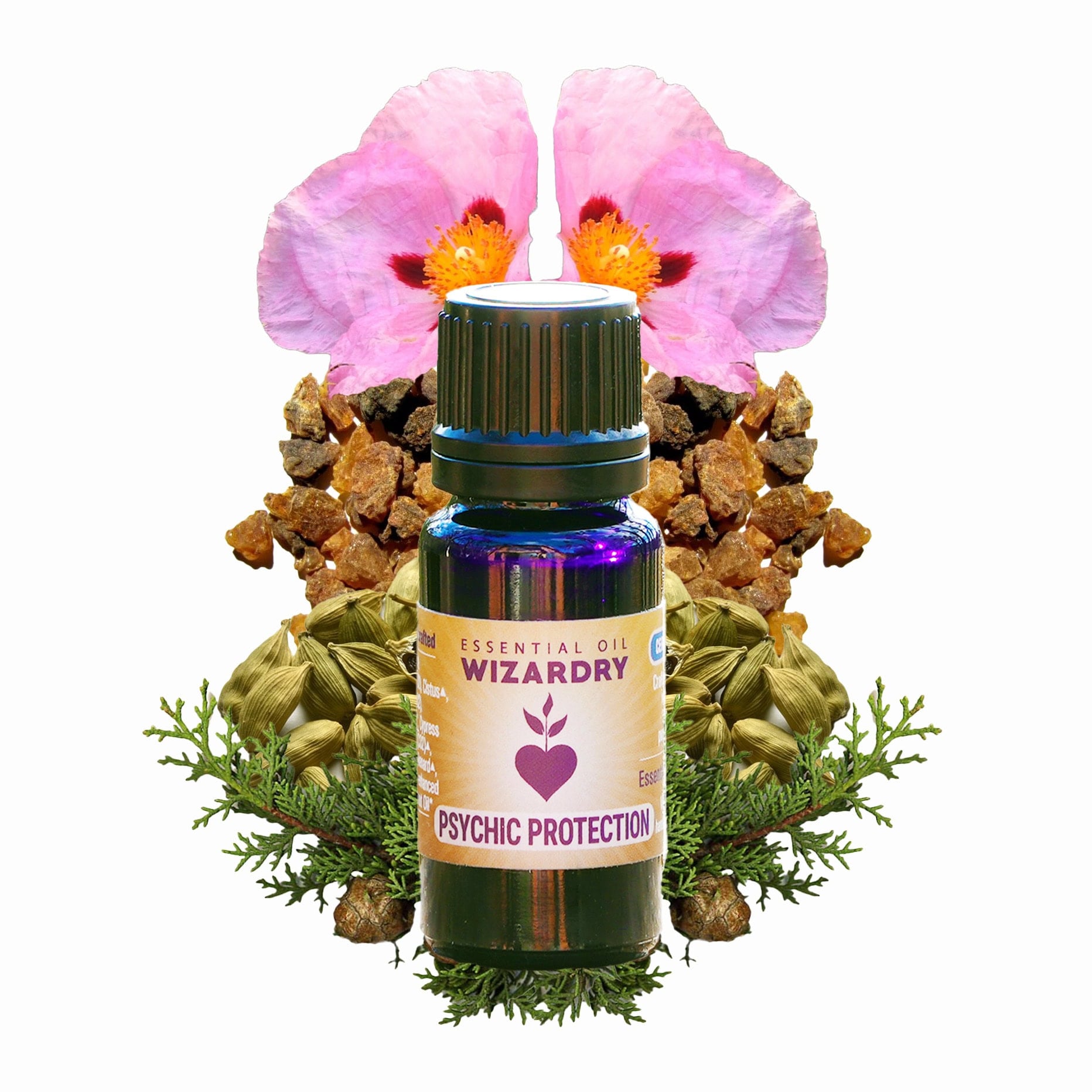



At Essential Oil Wizardry, we have spent years building relationships with distillers, farmers, and wildcrafters around the world to bring rare and exceptional botanicals to our collection. Our oils are vibrationally enhanced using ORMUS and BioGeometry, prepared in small batches, and never compromised in quality. Founded by a holistic-minded, retired pharmacist, we approach natural perfumery with depth, care, and love of plants.
-
Rose Essential Oil
Price range: $33.00 through $269.00 -
Exquisite Perfume Sampler
Price range: $111.00 through $222.00 -
Jasmine Sambac Absolute
Price range: $33.00 through $222.00 -
Neroli
Price range: $25.00 through $188.00 -
Australian Sandalwood
Price range: $55.00 through $144.00 -
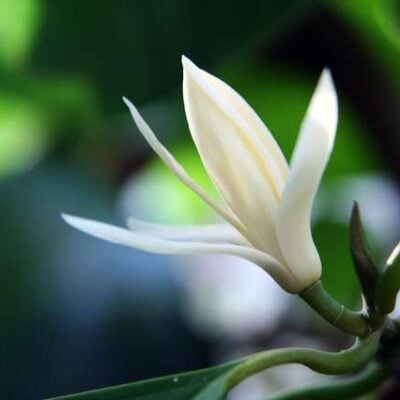
Michelia Alba (Magnolia)
Price range: $55.00 through $111.00 -
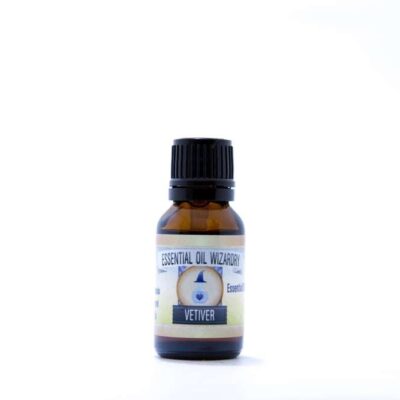
Vetiver
Price range: $25.00 through $55.00 -
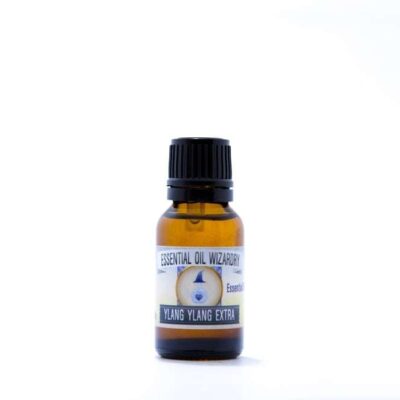
Ylang Ylang
Price range: $40.00 through $45.00
CHECK OUT OUR BLOG
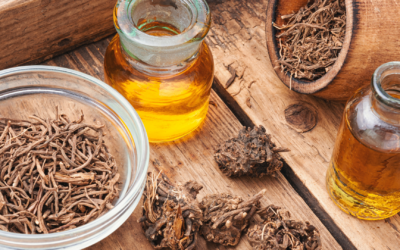
Natural Male Enhancement Tinctures: Tongkat Ali, Epimedium, And Kakanga Compared
A guide to natural male enhancement tinctures, comparing tongkat ali, epimedium, and kakanga root benefits, with insight from Essential Oil Wizardry.
Kanna Tincture vs. Kanna Resin: Which Format Is Right For You?
A guide to kanna tincture vs kanna resin, covering effects, dosing, and how to choose the best kanna format for your practice, from Essential Oil Wizardry.
Rose Absolute vs. Rose Otto: Bulgarian Rose And Rose Bourbon Absolute Compared
A guide to rose absolute, comparing Bulgarian rose absolute and rose bourbon absolute for perfume and ritual use — plus how rose otto (a steam-distilled essential oil) differs — with insight from Essential Oil Wizardry.
The Architecture Of Scent: How Natural Perfume Essential Oils Work
Natural perfumery is built on understanding how aromatic compounds evolve over time. A well-constructed botanical fragrance is not a single note but a journey that changes from first application through the hours that follow.
Top, Middle, And Base Notes Explained
Perfumers organize aromatic ingredients into three layers based on volatility. Top notes are the most volatile, the first thing you smell, and the first to fade within about thirty minutes. Middle notes form the heart of the fragrance, emerging after top notes soften and lasting several hours. Base notes are the slowest to evaporate, anchoring the blend and lingering the longest.
A typical starting ratio is 30% top notes, 50% middle notes, and 20% base notes, though personal preference will shift this. For a deeper look at how extraction methods affect aromatic character in perfumery-grade botanicals, our guide on CO2 vs steam distilled oils is a useful companion.
Choosing Your Carrier For Natural Perfume
Essential oils must always be diluted before skin contact, and the carrier shapes the feel and longevity of your natural perfume. Jojoba is the most popular choice due to its skin compatibility and long shelf life. A perfume oil concentration typically runs between 15 and 30% essential oil to carrier. Our guide on carrier oils for essential oils covers all options and properties.
For reference, many of the formulations produced by Essential Oil Wizardry are intended to be potent and blended between 40-75%.
Best Essential Oils For Fragrance: The Florals
Floral botanicals are the heart of perfumery across virtually every tradition. Rose, jasmine, neroli, and ylang ylang have formed the backbone of fine fragrance for centuries, bringing genuine olfactory complexity to natural perfume work.
Jasmine And Rose: The Classic Perfumery Absolutes
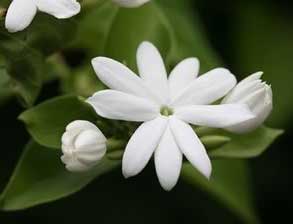
Jasmine Sambac Absolute is among the most prized aromatics in perfumery. Extracted from Jasminum sambac through solvent extraction, it carries a richly indolic, warm, intensely floral character at the heart of countless classic fragrances. Its complexity shifts between honey, green, and animalic facets as it warms on the skin.
Rose Essential Oil is the other great pillar of floral perfumery. Rich in citronellol and geraniol, it carries a dewy, slightly spiced quality that distinguishes true rose from any synthetic approximation. Rose functions beautifully as a middle note, adding a luminous heart to any botanical composition. For a truly unique, deeply musky, and green Rose, try our fabled Bourbon Rose Absolute from India!
Neroli And Ylang Ylang: Brightness And Depth
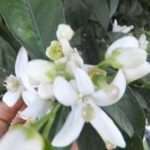
Neroli Oil, distilled from bitter orange blossoms, is one of the most refined florals for natural perfumery. Its linalool and linalyl acetate content give it a clean, slightly citrusy, deeply floral character that bridges top and middle notes. Our Neroli Oil is distilled from organically cultivated blossoms.
Ylang Ylang Essential Oil brings intensely sweet, creamy, exotic floral depth, unmistakable in fragrance. Used sparingly, it adds warm, tropical sensuality that few other oils can provide. For ready-made blends that lean into intimate floral qualities, our Aphrodisiac Essential Oil Blend is a beautiful starting point.
DIY Perfume With Essential Oils: The Earthy Base Notes
Base notes give a natural perfume its lasting presence and depth. Patchouli, vetiver, myrrh, and sandalwood are among the most important base note botanicals in perfumery, each grounding and anchoring a composition.
Patchouli And Vetiver: Grounding Earthy Depth
Patchouli Oil is one of the most recognized aromatics in natural perfumery. Its deep, earthy, slightly sweet, and fermented character has shaped entire fragrance categories. Aged patchouli develops a smoother, rounder quality over time. Our Patchouli Oil is sourced from organically cultivated Indonesian plant material.
Vetiver Oil, distilled from the roots of Vetiveria zizanioides, carries smoky, woody, earthy complexity palpable in every drop. It anchors a composition with quiet authority and adds depth difficult to achieve with any other single ingredient.
Sandalwood Hydrosol: Soft Woody Elegance
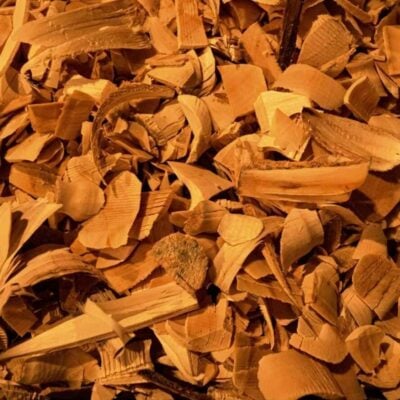
Sandalwood Hydrosol offers the gentle, creamy, woody warmth of sandalwood in an aqueous form that integrates beautifully into natural perfume formulations. It provides a softer, more diffusive woody quality than full sandalwood essential oil, layering gracefully under floral and citrus notes.
Natural Perfume Essential Oils: Starting With Our Collection
Building a natural perfume requires access to high-quality botanicals, and sourcing matters enormously to the final olfactory result. All of our perfumery botanicals are ethically sourced, vibrationally enhanced, and never adulterated.
The Natural Perfume Sampler: A Complete Starting Point
Our Natural Perfume Sampler brings together a curated selection of our most prized perfumery botanicals for those beginning to explore natural fragrance. It offers a pre-curated aromatic palette with natural harmony already built in.
Working With Rare And Precious Oils
Several of our perfumery botanicals, including jasmine absolute, rose, and neroli, require extraordinary quantities of plant material to produce small amounts of extract — not merely ingredients but distillations of labor, land, and living chemistry. Our Custom Blends service offers a way to work with our team on a personalized botanical fragrance.
Storing And Caring For Your Perfumery Botanicals
Perfumery-grade botanicals are among the most sensitive to store. Florals like jasmine and rose are particularly vulnerable to oxidation, while base notes like vetiver and patchouli are more stable and can even improve with age. Keep all perfumery botanicals sealed tightly in dark glass in a cool, dry cabinet away from heat and light. Jasmine and rose benefit from refrigeration when not in active use. All of our perfumery oils are best used within 2 to 5 years of opening.
Frequently Asked Questions About Essential Oils For Perfume
What are the best essential oils for fragrance?
Rose, jasmine absolute, neroli, ylang ylang, patchouli, vetiver, and sandalwood are among the most important botanicals in natural perfumery. Each plays a distinct role across the top, middle, and base note structure, forming the foundation of a wide range of natural fragrance compositions.
How do I start making DIY perfume with essential oils?
Begin with a simple three-note structure: one top note, one middle note, one base note. A starting ratio of 30% top, 50% middle, and 20% base diluted to 15 to 30% in jojoba is a practical framework. Start small, test on skin, and allow the blend to rest for 24 to 48 hours before evaluating.
What is the difference between natural perfume essential oils and synthetic fragrance?
Natural perfume essential oils come directly from plant material through distillation, expression, or solvent extraction. Synthetic fragrance is composed of laboratory-created aromatic chemicals. Natural botanicals carry the full chemical complexity of the living plant and evolve on skin in ways synthetic fragrance cannot.
How long does a natural perfume made with essential oils last?
Natural perfumes typically last between two and six hours on skin, depending on concentration, specific oils, and skin type. Base-heavy compositions with patchouli, vetiver, or sandalwood tend to linger longer, while lighter floral blends are more fleeting.
Can I blend essential oils for perfume making without experience?
Yes. Natural perfumery is accessible to anyone willing to work slowly and trust their nose. Start simply, work in small amounts, and keep notes. Our Natural Perfume Sampler is designed as an entry point for exploratory, intuitive fragrance work.
How should I store my perfumery essential oils?
Keep all bottles sealed tightly in dark glass in a cool, dry cabinet. Florals like jasmine and rose benefit from refrigeration between uses. Our perfumery oils are best used within 2 to 5 years of opening.
DISCLAIMER:
The information provided is intended for educational and informational purposes only and reflects historical, cultural, and experiential perspectives. It is not intended to diagnose, treat, cure, or prevent any disease, nor should it be interpreted as medical, legal, or professional advice. Individual experiences may vary. Always use personal discernment and consult a qualified professional when appropriate.
Sources:
- Tisserand, R., & Young, R. (2014). Essential oil safety: A guide for health care professionals (2nd ed.). Churchill Livingstone/Elsevier.
- Lawless, J. (2013). The encyclopedia of essential oils: The complete guide to the use of aromatic oils in aromatherapy, herbalism, health and well-being. Conari Press.