


Hair growth might seem like a cosmetic goal, but it begins somewhere far more fundamental. Beneath each strand is a living follicle influenced by circulation, nourishment, and the condition of the scalp environment it grows from. While genetics and internal health set the foundation, topical botanical care has long been part of traditional hair rituals across cultures as a steady, patient practice.
-
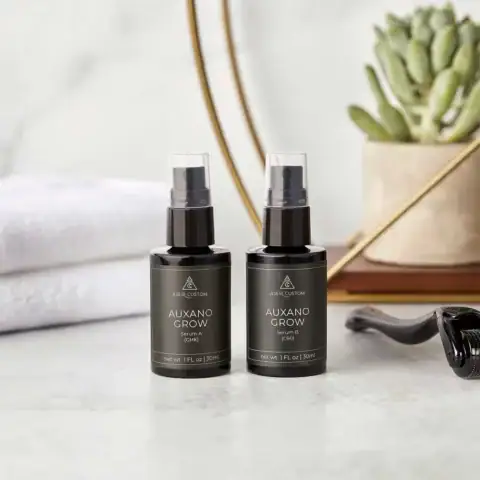
Auxano Grow
$249.00 -
Blue Yarrow
Price range: $45.00 through $111.00 -
Ylang Ylang
Price range: $40.00 through $45.00 -
Ginger
Price range: $35.00 through $45.00 -

Sexy Hair
Price range: $25.00 through $44.00 -
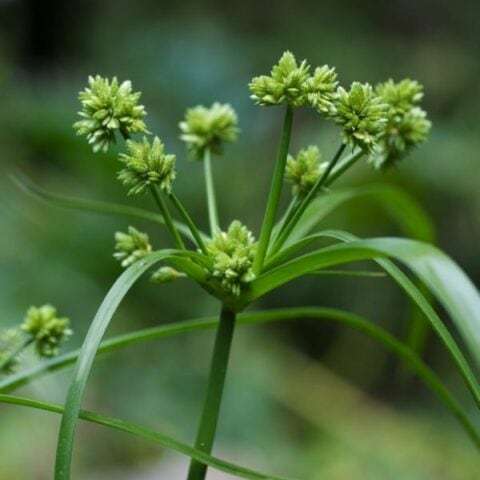
Nagarmotha (Cyperus)
$35.00 -
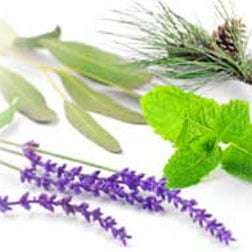
InVigor
Price range: $20.00 through $35.00 -
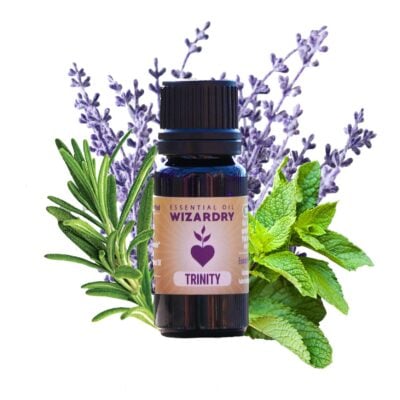
Trinity Blend
Price range: $20.00 through $35.00
CHECK OUT OUR BLOG
Natural Male Enhancement Tinctures: Tongkat Ali, Epimedium, And Kakanga Compared
A guide to natural male enhancement tinctures, comparing tongkat ali, epimedium, and kakanga root benefits, with insight from Essential Oil Wizardry.
Kanna Tincture vs. Kanna Resin: Which Format Is Right For You?
A guide to kanna tincture vs kanna resin, covering effects, dosing, and how to choose the best kanna format for your practice, from Essential Oil Wizardry.
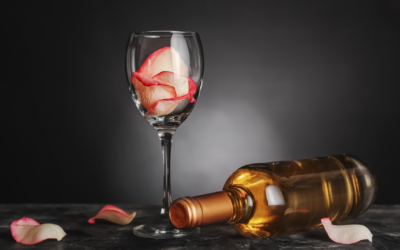
Rose Absolute vs. Rose Otto: Bulgarian Rose And Rose Bourbon Absolute Compared
A guide to rose absolute, comparing Bulgarian rose absolute and rose bourbon absolute for perfume and ritual use — plus how rose otto (a steam-distilled essential oil) differs — with insight from Essential Oil Wizardry.
Where Hair Vitality Begins: The Scalp
Hair growth starts beneath the surface. Each strand emerges from a follicle that depends on blood flow, sebum balance, and an unobstructed, well-maintained scalp environment. Essential oils for hair growth work best when they’re applied with intention to that environment, not just to the visible hair shaft.
How Scalp Conditions Influence The Hair Cycle
When the scalp feels congested or overly dry, hair cycles can become less consistent over time. Traditional oils used to support hair growth were typically applied through massage: a practice that combined the aromatic profile of plant compounds with the mechanical stimulation of touch. Increased blood flow delivers the nutrients and oxygen that actively growing follicles need.
The Importance Of A Balanced Scalp Environment
When the scalp feels congested, irritated, or overly dry, the environment around the hair follicle can become less supportive of consistent hair cycling over time. Healthy hair growth depends on a balanced scalp ecosystem, one where follicles are able to receive adequate oxygen, nutrients, and circulation while remaining free from excess buildup. When that balance shifts, strands may appear thinner, growth may feel slower, or the scalp itself may feel tight or uncomfortable.
Traditional Oil Massage For Scalp Support
For this reason, many traditional hair rituals centered around scalp massage with botanical oils rather than relying on a single ingredient alone. Oils were applied slowly and worked into the scalp with the fingertips, allowing the pleasantly aromatic compounds of the plants to interact with the skin while the mechanical action of massage encouraged circulation. This combination of plant oils and touch helped create conditions that felt more supportive for the scalp.
Building A Foundation For Hair Care
The overall goal is a scalp environment that feels clean, nourished, and receptive. If you’re new to working with plant extracts and want to understand more about how they’re made and why they behave the way they do, you might be asking yourself, “What are essential oils?” Our detailed guide is a grounding place to start, going over the biological role of essential oils and why we love them so much.
What Oils Help With Hair Growth? Traditional Plant Allies
Across herbal traditions, such as Ayurvedic, Mediterranean, and North African ones, certain botanicals appear again and again in hair care rituals. Warm essential oil infusions were often massaged into the roots before bathing or revered as scalp treatments. Over generations of practice, blended formulas were passed down and refined. Rather than being seen as quick fixes, these plants were treated as treasured companions in a long game.
The essential oils most commonly included in scalp-supportive routines include rosemary, peppermint, lavender, cedarwood, and ylang ylang. Each brings unique aromatic qualities and a pleasant sensory experience during application. Ultimately, the best hair growth essential oil for any individual depends on their scalp type, sensitivity, and the consistency of their practice, more than on any universal ranking.
Best Hair Growth Essential Oil: The Case For Rosemary
Rosemary is one of the most well-documented botanicals for hair support, and it has one of the strongest traditional records of any oil in this category. Mediterranean cultures used rosemary leaf infusions as scalp rinses for centuries, which makes sense since it carries concentrated aromatic compounds traditionally associated with scalp stimulation and circulation.
Modern research has added meaningful context, suggesting that rosemary oil may help stimulate hair follicles. One small clinical study used thyme, lavender, and cedar in conjunction with rosemary for the treatment and found improved hair growth by 44% after seven months (Hay et al.). This finding doesn’t make rosemary a clinical treatment, but it does back up its place as a botanical ally in a consistent scalp ritual.
Our Rosemary Essential Oil is steam distilled or CO2 extracted in small batches to preserve its sharp, herbaceous character. When diluted properly and massaged into the scalp, it’s one of the most frequently reached-for foundational oils in hair growth routines, and one Dr. Nick considers a staple in any serious botanical hair care practice.
Sexy Hair Oil
Our sensuous Sexy Hair Oil takes a complementary alchemical angle, and it works perfectly to support both scalp and strand care. It brings botanical nourishment, contributing to volume, shine, and softness while potentially aiding in increased hair growth. Organic Blue Yarrow and Organic Ylang Ylang Extra are said to encourage hair growth in the follicles, while Organic Niaouli, CO2 Extract Organic Ginger, and Nagarmotha deliver a warming edge. Small-batch crafted and vibrationally enhanced, it’s the oil to reach for when you want your hair care to feel luxurious without compromising on ingredient integrity.
Best Herbal Oil For Hair Growth: Building A Botanical Toolkit
If you’re interested in building your own setup of botanical allies for hair care, rosemary doesn’t have to work alone. Traditional hair care formulas were rarely single-ingredient. They combined plants that complemented each other aromatically and functionally.
- Peppermint: Peppermint provides a cooling, invigorating sensation during scalp massage that many people find motivating for consistent practice.
- Lavender: Lavender contributes a grounding, gentle aromatic quality that makes it a wonderful addition for scalp blends. It can help soften more stimulating oils and encourage longer, more relaxed massage sessions. For a closer look at what lavender may offer in this and other contexts, see our guide on the benefits of lavender essential oil.
- Cedarwood: Cedarwood adds a warm, woody depth to a blend and has long been associated in traditional practice with supporting scalp balance. It is often included in formulations designed for those experiencing thinning or finer hair textures.
- Thyme: Thyme carries a strong aromatic profile and is typically used sparingly in scalp blends, most often as a supporting note rather than the primary ingredient.
The best herbal oil for hair growth is less about finding one perfect plant and more about building a layered, balanced formula suited to your individual scalp.
Oils To Make Your Hair Grow: Blending For Scalp Support
Creating a supportive scalp formula is about balance rather than intensity. High concentrations don’t necessarily produce better results. Moderate, well-diluted blends applied regularly tend to outperform more aggressive formulas used sporadically.
Carrier Oil Selection
Carrier oils do the work of delivering essential oils to the scalp, providing direct lipid nourishment to the skin. Choosing the right carrier shapes the entire feel of the ritual. Here are three of our favorites:
- Argan Oil: Argan oil offers a balanced, medium-light texture that nourishes both scalp and hair. It’s often chosen for blends that aim to support scalp comfort while adding softness and shine through the lengths of the hair. (Argan does tend to linger for an extended period of time and may be seen as greasy)
- Jojoba Oil: Jojoba oil is a popular first choice because it closely resembles the scalp’s natural sebum and absorbs without heaviness. It works well for most scalp types and is especially suitable for fine to medium hair.
- Grapeseed Oil: Grapeseed oil provides lightweight support for scalps that tend to feel oily or congested. It leaves very little residue and spreads easily through the hair and scalp.
Dilution Guidelines
For a routine scalp massage blend, aim for a 2–3% total essential oil concentration or lower. In practical terms, that’s approximately 6–9 drops of essential oil per tablespoon of carrier oil. Start at the lower end if you’re new to scalp oils or have a sensitive scalp, and adjust based on how your skin responds. Massage gently into the scalp, not the hair shaft, for five to ten minutes, focusing on areas of particular concern. This stimulates circulation, distributes the oil, and turns application into a relaxing ritual that’s genuinely enjoyable.
For application guidance beyond scalp use, our guide on how to use essential oils covers dilution, topical application, diffusion, and more.
Oils To Help Hair Growth: Daily Ritual vs. Weekly Treatment
Hair care can be approached as a daily practice or as a more concentrated weekly treatment, and the right cadence depends on your hair type, scalp sensitivity, and lifestyle. Lightweight daily use works well for fine or medium hair that can handle frequent application without buildup. A small amount focused on the scalp, not the length, keeps the environment nourished between more intensive sessions.
Weekly concentrated treatment involves more oil, longer massage time (10–15 minutes), and typically a warm towel or overnight soak followed by thorough cleansing. This approach works well for drier scalps, coarser hair, or anyone who finds daily application impractical. Either way, the principle is the same: gradual, steady care builds more sustainable results than any intense short-term push.
Best Hair Oil For Thickening: Setting Honest Expectations
This is the part worth sitting with before you invest in any hair care routine. Thickness develops over time through healthy follicle function, not through coating the hair shaft with product. The best hair oil for thickening supports the scalp environment and the follicles within it. Visible changes in density or fullness often take three to six months of consistent care to become apparent, because follicles cycle through growth phases measured in weeks and months, not days.
Understanding the hair cycle matters here. At any given moment, only a portion of your follicles are in the active growth phase. Improvements in scalp health don’t translate immediately into more hair. They work their way through the cycle gradually. That being said, essential oils for hair growth work best when approached as a long-term practice rather than a short-term experiment. The people who see the most meaningful results are usually the ones who build a sustainable routine and stick with it!
Frequently Asked Questions About Essential Oils For Hair Growth
What is the best hair growth essential oil for thinning edges?
Rosemary is the most frequently recommended for targeted scalp massage along thinning areas. Diluted in a lightweight carrier like jojoba, it can be applied consistently to specific areas with a gentle fingertip massage.
How often should I apply oils to help hair growth?
One to three scalp massage sessions per week is a typical starting cadence for concentrated blends. Lighter formulas can be used more frequently depending on scalp type and tolerance.
What oils help with hair growth for an oily scalp?
Lightweight carriers paired with moderate essential oil dilution are generally better suited to oily scalps. Heavy oils used excessively might increase buildup and disrupt the very scalp balance you’re trying to support.
Can I leave hair essential oil treatments overnight?
Yes, many people apply diluted blends overnight and cleanse in the morning. Keep the concentration moderate, then follow with thorough but gentle cleansing. You may choose to wear a cap or to cover your pillow with a towel to prevent oil stains.
Are essential oils for hair growth safe for color-treated hair?
Diluted essential oils are generally compatible with color-treated hair when applied primarily to the scalp. Minimize oil buildup along the hair length to help preserve color vibrancy.
Do oils to make your hair grow work faster with more frequent use?
Not necessarily. Overuse increases the risk of buildup without noticeably improving outcomes. Consistency within a sustainable routine is often more effective than intensity.
How long should I wait before evaluating whether my hair growth essential oil routine is working?
Because hair cycles span months, most people have a realistic picture after three to six months of consistent practice.
DISCLAIMER:
The information provided is intended for educational and informational purposes only and reflects historical, cultural, and experiential perspectives. It is not intended to diagnose, treat, cure, or prevent any disease, nor should it be interpreted as medical, legal, or professional advice. Individual experiences may vary. Always use personal discernment and consult a qualified professional when appropriate.