


Breath is the most constant rhythm of the body. We take it for granted when it comes easily, and feel its absence immediately when it does not. Throughout human history, aromatic plants have been among the first things people reached for when breathing felt heavy or congested. Cultures across the world were burning resins, steaming herbs, and inhaling plant vapors to support open, comfortable breathing long before any modern framework for respiratory care existed.

CHECK OUT OUR BLOG
Natural Male Enhancement Tinctures: Tongkat Ali, Epimedium, And Kakanga Compared
A guide to natural male enhancement tinctures, comparing tongkat ali, epimedium, and kakanga root benefits, with insight from Essential Oil Wizardry.

Kanna Tincture vs. Kanna Resin: Which Format Is Right For You?
A guide to kanna tincture vs kanna resin, covering effects, dosing, and how to choose the best kanna format for your practice, from Essential Oil Wizardry.

Rose Absolute vs. Rose Otto: Bulgarian Rose And Rose Bourbon Absolute Compared
A guide to rose absolute, comparing Bulgarian rose absolute and rose bourbon absolute for perfume and ritual use — plus how rose otto (a steam-distilled essential oil) differs — with insight from Essential Oil Wizardry.
Lung Health Aromatherapy And The Plants That Have Always Supported Breath
The connection between aromatic plants and respiratory wellbeing is one of the oldest threads in botanical history. Understanding why certain plants have been consistently reached for across different traditions gives helpful context for working with them today.
How Aromatic Plants Interact With The Breathing Experience
When we inhale an essential oil, aromatic molecules travel directly into the nasal passages, interacting with the olfactory receptors and the lining of the respiratory tract. This is why certain plant aromas create an immediate, perceptible shift in the quality of breath. Eucalyptol, the primary compound in eucalyptus oil, creates a characteristic cooling, opening sensation in the airways that is almost universally recognizable. Frankincense resins have been associated with deepening the breath for centuries, valued for their aromatic character and the quality of stillness they seem to invite.
A Tradition Older Than Modern Wellness
Eucalyptus has been used by Aboriginal Australians for respiratory support for thousands of years. Frankincense was burned in ceremonial spaces across the ancient Near East, Egypt, and the Mediterranean for its capacity to clear the air and deepen the breath. Menthol-rich plants have long histories in Ayurveda and Traditional Chinese Medicine for supporting comfortable breathing during difficult seasons. Lung health aromatherapy is a continuous thread through human botanical practice, running across many traditions and climates.
Best Oils For Respiratory Support And What Sets Them Apart
Not all essential oils are equally suited to respiratory support. A few stand out across multiple traditions for their well-established relationship with the breath and the aromatic character of the airways.
Eucalyptus: The Archetypal Breathing Oil
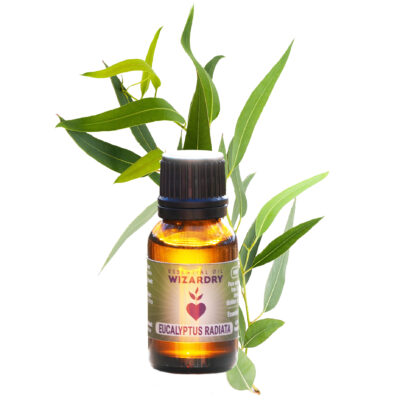
Eucalyptus oil is perhaps the most widely recognized of all the best oils for respiratory support. Its primary constituent, 1,8-cineole, creates an immediate opening, cooling sensation in the nasal passages that many describe as the felt sense of breathing more fully. It has been central to steam inhalations, chest rubs, and diffuser blends across many cultures for generations. For a comprehensive guide to the broader landscape of aromatic plants associated with breathing support, Best Essential Oils For Breathing And Respiratory Support covers this territory in depth.
Frankincense Sacra And The Breath Of Ceremony
Frankincense Sacra, from Boswellia sacra trees native to Oman, is among the most prized resins in the world. Its ceremonial history is inseparable from its respiratory associations: burned to sanctify spaces across thousands of years of sacred practice, it created conditions for deeper, more intentional breath. As an essential oil, its aromatic profile carries that same quality. Many practitioners working with breath-centered meditation or intentional relaxation describe it as an indispensable part of their aromatic environment.
Essential Oils For Easy Breathing: Methods And Daily Practice
Knowing which aromatic plants support comfortable breathing is only part of the picture. How you use them matters considerably.
Diffusion, Steam, And Direct Inhalation
Diffusion fills a space evenly with aromatic molecules and creates an environment that supports easy breathing over an extended period. Steam inhalation, a few drops added to a bowl of hot water and inhaled with a towel over the head, delivers a more concentrated aromatic experience and is particularly valued during congestion-prone seasons. Direct inhalation from cupped palms offers an immediate aromatic reset, and a few drops on a pillow extend the benefit through sleep. For those interested in ready-made blends formulated for breathing support, Respiratory Essential Oil Blend For Breathing Support covers what goes into a well-composed respiratory blend.
Making Aromatic Breathing Support A Daily Habit
Essential oils for easy breathing tend to be most meaningful when woven into a consistent daily rhythm rather than used only reactively. A morning diffusion session, a steam inhalation before outdoor activity, or a nighttime chest application with a diluted respiratory blend can each become an anchor in a wellness-oriented day. Over time, these plant aromas become natural cues for ease and breath.
Essential Oils For Congestion And Seasonal Respiratory Support
Seasonal changes put particular demand on the respiratory system. Essential oils for congestion are among the most traditionally grounded applications of aromatic plant medicine, with a long record of use across cultures.
Aromatic Plants That Practitioners Have Long Reached For
Eucalyptus and peppermint are the most widely used for their immediate clearing and cooling effect in congested passages. Ravintsara, a camphoraceous oil from Madagascar, is well-regarded in European aromatherapy for seasonal support. Frankincense adds depth and spaciousness that complements the sharper character of eucalyptus and mint. For a deeper look at congestion-specific aromatic approaches, Essential Oils For Congestion covers practical guidance in detail. For those approaching respiratory support as part of a broader seasonal wellness practice, Immune Support Essential Oil Blend addresses the close connection between immune and respiratory wellness.
Our Respiratory And Immune Support Collection
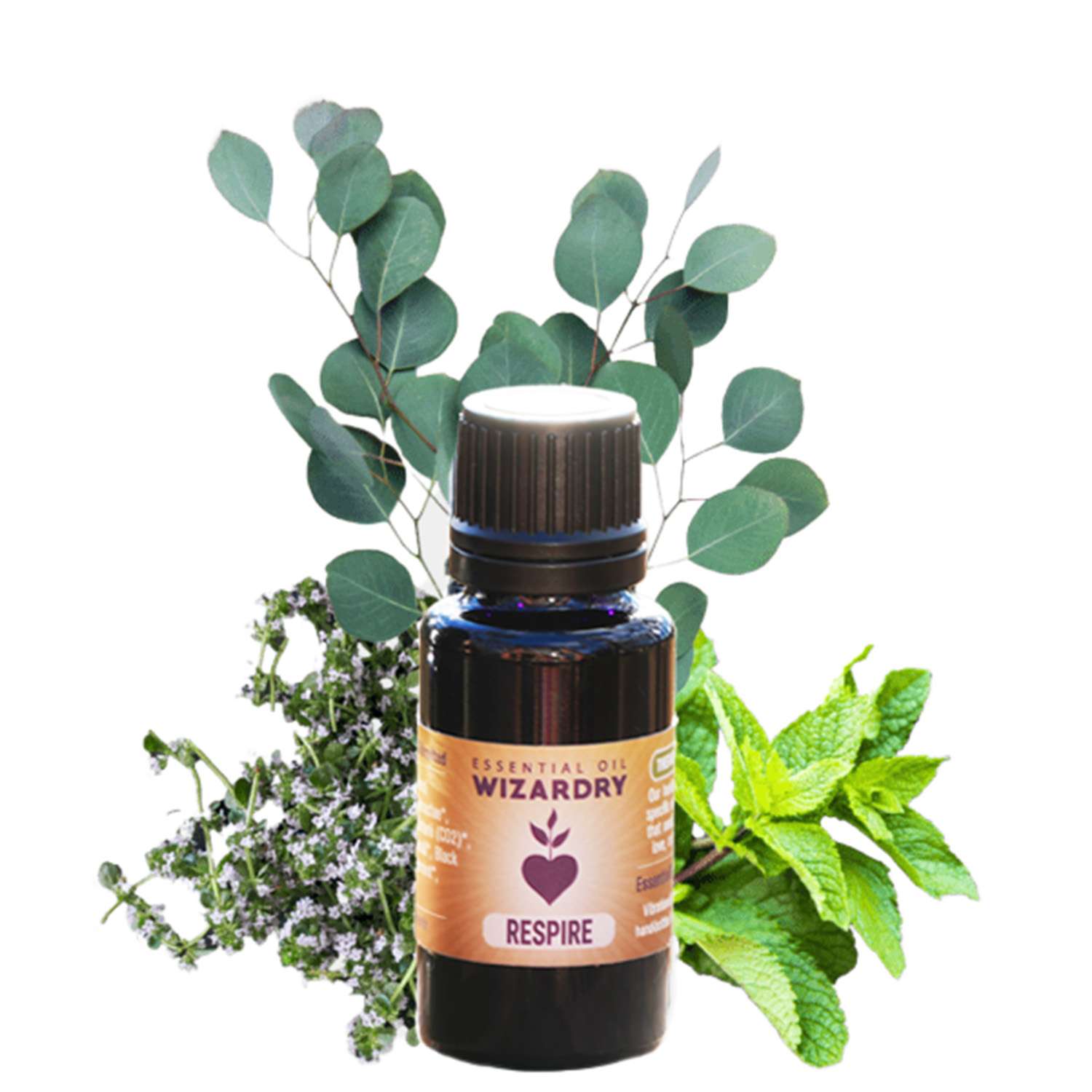
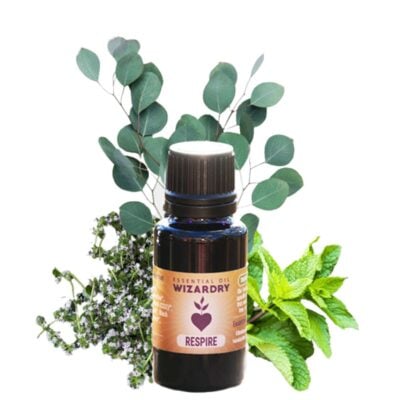
We carry several preparations suited to lung health aromatherapy, breathing support, and seasonal wellness. Our Respire is our dedicated respiratory blend, formulated to support open, comfortable breathing through a carefully chosen combination of aromatic plants. Our Eucalyptus Oil is sourced for its clean, crisp, genuinely clearing character, the quality that has made eucalyptus the most recognized of all respiratory aromatics. Our Frankincense Sacra Essential Oil brings one of the world’s great ceremonial resins into oil form, valued for its breath-deepening, space-clearing qualities across traditions.
Our Super Immune Boost is formulated with seasonal wellness in mind, recognizing that respiratory and immune support are closely connected. And our Immune Support Set brings several immune-supportive preparations together for those building a comprehensive seasonal practice. All our essential oils and blends are organic, wildcrafted, or from unsprayed, pesticide-free plant material, and best used within 2 to 5 years of purchase.
Frequently Asked Questions About Our Essential Oils For Lung Health
Can essential oils support lung health?
Essential oils are aromatic preparations valued for their sensory and experiential qualities in breathing practice. They are not medications and are not intended to diagnose, treat, or cure any condition. Their use is best understood as aromatic support for breathing-centered wellness practices, grounded in a long tradition of human use.
What is the best way to use essential oils for respiratory support?
Diffusion, steam inhalation, and diluted topical application to the chest and throat are the most commonly used methods. Steam inhalation is particularly valued when congestion is present. Dilution guidelines should always be followed for any topical use.
Are essential oils safe to inhale?
Most essential oils commonly associated with respiratory support are well-tolerated through inhalation at appropriate concentrations. Camphoraceous oils such as eucalyptus should not be used near the faces of young children. Those with respiratory sensitivities should consult a qualified practitioner before use.
Which essential oils are traditionally associated with congestion support?
Eucalyptus, peppermint, ravintsara, and frankincense have the longest record of traditional and contemporary use in the context of congestion and seasonal respiratory support.
Can I apply essential oils directly to my chest?
Essential oils should always be diluted in a carrier oil before any skin application. A dilution of 2 to 3% in a carrier such as coconut oil or jojoba is appropriate for most adults when applied to the chest or throat area.
How should essential oils be stored?
Keep bottles sealed in a cool, dark place away from heat, light, and air. Like all our botanical preparations, they are best used within 2 to 5 years of purchase.
DISCLAIMER:
The information provided is intended for educational and informational purposes only and reflects historical, cultural, and experiential perspectives. It is not intended to diagnose, treat, cure, or prevent any disease, nor should it be interpreted as medical, legal, or professional advice. Individual experiences may vary. Always use personal discernment and consult a qualified professional when appropriate.