



Key Takeaways
- A Plant With Many Pathways: Blue lotus flower uses span tea, infusion, aromatic ritual, and ceremonial practice, each offering a distinct way of engaging with its character.
- Spiritual And Sensory Dimensions Go Hand In Hand: Blue lotus spiritual meaning runs through every traditional use, from ancient Egyptian ceremony to modern meditation practice.
- Quality Preparation Honors The Plant: How blue lotus is grown, prepared, and approached shapes the experience at every level.
Blue lotus is one of those rare plants that feels at home in many contexts at once. It can be steeped into a quiet evening tea, dissolved into a ritual bath, diffused as a ceremonial aromatic, or held as a simple object of contemplation. Its versatility is part of what has kept it relevant across thousands of years of human practice.
At Essential Oil Wizardry, we carry blue lotus because we believe it deserves to be experienced in its fullest expression. More than 95% of what we carry is organic or wildcrafted, unsprayed, and free from pesticide residues. We vibrationally enhance every preparation using energetic tools, ORMUS, and BioGeometry.
In this article, we will take a closer look at the range of blue lotus flower uses, from everyday tea and infusions to deeper ceremonial and ritual practice.
The Blue Lotus Flower And Its Many Forms
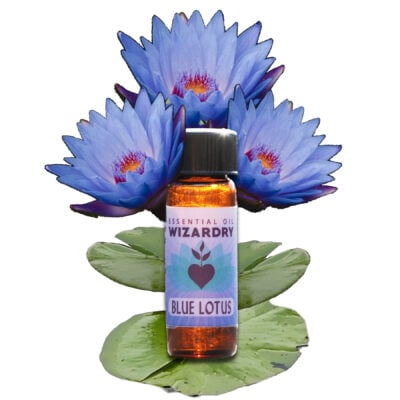
The blue lotus flower is most commonly encountered as dried petals, which form the basis for teas, infusions, and a range of prepared extracts. Each form draws on the same plant but delivers its character differently depending on how it is prepared and how it is approached.
Understanding the range of available forms helps you choose the one that suits your intention. For a solid foundation on the plant itself, our guide on what is blue lotus covers its origins, history, and general character in accessible detail.
From Dried Flower To Concentrated Blue Lotus Extracts
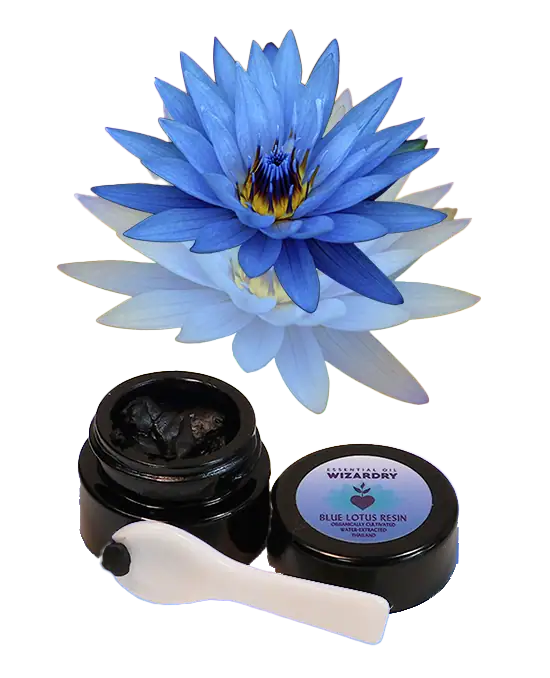
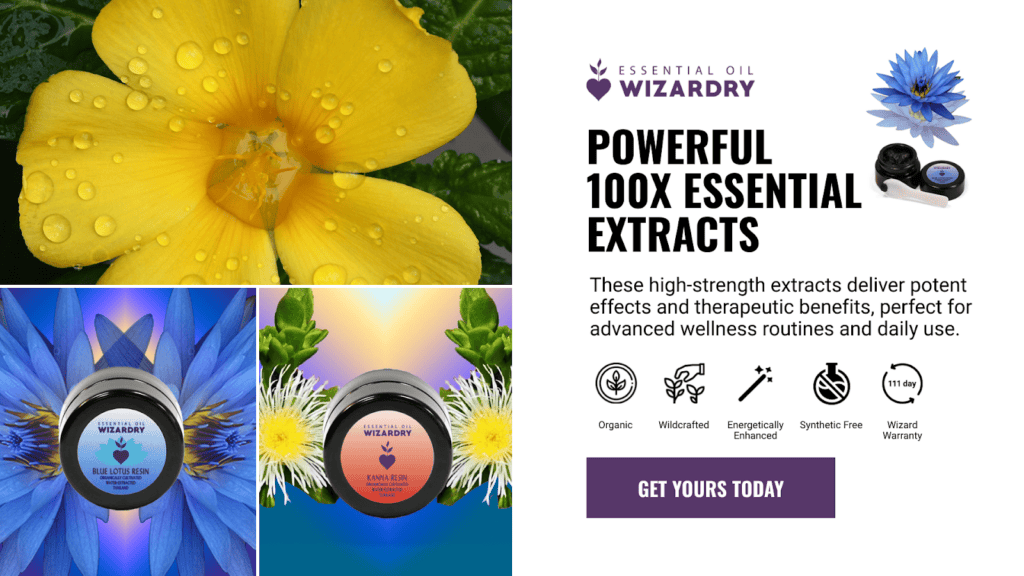
Dried blue lotus flower is the most versatile raw form, suitable for tea, infusion, and aromatic use. For those seeking something more concentrated, Blue Lotus Extracts offer a more potent expression of the plant’s character in tincture, resin, and oil form. Each format carries the plant’s essence in a different way, and the right choice depends on your practice and preference.
Blue Lotus Tea And Infusions: Everyday Ritual
Blue lotus tea is perhaps the most widely practiced of all blue lotus flower uses. Its preparation is simple, its effects are gentle, and the act of making it creates a natural pause in the rhythm of the day.
Preparing Blue Lotus Tea
One to two grams of dried petals steeped in hot water for five to ten minutes produces a lightly floral, mildly sweet infusion. The flavor is pleasant and approachable, making it an easy addition to an evening ritual. Drinking it slowly, without distraction, is itself part of the practice.
Beyond simple tea, blue lotus can be incorporated into herbal infusion blends, added to warm baths, or steeped in oil for topical aromatic preparations. Each of these uses carries the plant’s calming, presence-supporting character into different sensory contexts.
Blue Lotus Spiritual Meaning And Ceremonial Use
The ceremonial dimension of blue lotus is as relevant today as it was in ancient Egypt. Blue lotus spiritual meaning has always centered on the ideas of renewal, inner opening, and the cultivation of receptive awareness. These are qualities that translate naturally into modern ritual practice.
Bringing Blue Lotus Into Sacred Space
Blue lotus finds a natural home in meditation, ceremony, and any practice oriented toward inner stillness or spiritual inquiry. Diffusing the essential oil (Blue Lotus Absolute), floating dried petals in water, or incorporating the plant into a personal altar all serve to bring its presence into a dedicated ritual space.
For those building a broader ceremonial aromatic practice, our collection of ceremonial essential oils offers a range of botanicals that pair beautifully with blue lotus. Those specifically interested in how essential oils support meditation will find our guide on essential oils for meditation a valuable companion resource.
Caring For Your Blue Lotus Practice Over Time
A meaningful blue lotus practice is built gradually, through consistent use and genuine attentiveness rather than occasional experimentation. Here are a few principles to guide you:
- Choose one format to begin with and work with it consistently before adding others.
- Set aside dedicated time and space for your blue lotus ritual, even if only for ten to fifteen minutes.
- Approach each session with fresh attention rather than fixed expectations.
- Store dried flowers and preparations away from heat, light, and air to preserve their integrity.
- Our products are best used within 2 to 5 years of purchase.
Returning to the same plant in different seasons and moods reveals layers that a single session never could.
Final Thoughts
Blue lotus flower uses are as varied as the people drawn to this remarkable plant. From a simple cup of evening tea to a full ceremonial ritual, it meets each intention with the same quiet, enduring presence it has offered for millennia. At Essential Oil Wizardry, we are honored to carry it in forms that make that presence accessible to anyone ready to receive it.
Frequently Asked Questions About Blue Lotus Flower Uses
What are the most common ways to use blue lotus flower?
The most widely practiced uses include blue lotus tea, aromatic diffusion of the essential oil, tincture or extract ingestion, and incorporation into ceremonial or meditation rituals. Each offers a different sensory and experiential pathway into the plant’s character.
What is the taste of blue lotus tea?
Blue lotus tea is lightly floral and mildly sweet with soft earthy undertones. Most people find it pleasant and easy to drink, making it a welcoming addition to an evening ritual.
What is the spiritual meaning of blue lotus?
Blue lotus has traditionally been associated with renewal, inner opening, and the cultivation of receptive awareness. In ancient Egyptian culture it symbolized rebirth and the unfolding of consciousness, qualities that continue to resonate in modern ceremonial practice.
Can blue lotus be used in a meditation practice?
Yes. Diffusing blue lotus essential oil (blue lotus absolute), drinking blue lotus tea beforehand, or incorporating dried petals into a sacred space are all ways people bring this plant into meditation and contemplative practice. Our blue lotus resin is a powerful meditative aid, as is our Meditate resin, which includes blue lotus as the primary ingredient.
How should dried blue lotus flower be stored?
Store dried blue lotus flower in a sealed container away from heat, light, and air. Proper storage preserves its aromatic character and potency. Most preparations are best used within 2 to 5 years of purchase.
Is blue lotus appropriate for daily use?
Blue lotus is gentle enough for regular use, though many practitioners find that two to four times per week allows for genuine attentiveness to the experience rather than it becoming habitual. Personal observation is the best guide to finding your own rhythm.
DISCLAIMER:
The information provided is intended for educational and informational purposes only and reflects historical, cultural, and experiential perspectives. It is not intended to diagnose, treat, cure, or prevent any disease, nor should it be interpreted as medical, legal, or professional advice. Individual experiences may vary. Always use personal discernment and consult a qualified professional when appropriate.
Sources:
- Samy, R. P., et al. (2008). Ethnobotany and phytopharmacology of Nymphaea species. Journal of Ethnopharmacology.
- Tisserand, R., & Young, R. (2014). Essential Oil Safety: A Guide for Health Care Professionals (2nd ed.). Churchill Livingstone.
- National Center for Complementary and Integrative Health. (n.d.). Aromatherapy. Retrieved from https://www.nccih.nih.gov/health/aromatherapy