


The blue lotus flower has been steeped in water and used in ceremonies for thousands of years. In ancient Egypt, this stunning aquatic plant was depicted in temple reliefs and offered to the gods. Meanwhile, in Indonesia, Thailand, and other Asian cultures, the flower graces temple ponds and ritual offerings. Across cultures, it is a plant of presence, stillness, and spiritual opening, and today, blue lotus tea is how many people first encounter it.
CHECK OUT OUR BLOG
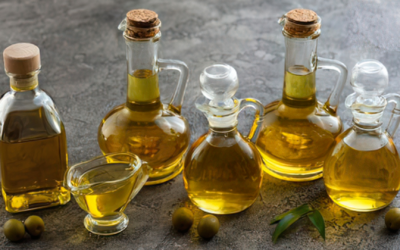
Blue Lotus Extracts: A Guide To Concentrated Preparations
A guide to blue lotus concentrate in every form, from resin to tincture to absolute, with thoughtful guidance on use and dosing from Essential Oil Wizardry.
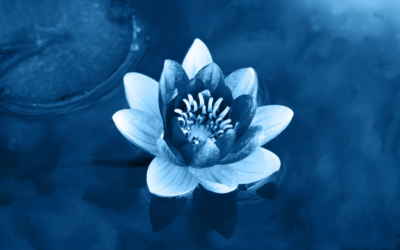
Blue Lotus Spiritual Meaning: Ancient Symbolism And Modern Use
A guide to blue lotus spiritual meaning, ancient symbolism, and modern ritual use, with plant-based wisdom and ceremonial insight from Essential Oil Wizardry.
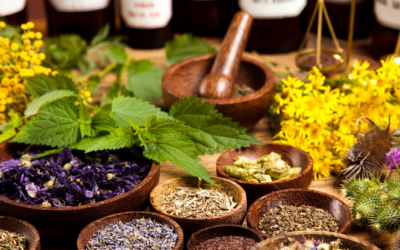
Wild Lettuce Extract: Benefits, Uses, And What To Expect
Learn about wild lettuce extract, its traditional uses, wild lettuce dosing, and how it supports rest, with guidance from Essential Oil Wizardry.
The Blue Lotus Flower: Where Every Cup Begins
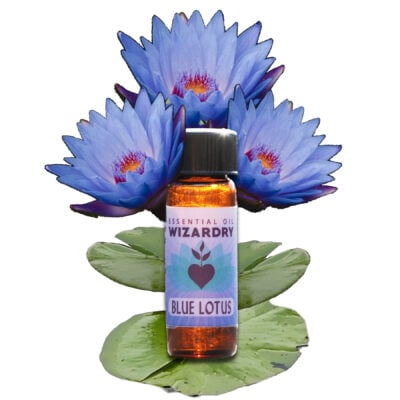
Let’s start with a foundational question. What is blue lotus? The blue lotus or blue water lily, botanically known as Nymphaea caerulea, is native to the Nile Delta and found across East Africa and South Asia. It has been cultivated and revered in ceremonial contexts for millennia.
Dr. Nick’s Years-Long Relationship With The Flower
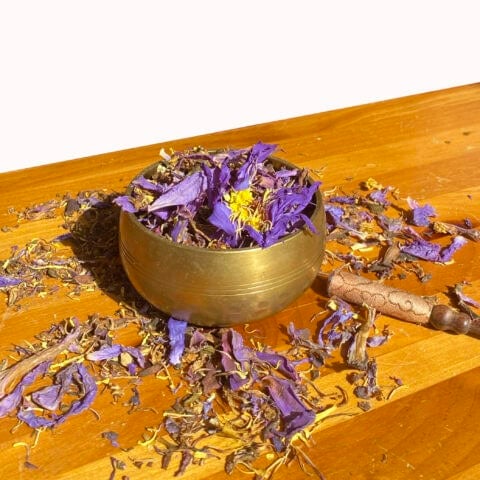
That said, the flower itself is the quintessential ingredient for anyone who wants to brew this plant into a fragrant, meditative tea. In fact, dried Nymphaea caerulea petals have been part of Dr. Nick’s personal tea collection for close to a decade. He describes them as adding vibrational clarity, meditative focus, and a delicious, gently floral flavor to any cup.
A Gentle Entry Point That Rewards Consistency
The dried flower is gentler than our more concentrated extracts, as the tincture, resin, and absolute each carry a more intense character. That subtlety is actually the point for a contemplative tea. This is an everyday companion and a pleasant starting point for many beginners that can be returned to nightly without feeling like too much.
What Else You Can Do With The Dried Petals
Beyond tea, the dried petals open up into a remarkable range of uses. You can infuse it into your favorite carrier oils for 4 to 8 weeks to create a sensual, aromatic skin oil, or add it to your bath for a spa-like experience. Alternatively, you can create a slow-infusion, heavenly floral honey or blend it into an herbal smoke. But the tea is where most people begin, and for good reason.
How To Brew Blue Lotus: The Ritual Of Preparation
Blue lotus tea is one of the simplest plant rituals available. The preparation is intentional and unhurried, which suits the spirit of the plant perfectly.
The Basic Preparation
To brew blue lotus tea, bring water to approximately 90 to 95°C (just below boiling). Place two to three grams of dried blue lotus into a cup or teapot, pour the hot water over, and steep for ten to fifteen minutes. The longer the steep, the more complex the tea becomes. Avoid a full boil, which can degrade the more delicate aromatic compounds in the petals. The flavor is subtle and floral, with a slightly earthy quality. It’s mild enough to drink on its own, yet soothing enough that most people want to sit with it slowly.
Enhancing Your Tea With Sweetness
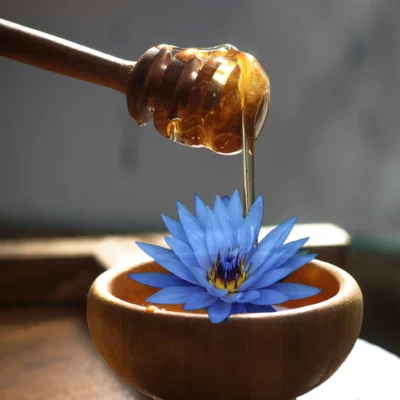
Our Blue Lotus Honey is the most natural companion for a blue lotus cup, boasting nectar empowered by the blue lotus from the bees themselves! Sourced from a family operation in Thailand where wild honey bees feed almost exclusively on blue lotus pollen, it carries the essence, energy, and vitality of those flowers in a way no infused honey could replicate. You’ll enjoy notes of vanilla, caramel, maple, and apple pie alongside the floral delicacy. To honor the preciousness of what you are working with, Dr. Nick recommends using a wooden or mother-of-pearl spoon.
Blue Lotus Benefits: What This Plant Is Traditionally Known For
Blue lotus has been used across Egyptian, Thai, and other ceremonial traditions for relaxation, dream support, sensory awareness, and spiritual receptivity for millennia. Its traditionally calming, presence-supporting character makes it well-suited to evening rituals, meditation, and the kind of unhurried stillness that most people find increasingly difficult to access.
People who work with it regularly tend to describe the quality it supports as emotionally spacious: not sedated, not stimulated, but more available to the present moment than before. These are anecdotal observations of blue lotus oil benefits, and individual responses vary considerably depending on the person, the preparation, the setting, and what is brought to the ritual. For a fuller picture, our guide on blue lotus effects is worth reading before you begin.
Going Deeper: Tincture, Resin, And Absolute
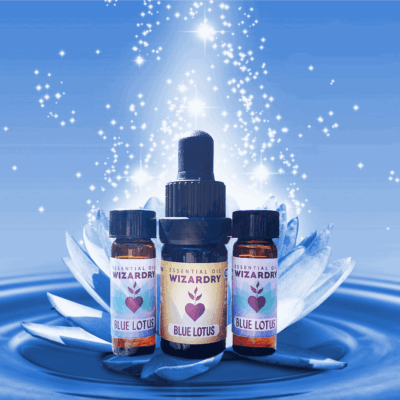
For those who want to move beyond the dried flower, we carry three more concentrated blue lotus preparations that can be used on their own or incorporated into a tea ritual.
Blue Lotus Tincture
Our Blue Lotus Tincture begins with something already rare, a Blue Lotus Absolute, which is then ultrasonically infused into organic craft spirits to allow the plant’s full aromatic and energetic character to shine through in every drop. To use this in tea, one to three drops stirred into hot water or added to a freshly brewed cup is all you need. The tincture integrates seamlessly into warm liquid, releasing the plant’s character in a way that feels immediate.
Dr. Nick describes the experience as soft and clear, giving you a gentle, floaty quality that opens rather than dulls. It can also be added to wine or spirits in the traditional manner, anointed to the crown or third eye for energetic attunement, or worked into botanical perfumery for an aromatic dimension unlike anything else. For those building a broader evening botanical practice, our lineup of the best tinctures for sleep offers other plant preparations for rest and intentional wind-down. No matter what you choose, start with a single drop, give it time, and let the plant meet you where you are.
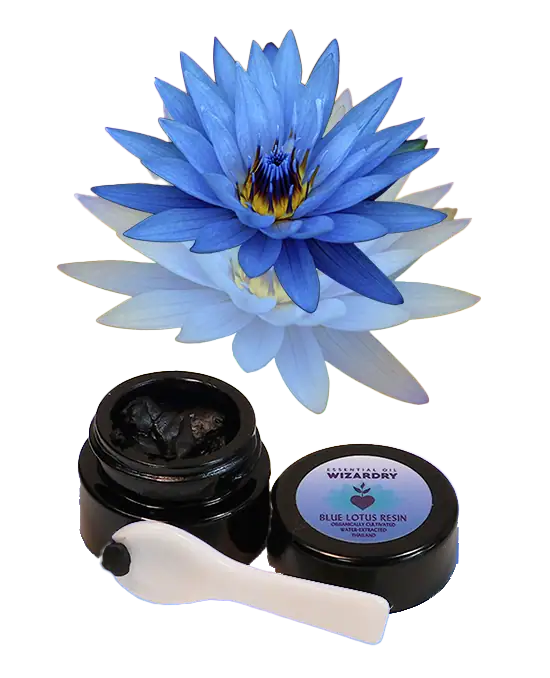
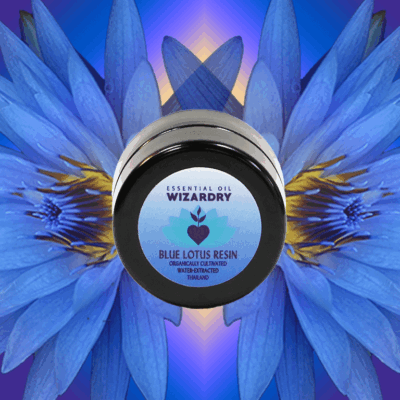
Blue Lotus Resin
As a 100:1 water-extracted concentrate, one gram represents approximately 100 grams of organically grown Thai flowers. That said, a rice-grain-sized amount dissolved in hot water or tea delivers a more concentrated encounter with the plant. Dr. Nick describes the experience as unifying and centering, with a stilling quality and a deepening sense of presence. Some note a stilling of the mind, enhanced visual definition of the world around you, or even a brightening of your perceived color spectrum. Approach it with patience and give it time to arrive.
Blue Lotus Absolute
Blue Lotus Absolute is a full-spectrum floral extract sourced from an organically cultivated / wild family operation in Thailand, solvent or CO2 extracted to capture the complete aromatic richness of the bloom. Dr. Nick describes the scent as instantly transporting. It has a warm, honey-sweet, and mystical edge with hints of vanilla candy and something closer to cinnamon apple pie than anything you would expect from a flower. It’s one of those aromas that’s difficult to describe accurately until you experience it directly.
For tea, a few drops stirred into hot water introduces the plant’s aromatic dimension in a way the dried flower alone cannot. The absolute is highly concentrated, so start with a single drop and let the cup steep for a moment before drinking. Beyond tea, it is exceptional for botanical perfumery, anointing, vaporizing and ceremonial use. However, please keep in mind that a small amount goes a very long way in any application!
Frequently Asked Questions About Blue Lotus Tea
What does blue lotus tea taste like?
Blue lotus tea has a subtle, floral, slightly earthy flavor with mild aquatic notes and a gentle bitterness. It’s beautifully complemented by our Blue Lotus Honey.
How much dried flower should I use per cup of blue lotus tea?
Two to three grams is a standard starting amount. Steep for ten to fifteen minutes at just below boiling, then adjust from there based on your preference. Some people will add other herbs, allowing blue lotus to be a companion in each cup of tea!
How does the blue lotus dried flower compare to the tincture or resin?
The dried flower is the gentlest preparation, well-suited to daily ritual and building familiarity with the plant. The absolute, tincture and resin are more concentrated and typically used when a deeper experience is the intention.
Can I add tincture or resin to the flower tea?
Yes. Many people brew a herbal tea as a base and add a few drops of tincture or a tiny amount of resin to deepen and enhance the qualities or flavor profile. This layered approach allows for more nuance and control than using concentrated preparations alone.
Is blue lotus tea appropriate for evening use?
It is one of the most common ways people work with it. Its gentle, settling quality makes it a great companion for wind-down rituals, and the act of preparing and drinking it slowly is itself part of the practice.
How should I store my blue lotus preparations?
Store dried flowers in an airtight container away from heat and light. Keep tinctures and absolutes in a cool, dark location, best used within 2 to 5 years.
DISCLAIMER:
The information provided is intended for educational and informational purposes only and reflects historical, cultural, and experiential perspectives. It is not intended to diagnose, treat, cure, or prevent any disease, nor should it be interpreted as medical, legal, or professional advice. Individual experiences may vary. Always use personal discernment and consult a qualified professional when appropriate.