


Key Takeaways:
- Natural Perfume Making Is An Ancient Art: Creating fragrance from plants is one of humanity’s oldest practices, and making your own perfume with essential oils connects you to that long lineage in a personal and meaningful way.
- Structure And Intention Shape The Outcome: A well-crafted natural perfume relies on understanding aromatic notes, choosing a suitable base, and allowing the blend time to develop its full character.
- Quality Ingredients Make All The Difference: The oils and carriers you choose are the foundation of everything, and starting with pure, high-quality botanicals gives your creation the best possible aromatic expression.
A perfume is more than a scent. It is a signature, a memory, a mood carried invisibly through a room. The history of fragrance is as old as human civilization itself, rooted in ritual, ceremony, and the profound relationship between people and plants. Long before synthetic fragrance-filled shelves, people crafted their personal scents from resins, flowers, woods, and roots, combining them into preparations that were deeply intentional and uniquely their own.
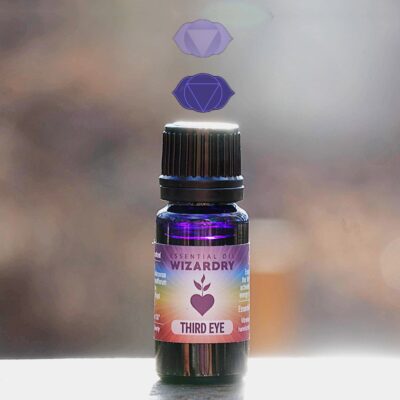
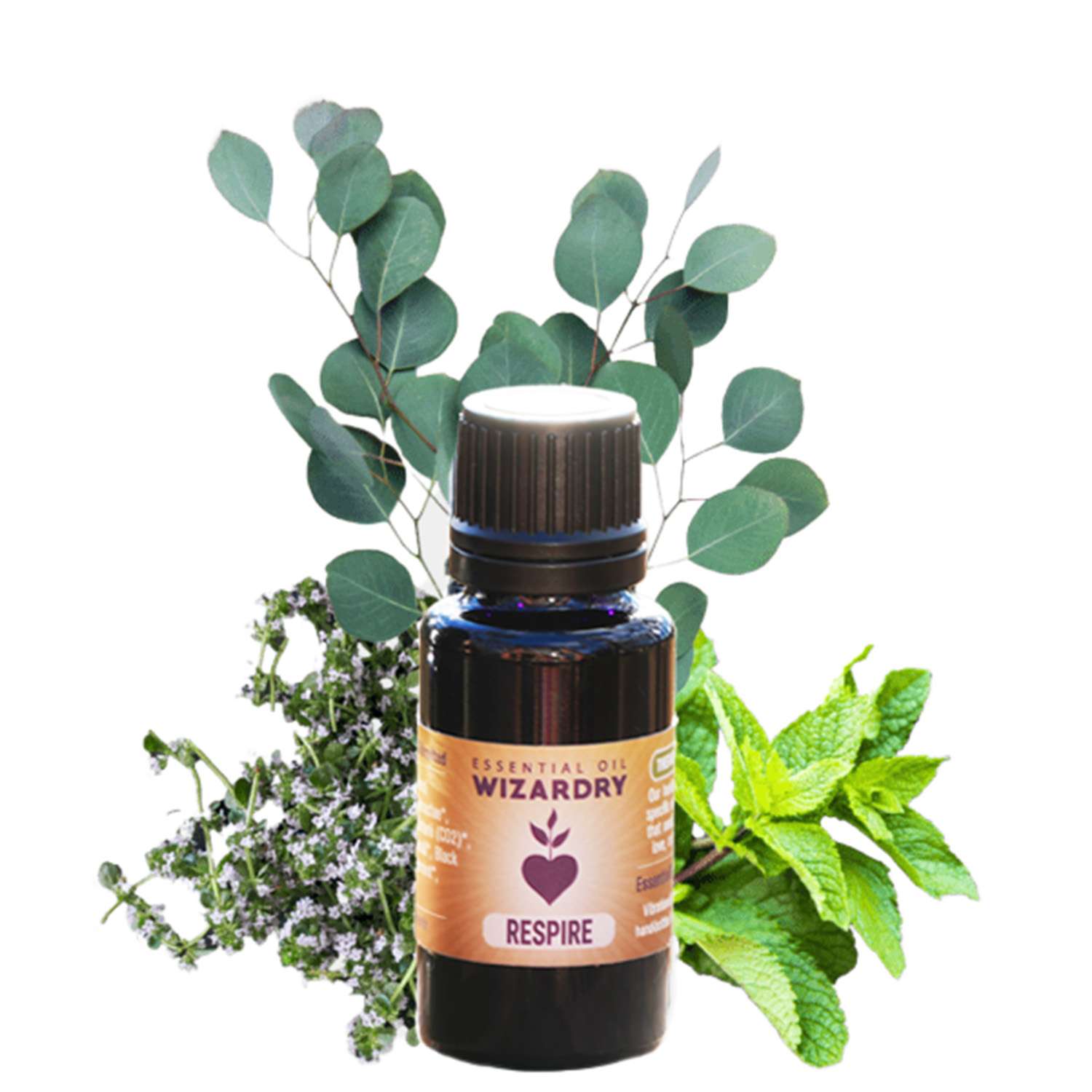
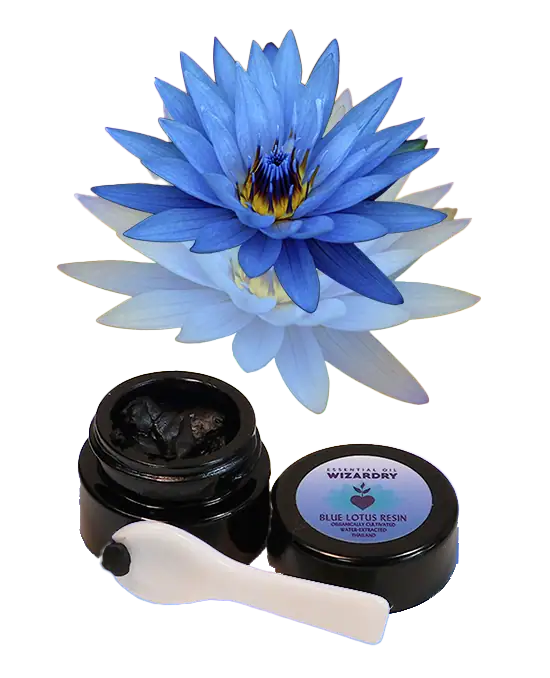
At Essential Oil Wizardry, natural perfume making feels like a natural extension of everything we believe about plants and how they can be experienced. Founded by a holistic-minded, retired pharmacist, our work is built around the idea that botanicals deserve to be approached with care, curiosity, and respect for their full expressive range. We source more than 95% of our products organically or from wildcrafted origins, each item sourced unsprayed and free from pesticide residues, and vibrationally enhance every oil using energetic tools, ORMUS, and BioGeometry.
In this guide, we will walk through the foundational elements of essential oil perfume blending, from understanding aromatic structure and choosing your base to practical steps for creating a DIY essential oil perfume recipe that feels genuinely yours.
The Architecture Of A Natural Perfume
Before measuring a single drop, it helps to understand how natural perfumes are structured. A well-crafted fragrance is not simply a collection of pleasant scents mixed together. It is a composition with movement, depth, and arc, designed to unfold over time in a way that feels coherent and alive.
The framework most commonly used in natural perfume making draws from the world of classical perfumery, where aromas are organized into three layers based on their volatility and the timing of their aromatic presence. These layers are called top notes, middle notes, and base notes, and together they give a perfume its personality from first impression to final dry-down.
Top notes make their presence known immediately. They are bright, light, and volatile, the first thing encountered when a perfume is applied, and the first to fade. Citrus oils, light herbs, and some greens fall naturally into this category. Middle notes, sometimes called the heart of the fragrance, emerge once the top notes begin to lift and carry the perfume’s primary aromatic identity. Florals, spices, and certain herbal oils are common middle notes. Base notes are the slowest to appear and the longest to linger. Resins, roots, and woods anchor a fragrance and give it warmth, depth, and staying power.
Finding Your Aromatic Direction
Before building a blend, it is worth spending time with individual oils to develop a sense of what draws you. Smell each one slowly, note what it evokes, and consider how it might relate to others you are drawn to. Natural perfume making rewards this kind of unhurried, curious attention. A blend built on genuine sensory interest tends to feel more cohesive and personal than one assembled by following a formula without that grounding in personal experience.
For those interested in blends crafted with intimacy and depth in mind, our aphrodisiac essential oil blend offers an example of how carefully chosen botanicals can come together to create something layered, warm, and deeply evocative.
Choosing Your Base For Homemade Perfume With Essential Oils
Once you have a sense of the aromatic direction you want to take, the next decision is your base, the medium that will carry and anchor your essential oils. The two most common bases for homemade perfume with essential oils are alcohol and carrier oil, and each produces a noticeably different aromatic experience.
Alcohol-Based Versus Oil-Based Perfumes
Alcohol-based perfumes, typically made with perfumer’s alcohol or high-proof ethanol, produce a lighter, more projecting fragrance that releases quickly from the skin and creates the kind of scent trail most people associate with traditional fine fragrance. The alcohol helps the aromatic molecules disperse, giving the perfume lift and diffusion. This style works beautifully for those who want a fragrance that announces itself with some presence. Dr. Nick notes from his experience that the perfume aroma tends to shift more dynamically between the top, heart and base notes, and the aroma seems to last on the skin longer, when alcohol is the primary carrier medium. Our exclusive line of alcohol based perfumes are known as our Exquisite Perfumes.
Oil-based perfumes, made by diluting essential oils in a carrier oil such as jojoba, sweet almond, or fractionated coconut oil, produce a different kind of experience. The fragrance sits closer to the skin, develops more intimately with body warmth, and tends to evolve in a more personal, layered way. Many people find oil-based perfumes feel more natural and skin-close, which suits the ethos of plant-based fragrance beautifully. Our guide to carrier oils for essential oils covers the full range of carrier options and their individual qualities in helpful detail.
Dr. Nick notes that when a carrier oil is used as the medium, the whole symphony of aromatic layers tends to express simultaneously, and its intensity fades over time. Our collection of carrier oil infused perfumes are known as Botanical Perfumes.
A Step-By-Step DIY Essential Oil Perfume Recipe
With a structural framework and a base in mind, the process of actually building a perfume becomes much more approachable. Here is a practical step-by-step approach to creating your first homemade perfume with essential oils.
Building Your First Blend
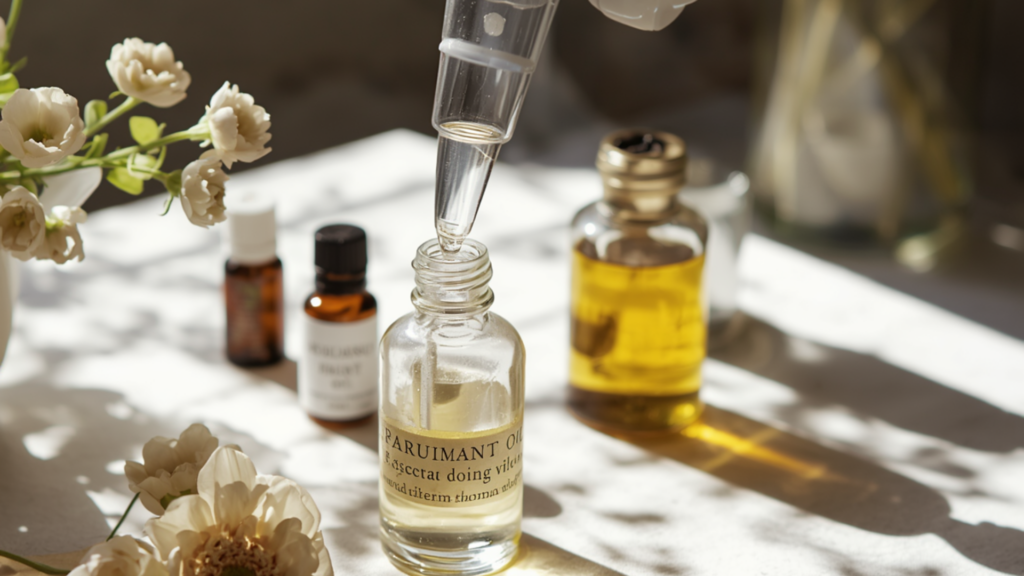
Start with a small working amount, around 10 milliliters of your chosen base, whether alcohol or carrier oil. This gives you enough to evaluate and refine without using large quantities of your oils in the process.
Here are the steps to follow:
- Choose one to two base note oils and add them first. Aim for these to make up roughly 20 to 30% of your total drop count.
- Add your middle note oils next, building toward 40 to 50% of the total. These will carry the heart of your fragrance.
- Add top note oils last, keeping them to around 20 to 30% of the total. They will give the blend its opening brightness.
- Cap the bottle, swirl gently, and allow the blend to rest for at least 48 hours before evaluating. The notes will integrate and soften significantly during this time.
- After resting, smell the blend on a strip of paper and on your skin, noting what you would like to adjust before committing to a larger batch.
A total concentration of around 15 to 20% essential oil in your base is a good starting point for a personal perfume oil, giving you a noticeable but not overwhelming aromatic presence. Our how to use essential oils guide covers dilution principles that apply directly to perfume making as well.
Selecting Oils For Essential Oil Perfume Blending
The oils you choose are the soul of your perfume, and taking time to curate them thoughtfully pays dividends in the final result. Essential oil perfume blending opens up an enormous aromatic palette, from delicate florals and bright citrus to deep resins, earthy roots, and warm spices. Some classic and beloved pairings to consider as starting points: bergamot and vetiver for a clean, grounded citrus fragrance; rose and sandalwood for something soft, elegant and deeply floral; frankincense and neroli for a ceremonial, luminous blend; or patchouli, ylang ylang, and black pepper for something warm, sensual, and complex.
How Extraction Method Shapes Fragrance
One of the finer points of natural perfume making is understanding how the extraction method influences the aromatic character of an oil as well as its behavior in a blend. A CO2-extracted frankincense, for example, will smell fuller and closer to the raw resin than its steam-distilled counterpart, which carries a lighter, more etheric quality. Both have their place, but they contribute differently to a composition. Our comparison of CO2 vs steam distilled oils explores these differences in detail and is a valuable resource for anyone building a more intentional perfume practice.
At Essential Oil Wizardry, the oils we carry are selected with this kind of nuance in mind. Every product is organic or wildcrafted, unsprayed, and prepared with genuine attention to aromatic integrity. Our oils are best used within 2 to 5 years of purchase and stored away from heat, light, and air to preserve their quality.
Final Thoughts
Making perfume with essential oils is one of the most intimate and rewarding ways to work with plants. It asks for patience, sensory curiosity, and a willingness to let the process unfold without rushing. Every blend you create teaches you something new about how plants relate to one another, how fragrance moves through time, and what your own aromatic sensibility is reaching toward. At Essential Oil Wizardry, we find this practice endlessly fascinating and deeply meaningful. We hope this guide gives you a grounded and inspiring starting point for your own natural perfume-making journey, and that the plants you work with carry you somewhere unexpected and entirely your own.
Frequently Asked Questions About Making Perfume With Essential Oils
What is the best base for making perfume with essential oils?
Both alcohol and carrier oil are effective bases, and the choice depends on the kind of fragrance experience you want. Alcohol-based perfumes project more freely and feel closer to traditional fine fragrance. Oil-based perfumes sit closer to the skin, develop more intimately with body warmth, and often feel more personal and natural.
How many essential oils should I use in a natural perfume?
Three to five oils is a good range for beginners, using one or two from each note category. This gives you enough complexity to create depth without making the blend difficult to manage. Intermediate formulators may consider between seven and nine ingredients. More experienced blenders may work with larger palettes, but restraint often produces more elegant results.
What concentration of essential oils should I use in a perfume?
For an oil-based perfume, a concentration of 15 to 20% essential oil in your carrier is a good starting point. For alcohol-based perfumes, concentrations typically range from 15 to 30% depending on the desired intensity. Always start at the lower end and adjust upward after evaluating the rested blend. As a reference point, many of Essential Oil Wizardry’s perfume blends range between 40 – 75%, depending on the formula and the intensity desired at the time of formulation.
How long should I let a perfume blend rest before using it?
At least 48 hours is recommended for initial evaluation, though many perfumers prefer to wait a week or more before making final adjustments. Aromatic compounds interact and integrate significantly during the resting period, and a blend often smells quite different after resting than when freshly made. Dr. Nick’s perfumery mentor Douglas Stewart would classically wait 2-3 weeks before using, testing, or bottling a freshly prepared perfume.
Can I use absolutes in natural perfume making?
Yes, absolutes are widely used in natural perfumery and often preferred for delicate florals like jasmine and rose, whose aromatic compounds are too fragile for steam distillation. They tend to have richer, more true-to-flower aromatic profiles and excellent staying power in a blend.
How do I make a perfume last longer on the skin?
Apply your perfume to pulse points where body warmth helps diffuse the scent. Subjectively alcohol based perfumes may last longer on the skin than oil-based perfumes, but different formulas may lead to different results. Using a base note-heavy composition also contributes to longevity, as these slower-evaporating oils anchor the fragrance over time.
What are some good essential oil combinations for a beginner perfume?
Some approachable starting combinations include bergamot with cedarwood and vetiver, lavender with rose and patchouli, or neroli with frankincense and sandalwood. Each pairing offers a balanced aromatic arc across top, middle, and base notes.
Does the quality of essential oils affect the final perfume?
Significantly. A pure, high-quality oil carries the full aromatic complexity of the plant and behaves more predictably in a blend. Lower-quality or adulterated oils can introduce unexpected notes, flatter aromatic expressions, or behave inconsistently, making it harder to refine and recreate a blend with confidence.
How should I store a finished essential oil perfume?
Store finished perfumes in dark glass bottles away from heat, light, and air. Label each bottle with the ingredients, ratios, and date made. Oil-based perfumes are generally best used within one to two years, depending on the carrier oil used. Alcohol-based perfumes tend to have a longer shelf life.
Is natural perfume making suitable for complete beginners?
Absolutely. Starting with a simple three-oil blend and a small test batch is all it takes to begin. Return to Grace was born from a natural perfume creation assignment where three ingredients were selected. The learning curve is gentle, and every attempt teaches you something useful about how aromatic compounds behave together. Patience and curiosity are the most important ingredients you can bring to the process.
DISCLAIMER:
The information provided is intended for educational and informational purposes only and reflects historical, cultural, and experiential perspectives. It is not intended to diagnose, treat, cure, or prevent any disease, nor should it be interpreted as medical, legal, or professional advice. Individual experiences may vary. Always use personal discernment and consult a qualified professional when appropriate.